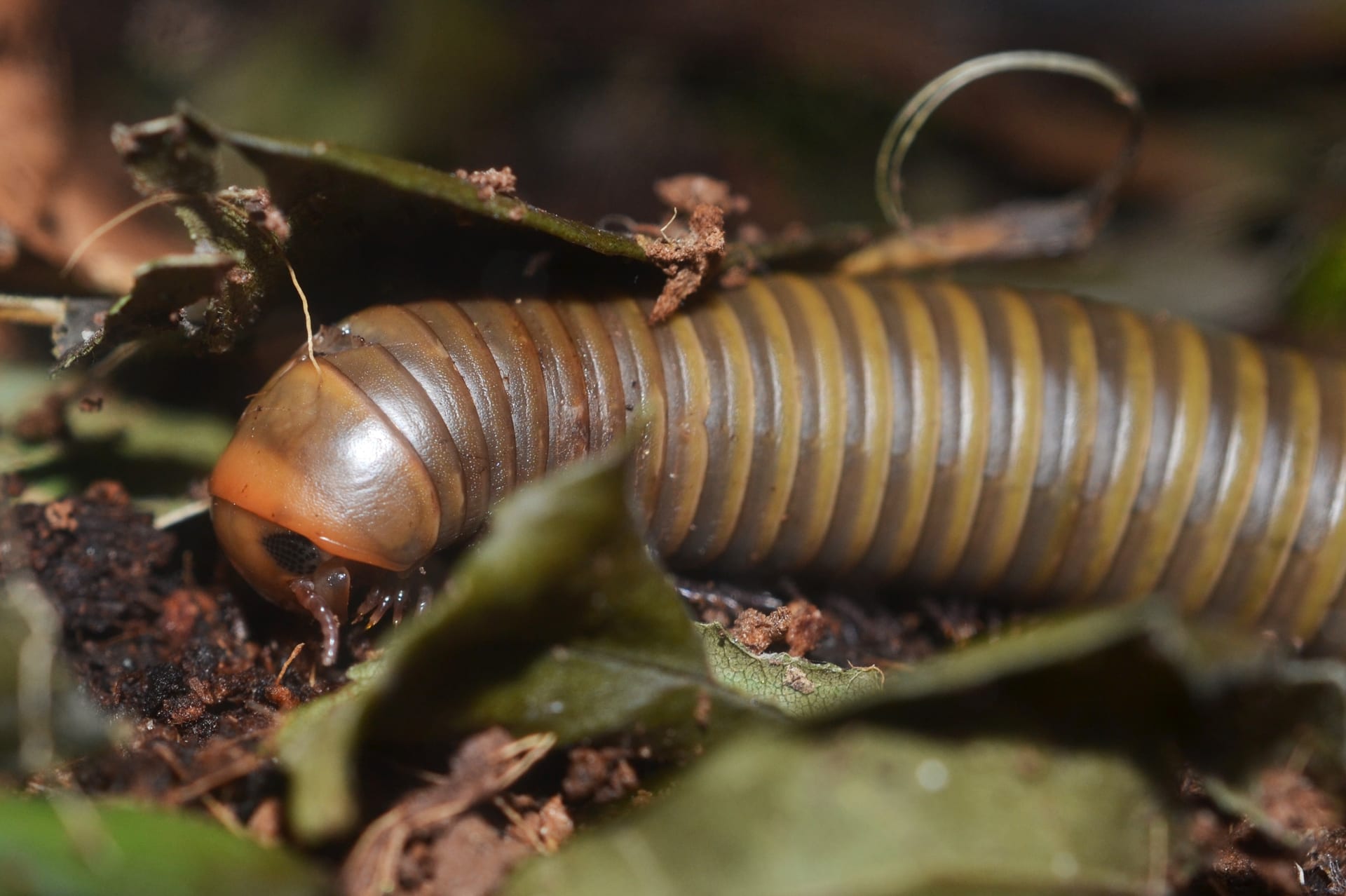
 © Andrew C / CC BY 2.0
Smokey Oak Millipede
The Smokey Oak Millipede is a large millipede native to Florida's scrub habitats. Adults grow to about 6–12 cm with 45 to 65 body segments, and depending on locality, some individuals develop a smoky tone that blends with the surrounding sand. Its range is narrower than that of its close relative, the American Giant Millipede, giving it a slightly more distinctive presence. Calm and slow-moving by nature, it spends its time burrowing and breaking down decaying wood and leaf litter like a tiny janitor of the forest floor. It can release a mildly odorous defensive fluid if handled too roughly, so gentle care is recommended, but overall this species is considered beginner-friendly and rewarding for anyone who enjoys quiet, observational keeping.
View Smokey Oak Millipede encyclopedia →Breeder Wanted!
List on BreederDirect and sell directly to customers nationwide!
BreederDirect's 5 Transparency Commitments
When listing Exotic Invertebrates, Breeders disclose the following. We guarantee transparency on growth stage and breeding unit.
- Real Photos
- Breeding Unit
- Generation Info
- Body Length (mm)
- Country of Origin
Browse all 286 breeds
No listings match your filters
Adjust your filters, or get notified when new listings arrive.
Getting alerts is free with a member account. When new listings match your saved search, we'll notify you by email and in-app.
Browse other categories
Verified breeders (preview)
Are you raising exotic invertebrates?
Register as a breeder and connect with buyers directly.
Apply as a breederSmokey Oak Millipede key facts
- Care level
- Beginner-friendly
- Lifespan
- 5-8 years
- Size
- 60-120mm
- Temperature
- Room temperature (no heating needed)
- Diet
- The substrate itself, decaying hardwood and leaf litter, is the primary diet, with fruit and vegetables as supplements; calcium carbonate is mixed into the substrate
- Temperature & Humidity
- A temperate North American species that lives at room temperature. Drying out is the commonest killer, so keep the lower substrate always moist and the surface at least slightly damp.
- Enclosure
- Favour a container wider than tall. Lay substrate at least as deep as the animal is long, built from compost soil, crushed hardwood leaves, sand and oak sawdust with calcium carbonate through it.
- Diet & Feeding
- The substrate is the primary diet, with fruit and vegetables as small supplements. Calcium carbonate in the substrate supports healthy exoskeletons.
- Temperament & Venom
- Placid, and it neither bites nor stings. It coils when startled and secretes a defensive fluid that leaves a harmless brown discoloration known as millipede burn.
- Notes
- Wash hands before and after handling. It is communal and can share with other millipedes and isopods. It is easily confused with Narceus americanus.
About Smokey Oak Millipede
A large millipede from Florida's scrub habitat, the Smokey Oak Millipede reaches 6–12 cm with 45–65 segments. Calm, low-maintenance, and beginner-friendly to keep.
7 things to know before welcoming a Smokey Oak Millipede
1Sandy, Burrow-Friendly Substrate
Since this species comes from Florida's scrub habitat, a substrate mix of sand and leaf litter (or coco fiber) works well. Give them enough depth to burrow so they feel secure.
2Never Let It Dry Out
Drying out is the most common cause of failure with millipedes. Keep the lower substrate constantly moist and the surface at least slightly damp. No heating is normally needed; room temperature is fine.
3Calm but Easily Startled
They're docile and neither bite nor sting, usually curling up when disturbed. If startled, they may release a defensive secretion that can stain skin a harmless brown, so handle them gently.
4Limit Direct Handling
Their defensive secretion has a distinct odor and can irritate eyes or mouth if touched. Always wash your hands after contact and avoid touching your face.
5A Diet of Leaf Litter and Decaying Wood
In the wild they break down leaf litter, rotting wood, and decomposing plant matter. In captivity the substrate itself (decaying hardwood and fallen leaves) is the staple, with fruit or vegetables only as a small supplement. Mix calcium carbonate into the substrate.
6Leave Them Alone While Molting
Before and after molting, their bodies are soft and highly vulnerable. If one burrows and stops moving, resist the urge to dig it up or handle it — just observe quietly.
7What to Prepare Before Bringing One Home
Set up a ventilated but humidity-retaining enclosure, a deep substrate layer, and a thermometer/hygrometer before your millipede arrives. They also do well housed in small groups.
Frequently asked questions about Smokey Oak Millipede
- Q.What kind of enclosure setup does it need?
- A.Choose a container that is wide rather than tall, with substrate deeper than the animal's body length. Mix leaf mold, crushed leaves, sand and oak sawdust with calcium carbonate, keeping the lower layers constantly moist and the surface at least slightly damp.
- Q.Is it safe to handle with bare hands?
- A.It's docile and won't bite or sting, but if startled it may release a strong-smelling defensive fluid. Wash your hands well after any contact.
- Q.Is this a good species for a first-time millipede keeper?
- A.Yes, it's considered beginner-friendly. Its calm nature and straightforward care make it a common starting point for people new to keeping invertebrates.
- Q.What should I feed it?
- A.The substrate itself (decaying hardwood and fallen leaves) is the staple food. Offer fruit or vegetables only as a small supplement, and mix calcium carbonate into the substrate.
- Q.Is this species subject to any international trade regulations?
- A.The Smokey Oak Millipede is not subject to CITES. There's no international trade regulation to worry about when acquiring one.
Learn more about Smokey Oak Millipede in the encyclopedia
View Smokey Oak Millipede encyclopedia entry →
Care difficulty, lifespan, size and diet — all basics covered.
More in this category
Can't find the one you're looking for?
Post your wishes for free and breeders with matching animals will contact you with introductions.