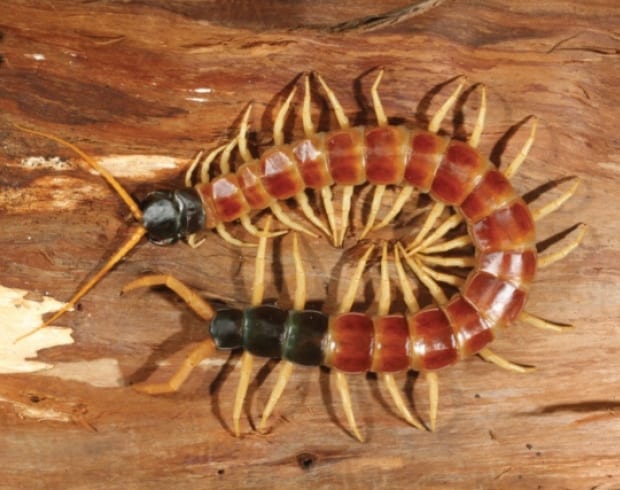
 © Kronmüller C, Lewis JGE (2015) / CC BY 4.0
Giant Desert Centipede
The Giant Desert Centipede is one of the largest centipede species native to North America, typically reaching around 17 cm in length, with wild specimens known to grow as large as 20 cm. Its striking appearance—a reddish head paired with a glossy greenish-black body, often called the "Texas redhead" pattern—makes it a favorite among large centipede enthusiasts. This species tends to be skittish and defensive, capable of moving quickly and biting when threatened, so direct handling should always be avoided. Its venom is notably potent, meaning careful, informed handling is essential. Growth is slow, and individuals can live for over a decade, making this a long-term commitment best suited to experienced keepers.
View Giant Desert Centipede encyclopedia →0% commission on your first sales!Register by September 30, 2026 and your first 2 sales are commission-free!
Breeder Wanted!
List on BreederDirect and sell directly to customers nationwide!
5 Transparency Standards You Can Trust
When listing Exotic Invertebrates, Breeders disclose the following. We guarantee transparency on growth stage and breeding unit.
- Real Photos
- Breeding Unit
- Generation Info
- Body Length (mm)
- Country of Origin
Browse all 249 breeds
Verified breeders wanted for Exotic Invertebrates
Breeders are signing up now ahead of launch. Subscribe to be notified when new listings go live.
Getting alerts is free with a member account. When new listings match your saved search, we'll notify you by email and in-app.
Browse other categories
Verified breeders (preview)
Are you raising exotic invertebrates?
Register as a breeder and connect with buyers directly.
Apply as a breederAbout Giant Desert Centipede
Known as one of North America's largest centipedes, the Giant Desert Centipede averages 17 cm and can reach 20 cm in the wild. With a reddish head and glossy greenish-black body, its potent venom makes it a species best suited to experienced keepers.
7 things to know before welcoming a Giant Desert Centipede
1Respect Its Potent Venom
This species is known for having one of the most potent venoms among North American centipedes, and a bite can cause significant pain and swelling. Direct handling should be avoided—use feeding tongs or tools designed for safe care instead.
2A Dry Desert Setup
True to its name, this species prefers arid conditions, and excess humidity can lead to mold or health problems. Keep the substrate on the dry side overall, with just a small moist pocket under one hide for balance.
3Deep Substrate for Burrowing
In the wild, this centipede spends much of its time burrowed underground, so providing substrate two to three times its body length in depth helps it settle in. A sandy soil mix that holds burrows well works best.
4Escape-Proof Housing Is a Must
This species is strong and will exploit any gap in the lid to escape, so a securely locking, gap-free enclosure is essential. It can also climb well, so smooth interior walls add an extra layer of security.
5Skittish, Defensive Temperament
Despite its intimidating appearance, this centipede is sensitive to vibration and noise, and startling it can trigger a defensive or aggressive reaction. Keeping the enclosure in a quiet spot away from sudden shocks or bright light helps it stay calm.
6Feeding Basics
Feed primarily insects such as crickets, offered with feeding tongs rather than by hand. Remove any uneaten prey promptly to keep the substrate clean and support good health.
7Slow Growth, Long Lifespan
This species grows slowly and takes time to reach adult size, but individuals are known to live for over a decade. Since this is a long-term commitment, make sure your enclosure and care routine are ready before bringing one home.
Frequently asked questions about Giant Desert Centipede
- Q.Can a beginner keep this species?
- A.This is generally considered an advanced-keeper species and isn't recommended for beginners. Because of its potent venom and the specialized handling knowledge required, it's best approached after gaining experience with other invertebrates first.
- Q.How dangerous is a bite from this centipede?
- A.Its venom is quite potent, and bites are known to cause significant pain and swelling. Reactions can vary by individual, so it's important to avoid handling and take care never to be bitten.
- Q.How big does it get?
- A.Adults typically reach 17 to 20 cm in length. It's considered one of the largest centipede species in North America, and that impressive size is part of its appeal.
- Q.How long does it live?
- A.It's known to live over 10 years, making it long-lived compared to many other centipedes. Because growth is also slow, keeping one requires a long-term care plan.
- Q.Can multiple individuals be housed together?
- A.This species is highly territorial and prone to cannibalism, so solitary housing is strongly recommended. If keeping more than one, always provide completely separate enclosures.
Learn more about Giant Desert Centipede in the encyclopedia
View Giant Desert Centipede encyclopedia entry →
Care difficulty, lifespan, size and diet — all basics covered.
More in this category
Can't find the one you're looking for?
Post your wishes for free and breeders with matching animals will contact you with introductions.