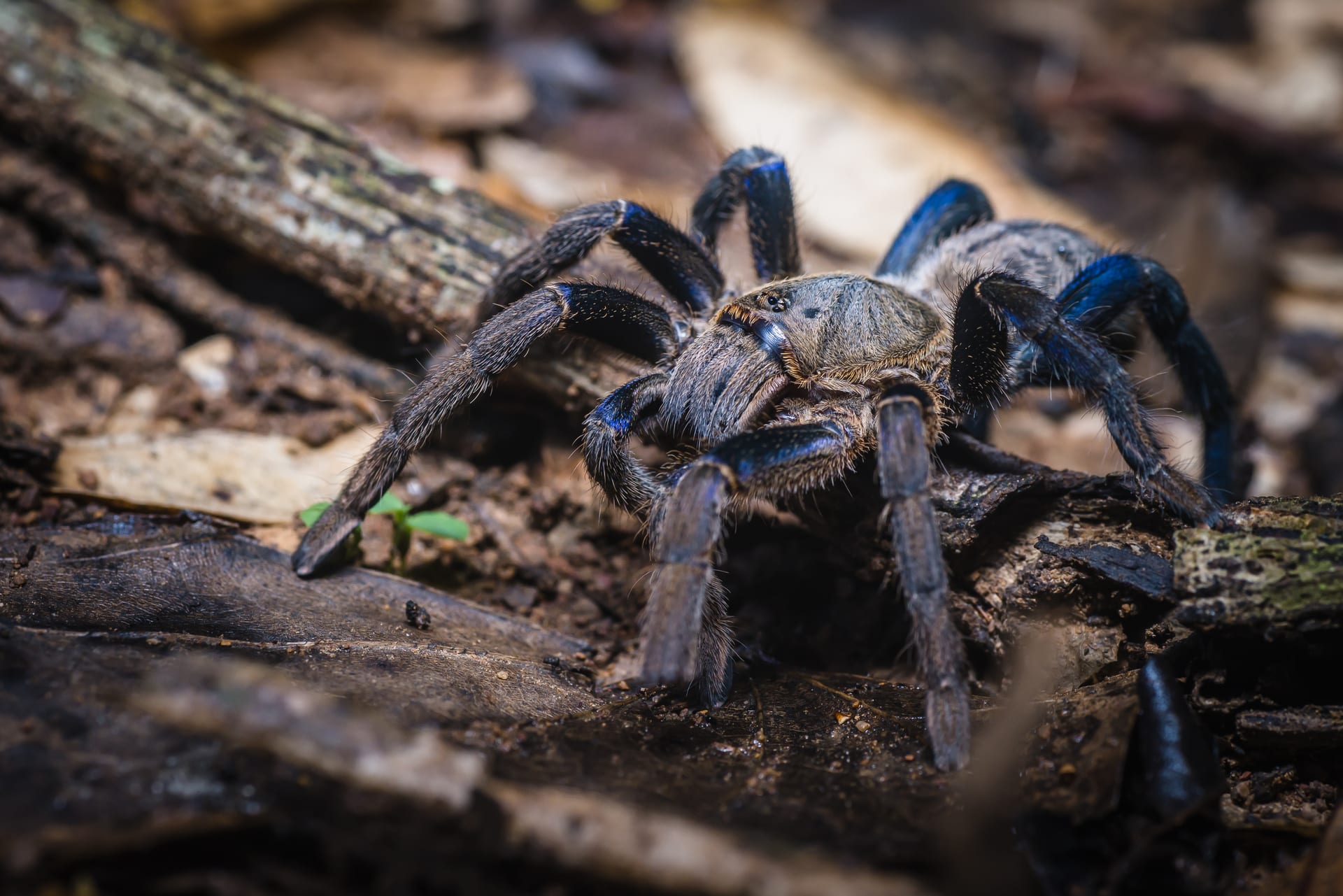
 © Rushenb / CC BY-SA 4.0
Cobalt Blue Tarantula
The Cobalt Blue tarantula is a fossorial species native to Southeast Asia, prized for the striking metallic blue sheen on its legs. It spends most of its time deep within the burrows it digs, so sightings are a rare treat rather than a daily occurrence. Known for a bold, defensive temperament, it reacts quickly to disturbance with threat displays or bites, and its bite delivers venom considered medically significant. Fast-moving and not suited to handling, this is a species best kept by experienced keepers who enjoy quiet observation over hands-on interaction.
View Cobalt Blue Tarantula encyclopedia →0% commission on your first sales!Register by September 30, 2026 and your first 2 sales are commission-free!
Breeder Wanted!
List on BreederDirect and sell directly to customers nationwide!
5 Transparency Standards You Can Trust
When listing Exotic Invertebrates, Breeders disclose the following. We guarantee transparency on growth stage and breeding unit.
- Real Photos
- Breeding Unit
- Generation Info
- Body Length (mm)
- Country of Origin
Browse all 249 breeds
Verified breeders wanted for Exotic Invertebrates
Breeders are signing up now ahead of launch. Subscribe to be notified when new listings go live.
Getting alerts is free with a member account. When new listings match your saved search, we'll notify you by email and in-app.
Browse other categories
Verified breeders (preview)
Are you raising exotic invertebrates?
Register as a breeder and connect with buyers directly.
Apply as a breederAbout Cobalt Blue Tarantula
A guide to the Cobalt Blue tarantula, a Southeast Asian burrowing species known for its metallic blue legs, defensive temperament, and advanced-keeper care requirements.
7 things to know before welcoming a Cobalt Blue Tarantula
1A Deep-Burrowing Species
In the wild and in captivity alike, this species digs a deep vertical burrow to retreat into. Without substrate deep enough to tunnel through, it can struggle to settle in and may become stressed.
2A Strongly Defensive Temperament
This tarantula is quick to react when startled, often rearing up in a threat posture or biting rather than fleeing. It isn't suited to handling — plan on an observation-focused style of keeping instead.
3Its Bite Requires Caution
Its venom is considered medically significant, and bites are known to produce comparatively strong symptoms. Use tongs or forceps during tank maintenance rather than handling it with bare hands.
4Sightings Are Infrequent
It spends most of its time inside its burrow and rarely appears during the day. Rather than frequent viewing, this species suits keepers who enjoy the occasional glimpse.
5A Deep Enclosure Setup
Since it digs vertically, the enclosure needs a deep layer of substrate. Balance moisture and ventilation carefully so the burrow holds its shape.
6Be Ready for Fast Movement
When startled, it can move remarkably fast, so open the enclosure carefully during feeding or cleaning. Check that the lid locks securely to prevent escapes.
7Lifespan Differs by Sex
Females typically live around 15 to 18 years, while males live only about 5 to 6 years. Choosing a female is common for keepers who want a longer-term companion.
Frequently asked questions about Cobalt Blue Tarantula
- Q.Can beginners keep this species?
- A.This species is generally considered suitable for experienced keepers due to its bold temperament and potent venom. It's best to gain experience with other tarantulas first.
- Q.Can it be handled?
- A.Its strongly defensive nature makes it unsuitable for handling. This is a species best enjoyed through observation rather than direct contact.
- Q.Why does it stay hidden so often?
- A.As a burrowing species, it spends most daylight hours deep inside its tunnel. It may come into view at night or during feeding.
- Q.What happens if it bites?
- A.Because its venom is considered medically significant, a bite may cause stronger symptoms than those from many other tarantulas. Always use tools such as tongs rather than bare hands when handling tank contents.
- Q.Is this species subject to CITES?
- A.This species is not subject to CITES.
Learn more about Cobalt Blue Tarantula in the encyclopedia
View Cobalt Blue Tarantula encyclopedia entry →
Care difficulty, lifespan, size and diet — all basics covered.
More in this category
Can't find the one you're looking for?
Post your wishes for free and breeders with matching animals will contact you with introductions.