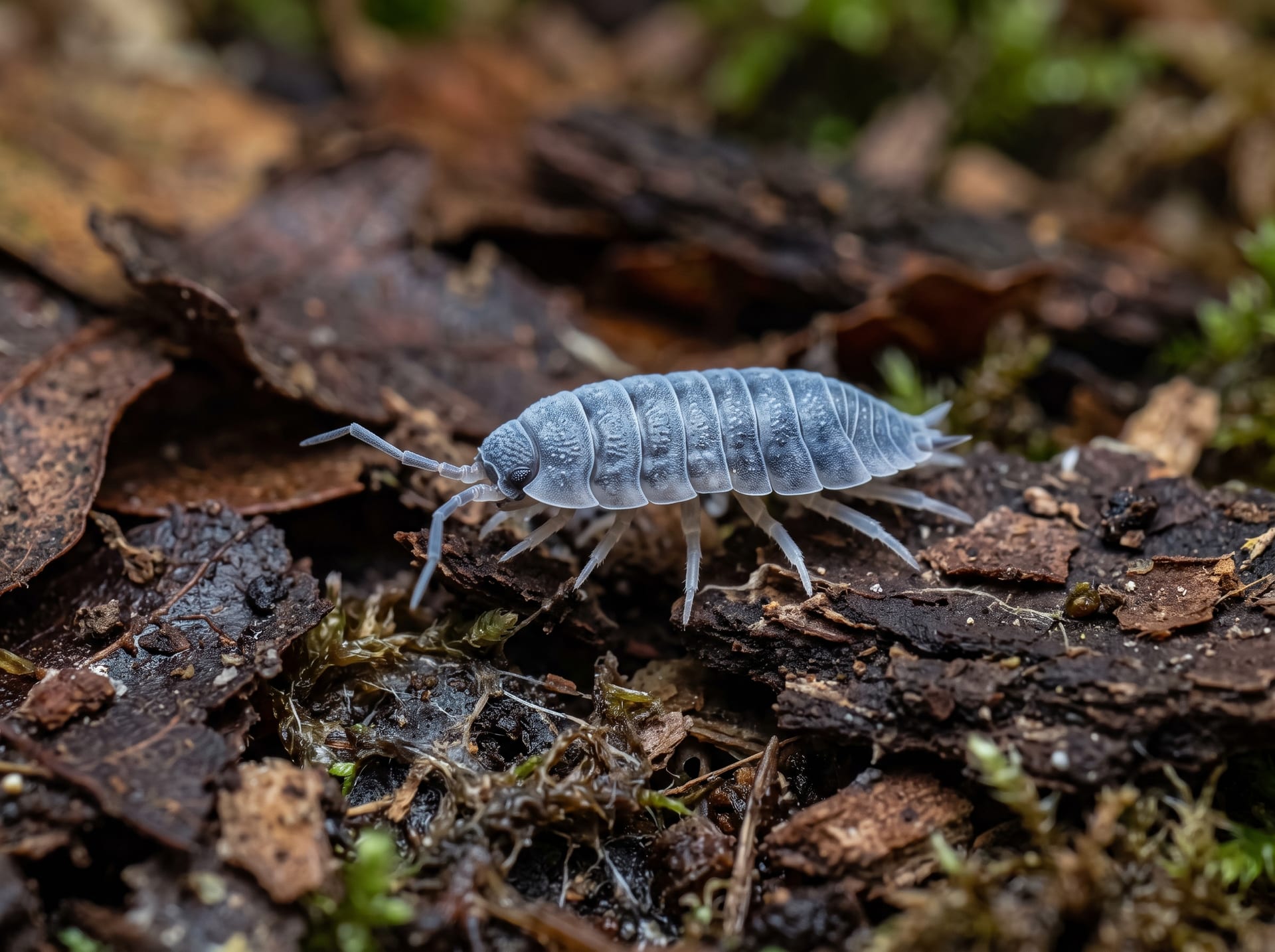
Powder Blue Isopod
Powder Blue Isopods are small isopods known for their striking, dusty blue-gray body color that looks almost powdered. They're quick, active movers and are popular as a cleanup crew in bioactive setups. Their breeding rate is impressively high, so a well-set-up colony will multiply steadily, making them a rewarding starter species for anyone curious about isopod breeding. They have no bite and no venom, with a calm and harmless temperament. Despite their small size, watching a group move around together is genuinely enjoyable, and beginners can start keeping them with confidence.
View Powder Blue Isopod encyclopedia →0% commission on your first sales!Register by September 30, 2026 and your first 2 sales are commission-free!
Breeder Wanted!
List on BreederDirect and sell directly to customers nationwide!
5 Transparency Standards You Can Trust
When listing Exotic Invertebrates, Breeders disclose the following. We guarantee transparency on growth stage and breeding unit.
- Real Photos
- Breeding Unit
- Generation Info
- Body Length (mm)
- Country of Origin
Browse all 249 breeds
Verified breeders wanted for Exotic Invertebrates
Breeders are signing up now ahead of launch. Subscribe to be notified when new listings go live.
Getting alerts is free with a member account. When new listings match your saved search, we'll notify you by email and in-app.
Browse other categories
Verified breeders (preview)
Are you raising exotic invertebrates?
Register as a breeder and connect with buyers directly.
Apply as a breederPowder Blue Isopod key facts
- Care level
- Beginner-friendly
- Lifespan
- About 1-1.5 years
- Size
- About 0.8-1 cm
- Temperature
- 20〜27℃
- Humidity
- 60〜80%
- Diet
- Mainly leaf litter and wood, supplemented with vegetable scraps, protein, and calcium.
- Habitat
- A ventilated tub with leaf litter, wood, and hides.
- Temp & Humidity
- Keep 20-27C with one moist side for a gradient.
- Feeding
- Leaf litter plus supplemental protein and calcium.
- Notes
- Fast-moving and highly prolific; harmless with no venom or bite.
About Powder Blue Isopod
Powder Blue Isopods are small, striking blue-gray isopods known for their speed and high breeding rate, making them a popular beginner species and reliable cleanup crew. They have no bite and no venom, so they're safe to keep.
7 things to know before welcoming a Powder Blue Isopod
1Suitable Enclosure & Substrate
A small to medium ventilated plastic or glass enclosure works well. Line it with a thick layer of moisture-retentive substrate like coconut fiber or leaf litter, and add bark or dried leaves as hiding spots to help them settle in.
2Temperature & Humidity
They do fine at typical room temperatures of around 20–28°C, so no special heating equipment is usually needed. They dislike dryness, though, so mist the substrate whenever the surface starts to dry out to keep humidity stable.
3Diet & Feeding
They're omnivores that eat fallen leaves, decaying wood, softened vegetables, and occasional protein sources. Leaf litter alone can sustain them for a long time, but adding dried fish flakes or vegetable scraps now and then helps keep the colony healthy.
4Breeding Rate & Planning
Given good conditions, their numbers can climb surprisingly fast, and it's common to suddenly have far more individuals than expected. It's worth planning ahead, such as splitting them into a second enclosure, before the population gets too dense.
5Active, Fast-Moving Nature
Compared to many common isopods, they move quickly and are often seen actively roaming the substrate surface and enclosure walls. They startle and hide quickly at noise or light but show no aggression, living calmly in groups.
6No Bite, No Venom
Their bite force is negligible and poses no real risk to people, and they carry no venom. That makes them a relatively safe choice even in households with small children.
7What to Prepare Before Arrival
Before bringing them home, prepare an enclosure, moisture-retentive substrate, hiding spots, and a spray bottle. After arrival, give them a settling-in period and adjust feeding and misting frequency based on how they respond.
Frequently asked questions about Powder Blue Isopod
- Q.Should I keep them alone or in a group?
- A.Powder Blue Isopods are naturally social and do best kept in groups rather than alone. Housing a few to a dozen or so together makes it easier to observe their natural, settled behavior.
- Q.Can I house them with other animals?
- A.They're commonly added as cleanup crew to enclosures with reptiles or other invertebrates, but avoid pairing them with anything that might prey on them. Check compatibility first and start with a small trial group.
- Q.What should I do if they overpopulate?
- A.Thanks to their strong breeding rate, populations grow naturally once conditions are right. If numbers get too high, splitting them into another enclosure or sharing extras with other keepers helps avoid overcrowding.
- Q.Do they need special heating or humidity gear?
- A.Indoors, no special heating equipment is generally needed. They are sensitive to dryness, though, so regular misting to maintain substrate humidity is essential.
- Q.What do they look like and how do they move?
- A.As their name suggests, they have a distinctive powdery blue-gray body color, and they move faster and more actively than many other isopod species, often seen roaming across the substrate and walls.
Learn more about Powder Blue Isopod in the encyclopedia
View Powder Blue Isopod encyclopedia entry →
Care difficulty, lifespan, size and diet — all basics covered.
More in this category
Can't find the one you're looking for?
Post your wishes for free and breeders with matching animals will contact you with introductions.