 © Individuo Núcleo / CC BY-SA 4.0
Nicklesi Isopod
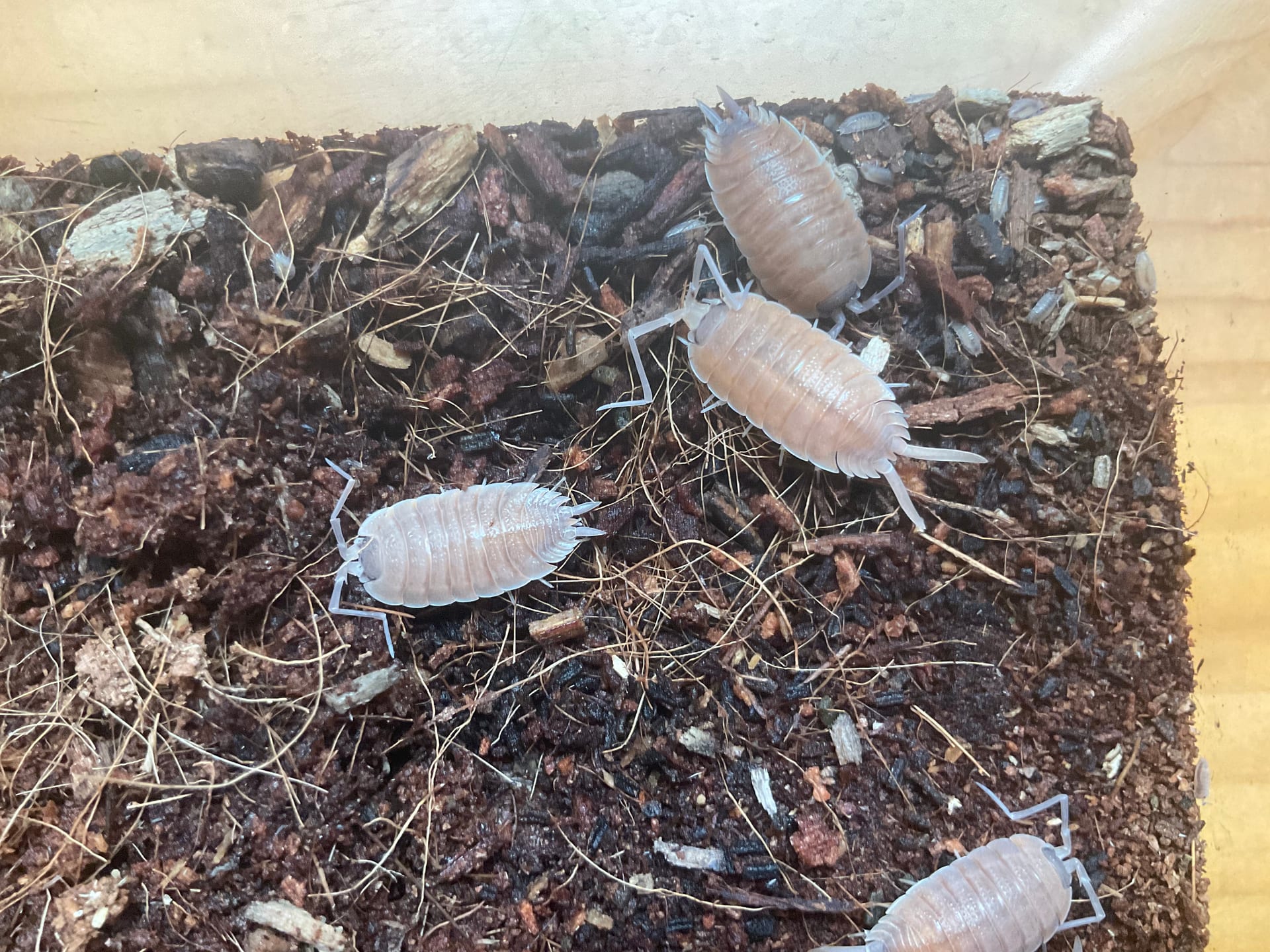
The Nicklesi Isopod is a compact woodlouse species native to Spain. Its body measures about 2cm, but including its long uropods (tail appendages), the total length reaches roughly 3cm, giving it a sleek, elongated look. Unlike many isopods that stay hidden, this species is active and often visible during the day, making it easy to watch a colony move and interact. It thrives in a drier setup with good airflow and doesn't tolerate high humidity well, so ventilation is an important part of its care. With its lively behavior on display, it's a rewarding pick for keepers with some isopod experience.
View Nicklesi Isopod encyclopedia →0% commission on your first sales!Register by September 30, 2026 and your first 2 sales are commission-free!
Breeder Wanted!
List on BreederDirect and sell directly to customers nationwide!
5 Transparency Standards You Can Trust
When listing Exotic Invertebrates, Breeders disclose the following. We guarantee transparency on growth stage and breeding unit.
- Real Photos
- Breeding Unit
- Generation Info
- Body Length (mm)
- Country of Origin
Browse all 249 breeds
Verified breeders wanted for Exotic Invertebrates
Breeders are signing up now ahead of launch. Subscribe to be notified when new listings go live.
Getting alerts is free with a member account. When new listings match your saved search, we'll notify you by email and in-app.
Browse other categories
Verified breeders (preview)
Are you raising exotic invertebrates?
Register as a breeder and connect with buyers directly.
Apply as a breederAbout Nicklesi Isopod
A compact Spanish woodlouse reaching about 3cm with its long uropods. Active and easy to observe, it needs a drier, well-ventilated setup — a good pick for intermediate keepers.
7 things to know before welcoming a Nicklesi Isopod
1A compact build
Adults reach about 2cm in body length, or roughly 3cm including their long tail appendages (uropods). This small size makes them manageable to house even in a compact setup.
2Often visible and active
Unlike many isopods that stay tucked away, this species is active and often visible even during the day. Watching the colony move together is one of the main pleasures of keeping them.
3Needs a drier environment
This species dislikes high humidity and can struggle in the damp conditions many tropical isopods prefer. Keep the enclosure on the drier side and avoid over-misting.
4Ventilation is key
Good airflow is just as important as low humidity. Enclosures with ample mesh ventilation suit this species better than sealed, tightly closed containers.
5Suited to intermediate keepers
Because it requires careful balancing of dryness and airflow, this species is generally considered suited to intermediate keepers. Prior experience with isopods will help you dial in the setup.
6The appeal of colony keeping
Thanks to its active nature, keeping several individuals together lets you enjoy the full effect of a moving colony. Watching them roam the enclosure together offers a different appeal than keeping just one.
7Setup to prepare beforehand
Before bringing them home, prepare a well-ventilated enclosure and substrate that can stay on the drier side. It's also worth planning to house them separately from isopod species that prefer damp conditions.
Frequently asked questions about Nicklesi Isopod
- Q.Is the Nicklesi Isopod suitable for beginners?
- A.According to reference data, this species is generally considered suited to intermediate keepers. Because it requires balancing a drier environment with good ventilation, some prior isopod-keeping experience makes management easier.
- Q.How big does the Nicklesi Isopod get?
- A.Adults reach a body length of about 2cm, or roughly 3cm including their long tail appendages (uropods). It's a compact size compared to many other invertebrates kept as pets.
- Q.Can it be kept in a humid enclosure?
- A.No, this species dislikes high humidity, so a damp setup should be avoided. Keep the enclosure on the drier side with good airflow.
- Q.Can it be housed with other isopod species?
- A.Since this species prefers drier conditions, housing it with species that need high humidity can stress both. It's generally best to keep it in its own dedicated enclosure.
- Q.Is it visible during the day, or does it stay hidden?
- A.Yes, this species is active and tends to show itself more often than many isopods that stay hidden. Watching the colony move around is one of the appealing parts of keeping them.
Learn more about Nicklesi Isopod in the encyclopedia
View Nicklesi Isopod encyclopedia entry →
Care difficulty, lifespan, size and diet — all basics covered.
More in this category
Can't find the one you're looking for?
Post your wishes for free and breeders with matching animals will contact you with introductions.