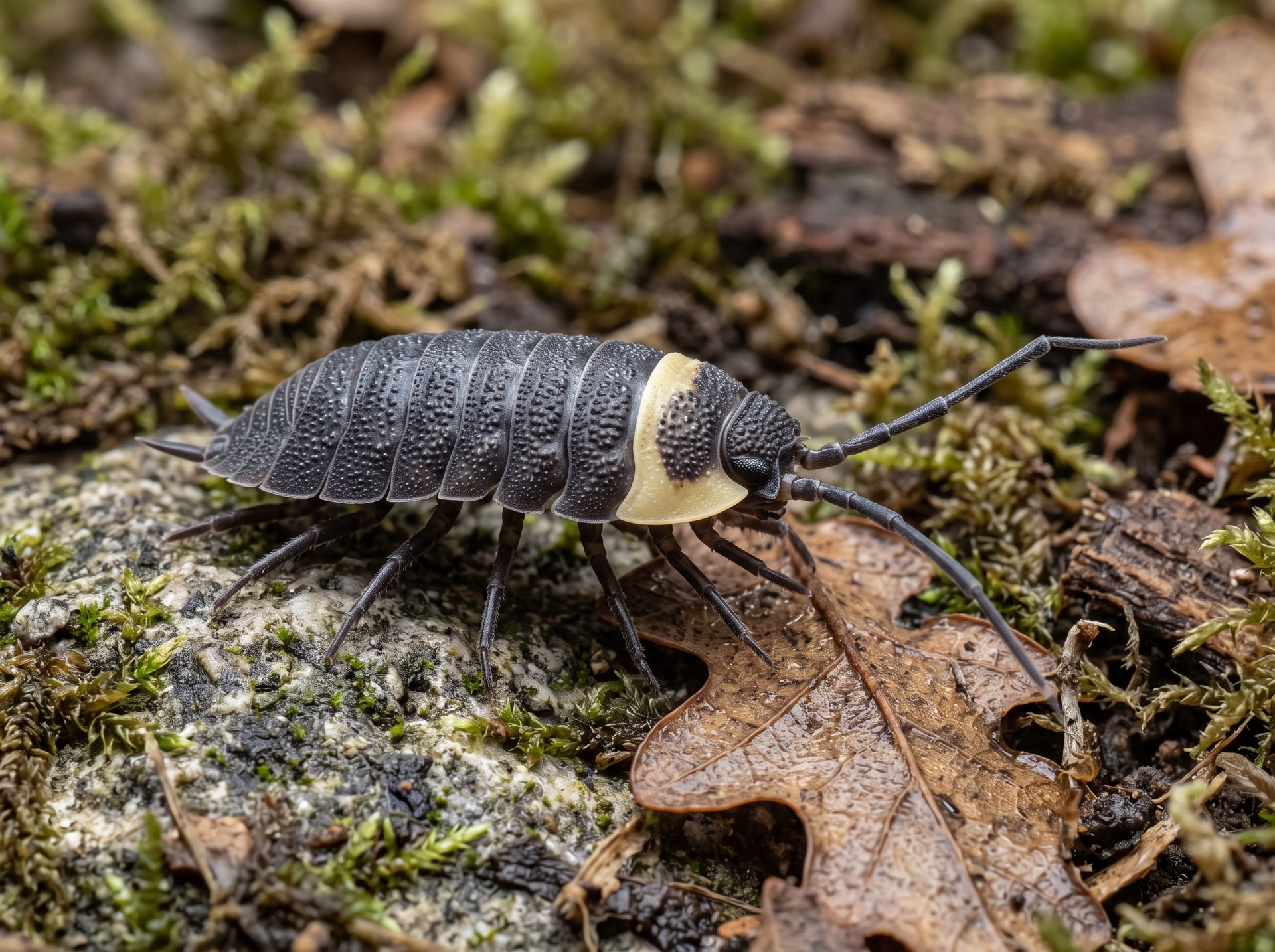
Succinctus Isopod
The Succinctus Isopod is a broad-bodied, large isopod native to the limestone regions of southern Spain. Its body reaches about 2.8cm, but with its long antennae and uropods included, its striking overall presence extends past 5cm. Unlike many isopods, it prefers a combination of low humidity and good airflow, and its brood sizes tend to be small. It also grows sensitive to environmental changes during its summer breeding season, making it a species best suited to experienced keepers who can give it steady, attentive care.
View Succinctus Isopod encyclopedia →0% commission on your first sales!Register by September 30, 2026 and your first 2 sales are commission-free!
Breeder Wanted!
List on BreederDirect and sell directly to customers nationwide!
5 Transparency Standards You Can Trust
When listing Exotic Invertebrates, Breeders disclose the following. We guarantee transparency on growth stage and breeding unit.
- Real Photos
- Breeding Unit
- Generation Info
- Body Length (mm)
- Country of Origin
Browse all 286 breeds
Verified breeders wanted for Exotic Invertebrates
Breeders are signing up now ahead of launch. Subscribe to be notified when new listings go live.
Getting alerts is free with a member account. When new listings match your saved search, we'll notify you by email and in-app.
Browse other categories
Verified breeders (preview)
Are you raising exotic invertebrates?
Register as a breeder and connect with buyers directly.
Apply as a breederSuccinctus Isopod key facts
- Care level
- Advanced
- Lifespan
- 3-4 years
- Size
- About 28mm body length (over 50mm including antennae and uropods)
- Temperature
- 22〜28℃
- Humidity
- 45〜55%
- Diet
- Leaf litter and rotten wood as staples, with vegetables, fruit, moss, lichen, protein about twice a week and permanent cuttlebone or lime.
- Temperature & Humidity
- 22-28C and 45-55% humidity. Moisten only one corner and avoid high humidity and summer heat.
- Enclosure
- A well-ventilated container with lime-rich substrate, limestone hides and bark or cork.
- Diet & Feeding
- Keep leaf litter and rotten wood available; add vegetables, fruit, lichen and protein about twice a week, with cuttlebone always present.
- Temperament & Venom
- Harmless and secretive. Active day and night but seldom seen until established. Keep in groups.
- Notes
- Few young per year; do not change conditions during the summer breeding season. Prone to loss from wet or hot conditions, so suited to advanced keepers.
About Succinctus Isopod
A large isopod from Spain requiring low humidity and airflow. Suited to experienced keepers, with a 2.8cm body plus striking antennae and uropods.
7 things to know before welcoming a Succinctus Isopod
1Needs both low humidity and airflow
Unlike many isopods that thrive in high humidity, this species needs both low humidity and good ventilation. Keepers must strike a careful balance, avoiding stuffy conditions without letting the enclosure dry out completely.
2Limestone-based setups suit it best
In the wild, this species lives among the limestone regions of southern Spain. Substrates and hides incorporating calcium-rich materials tend to more closely mimic its native habitat, helping it settle in.
3Small brood sizes
This species tends to produce fewer offspring per brood compared to other isopods. Keepers should expect population growth to be slow and take a patient approach to building up numbers.
4Avoid disturbances during summer breeding
Summer is this species' breeding season, during which it tends to dislike changes in temperature, humidity, or enclosure layout. It's best to avoid major rearranging or deep cleaning once breeding season begins.
5Striking large size
At around 2.8cm in body length, this is a large isopod, and with its long antennae and uropods included it extends past 5cm. Its broad body also gives it a commanding presence unlike many other isopod species.
6Understand this is for experienced keepers
Because of its unusual humidity/airflow requirements and sensitivity to change, this species is considered suited to experienced keepers. It's best to master the basics of isopod care with an easier species before taking one on.
7Prepare the enclosure before bringing one home
It's important to set up an enclosure, ventilation, and substrate that balance low humidity with airflow before the isopods arrive. Trial and error with the environment after bringing them home can stress the animals.
Frequently asked questions about Succinctus Isopod
- Q.Can a first-time isopod keeper try this species?
- A.This species is considered suited to experienced keepers. Because it requires the unusual combination of low humidity and good airflow, it's best to first build up experience with an easier species before taking one on.
- Q.Can I use the same humidity setup as other isopods?
- A.No. While many isopods prefer high humidity, this species needs both low humidity and airflow. Keeping it in a high-humidity setup like other species can lead to problems.
- Q.Is it easy to breed?
- A.Breeding is not especially easy, since brood sizes are small and the isopods tend to dislike environmental changes during their summer breeding season. It's advisable to avoid major layout changes or deep cleaning during that period.
- Q.How large does it grow?
- A.The body itself reaches about 2.8cm in length. Including its long antennae and uropods, its overall size extends past 5cm, and its broad body gives it a more striking look than many other isopods.
- Q.Is this species subject to any regulations?
- A.This species is not subject to CITES.
Learn more about Succinctus Isopod in the encyclopedia
View Succinctus Isopod encyclopedia entry →
Care difficulty, lifespan, size and diet — all basics covered.
More in this category
Can't find the one you're looking for?
Post your wishes for free and breeders with matching animals will contact you with introductions.