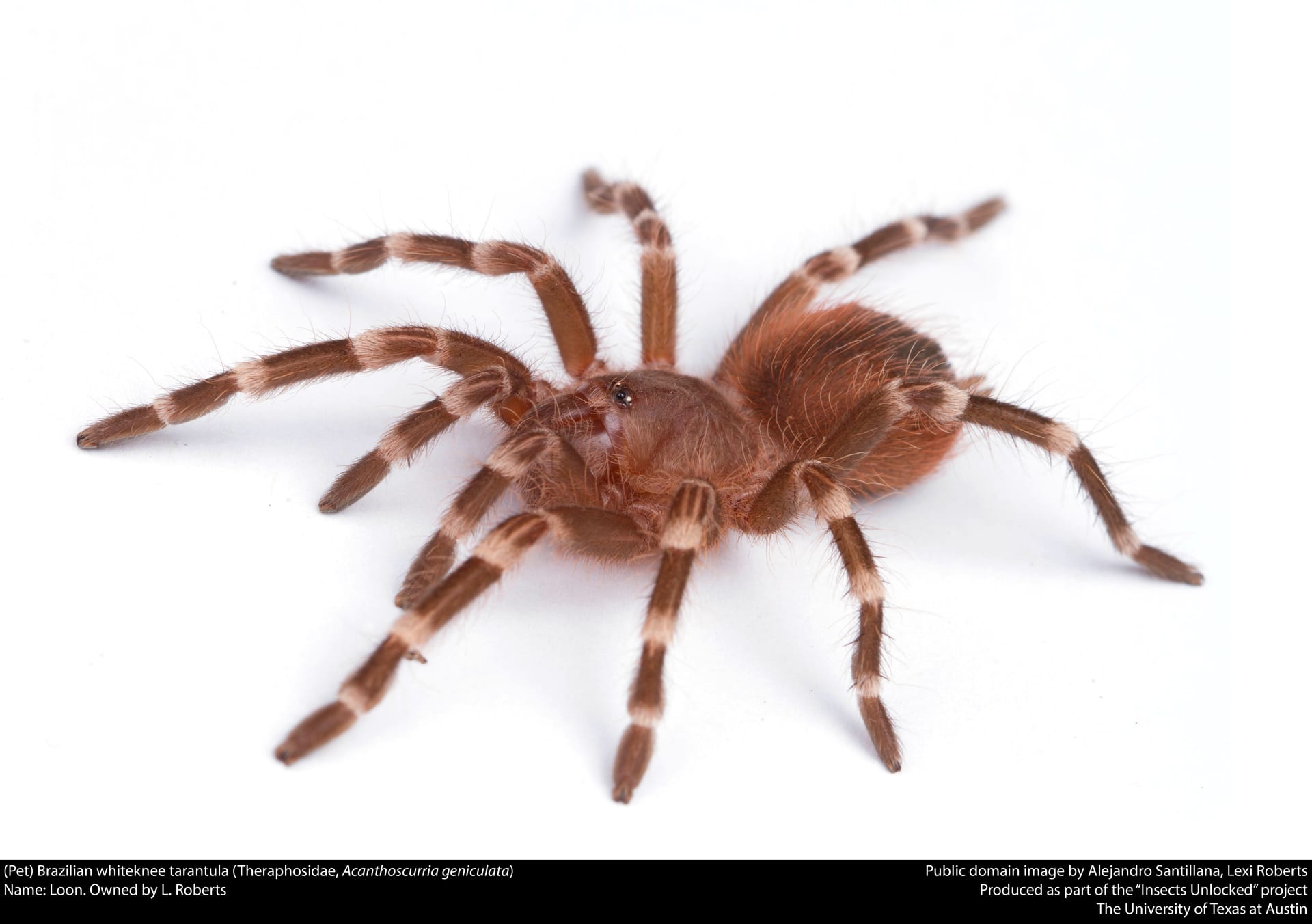
 © Insects Unlocked / CC0
Brazilian Whiteknee
The Brazilian Whiteknee is a large, ground-dwelling tarantula whose dark brown-to-black body is set off by bright white bands at the leg joints. Fast-growing and hardy, it's widely regarded as a beginner-friendly entry point into tarantula keeping. Unlike many tarantulas that stay hidden until night, this species tends to roam its enclosure during the day, making it especially rewarding to watch. Temperaments vary, but many individuals are described as relatively calm, though like other large species they can still show a dramatic defensive posture when startled. Females are reported to live as long as around 20 years, making this a long-term companion for keepers who commit to the hobby.
View Brazilian Whiteknee encyclopedia →0% commission on your first sales!Register by September 30, 2026 and your first 2 sales are commission-free!
Breeder Wanted!
List on BreederDirect and sell directly to customers nationwide!
5 Transparency Standards You Can Trust
When listing Exotic Invertebrates, Breeders disclose the following. We guarantee transparency on growth stage and breeding unit.
- Real Photos
- Breeding Unit
- Generation Info
- Body Length (mm)
- Country of Origin
Browse all 249 breeds
Verified breeders wanted for Exotic Invertebrates
Breeders are signing up now ahead of launch. Subscribe to be notified when new listings go live.
Getting alerts is free with a member account. When new listings match your saved search, we'll notify you by email and in-app.
Browse other categories
Verified breeders (preview)
Are you raising exotic invertebrates?
Register as a breeder and connect with buyers directly.
Apply as a breederBrazilian Whiteknee key facts
- Care level
- Beginner-friendly
- Lifespan
- Females up to about 20 years, males about 4 years
- Size
- Leg span up to 21cm, body about 9cm
- Temperature
- 20〜24℃
- Humidity
- 70〜75%
- Diet
- Large live insects such as crickets and roaches
- Temperature & Humidity
- Aim for 20-24 C and 70-75 percent humidity. Keep the lower substrate moist and let the top dry between waterings to prevent mould.
- Enclosure
- As a large species it needs a wide horizontal enclosure filled half to two thirds with substrate, plus a cork bark hide and a water dish.
- Diet & Feeding
- The feeding response is very strong. Feed adults large crickets or roaches every two to three weeks, spacing out feedings while the abdomen is plump.
- Temperament & Venom
- It readily kicks urticating hairs when startled. The venom is not medically significant, but its size means a bite can cause physical tissue damage.
- Notes
- Growth is fast, sometimes approaching a 10cm leg span within a year. Withhold food after a moult until the exoskeleton has hardened.
About Brazilian Whiteknee
A large ground-dwelling tarantula with striking white leg bands. Hardy and active by day, making it a popular beginner species.
7 things to know before welcoming a Brazilian Whiteknee
1Needs a Spacious Enclosure
Adults can reach a legspan of up to 21cm and a body length of around 9cm. Since this is a ground-dwelling species, prioritize floor space over height, and provide diggable substrate along with a hide.
2Grows Quickly
This species grows relatively fast for a tarantula and is known for being hardy, which is part of why it's considered manageable for beginners. Each molt is also a good opportunity to reassess the enclosure layout.
3Active During the Day
While many tarantulas are largely nocturnal, this species is often visible moving around its enclosure during daylight hours, making it a good choice for keepers who enjoy watching their animal.
4Large Lifespan Gap Between Sexes
Females can live as long as around 20 years, while males typically live only around 4 years after maturing. If you want a long-term companion, a female is worth considering.
5Avoid Disturbing Around Molting
Before molting, it's common for activity and appetite to drop. When you notice signs of an upcoming molt, avoid handling or disturbing the animal and keep its environment calm.
6Temperature and Humidity Management
As with most tarantulas, maintaining appropriate temperature and humidity is fundamental to keeping this species healthy. Avoid extremes of dryness or excess moisture, and check the substrate condition regularly.
7Research Before Bringing One Home
Since this is a large species, it helps to picture the adult size and required enclosure space before committing. Also confirm in advance how you'll source feeder insects and how often care tasks will be needed.
Frequently asked questions about Brazilian Whiteknee
- Q.Can beginners keep this species?
- A.Yes, its hardiness and fast growth make it a commonly recommended entry point for new tarantula keepers. That said, since it grows large, it's worth understanding the adult enclosure size and care needs in advance.
- Q.Is its temperament aggressive?
- A.Many individuals are described as relatively calm, though temperament varies. As a large tarantula, it may still display a defensive posture when startled, so care should be taken when handling.
- Q.What's the difference between males and females?
- A.The main difference is lifespan. Females can live up to around 20 years, while males typically live only around 4 years after reaching maturity. Keepers looking for a long-term pet tend to choose females.
- Q.Can I observe it during the day?
- A.Yes. Unlike many tarantulas that are mostly active at night, this species is often seen moving around its enclosure during the day, making it well suited for keepers who enjoy watching their animal.
- Q.Is this species subject to any regulations?
- A.This species is not subject to CITES.
Learn more about Brazilian Whiteknee in the encyclopedia
View Brazilian Whiteknee encyclopedia entry →
Care difficulty, lifespan, size and diet — all basics covered.
More in this category
Can't find the one you're looking for?
Post your wishes for free and breeders with matching animals will contact you with introductions.