Brazilian Salmon Pink
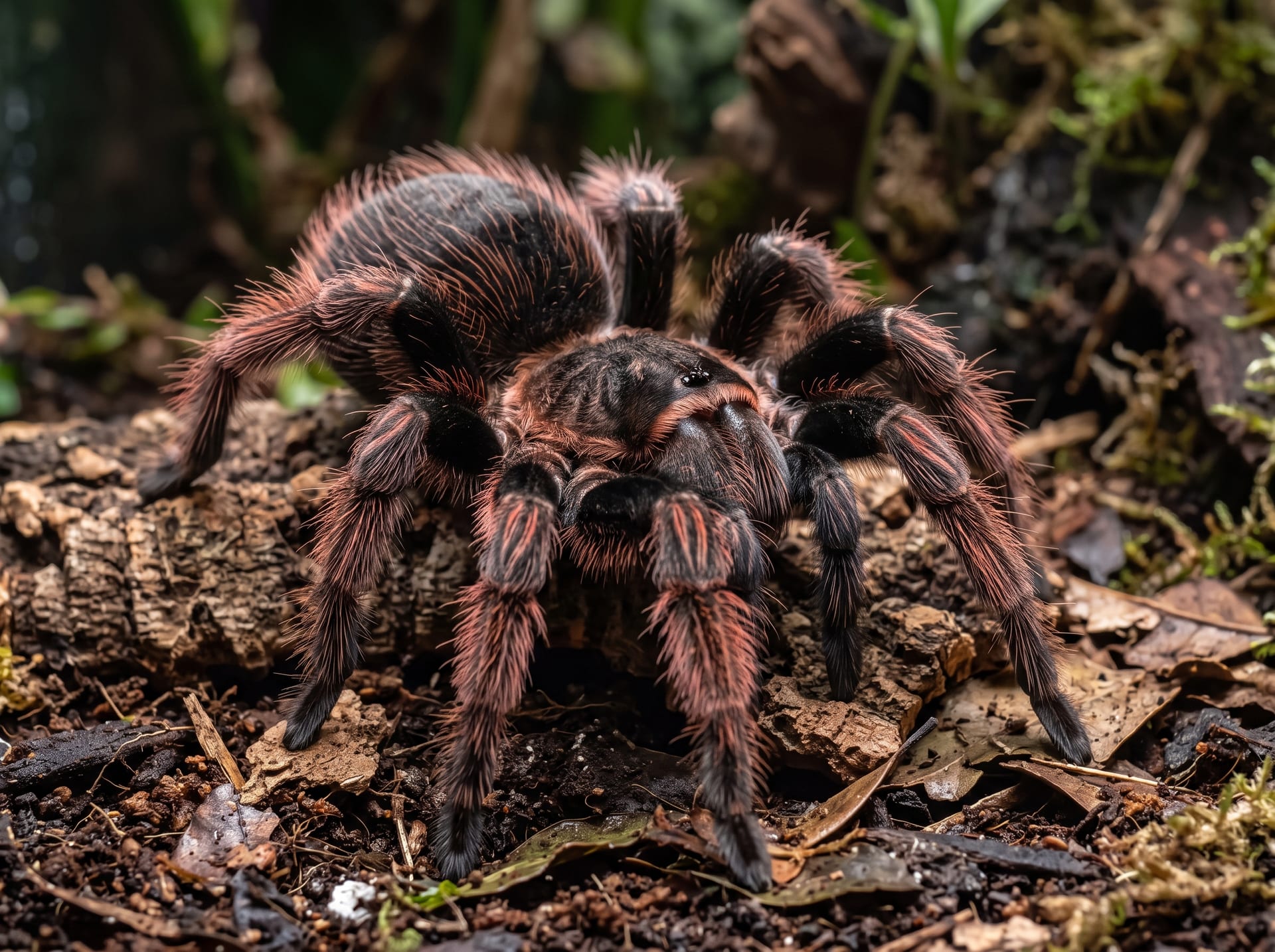
The Brazilian Salmon Pink tarantula is one of the largest terrestrial tarantula species in the world, prized for its striking look — a jet-black body dusted with salmon-pink hairs. It's a fast grower with a hearty appetite, making feeding time genuinely fun to watch, though it tends to be a bit skittish and will flick urticating hairs when startled. This species is considered intermediate-level, so some prior tarantula experience helps. Adults reach an impressive 20-25cm in leg span, and lifespan varies dramatically by sex: females can live 15-20 years, while males typically live just 3-5 years.
View Brazilian Salmon Pink encyclopedia →0% commission on your first sales!Register by September 30, 2026 and your first 2 sales are commission-free!
Breeder Wanted!
List on BreederDirect and sell directly to customers nationwide!
5 Transparency Standards You Can Trust
When listing Exotic Invertebrates, Breeders disclose the following. We guarantee transparency on growth stage and breeding unit.
- Real Photos
- Breeding Unit
- Generation Info
- Body Length (mm)
- Country of Origin
Browse all 249 breeds
Verified breeders wanted for Exotic Invertebrates
Breeders are signing up now ahead of launch. Subscribe to be notified when new listings go live.
Getting alerts is free with a member account. When new listings match your saved search, we'll notify you by email and in-app.
Browse other categories
Verified breeders (preview)
Are you raising exotic invertebrates?
Register as a breeder and connect with buyers directly.
Apply as a breederBrazilian Salmon Pink key facts
- Care level
- Intermediate
- Lifespan
- Female 15-20 years / Male 3-5 years
- Size
- Leg span 20-25 cm
- Temperature
- 24〜28℃
- Humidity
- 65〜75%
- Diet
- Live insects such as crickets and roaches; large adults may occasionally take a pinky mouse.
- Habitat
- Large enclosure with deep substrate, a hide and water dish for this big species.
- Temp & Humidity
- 24-28°C, 65-75% humidity; keep substrate moderately moist.
- Feeding
- Very hungry and fast-growing; mind the rapid feeding response.
- Caution
- Kicks hairs readily; venom is mild but its size makes bites physically significant—avoid handling.
About Brazilian Salmon Pink
A guide to the Brazilian Salmon Pink tarantula, one of the world's largest terrestrial species. Covers temperament, care difficulty, lifespan, and size, plus FAQs before you bring one home.
7 things to know before welcoming a Brazilian Salmon Pink
1Handling Urticating Hairs
When threatened, this species flicks urticating hairs that can cause itching or irritation if they contact skin or mucous membranes. It's best to observe through the enclosure glass rather than handle it directly, and wearing a mask or eye protection during tank maintenance adds peace of mind.
2A Spacious Enclosure
As an adult, this species can reach 20-25cm in leg span, so it needs an enclosure with generous floor space. Since it's a terrestrial (ground-dwelling) species, prioritize width and depth over height when setting up the habitat.
3Better Suited to Experienced Keepers
This is a somewhat skittish species that can quickly rear up defensively or flick hairs when startled by noise or vibration. It's generally recommended for keepers who already have some tarantula experience rather than as a first species.
4Fast Growth and a Big Appetite
This species has a hearty appetite and grows quickly, so feeding size and frequency need to be adjusted as it matures. After eating, it often retreats into its burrow to digest, so it's best left undisturbed during that time.
5Lifespan Differs Sharply by Sex
Females can live an impressively long 15-20 years, while males typically live only 3-5 years. If you're planning for long-term care, it's worth factoring in this sex-based difference in lifespan.
6Managing Humidity and Substrate
As a terrestrial species, it needs a substrate that holds moderate humidity while still allowing good airflow. Both excessive dryness and excessive moisture can affect its health, so regular monitoring is important.
7Supporting It Through Molts
Before a molt, appetite often drops and movement slows down. During and right after a molt, the spider is extremely vulnerable, so it's best to avoid disturbing it and simply observe quietly.
Frequently asked questions about Brazilian Salmon Pink
- Q.Is this tarantula suitable for beginners?
- A.This species is generally considered intermediate-level rather than beginner-friendly. Because of its tendency to flick urticating hairs and its somewhat skittish temperament, it's best approached after gaining experience with other tarantula species first.
- Q.Are the urticating hairs dangerous?
- A.Contact with the hairs can cause itching or irritation on skin, eyes, or mucous membranes. Serious health effects are uncommon, but it's best to avoid direct handling and stick to observing through the enclosure.
- Q.How big does it get?
- A.As an adult, it reaches about 20-25cm in leg span, making it one of the largest terrestrial tarantula species in the world. Since it grows quickly, it's a good idea to move up to a larger enclosure earlier rather than later.
- Q.Why do males and females have such different lifespans?
- A.Females can live 15-20 years, while males typically live only 3-5 years after reaching maturity. This pattern is common across tarantulas in general, where males' lifespans shorten significantly once they mature.
- Q.Is this species subject to CITES?
- A.The Brazilian Salmon Pink is not subject to CITES.
Learn more about Brazilian Salmon Pink in the encyclopedia
View Brazilian Salmon Pink encyclopedia entry →
Care difficulty, lifespan, size and diet — all basics covered.
More in this category
Can't find the one you're looking for?
Post your wishes for free and breeders with matching animals will contact you with introductions.