 © Thomas Brown / CC BY 2.0
Giant House Centipede
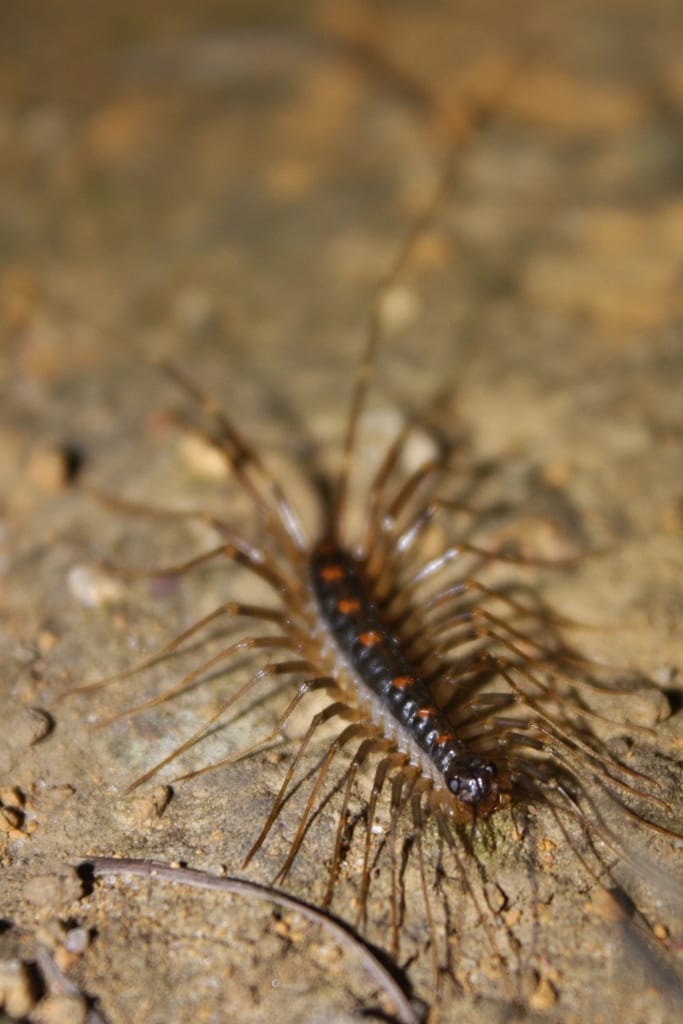
The Giant House Centipede is Japan's largest scutigeromorph, found in shaded spots across the Kanto region and areas further south. Its body measures just 4.5 to 6 cm, but with 15 pairs of long legs fully extended, it can span nearly 20 cm, a striking presence for such a compact animal. Quick and agile, it has long been valued as a natural predator of cockroaches and other household pests. Its venom is mild and its temperament shy, so it rarely shows any aggression on its own. This isn't a hands-on pet, but watching it dart from the shadows and move its legs with such precision has its own quiet appeal. Because its legs detach easily, careful handling matters, making it best suited to intermediate keepers.
View Giant House Centipede encyclopedia →0% commission on your first sales!Register by September 30, 2026 and your first 2 sales are commission-free!
Breeder Wanted!
List on BreederDirect and sell directly to customers nationwide!
5 Transparency Standards You Can Trust
When listing Exotic Invertebrates, Breeders disclose the following. We guarantee transparency on growth stage and breeding unit.
- Real Photos
- Breeding Unit
- Generation Info
- Body Length (mm)
- Country of Origin
Browse all 249 breeds
Verified breeders wanted for Exotic Invertebrates
Breeders are signing up now ahead of launch. Subscribe to be notified when new listings go live.
Getting alerts is free with a member account. When new listings match your saved search, we'll notify you by email and in-app.
Browse other categories
Verified breeders (preview)
Are you raising exotic invertebrates?
Register as a breeder and connect with buyers directly.
Apply as a breederGiant House Centipede key facts
- Care level
- Intermediate
- Lifespan
- 5-6 years
- Size
- 4.5-6cm (body)
- Temperature
- 15〜30℃
- Humidity
- 70%
- Diet
- Crickets, dubia and red runner roaches
- Temperature & Humidity
- 15-30 C, ideally around 25 C, with about 70% humidity. Keep leaf-litter substrate lightly moist, avoiding both drying and sogginess.
- Enclosure
- An enclosure taller than the body with upright cork or branches, essential because it hangs to moult. Secure the lid.
- Diet & Feeding
- Small to medium crickets, dubia or red runner roaches once or twice a week. It eats little and has a small mouth.
- Temperament & Venom
- Timid with weak venom. Bites only if restrained, but a bite causes pain and swelling.
- Notes
- Extremely fast and legs autotomise easily. Do not handle, and guard against escape during cleaning.
About Giant House Centipede
A guide to keeping the Giant House Centipede, Japan's largest scutigeromorph. Covers its striking near-20cm leg span, its role as a natural pest predator, and key care points for intermediate keepers.
7 things to know before welcoming a Giant House Centipede
1A Tall Enclosure Is Essential
Giant House Centipedes can span nearly 20 cm across and move actively in all directions. A cramped tank risks damaging their delicate legs against the walls, so choose an enclosure with plenty of vertical space.
2Legs Detach Easily
When startled, it may shed a leg to escape danger. Avoid grabbing it by the legs or startling it suddenly, and take a calm, hands-off approach instead.
3Best Enjoyed by Watching
Though its venom is mild and its temperament shy, its quick movements and fragile legs mean it isn't suited to frequent handling. The best way to enjoy one is simply watching it emerge from hiding.
4A Natural Pest Predator
It has long been recognized as a beneficial species that preys on cockroaches and similar household pests. In captivity, though, it should be given a dedicated feeder diet rather than left to forage.
5Prone to Escaping Through Gaps
With its slender body and many legs, it can slip through surprisingly narrow openings. Check that the lid and any ventilation are fine-meshed and can be secured firmly.
6A Five-to-Six-Year Commitment
Giant House Centipedes typically live around 5 to 6 years, so bringing one home means planning for long-term care. Before adopting, make sure you can provide consistent care for its full lifespan.
7Suited to Intermediate Keepers
This species is generally considered intermediate-level, requiring some know-how around environment management and careful, leg-safe handling. First-time myriapod keepers should research the basics beforehand.
Frequently asked questions about Giant House Centipede
- Q.Does the Giant House Centipede bite people?
- A.Its venom is mild and it has a shy temperament, so it rarely bites unprovoked. It may bite defensively if startled or handled roughly, so care is still needed.
- Q.Is it the same species as the house centipedes seen indoors?
- A.The Giant House Centipede is Japan's largest scutigeromorph, found in the Kanto region and areas further south. It's closely related to the common house centipede but notably larger.
- Q.How big does it get?
- A.Its body reaches about 4.5 to 6 cm in length, but with its 15 pairs of long legs extended, it can appear nearly 20 cm across. This spread should be factored in when choosing an enclosure.
- Q.What happens if a leg comes off?
- A.It has a natural ability to shed a leg and flee when startled or threatened. Avoid grabbing or pulling on its legs, and minimize stress to prevent this from happening unnecessarily.
- Q.What should I feed it?
- A.In the wild, it's known as a beneficial predator of cockroaches and similar insects. In captivity, it should be given an appropriate feeder diet on a regular schedule.
Learn more about Giant House Centipede in the encyclopedia
View Giant House Centipede encyclopedia entry →
Care difficulty, lifespan, size and diet — all basics covered.
More in this category
Can't find the one you're looking for?
Post your wishes for free and breeders with matching animals will contact you with introductions.