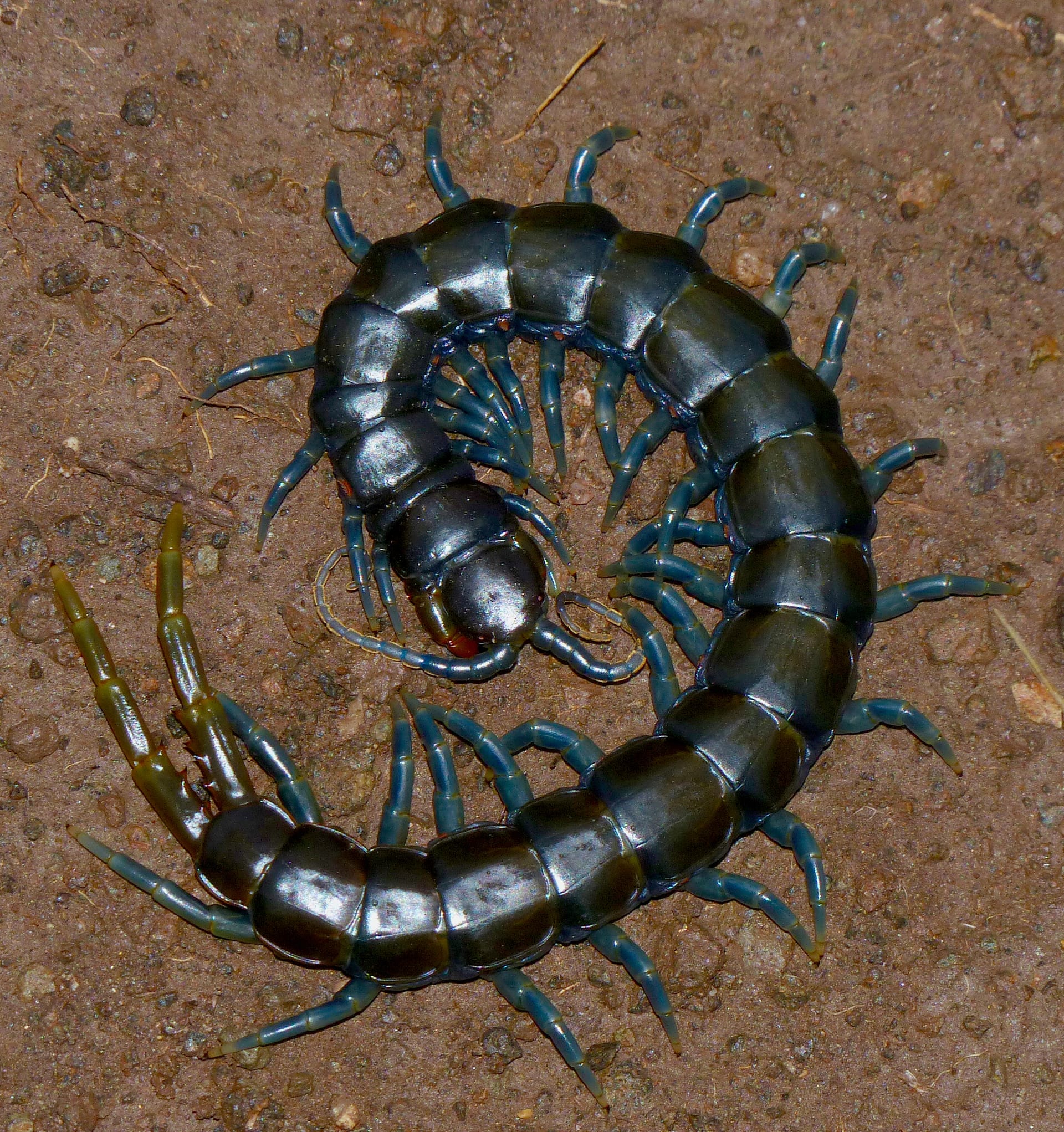
 © Bernard DUPONT / CC BY-SA 2.0
Tanzanian Blue Leg Centipede
The Tanzanian Blue Leg Centipede is a large species of the Scolopendrinae subfamily, native across a wide range of sub-Saharan Africa. It comes in several color forms distinguished by leg color — blue, yellow, and striped — with blue-legged individuals being the most commonly available. Known for a relatively calm temperament and hardy constitution, it's often considered a great entry point into keeping giant centipedes. Adults reach around 20cm (as a guideline), giving them an impressive presence balanced by their steady nature. Keeping this species is generally rated for intermediate keepers, so some prior knowledge is recommended before bringing one home.
View Tanzanian Blue Leg Centipede encyclopedia →0% commission on your first sales!Register by September 30, 2026 and your first 2 sales are commission-free!
Breeder Wanted!
List on BreederDirect and sell directly to customers nationwide!
5 Transparency Standards You Can Trust
When listing Exotic Invertebrates, Breeders disclose the following. We guarantee transparency on growth stage and breeding unit.
- Real Photos
- Breeding Unit
- Generation Info
- Body Length (mm)
- Country of Origin
Browse all 249 breeds
Verified breeders wanted for Exotic Invertebrates
Breeders are signing up now ahead of launch. Subscribe to be notified when new listings go live.
Getting alerts is free with a member account. When new listings match your saved search, we'll notify you by email and in-app.
Browse other categories
Verified breeders (preview)
Are you raising exotic invertebrates?
Register as a breeder and connect with buyers directly.
Apply as a breederTanzanian Blue Leg Centipede key facts
- Care level
- Intermediate
- Lifespan
- 7-9 years
- Size
- Around 20cm (approx.)
- Temperature
- 25℃
- Humidity
- 50%
- Diet
- Crickets, dubia roaches and other insects
- Temperature & Humidity
- Around 25 C with fairly high humidity (above 50%). Keep the substrate moist.
- Enclosure
- A lidded plastic enclosure with coco fibre, a hide and a shallow water dish.
- Diet & Feeding
- Crickets or dubia once or twice a week.
- Temperament & Venom
- Relatively calm for a giant centipede but venomous; do not handle bare-handed.
- Notes
- House singly. Sold under the same trade name as S. morsitans, so check the scientific name. Northern Nigerian stock matures within a year. Names sold by leg colour such as Kenyan blue leg, Tanzanian banded and Tanzanian yellow leg also cover this species. Its English name, Tanzanian blue ring centipede, is easily confused with the Tanzanian blue ringleg of Scolopendra morsitans.
About Tanzanian Blue Leg Centipede
A large centipede native to sub-Saharan Africa, known for its blue legs and calm temperament. A popular entry point into giant centipedes, reaching about 20cm as an adult; recommended for intermediate keepers.
7 things to know before welcoming a Tanzanian Blue Leg Centipede
1Suited for Intermediate Keepers
While considered fairly hardy and manageable among giant centipedes, this species is rated for intermediate keepers. It's best to have a grasp of centipede care basics — temperature and humidity control, escape prevention, and understanding bite risks — before bringing one home.
2Adults Reach About 20cm
As an adult, this species reaches around 20cm (as a guideline), so its enclosure needs a reasonable amount of space. If raising one from a juvenile, plan to upgrade the enclosure size as it grows.
3A Relatively Calm Temperament
Though considered relatively docile among giant centipedes, it remains a large carnivorous arthropod. Avoid direct handling and use tools like tongs or a feeder cup for enclosure maintenance.
4Multiple Leg-Color Forms Exist
Several color forms are known, distinguished by leg color — blue, yellow, and striped — with blue-legged individuals being the most commonly available. It's worth having a sense of which form appeals to you before bringing one home.
5Secure the Enclosure Firmly
Centipedes are surprisingly strong and can escape through small gaps. Choose an enclosure with a secure, tightly fitting lid, and make sure ventilation mesh is fine enough relative to the animal's size.
6Substrate and Hiding Spots
This species has a burrowing instinct, so provide a reasonably deep substrate layer along with a hide where it can settle in. Creating spots to retreat to helps reduce stress.
7Research Before You Bring One Home
Keeping a large centipede comes with its own set of considerations. Before bringing one home, it's reassuring to check with the seller or breeder about temperature and humidity management, feeding frequency, and basic maintenance practices.
Frequently asked questions about Tanzanian Blue Leg Centipede
- Q.Can beginners keep a Tanzanian Blue Leg Centipede?
- A.This species is generally rated for intermediate keepers. While relatively calm and hardy among giant centipedes, first-time centipede keepers should build up basic knowledge before bringing one home.
- Q.How large does it grow?
- A.As an adult, it's a large species reaching around 20cm (as a guideline). Since individual growth varies, it's reassuring to keep some extra room in the enclosure.
- Q.Are there color forms other than blue legs?
- A.Yes, multiple forms are known with different leg colors, including blue, yellow, and striped. That said, blue-legged individuals are the most commonly available.
- Q.Is its temperament aggressive?
- A.It's considered relatively docile among giant centipedes. That said, it's still a large carnivorous arthropod, and direct handling should be avoided.
- Q.Is this species subject to any regulations?
- A.The Tanzanian Blue Leg Centipede is not subject to CITES.
Learn more about Tanzanian Blue Leg Centipede in the encyclopedia
View Tanzanian Blue Leg Centipede encyclopedia entry →
Care difficulty, lifespan, size and diet — all basics covered.
More in this category
Can't find the one you're looking for?
Post your wishes for free and breeders with matching animals will contact you with introductions.