 © Sebastian Doak / CC BY 4.0
Bolivian Dwarf Beauty
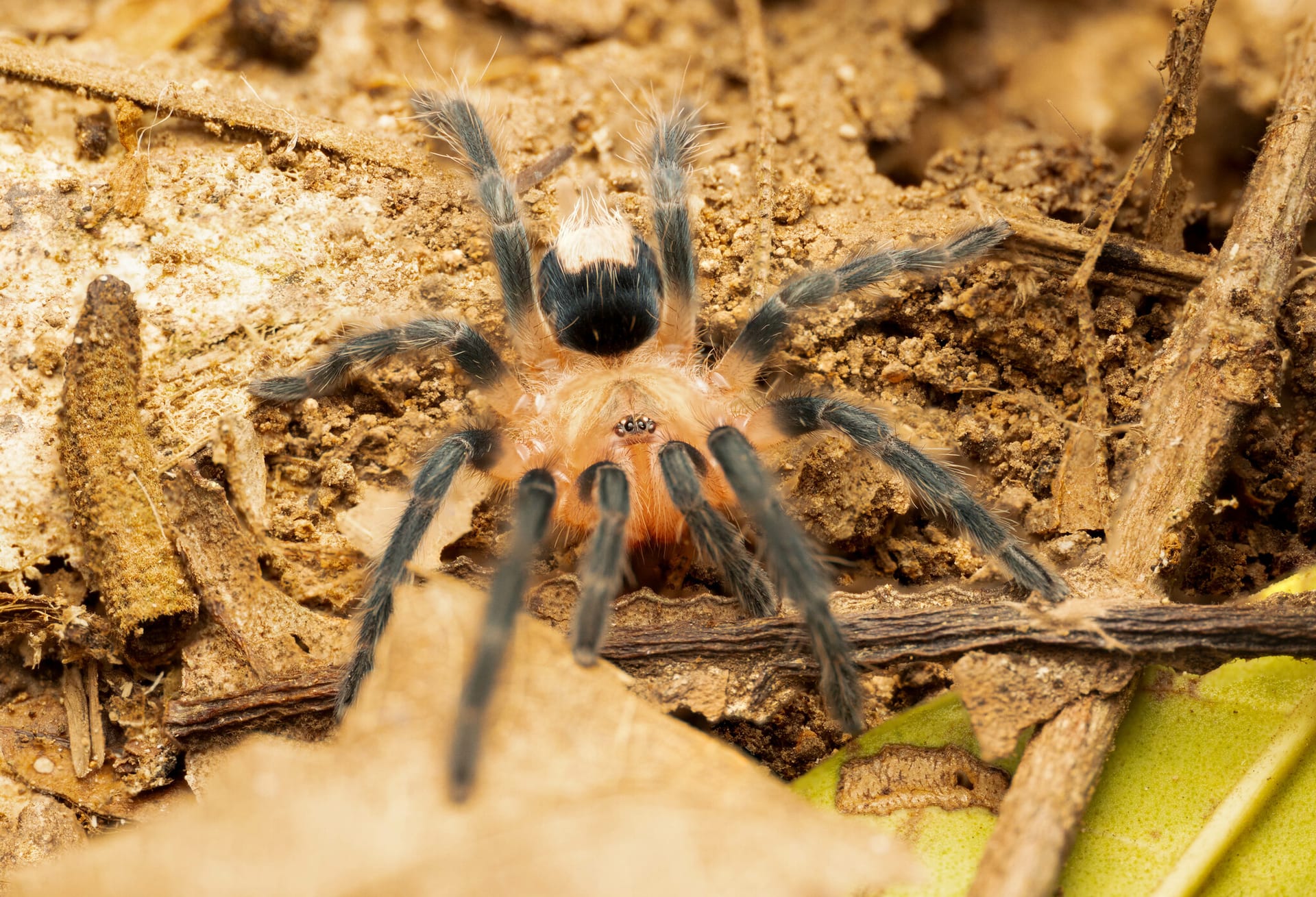
The Bolivian Dwarf Beauty is a small tarantula species native to Bolivia in South America. Its coppery carapace contrasts strikingly with a black abdomen marked by a heart-shaped patch of urticating hairs, and even full-grown adults stay compact at around 6 cm in leg span. It's a dedicated burrower that digs tunnels and often webs the entrance, so keepers can easily observe this natural behavior in captivity. Calm by nature and rarely displaying threat postures, it's considered an approachable choice for those new to keeping tarantulas.
View Bolivian Dwarf Beauty encyclopedia →Breeder Wanted!
List on BreederDirect and sell directly to customers nationwide!
BreederDirect's 5 Transparency Commitments
When listing Exotic Invertebrates, Breeders disclose the following. We guarantee transparency on growth stage and breeding unit.
- Real Photos
- Breeding Unit
- Generation Info
- Body Length (mm)
- Country of Origin
Browse all 286 breeds
Verified breeders wanted for Exotic Invertebrates
Breeders are signing up now ahead of launch. Subscribe to be notified when new listings go live.
Getting alerts is free with a member account. When new listings match your saved search, we'll notify you by email and in-app.
Browse other categories
Verified breeders (preview)
Are you raising exotic invertebrates?
Register as a breeder and connect with buyers directly.
Apply as a breederBolivian Dwarf Beauty key facts
- Care level
- Beginner-friendly
- Lifespan
- Females 7-15 years, males 2-6 years
- Size
- 5-6cm leg span (body about 2cm)
- Temperature
- 20〜24℃
- Humidity
- 70〜80%
- Diet
- Live insects such as small crickets and fruit flies
- Temperature & Humidity
- Keep around 20-24 C and roughly 70-80% humidity, with damp lower substrate, a drier surface and a permanent water dish. Maintain good ventilation.
- Enclosure
- Fossorial and a deep burrower, so give plenty of substrate despite its small size. Add a cork bark hide and leave the finished burrow alone.
- Diet & Feeding
- Offer small crickets and fruit flies. Its feeding response is strong and growth is rapid; pre-killed prey ensures spiderlings feed.
- Temperament & Venom
- A calm species that rarely kicks urticating hairs or threat-postures, preferring to dash into its burrow. The venom is considered mild.
- Notes
- It is small and vulnerable to falls, so avoid handling. Keep the enclosure low, secure the lid and check for gaps.
About Bolivian Dwarf Beauty
Meet the Bolivian Dwarf Beauty, a small Bolivian tarantula with a coppery carapace and a heart-shaped patch of urticating hairs. Calm-natured and known as an approachable pick for beginners.
7 things to know before welcoming a Bolivian Dwarf Beauty
1Burrowing & Substrate Depth
The Bolivian Dwarf Beauty is a dedicated burrower that digs deep tunnels and lines them with silk. Even though it's small, provide a generous layer of substrate so it has room to dig, and leave its burrow as it is.
2Handling Urticating Hairs
The heart-shaped patch on its abdomen is made of urticating hairs, which it flicks off with its hind legs when it feels threatened. Bare-hand contact or getting your face too close can cause skin irritation or eye discomfort, so it's best to use tongs or a container when rehousing.
3A Calm Temperament
This species is known for rarely displaying threat postures and is generally calm to be around. That said, it's still a wild animal, so avoid sudden movements or startling handling.
4Temperature & Humidity
Coming from tropical South America, it does best at around 20-24°C with humidity of about 70-80%. Keep the lower substrate layer damp and the surface dry, provide a water dish at all times, and make sure there is ventilation.
5Feeding Tips
Offer small live prey such as small crickets or fruit flies. This species responds strongly to food and grows quickly. Crushed prey helps ensure that juveniles actually eat. Remove uneaten food promptly to keep the enclosure clean.
6Watching for Molts
Loss of appetite and sluggish behavior signal an approaching molt. During and right after molting, the spider is extremely vulnerable, so pause feeding and handling and leave it undisturbed for a while.
7House Them Separately
Tarantulas are territorial and can be cannibalistic, so each one should be kept alone in its own enclosure. If you're bringing home more than one, prepare a separate setup for each.
Frequently asked questions about Bolivian Dwarf Beauty
- Q.Is it suitable for tarantula beginners?
- A.Yes, the Bolivian Dwarf Beauty is considered beginner-friendly thanks to its calm temperament and rarely showing threat postures. That said, it's still a wild animal, so basic care should always be given proper attention.
- Q.How big does it get?
- A.Even as an adult, it stays compact — around 5-6 cm in leg span with a body length of roughly 2 cm. It's a good fit if you're looking for a smaller tarantula.
- Q.How long does it live?
- A.Lifespan differs significantly by sex — females typically live 7-15 years, while males live around 2-6 years. If you're hoping for a long-term companion, a female is the better choice.
- Q.Do the urticating hairs affect humans?
- A.The urticating hairs on its abdomen are a defense mechanism and can cause skin itching on contact, or irritation if they get into the eyes. Avoid direct bare-hand contact and use tools like tongs when handling the enclosure.
- Q.Is it covered by CITES?
- A.The Bolivian Dwarf Beauty is not covered by CITES, so no procedures under that treaty are required when acquiring one.
Learn more about Bolivian Dwarf Beauty in the encyclopedia
View Bolivian Dwarf Beauty encyclopedia entry →
Care difficulty, lifespan, size and diet — all basics covered.
More in this category
Can't find the one you're looking for?
Post your wishes for free and breeders with matching animals will contact you with introductions.