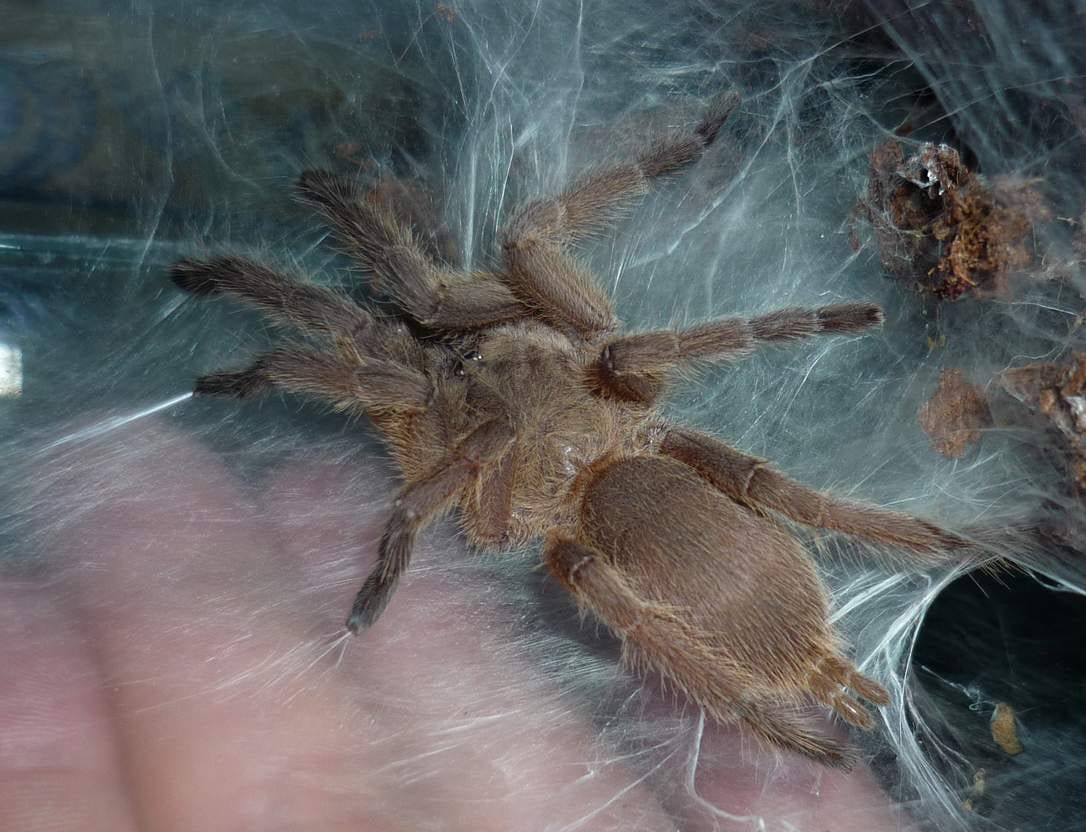
 © mistic / CC BY-SA 3.0
Asian Fawn Tarantula
The Asian Fawn Tarantula is a ground-dwelling species native to Thailand, recognized by its light brown coloration with a slightly paler carapace marked by darker striping. It is fast-moving and defensive by nature, and it's known for spinning extensive webbing that can cover an entire enclosure in a short time. Because it is considered a potent species requiring careful handling, it's best suited to keepers with prior tarantula experience. Females can live over a decade, making this a long-term commitment for those drawn to its striking appearance and active behavior.
View Asian Fawn Tarantula encyclopedia →0% commission on your first sales!Register by September 30, 2026 and your first 2 sales are commission-free!
Breeder Wanted!
List on BreederDirect and sell directly to customers nationwide!
5 Transparency Standards You Can Trust
When listing Exotic Invertebrates, Breeders disclose the following. We guarantee transparency on growth stage and breeding unit.
- Real Photos
- Breeding Unit
- Generation Info
- Body Length (mm)
- Country of Origin
Browse all 249 breeds
Verified breeders wanted for Exotic Invertebrates
Breeders are signing up now ahead of launch. Subscribe to be notified when new listings go live.
Getting alerts is free with a member account. When new listings match your saved search, we'll notify you by email and in-app.
Browse other categories
Verified breeders (preview)
Are you raising exotic invertebrates?
Register as a breeder and connect with buyers directly.
Apply as a breederAbout Asian Fawn Tarantula
The Asian Fawn Tarantula is a ground-dwelling species from Thailand known for its light brown coloring and heavy webbing, best suited to experienced keepers.
7 things to know before welcoming a Asian Fawn Tarantula
1Suited to Experienced Keepers
This species is fast-moving, defensive, and considered to have potent venom. It is not suited to handling and is not recommended as a first tarantula. Prior experience keeping other species is recommended before taking one on.
2Heavy Webbing Habits
This species spins extensive webbing and can cover its entire enclosure in silk within a short time. Planning your enclosure layout with this habit in mind makes ongoing observation and maintenance easier.
3Terrestrial Enclosure Setup
As a terrestrial species, it spends most of its time on the ground, so an enclosure with ample floor space suits it well. Providing a hide gives it a secure spot to retreat to.
4Grows Into a Sizable Spider
Females can reach a body length of up to 10 cm with a leg span of around 18 cm. Enclosure size should be adjusted as the spider grows.
5Large Lifespan Gap Between Sexes
Females typically live around 11 to 12 years, while males have a much shorter lifespan of 2 to 4 years. Those hoping for a long-term companion generally choose a female.
6Minimize Direct Contact
Given its defensive temperament and potent venom, routine care should be done with tools like tongs or a cup rather than bare hands. Sudden movements near the enclosure can startle the spider, so caution is advised.
7Prepare the Setup Before Arrival
Set up the enclosure, substrate, hide, and water dish before bringing your spider home. Since this species webs heavily, keeping the initial layout simple makes long-term upkeep easier.
Frequently asked questions about Asian Fawn Tarantula
- Q.Can beginners keep this species?
- A.This species is considered suited to experienced keepers. Because it is fast, defensive, and has potent venom, it's recommended to gain experience with other species first.
- Q.Can it be handled by hand?
- A.Handling is not recommended due to its defensive nature and potent venom. Routine care should be done using tools such as tongs rather than bare hands.
- Q.What's the difference between males and females?
- A.The main difference is lifespan: females live around 11 to 12 years, while males live only 2 to 4 years. Females are typically chosen for long-term keeping.
- Q.Will the enclosure get covered in webbing?
- A.Yes, this species spins extensive webbing and can cover the enclosure quickly. This is natural behavior, and keeping the layout simple makes it easier to manage.
- Q.Is this species subject to any regulations?
- A.This species is not listed under CITES.
Learn more about Asian Fawn Tarantula in the encyclopedia
View Asian Fawn Tarantula encyclopedia entry →
Care difficulty, lifespan, size and diet — all basics covered.
More in this category
Can't find the one you're looking for?
Post your wishes for free and breeders with matching animals will contact you with introductions.