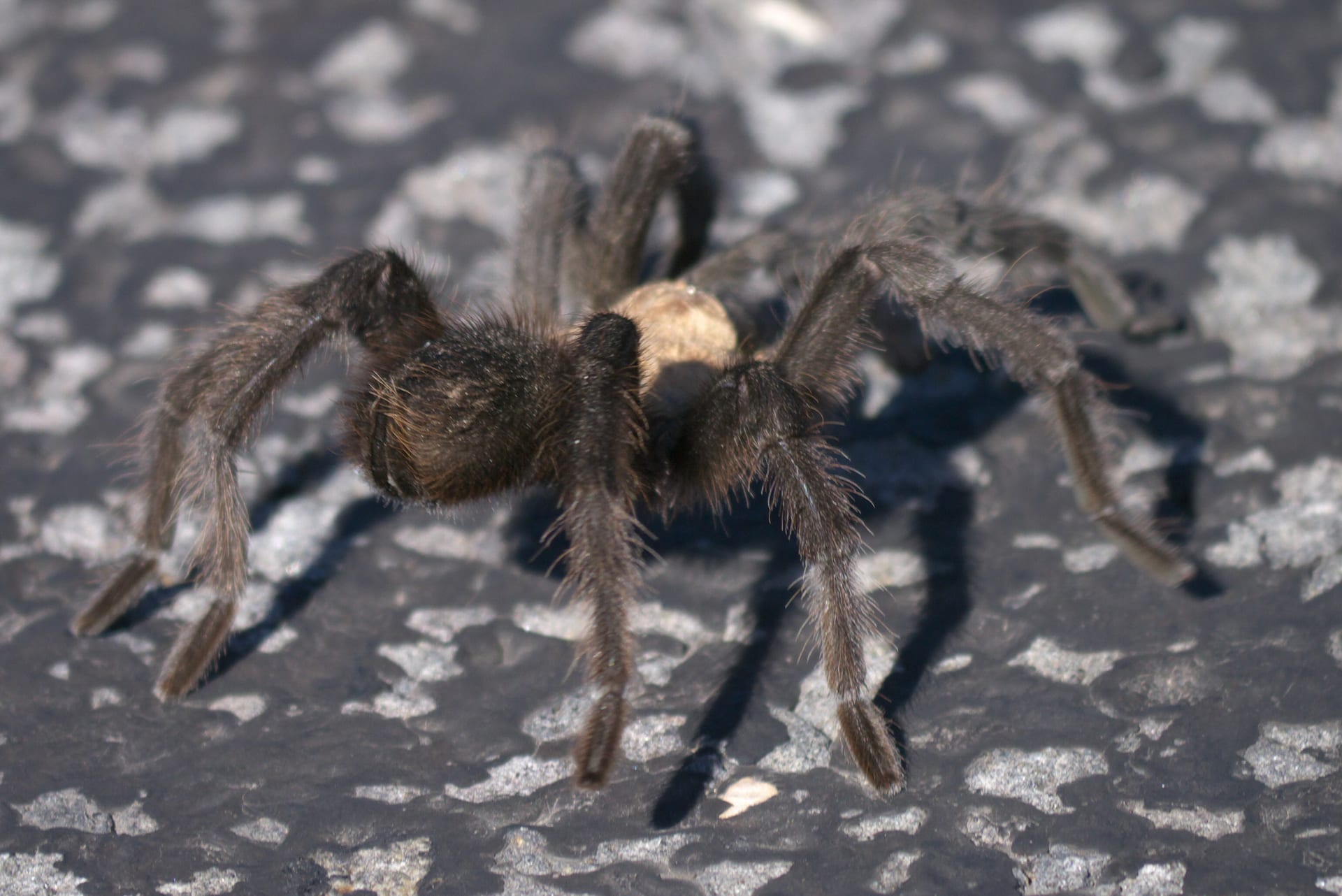
 © xpda / CC BY-SA 4.0
Texas Brown Tarantula
The Texas Brown Tarantula is a large, ground-dwelling species native to grasslands across the southern United States. Its body is a muted brown that turns noticeably richer right after a molt. In the wild it digs and shelters in burrows, and in captivity it's known for a calm, unflappable temperament that makes it easy to keep for keepers of all experience levels. Adults reach a leg span of about 10 to 12.5 cm, a substantial presence without demanding complex care. Females are famous for their longevity, often living 30 years or more, making this a true long-term companion species for anyone starting out with tarantulas.
View Texas Brown Tarantula encyclopedia →0% commission on your first sales!Register by September 30, 2026 and your first 2 sales are commission-free!
Breeder Wanted!
List on BreederDirect and sell directly to customers nationwide!
5 Transparency Standards You Can Trust
When listing Exotic Invertebrates, Breeders disclose the following. We guarantee transparency on growth stage and breeding unit.
- Real Photos
- Breeding Unit
- Generation Info
- Body Length (mm)
- Country of Origin
Browse all 249 breeds
Verified breeders wanted for Exotic Invertebrates
Breeders are signing up now ahead of launch. Subscribe to be notified when new listings go live.
Getting alerts is free with a member account. When new listings match your saved search, we'll notify you by email and in-app.
Browse other categories
Verified breeders (preview)
Are you raising exotic invertebrates?
Register as a breeder and connect with buyers directly.
Apply as a breederTexas Brown Tarantula key facts
- Care level
- Beginner-friendly
- Lifespan
- Females 30+ years; males about a year after maturing
- Size
- 10-12.5cm leg span
- Temperature
- 21〜25℃
- Humidity
- Diet
- Live insects such as crickets and roaches
- Temperature & Humidity
- Ordinary room temperature of 21-25 C works well. It prefers dry conditions: keep the substrate dry, dampening it only slightly with occasional misting or by overflowing the water dish.
- Enclosure
- A terrestrial burrower. Use a horizontal enclosure with deep substrate, a cork bark hide and a shallow water dish. Keep the enclosure low to avoid falls that can rupture the abdomen.
- Diet & Feeding
- Live insects such as crickets and roaches: adults every 3-4 weeks, spiderlings once or twice a week. Do not feed right after a moult until the mouthparts have hardened.
- Temperament & Venom
- One of the more tolerant species. When threatened it rears up and kicks urticating hairs from the abdomen; these irritate skin and eyes, so keep your face away.
- Notes
- Bites are not reported to cause serious harm, but the large fangs make the puncture painful and prone to secondary infection. Growth is slow and females take years to mature.
About Texas Brown Tarantula
A large, docile ground-dwelling tarantula native to the southern US. Beginner-friendly, with a 10-12.5cm leg span and females that can live 30+ years.
7 things to know before welcoming a Texas Brown Tarantula
1Keep the Enclosure Dry
This species comes from dry grassland habitat and doesn't tolerate excess humidity well. Keep the substrate on the dry side with a shallow water dish always available, and choose a well-ventilated enclosure to avoid damp conditions.
2A Natural Burrower
In the wild, this tarantula digs and lives in burrows. Providing deep enough substrate along with a hide or piece of driftwood gives it the security it needs to settle in comfortably.
3Calm, Easygoing Temperament
Texas Browns are known for a mild disposition, tending to retreat rather than display defensively when startled. That said, they're still wild animals, so handling should be kept minimal to avoid unnecessary stress.
4Colors Brighten After a Molt
The usual muted brown becomes noticeably richer right after shedding its exoskeleton. It's normal for appetite and activity to drop before and after a molt, so simply leave it undisturbed during this time.
5Females Live for Decades, Males Don't
Females can live 30 years or more, making this a genuine long-term commitment. Males, on the other hand, mature much faster and typically live only about a year after reaching maturity, which is worth knowing before choosing a sex.
6Feeding Is Infrequent
This species feeds on live insects such as crickets. Adults have a slow metabolism and don't need frequent meals, and any uneaten prey should be removed promptly to keep the enclosure clean.
7A Great Beginner Species
Thanks to its docile nature and hardiness, this tarantula is widely regarded as an excellent starter species. Even so, it is venomous like all tarantulas, so basic care should be taken to avoid bites when handling the enclosure.
Frequently asked questions about Texas Brown Tarantula
- Q.Can beginners keep a Texas Brown Tarantula?
- A.Yes, it's considered a beginner-friendly species thanks to its calm temperament and easy care requirements. As long as you keep the enclosure on the dry side and feed it regularly, it's a manageable first tarantula.
- Q.How big does this tarantula get?
- A.Adults reach a leg span of roughly 10 to 12.5 cm. That puts it among the larger tarantula species, with an impressive presence once fully grown.
- Q.What's the lifespan of a Texas Brown Tarantula?
- A.Females are known to live 30 years or more, making them one of the longer-lived tarantula species. Males, however, typically live only about a year after reaching maturity, so lifespan differs sharply by sex.
- Q.Is it aggressive, and should I worry about bites?
- A.Texas Browns are generally docile and tend to flee rather than act defensively when startled. Still, as a wild animal it should be handled carefully, and unnecessary handling is best avoided.
- Q.Are there any legal restrictions on keeping this species?
- A.The Texas Brown Tarantula is not listed under CITES.
Learn more about Texas Brown Tarantula in the encyclopedia
View Texas Brown Tarantula encyclopedia entry →
Care difficulty, lifespan, size and diet — all basics covered.
More in this category
Can't find the one you're looking for?
Post your wishes for free and breeders with matching animals will contact you with introductions.