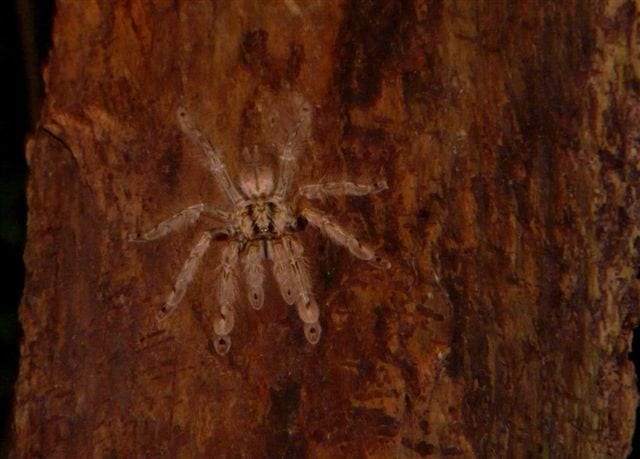
 © Simon Tonge / CC0 1.0
Feather Leg Baboon
The Feather Leg Baboon is a West African arboreal tarantula named for the long, orange hairs covering its legs, which fan out like feathers and give the species its striking, ornamental look. That beauty comes with a serious catch: this spider is highly defensive, quick to strike a threat posture, and carries potent venom, making it one of the most demanding tarantulas to keep. Fast-moving and easily startled, it demands careful, deliberate handling of its enclosure at every step. Feather Leg Baboons are best suited to experienced keepers who appreciate a visually stunning species that commands genuine respect.
View Feather Leg Baboon encyclopedia →0% commission on your first sales!Register by September 30, 2026 and your first 2 sales are commission-free!
Breeder Wanted!
List on BreederDirect and sell directly to customers nationwide!
5 Transparency Standards You Can Trust
When listing Exotic Invertebrates, Breeders disclose the following. We guarantee transparency on growth stage and breeding unit.
- Real Photos
- Breeding Unit
- Generation Info
- Body Length (mm)
- Country of Origin
Browse all 249 breeds
Verified breeders wanted for Exotic Invertebrates
Breeders are signing up now ahead of launch. Subscribe to be notified when new listings go live.
Getting alerts is free with a member account. When new listings match your saved search, we'll notify you by email and in-app.
Browse other categories
Verified breeders (preview)
Are you raising exotic invertebrates?
Register as a breeder and connect with buyers directly.
Apply as a breederFeather Leg Baboon key facts
- Care level
- Advanced
- Lifespan
- Females up to 15 years, males about 4 years
- Size
- Body 5.5-6cm (female), leg span about 15cm
- Temperature
- 22〜26℃
- Humidity
- 70〜80%
- Diet
- Live insects such as crickets and roaches
- Temperature & Humidity
- Aim for 22-26C and 70-80% humidity. Habitat temperatures are reported around 27-29C, and it must not be allowed to dry out.
- Enclosure
- Being arboreal it needs a tall vertical enclosure with upright cork bark as an anchor for its tube web.
- Diet & Feeding
- Offer active live prey such as crickets and roaches. Its feeding response is strong, and leftovers go out within a day.
- Temperament & Venom
- It has no urticating hairs and often stands its ground to threaten and bite rather than flee. Its venom is potent and it must never be handled.
- Notes
- It is extremely fast and defensive, so maintenance should use long tongs and be done in an enclosed space.
About Feather Leg Baboon
A West African arboreal tarantula whose legs are covered in feather-like orange hair. Highly defensive with potent venom, it's considered one of the most advanced species to keep.
7 things to know before welcoming a Feather Leg Baboon
1An Advanced-Level Species
Feather Leg Baboons are highly defensive, quick to strike a threat pose, and back it up with potent venom. Combined with their speed, this makes them a species suited to keepers who already have tarantula experience — not a first tarantula.
2Arboreal Enclosure Setup
Since this species lives above ground, its enclosure needs more vertical height than substrate depth, along with climbing branches or cork bark to perch on. It also spins webbing for shelter, so give it plenty of three-dimensional space to retreat into.
3Skittish, Defensive Temperament
This tarantula is sensitive to vibration and movement, often responding with a threat display or a fast retreat. It's not suited to hands-on handling — day-to-day care should be done with tongs or tools instead.
4Bites Require Real Caution
This species is considered highly venomous, and a bite can reportedly cause significant pain and swelling. If you notice any unusual symptoms after a bite, don't try to manage it yourself — seek medical attention promptly.
5Lifespan Differs by Sex
Females can live up to around 15 years, while males typically live only about 4 years. Keep this gap in mind when deciding which to bring home — it shapes how long a commitment you're taking on.
6Mid-Sized Even as an Adult
Adults reach a body length of about 5.5–6cm (females), with a leg span of roughly 15cm. That reach means it needs an enclosure roomy enough to match its presence.
7Prepare Before Bringing One Home
Given its defensive nature and potent venom, a secure enclosure with a lid that closes tightly is essential before the spider arrives, since escapes are a real risk. Have feeding tongs and a tool for safe restraint ready in advance as well.
Frequently asked questions about Feather Leg Baboon
- Q.Is this species suitable for beginners?
- A.The Feather Leg Baboon is highly defensive and carries potent venom, which places it among the more advanced tarantulas to keep. It isn't recommended as a first tarantula.
- Q.What happens if it bites you?
- A.This species is considered highly venomous, and a bite can reportedly cause significant pain and swelling. If symptoms persist or you're concerned, don't self-treat — consult a medical professional.
- Q.Can you handle it by hand?
- A.Given its defensive temperament and quick movements, this species isn't well suited to hands-on handling. Day-to-day care is typically done with tongs or other tools instead.
- Q.Does care differ between males and females?
- A.Care and temperament are largely similar between the sexes, but lifespan differs a lot — females live up to around 15 years, while males live only about 4 years. Many keepers choose females if they want a longer-term companion.
- Q.What kind of enclosure setup does it need?
- A.Because it's arboreal, it does best in an enclosure with more vertical height than substrate depth, furnished with climbing branches or cork bark. It also spins webbing for shelter, so include some three-dimensional space where it can retreat.
Learn more about Feather Leg Baboon in the encyclopedia
View Feather Leg Baboon encyclopedia entry →
Care difficulty, lifespan, size and diet — all basics covered.
More in this category
Can't find the one you're looking for?
Post your wishes for free and breeders with matching animals will contact you with introductions.