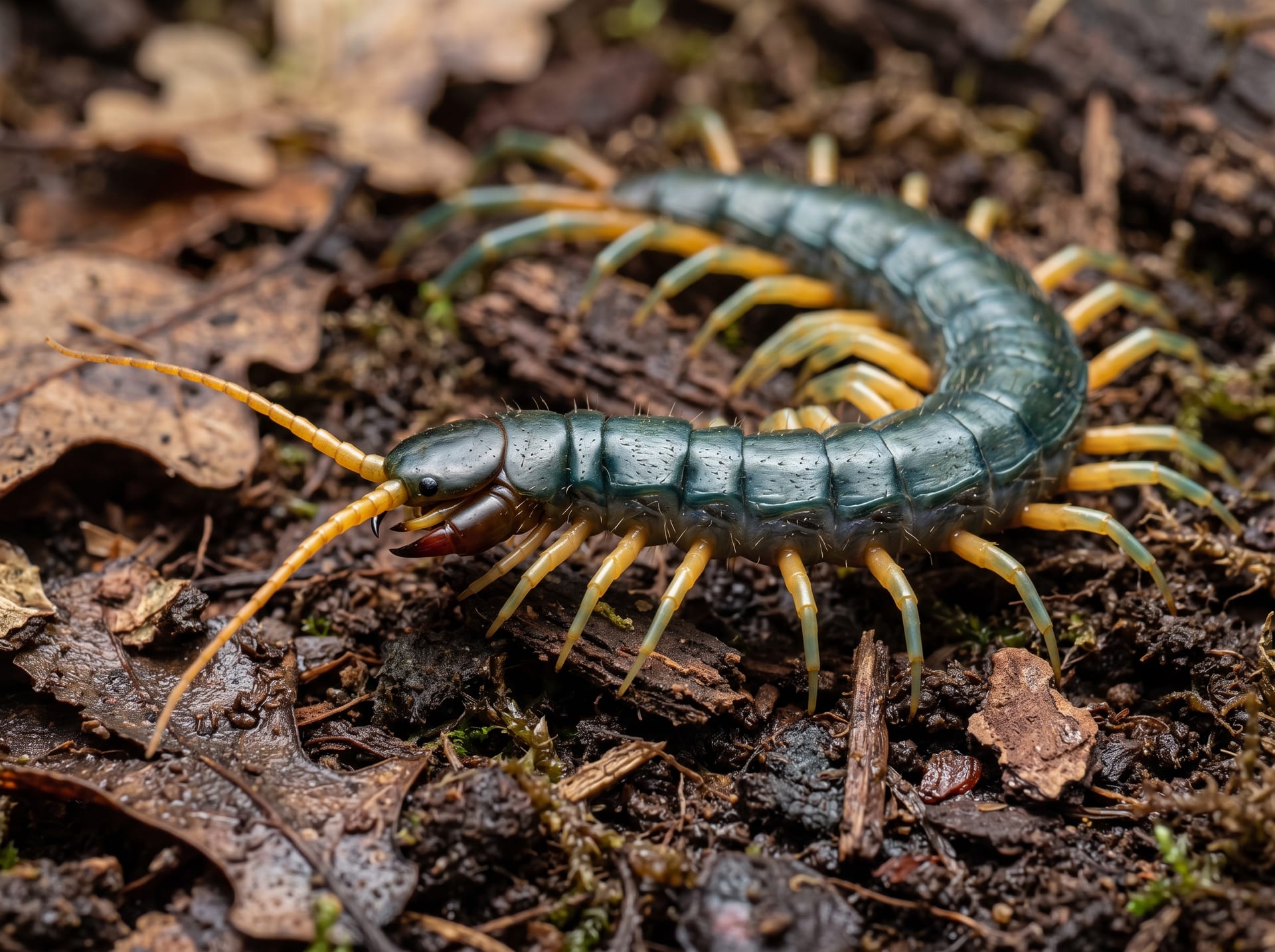
Blue Japanese Centipede
The Blue Japanese Centipede is native to mountains and fields across Japan, taking its name from the bluish tint of its head. Slightly smaller than the giant Tobizu centipede, it reaches roughly 8 to 13 cm as an adult. Quick and alert by nature, it flexes and lashes out defensively at the slightest disturbance, a display that shows off the raw energy typical of myriapods. A bite delivers intense pain, so careful handling is essential, yet the glossy sheen of its body and fluid movement make it endlessly interesting to watch. Classified as suited to intermediate keepers, it's a good match for anyone who already has experience with other myriapods or insects.
View Blue Japanese Centipede encyclopedia →Breeder Wanted!
List on BreederDirect and sell directly to customers nationwide!
BreederDirect's 5 Transparency Commitments
When listing Exotic Invertebrates, Breeders disclose the following. We guarantee transparency on growth stage and breeding unit.
- Real Photos
- Breeding Unit
- Generation Info
- Body Length (mm)
- Country of Origin
Browse all 286 breeds
Verified breeders wanted for Exotic Invertebrates
Breeders are signing up now ahead of launch. Subscribe to be notified when new listings go live.
Getting alerts is free with a member account. When new listings match your saved search, we'll notify you by email and in-app.
Browse other categories
Verified breeders (preview)
Are you raising exotic invertebrates?
Register as a breeder and connect with buyers directly.
Apply as a breederBlue Japanese Centipede key facts
- Care level
- Intermediate
- Lifespan
- About 4-7 years
- Size
- Around 8-13 cm in length
- Temperature
- 20〜27℃
- Humidity
- 60〜80%
- Diet
- Mainly live prey such as crickets, small roaches and earthworms.
- Enclosure
- Use a sealed enclosure with moist burrowing substrate and a hide to prevent escape.
- Temperature & Humidity
- Keep 20-27°C and 60-80% humidity; as a native species, avoid extreme heat.
- Feeding
- Feed sized live prey once or twice weekly and remove leftovers.
- Caution
- Even though small it is venomous and the bite hurts; handle only with tools, never bare-handed.
About Blue Japanese Centipede
A Japanese centipede with a distinctive bluish head, known for its quick, defensive temperament and painfully sharp bite. Adults reach 8-13 cm and live 4-7 years, making it a species suited to intermediate keepers.
7 things to know before welcoming a Blue Japanese Centipede
1Watch for Bites
Blue Japanese Centipedes strike quickly when startled, and their bite causes intense pain. Avoid direct handling, and use feeding tongs when feeding or cleaning the enclosure.
2Escape-Proof Setup
These centipedes are fast and surprisingly capable, so gaps in lids or vents can become an escape route. Choose an enclosure with a locking lid and fine mesh ventilation.
3House Them Alone
This species is territorial and can cannibalize tankmates, so each individual should live in its own enclosure. If you keep more than one, house them in separate containers rather than together.
4Hides and Humidity
They hide during the day and become active at night, so provide driftwood or cork bark as a shelter. Keep the substrate lightly moist and mist occasionally, since they dislike overly dry conditions.
5Feeding Schedule
Live prey such as crickets or mealworms, offered with tongs, works well. Juveniles can be fed every few days while adults typically need feeding once or twice a week, so remove any uneaten food promptly.
6Lifespan and Growth
With a lifespan of about 4 to 7 years, this species offers relatively long-term companionship among myriapods. Growth speed varies between individuals, so there's no need to rush the molting cycle.
7Before You Bring One Home
Given the risk of a painful bite, this species suits keepers who already have experience with insects or reptiles rather than complete beginners. Have the enclosure, substrate, hides, and feeding tongs ready before your centipede arrives.
Frequently asked questions about Blue Japanese Centipede
- Q.Is the Blue Japanese Centipede beginner-friendly?
- A.It's generally considered suited to intermediate keepers due to its speed and painful bite. Prior experience with other myriapods or insects makes it much easier to manage.
- Q.How painful is a bite from this centipede?
- A.A bite from a Blue Japanese Centipede causes intense pain. It's best to avoid direct handling and use tongs when feeding or cleaning.
- Q.How large do they grow?
- A.Adults typically reach about 8 to 13 cm in length, slightly smaller than the related Tobizu centipede.
- Q.How long do they live?
- A.They generally live around 4 to 7 years, making them a relatively long-lived choice among myriapods.
- Q.Can multiple centipedes be kept together?
- A.No, this species is territorial and prone to cannibalism, so each individual needs its own separate enclosure. If you keep more than one, house them in separate containers rather than together.
Learn more about Blue Japanese Centipede in the encyclopedia
View Blue Japanese Centipede encyclopedia entry →
Care difficulty, lifespan, size and diet — all basics covered.
More in this category
Can't find the one you're looking for?
Post your wishes for free and breeders with matching animals will contact you with introductions.