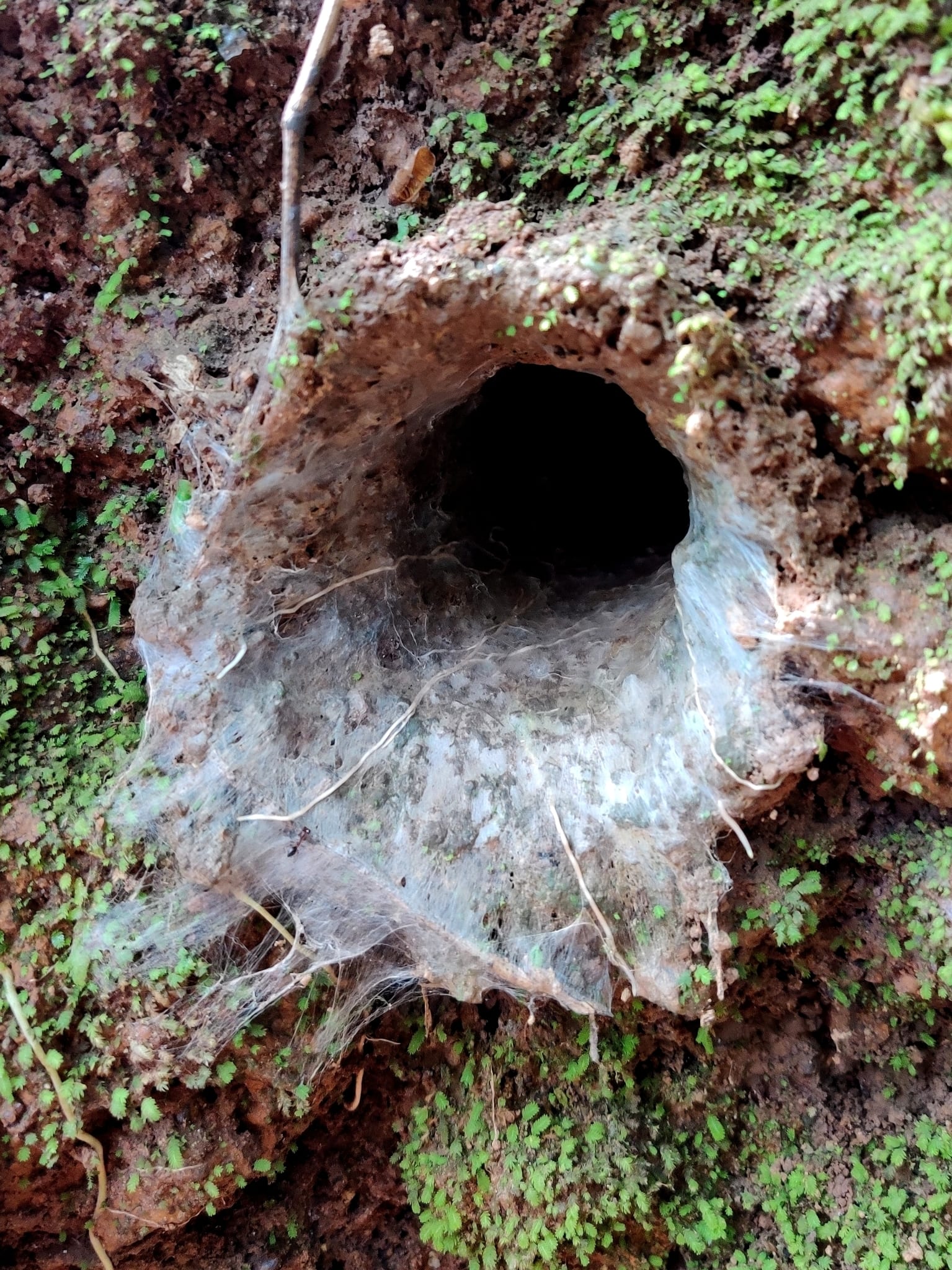
 © Chayant Gonsalves / CC BY 4.0
Lesser Goa mustard tarantula
The Lesser Goa mustard tarantula is a burrowing species endemic to the Western Ghats of India, where it digs its home into earthen banks. As an Old World tarantula it has no urticating hairs, so it tends to defend itself by biting. It often stays inside its burrow, so you will not always see it. It is listed as Near Threatened by the IUCN and is considered a species for advanced keepers. Because reliable data on lifespan and adult size is limited, it is wise to gather information before bringing one home.
View Lesser Goa mustard tarantula encyclopedia →0% commission on your first sales!Register by September 30, 2026 and your first 2 sales are commission-free!
Breeder Wanted!
List on BreederDirect and sell directly to customers nationwide!
5 Transparency Standards You Can Trust
When listing Exotic Invertebrates, Breeders disclose the following. We guarantee transparency on growth stage and breeding unit.
- Real Photos
- Breeding Unit
- Generation Info
- Body Length (mm)
- Country of Origin
Browse all 286 breeds
Verified breeders wanted for Exotic Invertebrates
Breeders are signing up now ahead of launch. Subscribe to be notified when new listings go live.
Getting alerts is free with a member account. When new listings match your saved search, we'll notify you by email and in-app.
Browse other categories
Verified breeders (preview)
Are you raising exotic invertebrates?
Register as a breeder and connect with buyers directly.
Apply as a breederLesser Goa mustard tarantula key facts
- Care level
- Advanced
- Lifespan
- Little data
- Size
- Little data
- Diet
- Carnivorous (live insects such as crickets and roaches)
- Enclosure
- A burrower that digs into banks in the wild. Provide deep substrate for burrowing, a hide and a water dish. Keep singly.
- Temperature & Humidity
- Species care data are scarce. In the wild it lives in shaded, moist banks, so keep the lower substrate slightly damp while maintaining ventilation.
- Diet & Feeding
- Live prey such as crickets and roaches sized to the spider. Remove uneaten prey and wait a few days after a moult before feeding.
- Temperament & Venom
- Old World tarantulas lack urticating setae and readily bite when disturbed; their venom is often stronger and can be medically significant, so never handle it.
- Notes
- Fast and nervous: locate it before maintenance and use a lockable enclosure. As a Near Threatened species affected by illegal collection, check its origin and never release captive animals.
About Lesser Goa mustard tarantula
The Lesser Goa mustard tarantula is a burrowing tarantula endemic to India's Western Ghats. Learn about this bite-prone, advanced-level species and what to prepare before bringing one home.
7 things to know before welcoming a Lesser Goa mustard tarantula
1For advanced keepers
This species is rated as advanced in difficulty. It suits keepers who already have tarantula experience and can handle a species that is likely to bite. If you are new to tarantulas, it is safer to build experience with another species first.
2Prepare for bites
As an Old World species it has no urticating hairs and tends to bite when it feels threatened. Keep your distance during cleaning and feeding by using long tongs instead of bare hands. The effects of a bite can vary between individuals, so plan your routine to avoid being bitten in the first place.
3Deep substrate for burrows
This is a ground-dwelling species that digs burrows into banks. Providing substrate deep enough for it to excavate a burrow helps it settle in. Adding a sheltered spot inside the enclosure is also a good idea.
4Temperature and humidity
Keep the origin in mind, the Western Ghats of India, and aim for an enclosure that is neither stuffy nor bone dry. Moisten only part of the substrate so there is a humidity gradient, and place the enclosure where it will not overheat. Detailed figures are poorly documented, so adjust based on how the animal behaves.
5Feeding and molting
Live insects such as crickets are the basic diet. Remove uneaten prey promptly, and adjust feeding intervals to the animal's condition, for example holding back around a molt. Since it often stays in its burrow, make a habit of checking on it a little each day.
6A Near Threatened species
This species is listed as Near Threatened by the IUCN. Before you buy, read the listing for details on the animal's origin and care history, and ask the seller about anything that is unclear.
7Prevent escapes
Prepare an enclosure with a secure lid and check that there are no gaps. Because it can move quickly, decide your feeding and cleaning routine before the animal arrives.
Frequently asked questions about Lesser Goa mustard tarantula
- Q.Can beginners keep this species?
- A.It is rated as advanced, so it is not a good first tarantula. It has no urticating hairs and defends itself by biting, which suits keepers who are comfortable with careful handling. Gaining experience with another species first is the safer route.
- Q.Does it flick urticating hairs?
- A.No. As an Old World species it has no urticating hairs. Instead it tends to bite when threatened, so the basic rule is to avoid touching it with bare hands.
- Q.How long does it live and how big does it get?
- A.Reliable data is limited for both, so we cannot give firm figures. Check the details on the listing and ask the seller if you have questions.
- Q.What kind of enclosure and substrate suit it?
- A.Because it burrows into banks, it suits deep substrate it can dig into and an enclosure with a securely fitting lid. Moisten part of the substrate to create a humidity gradient, and keep the enclosure away from excessive heat.
- Q.What should I know about its Near Threatened status?
- A.The IUCN lists it as Near Threatened, so it is important to choose an animal whose origin is clear. Read the listing carefully and ask the seller about points such as whether it was captive bred.
Learn more about Lesser Goa mustard tarantula in the encyclopedia
View Lesser Goa mustard tarantula encyclopedia entry →
Care difficulty, lifespan, size and diet — all basics covered.
More in this category
Can't find the one you're looking for?
Post your wishes for free and breeders with matching animals will contact you with introductions.