Source: Wikimedia Commons
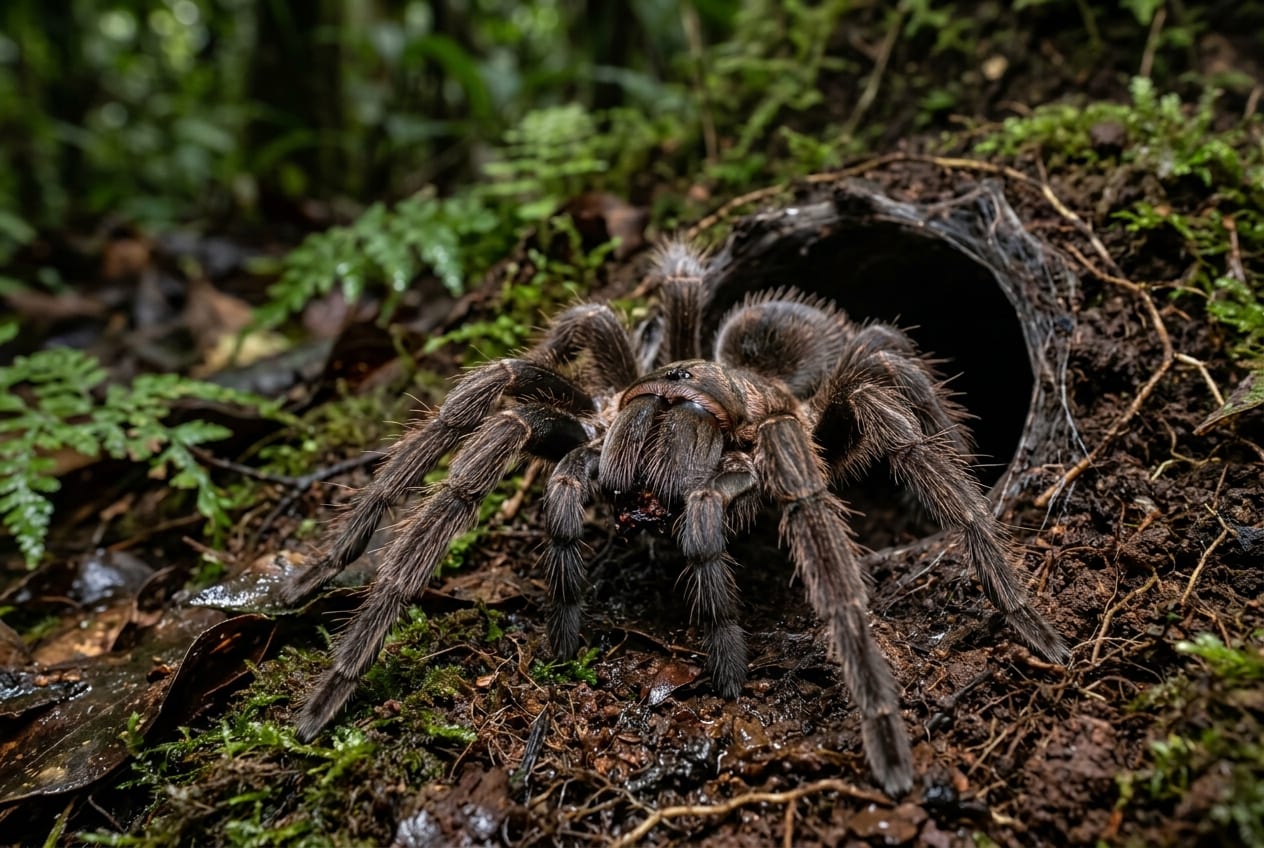
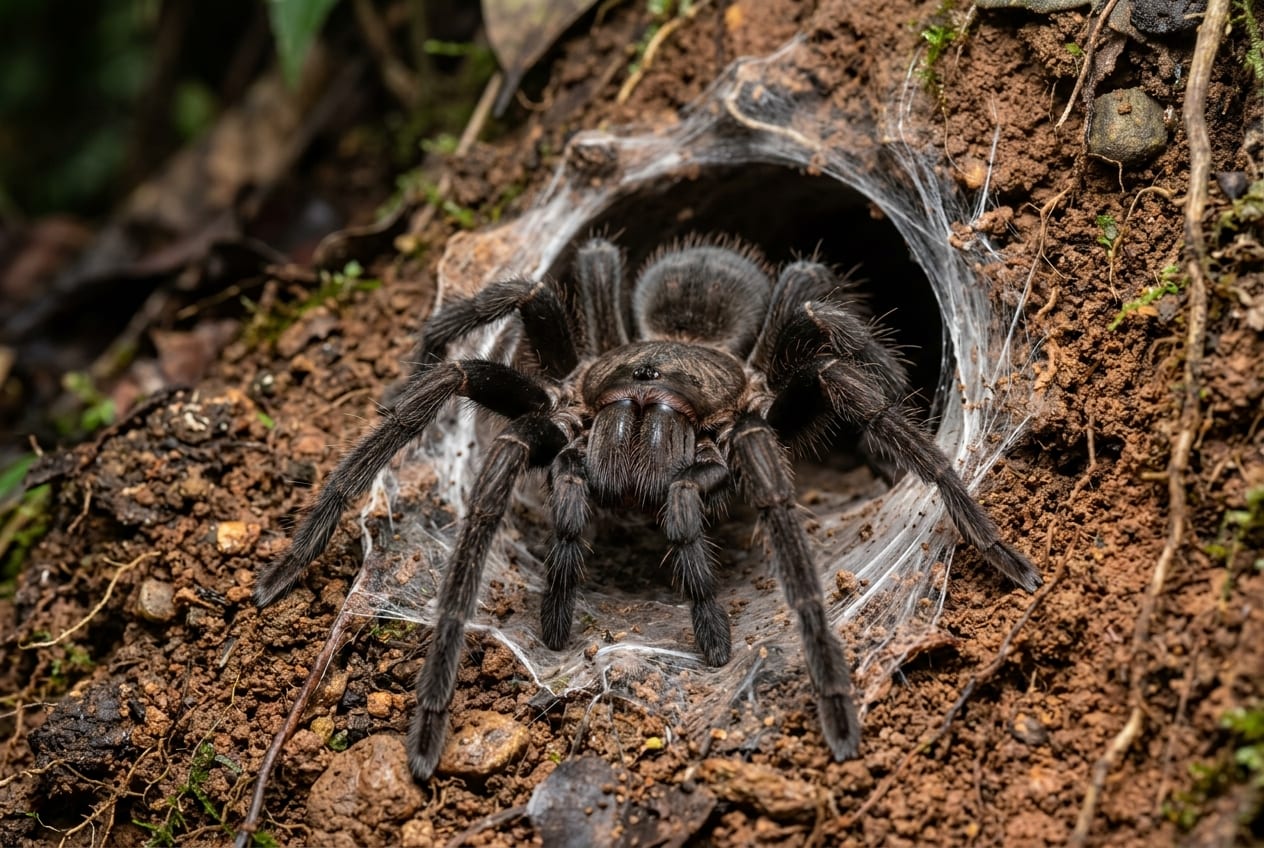
Lesser Goa mustard tarantula
AdvancedThrigmopoeus truculentus
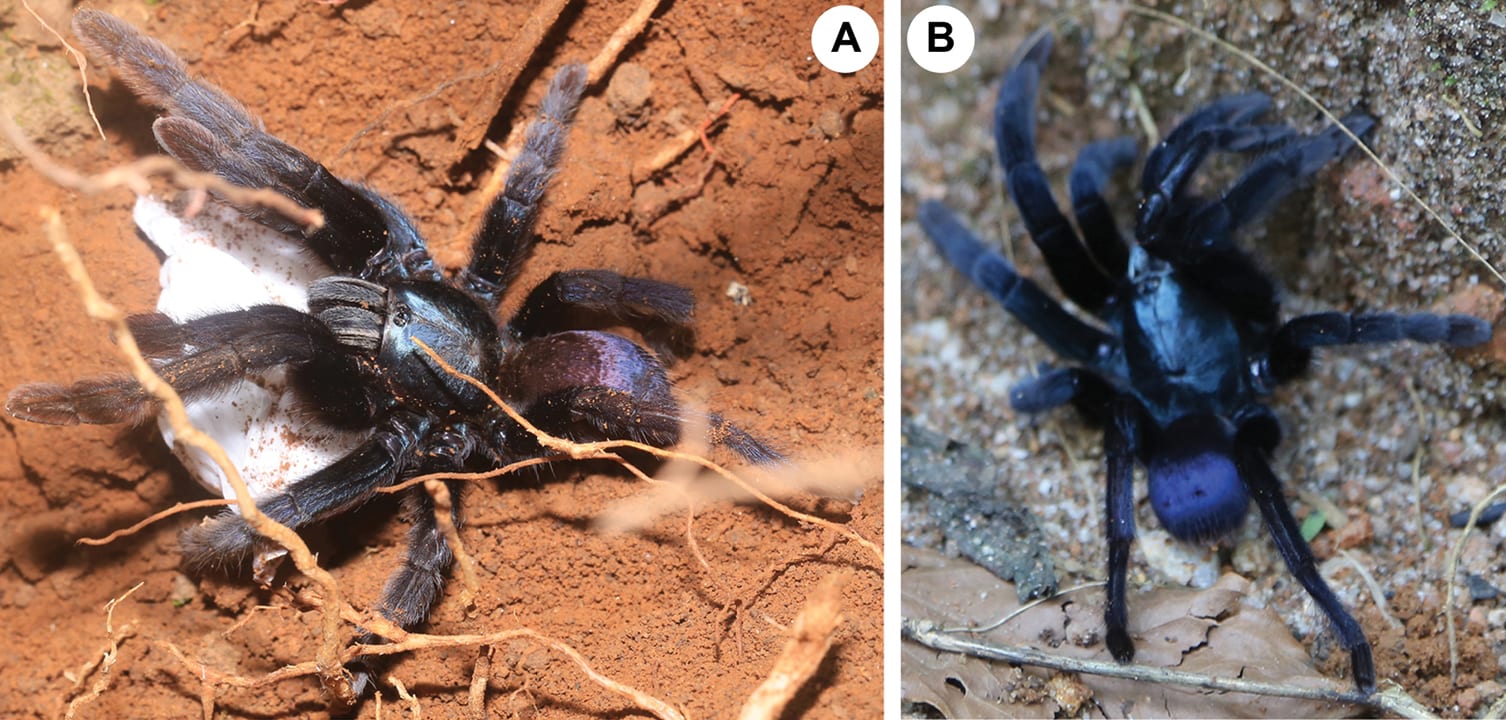
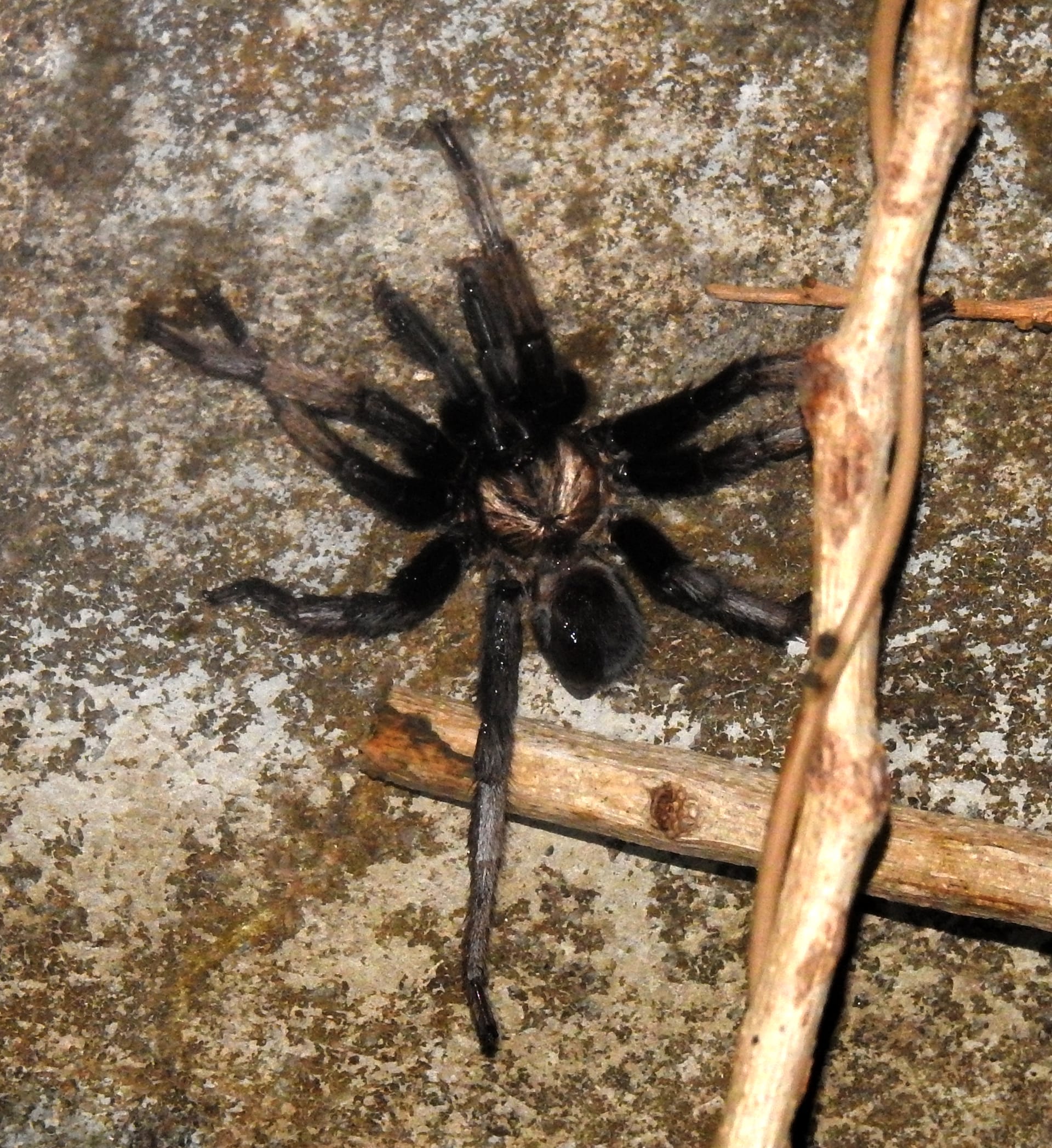
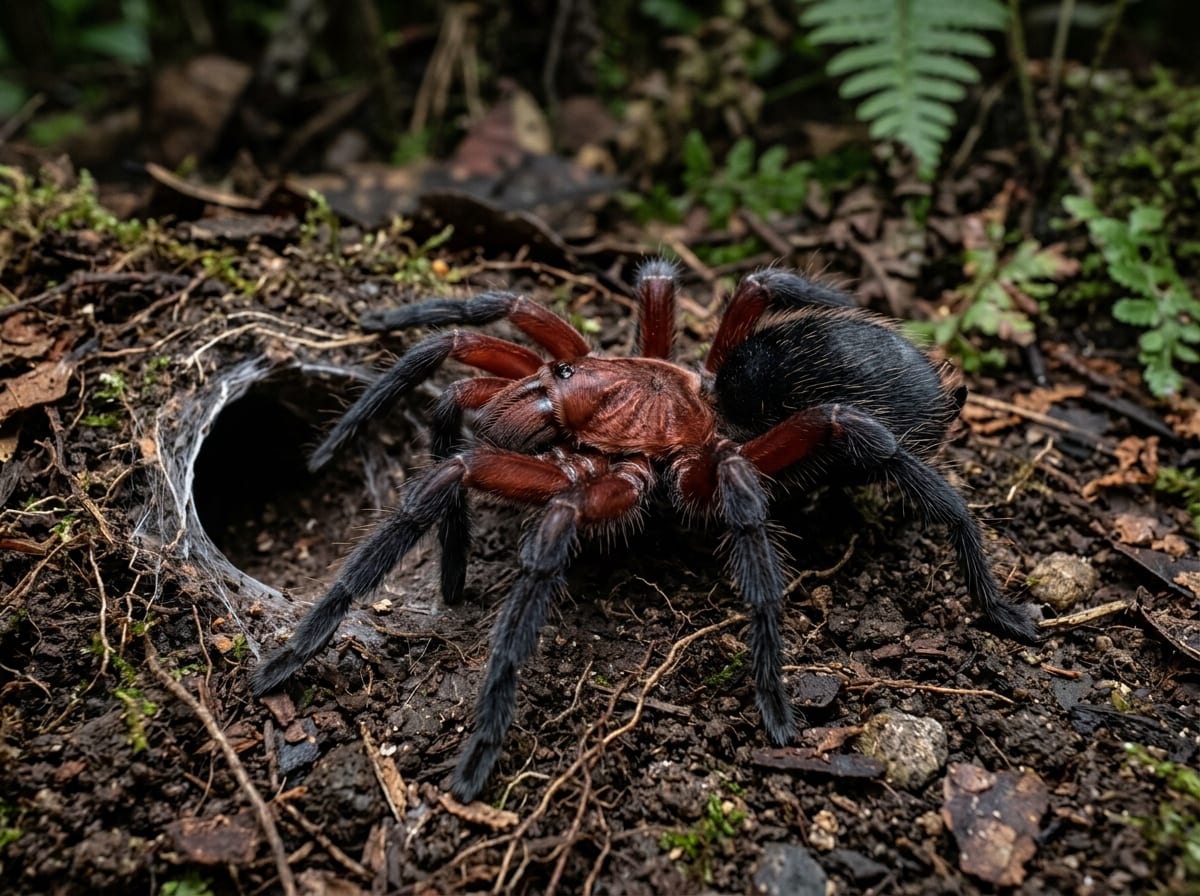
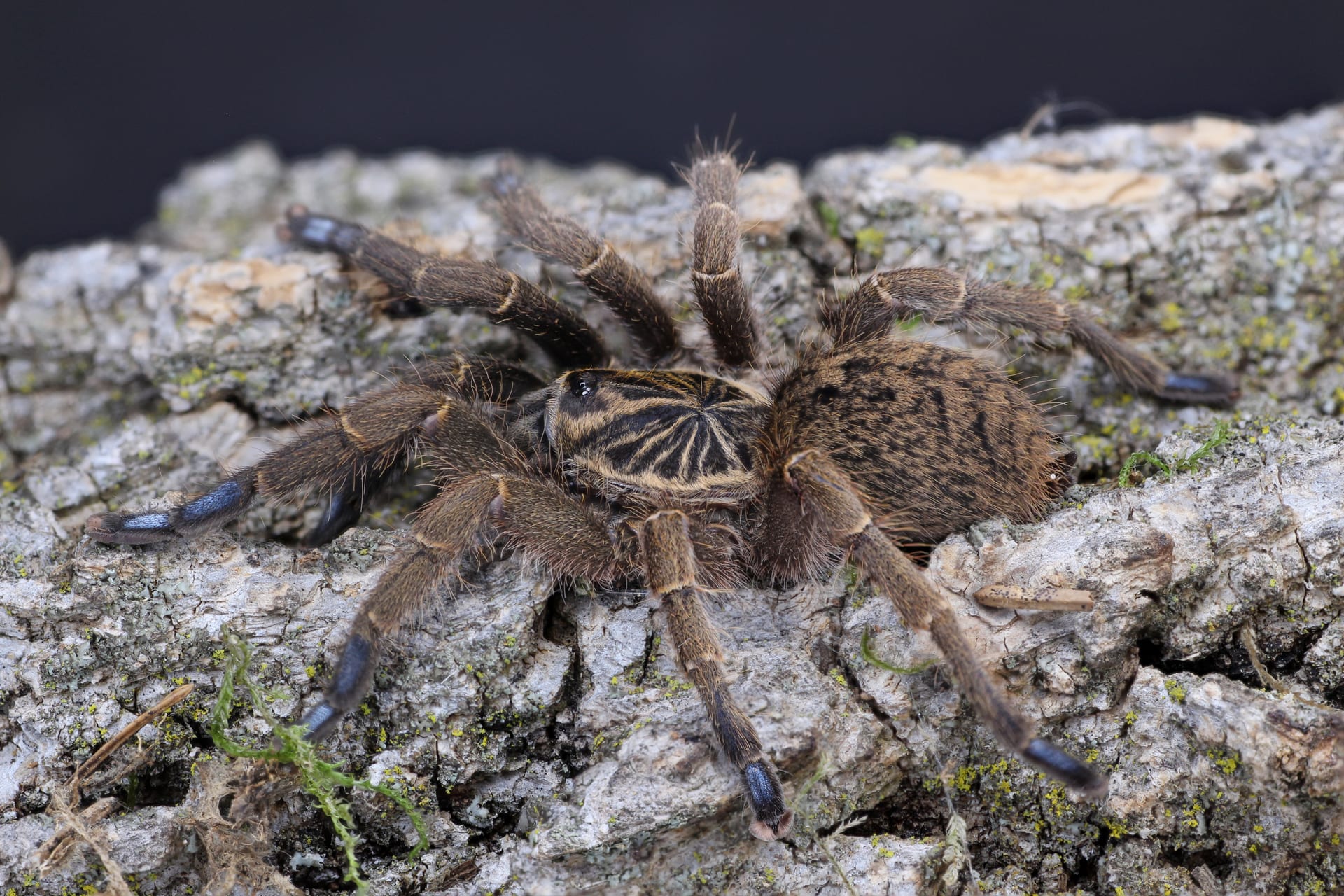
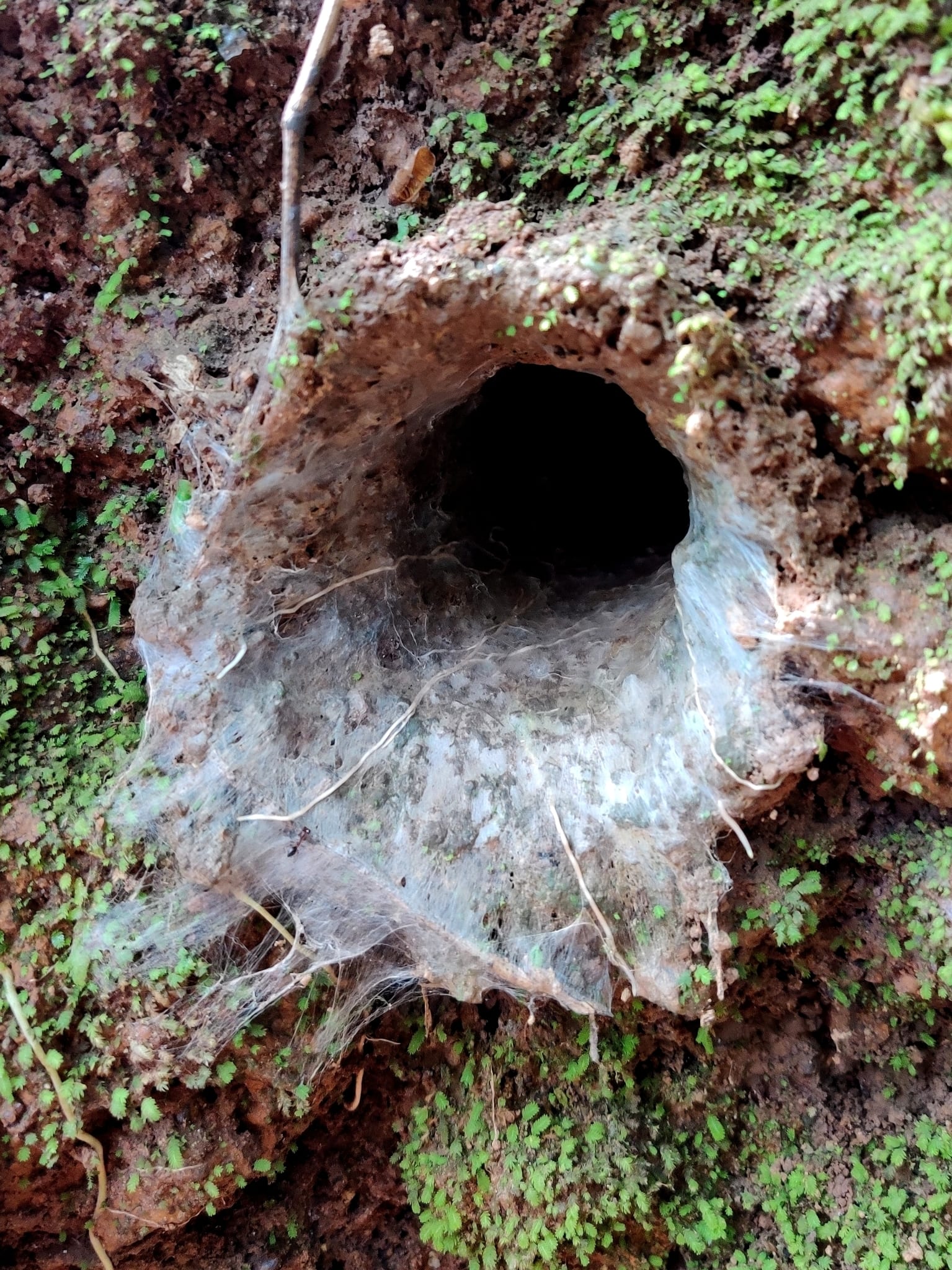
A burrowing tarantula endemic to India's Western Ghats that digs into earth banks. An Old World species without urticating setae, it defends itself by biting. Near Threatened on the IUCN Red List.
Difficulty
Advanced
Diet
Carnivorous (live insects such as crickets and roaches)
About
Thrigmopoeus truculentus Pocock, 1899, also called the Karwar large burrowing spider, belongs to a genus of only two species, both Indian. It is endemic to the Western Ghats, recorded from Karnataka, Goa and Maharashtra. It digs burrows 0.5-5 m above the ground in vertical earth banks along roads and trails, mostly under canopy where direct sunlight is limited; the trumpet-shaped entrances are reinforced with wet mud and silk, sometimes with twigs and leaves. Habitat fragmentation and degradation, road widening, soil erosion and collection for the pet trade threaten it, and it is listed as Near Threatened on the IUCN Red List. Old World tarantulas lack urticating setae, are more likely to attack when disturbed, often have more potent, medically significant venom, and are faster and more nervous than New World species. It is rarely available in Japan.
Source: Wikipedia (CC BY-SA 4.0)
Basic Info
Origin
Southwestern India (Western Ghats: Karnataka, Goa, Maharashtra)
Diet
Carnivorous (live insects such as crickets and roaches)
Care Guide
Enclosure
A burrower that digs into banks in the wild. Provide deep substrate for burrowing, a hide and a water dish. Keep singly.
Temperature & Humidity
Species care data are scarce. In the wild it lives in shaded, moist banks, so keep the lower substrate slightly damp while maintaining ventilation.
Diet & Feeding
References & Sources
Edited & verified by: BreederDirect editorial team
The taxonomic, regulatory, and husbandry data on this page are compiled and verified against the authoritative primary sources below.
Taxonomy & Authority
Regulations & Conservation Status
Not CITES-listed
Not listed in the CITES Appendices (checked on Species+). Listed as Near Threatened (NT) on the IUCN Red List. Theraphosidae are neither designated invasive alien species nor taxa requiring an identification certificate on import in Japan (September 2026). Use a lockable enclosure to prevent escapes, and never release captive animals.
Sources: Species+ CITES query (not listed) / Ministry of the Environment: list of regulated alien species, including taxa needing an identification certificate
Regulations may change. Always verify the latest information with the relevant authorities.
Lesser Goa mustard tarantula Listings
Loading latest listingsFind listings for this species