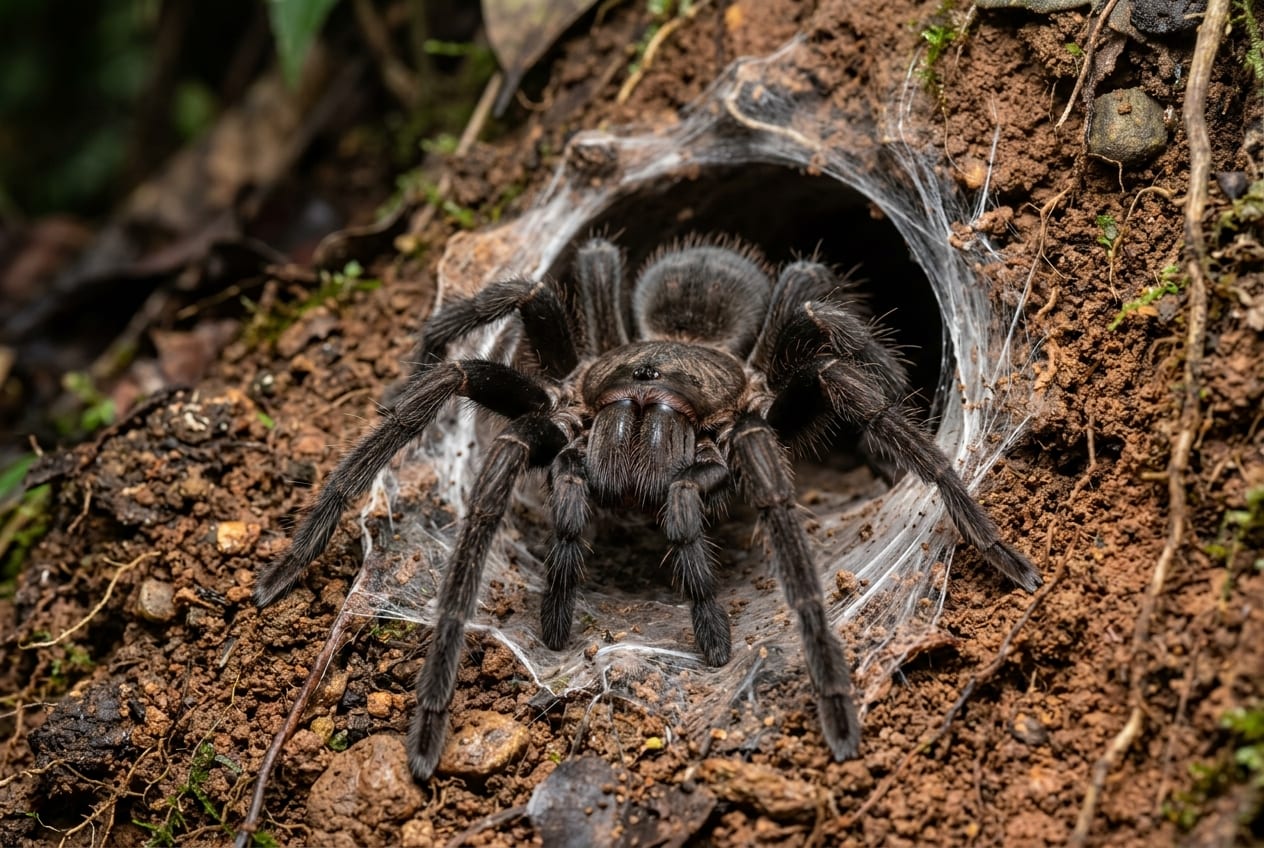
AI-generated image
Chinese Black Earth Tiger
AdvancedCyriopagopus hainanus
A large black-brown fossorial tarantula restricted to steep south-facing slopes on Hainan Island, China. It closely resembles its congeners but its venom contains hainantoxins, so it is for advanced keepers only.
Difficulty
Advanced
Temperature
20〜22℃
Lifespan
Females 16-20 years / males 3-5 years
Size
Body about 6cm (female), leg span about 20cm
Humidity
70〜80%
Diet
Large live insects such as crickets and roaches
About
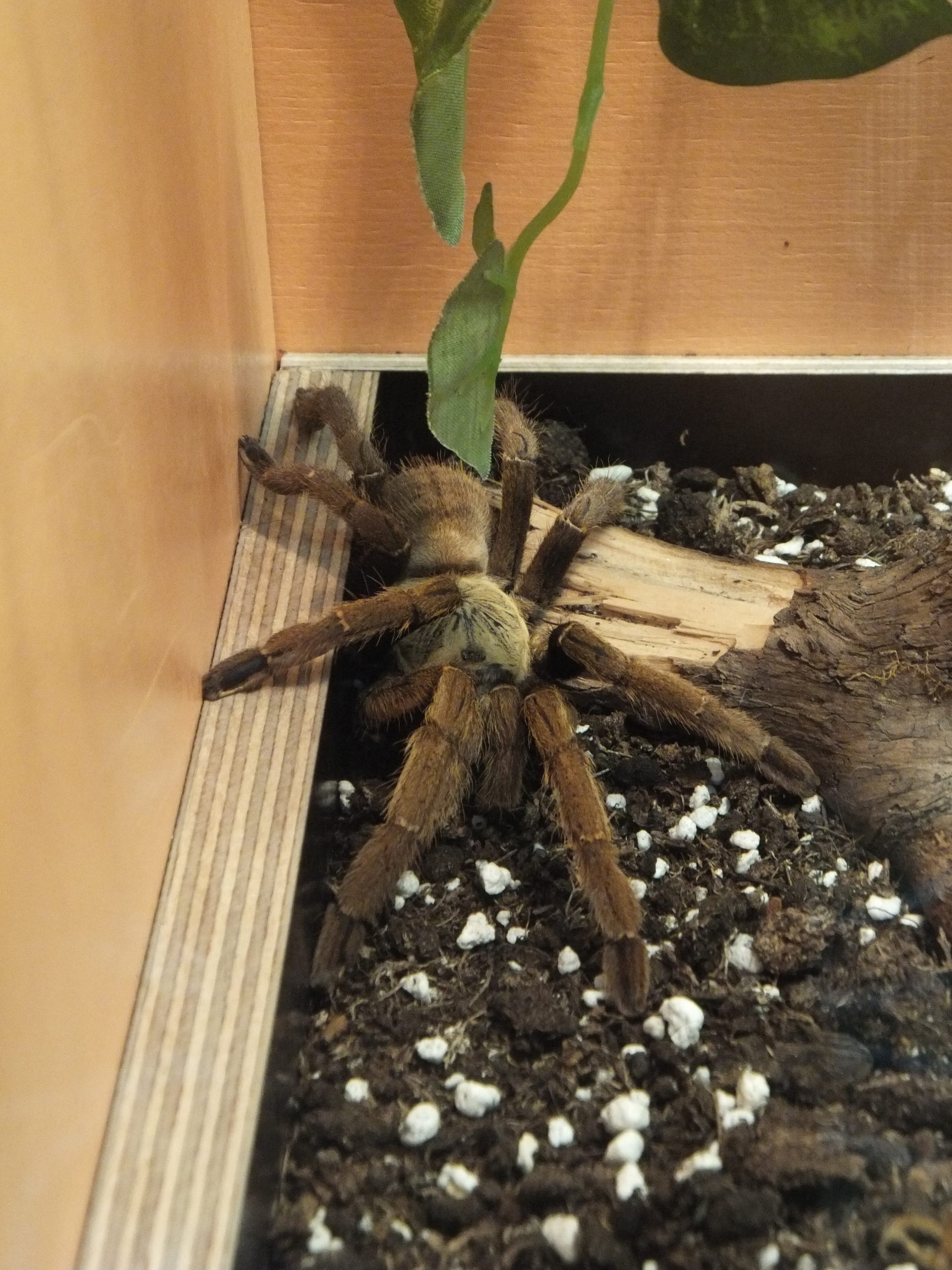
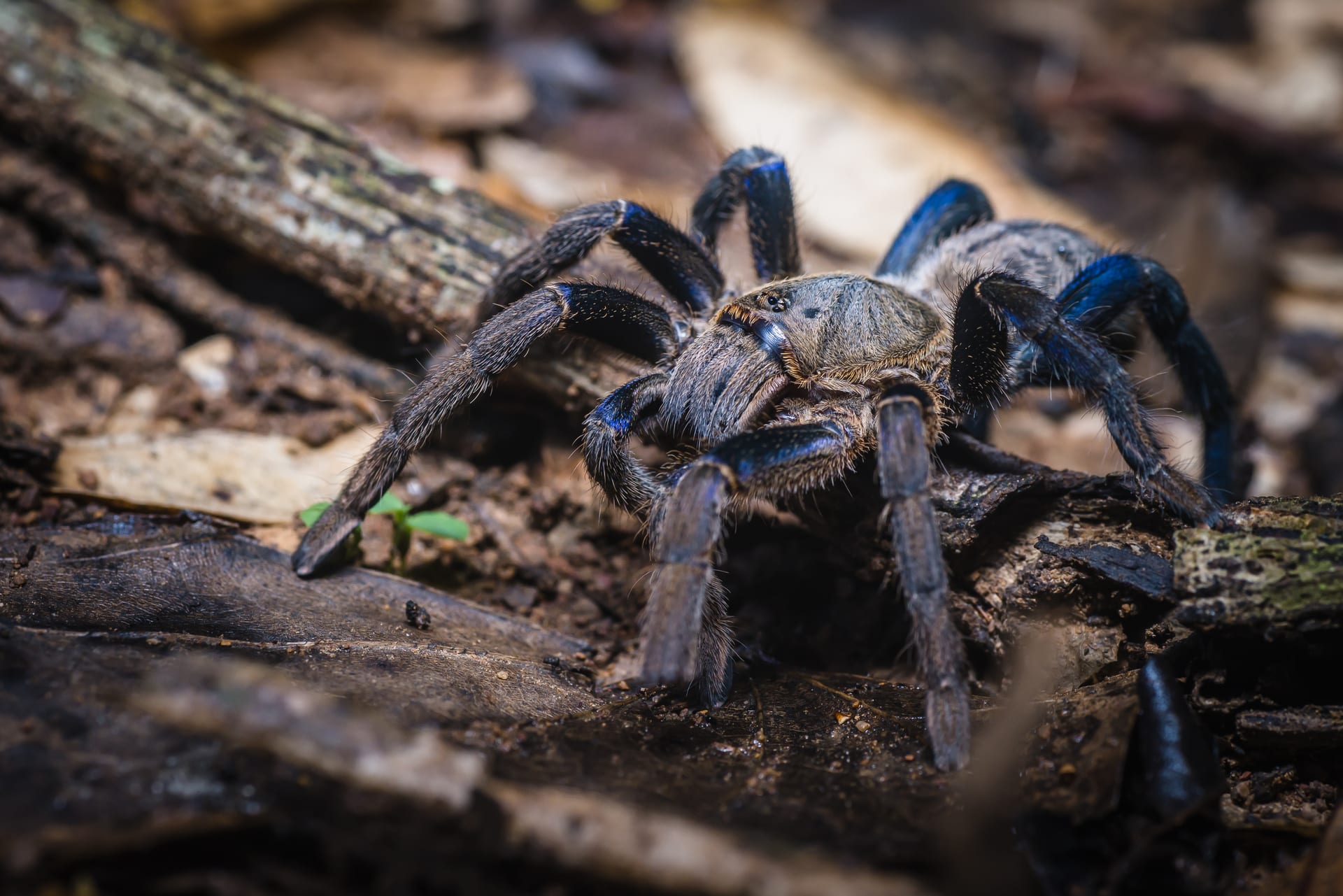
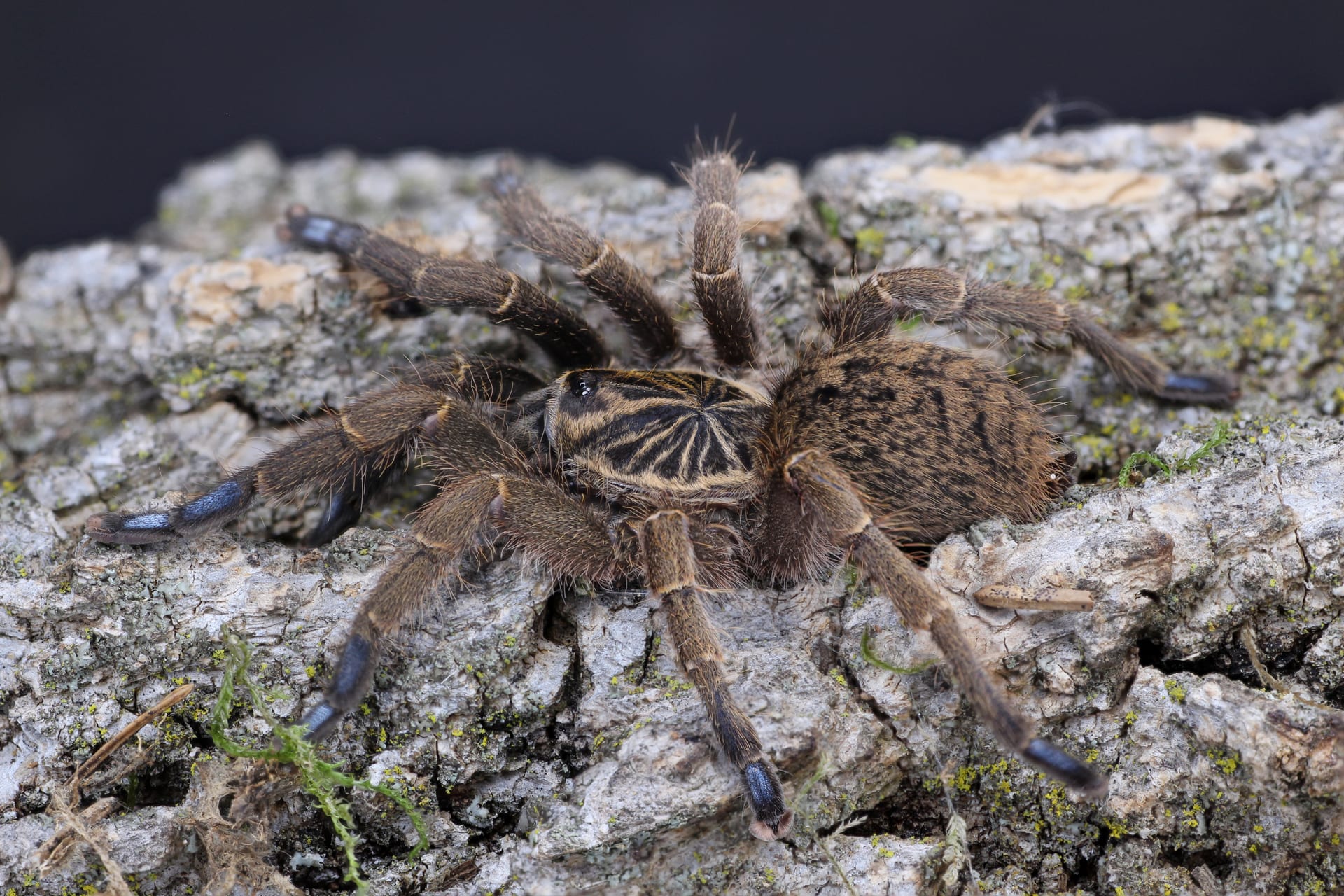
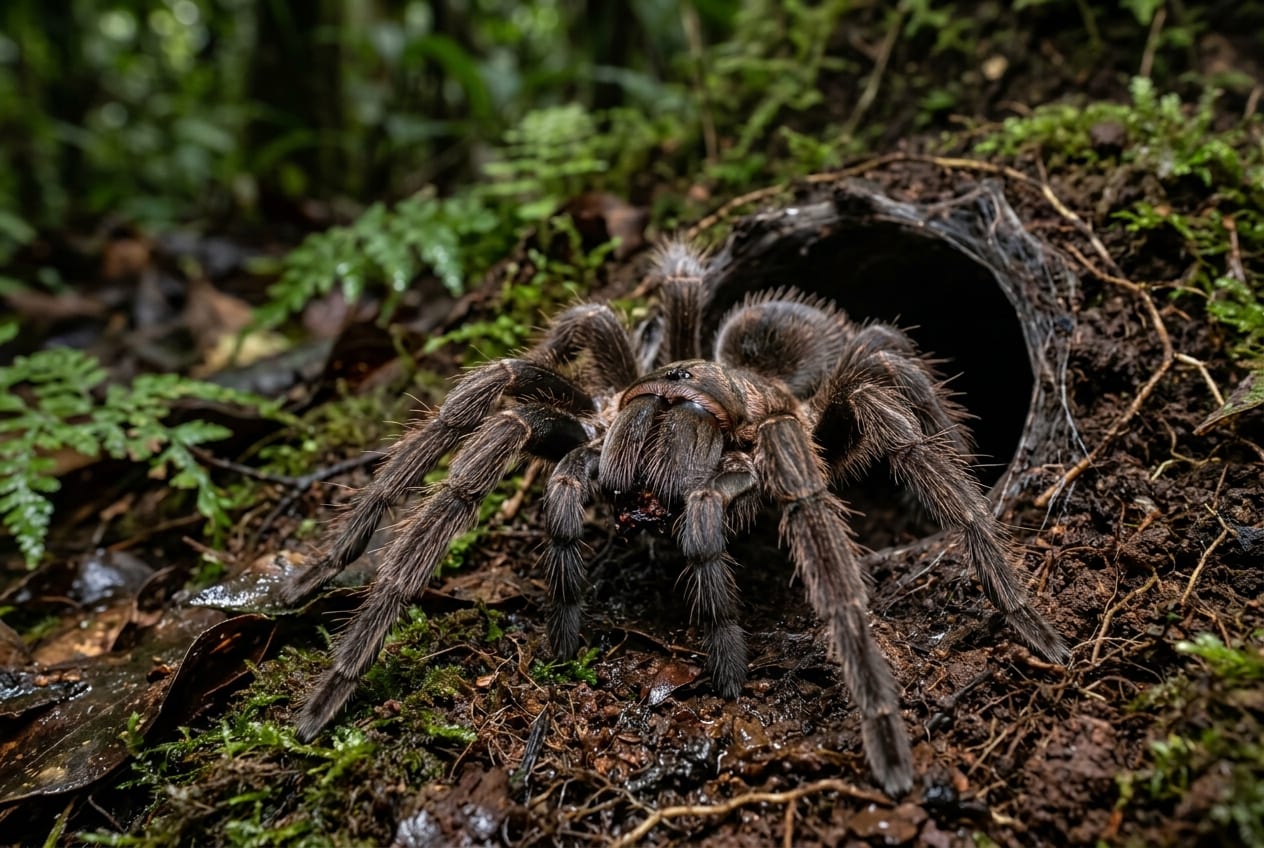
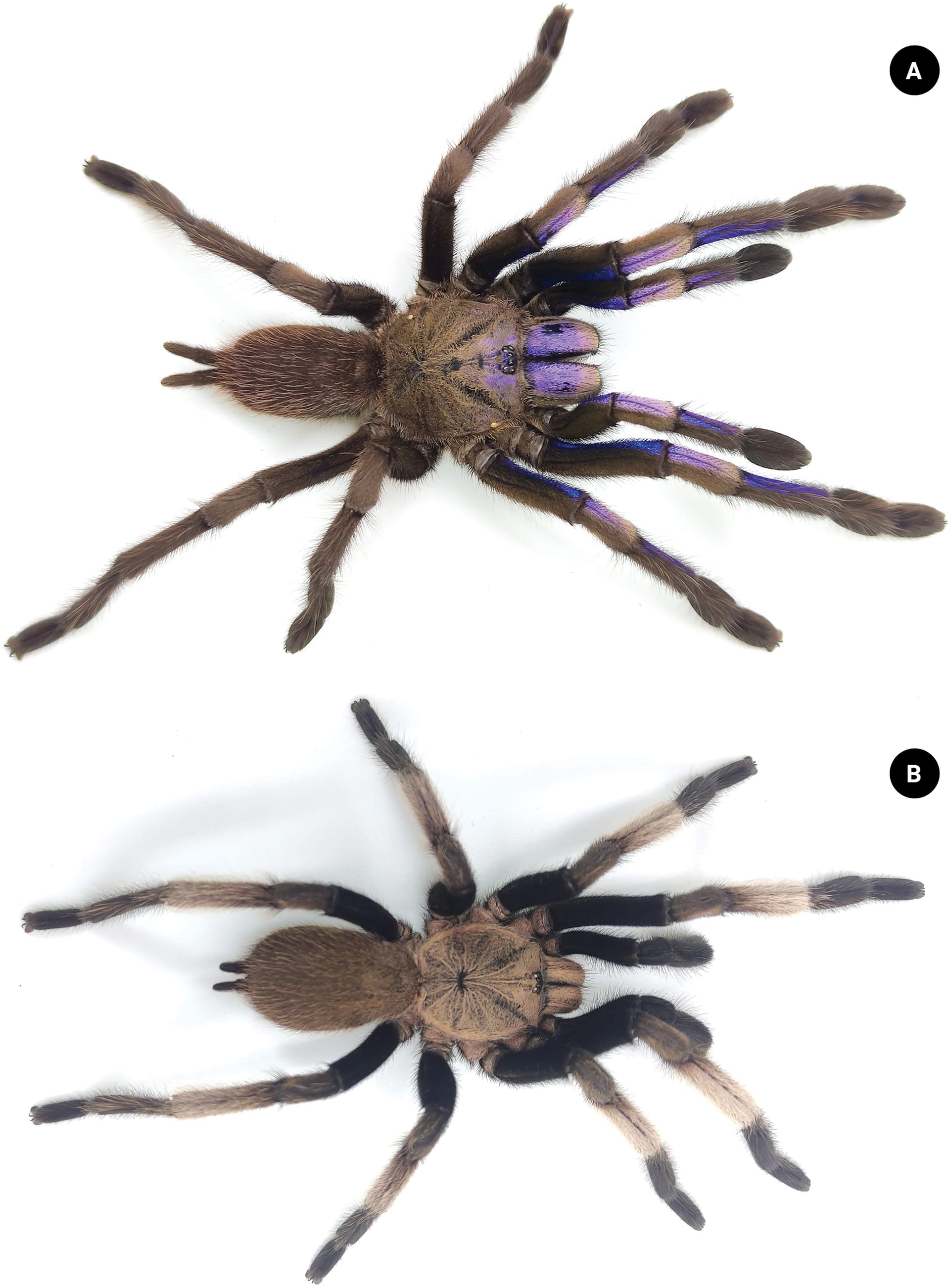
Cyriopagopus hainanus belongs to the Ornithoctoninae and is known only from Hainan, an island off the southern coast of China. Liang et al. described it as Selenocosmia hainana in 1999; it was moved to Ornithoctonus in 2001, to Haplopelma in 2003, and to Cyriopagopus in 2015. It closely resembles the Chinese golden earth tiger, C. schmidti, but is distinguished by its dark black-brown body and the longer thorns on the prolateral side of the maxillae. The carapace is black-brown, the sternum red-brown, and the abdomen dark brown with six black stripes running across it and a black stripe down the centre. Females measure about 60mm including chelicerae and males about 34mm, the males having long legs relative to a small body. It digs silk-lined burrows on south-facing slopes of 75 to 85 degrees, with silk alarm lines radiating from the mouth. It stays in the burrow by day and takes large insects at night. Its venom contains numerous compounds that block neurotransmitters, including neurotoxic peptides known as hainantoxins, so it is regarded as highly venomous.
Source: Wikipedia (CC BY-SA 4.0)
Lifespan of the Chinese Black Earth Tiger
The Chinese Black Earth Tiger lives Females 16-20 years / males 3-5 years.
Size of the Chinese Black Earth Tiger
The Chinese Black Earth Tiger grows to Body about 6cm (female), leg span about 20cm.
Temperature & humidity for the Chinese Black Earth Tiger
The ideal temperature for the Chinese Black Earth Tiger is 20〜22℃. Ideal humidity is 70〜80%.
Basic Info
Origin
Care Specifications
AggressiveSolitary
Sources: The Spider Shop: Cyriopagopus hainanum / Tarantupedia: Cyriopagopus hainanus / Wikipedia: Cyriopagopus hainanus / GBIF
References & Sources
Edited & verified by: BreederDirect editorial team
The taxonomic, regulatory, and husbandry data on this page are compiled and verified against the authoritative primary sources below.
Taxonomy & Authority
Accepted name: Cyriopagopus hainanus (Liang, Peng, Huang & Chen, 1999)
Synonyms: Selenocosmia hainana Liang, Peng, Huang & Chen, 1999, Ornithoctonus hainana, Haplopelma hainanum
Authority databases: GBIF
Nomenclature follows global taxonomic authority databases.
Regulations & Conservation Status
Not CITES-listed
Sources: CITES Appendices (species not listed)
Regulations may change. Always verify the latest information with the relevant authorities.
Chinese Black Earth Tiger Listings
Loading latest listingsFind listings for this species