Source: Wikimedia Commons
Chinese Golden Earth Tiger
AdvancedCyriopagopus schmidti
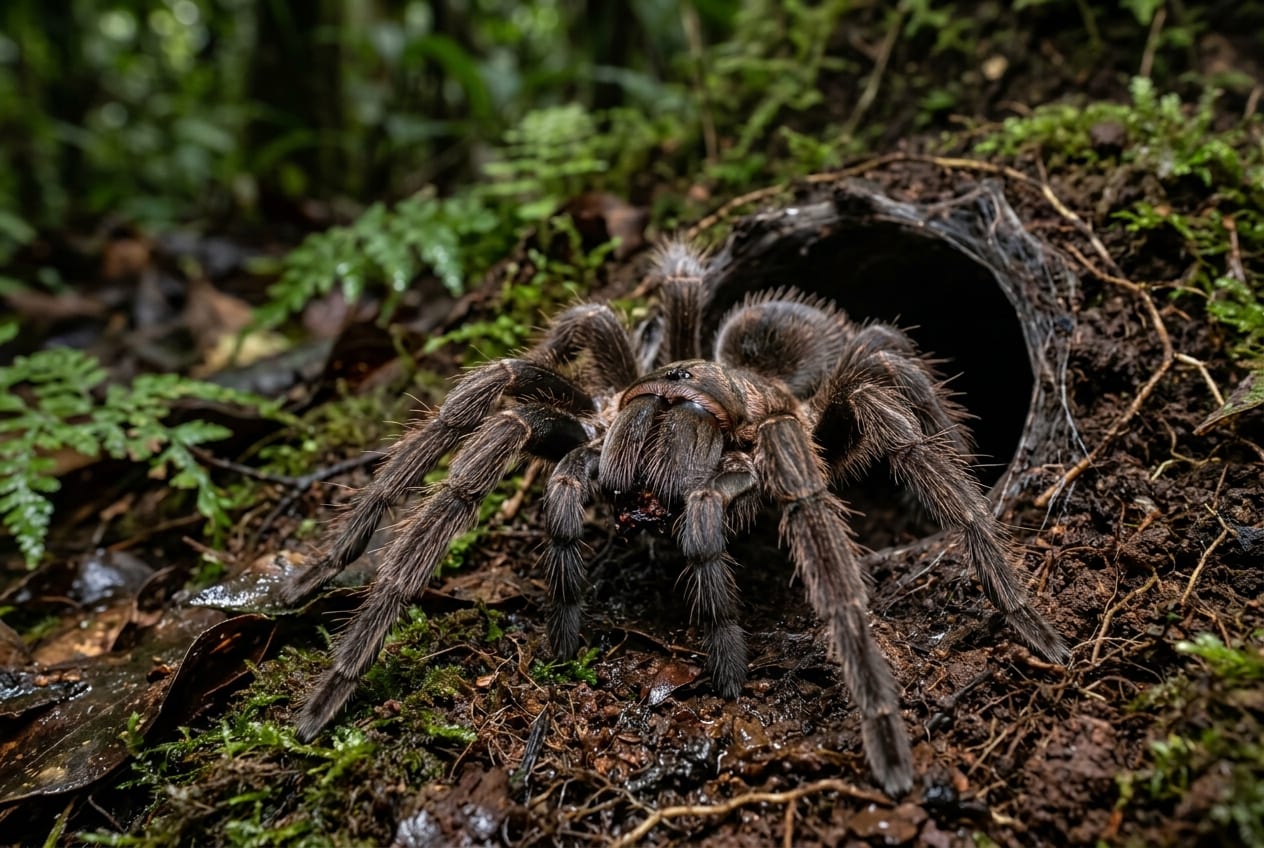
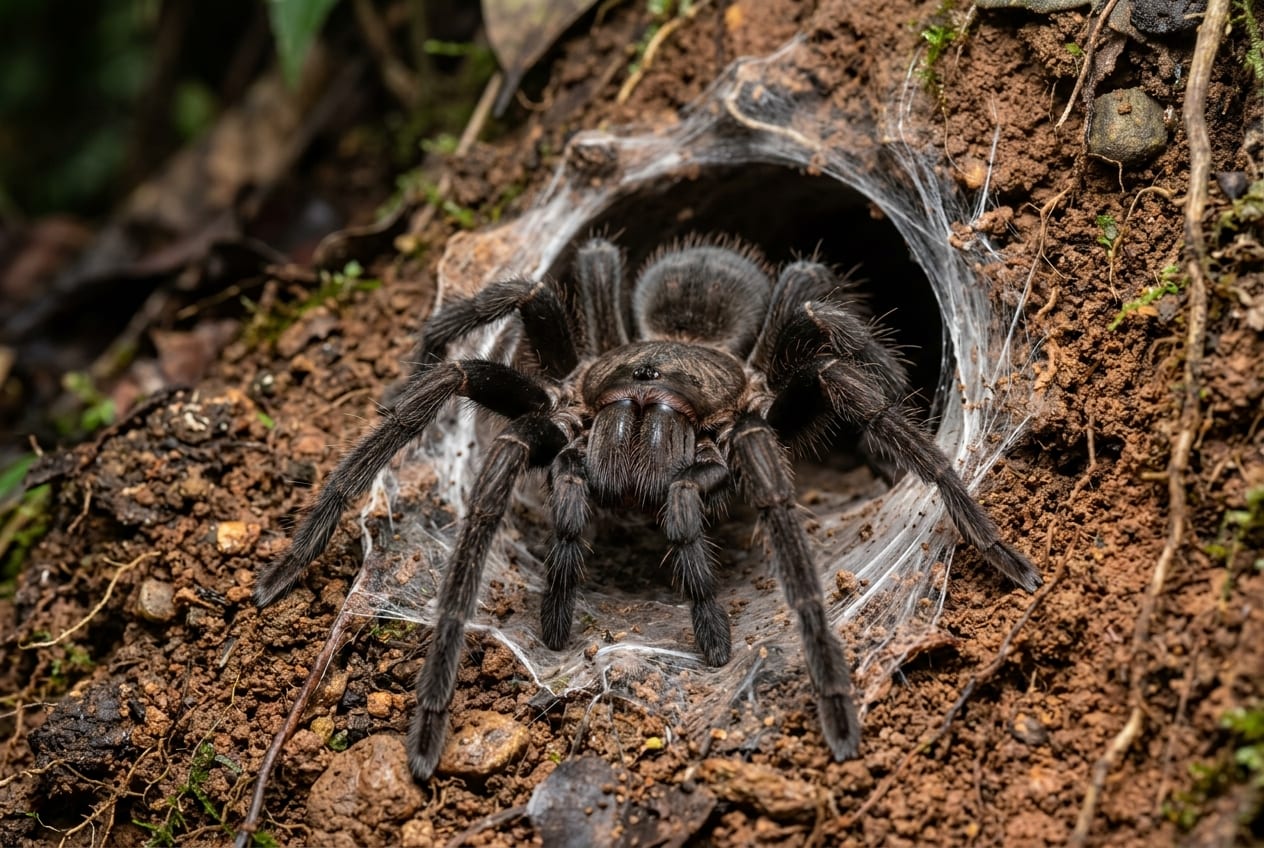
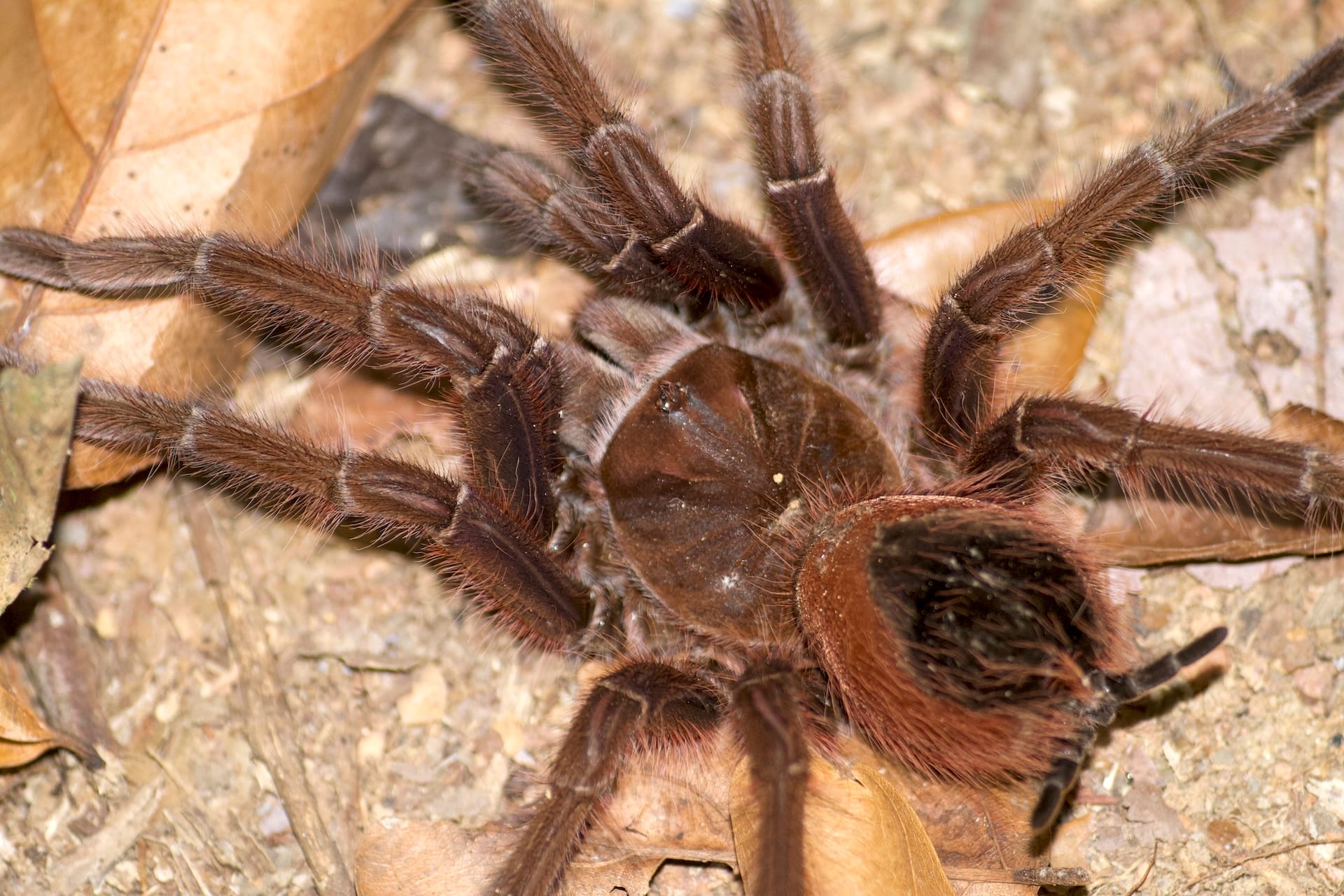
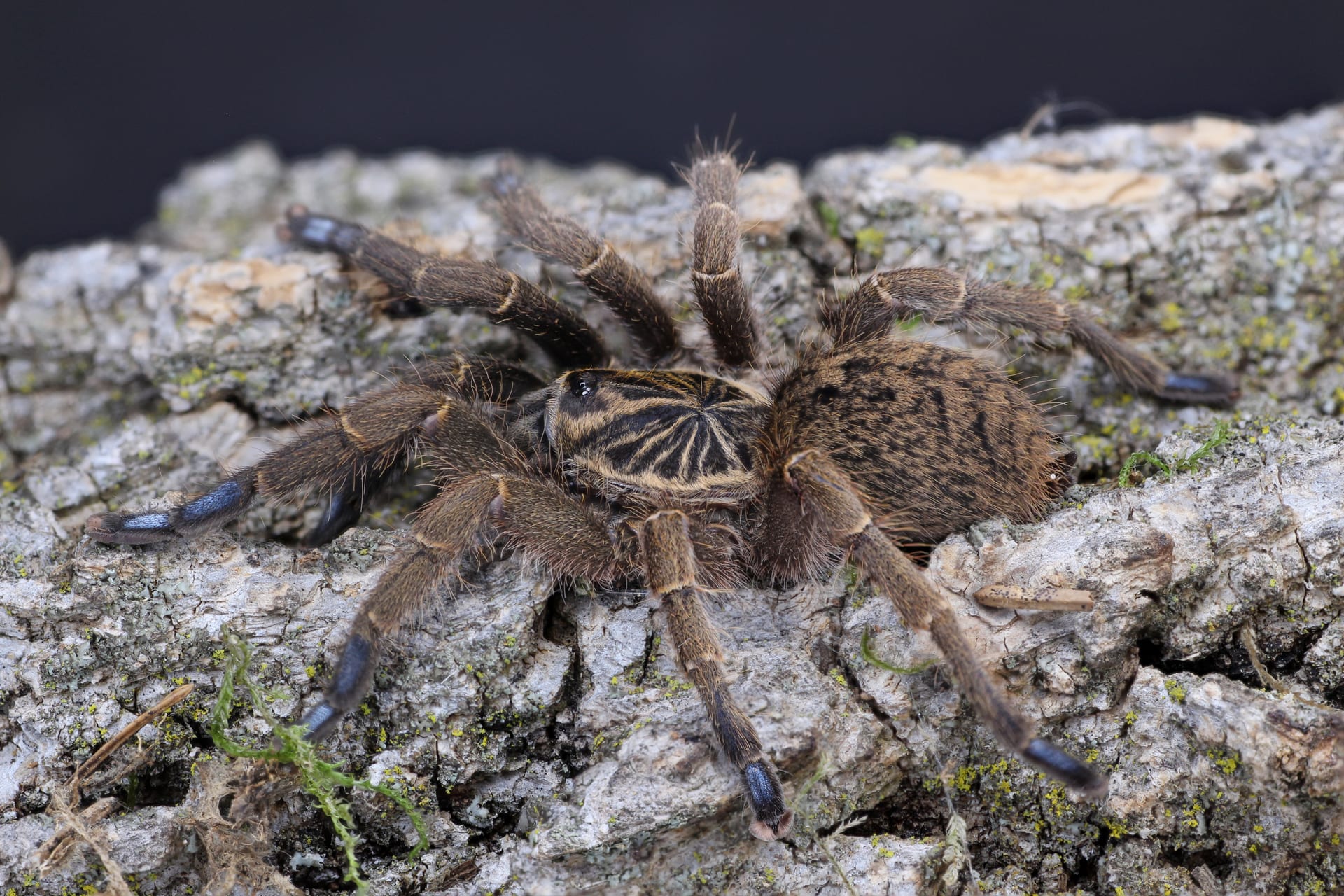
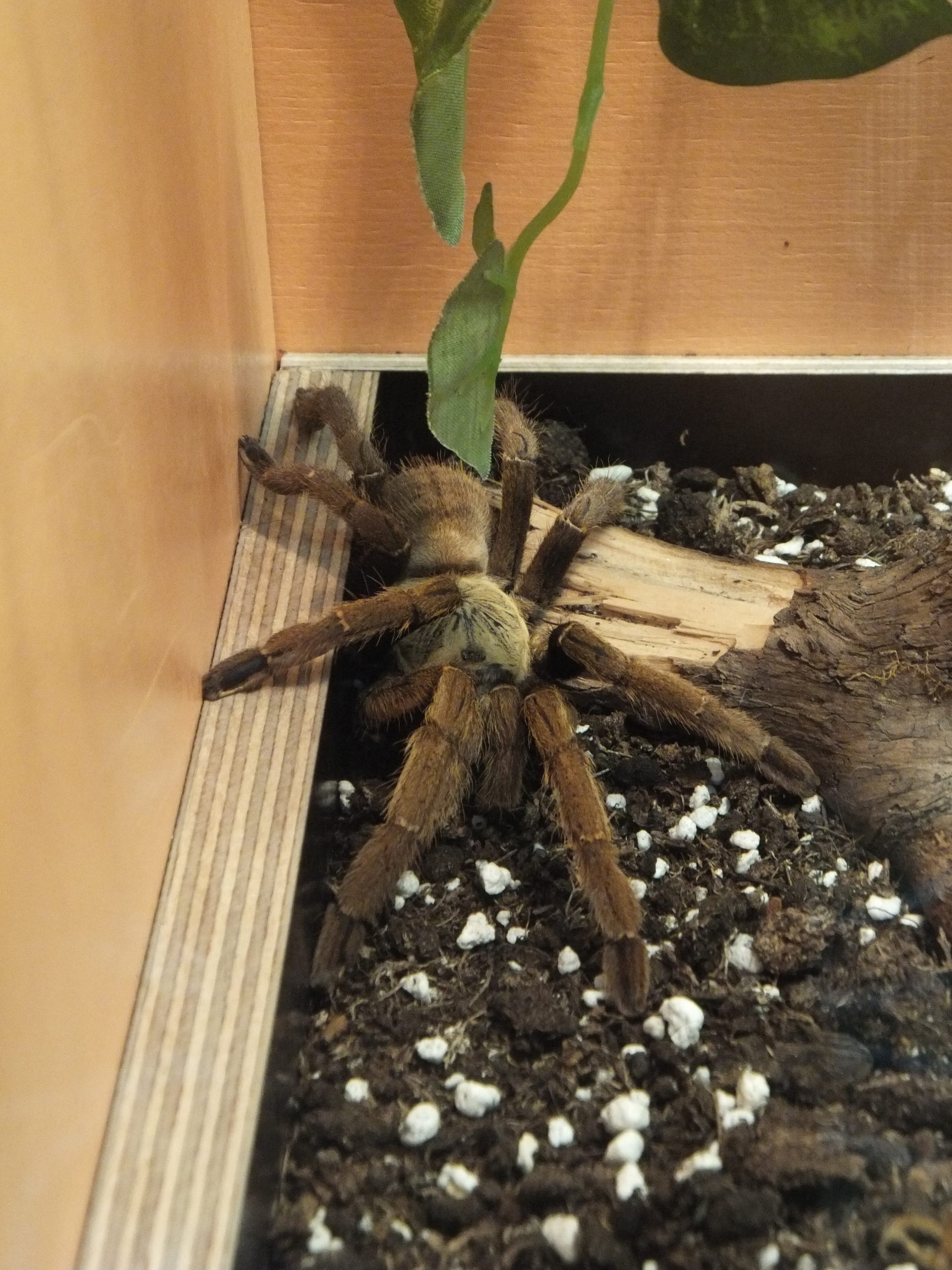
A large dark yellow-brown fossorial tarantula from Guangxi in China and Vietnam. It is described as one of the largest Asian spiders and its huwentoxins are a subject of venom research.
Difficulty
Advanced
Temperature
20〜24℃
Lifespan
Females are said to live up to 30 years
Size
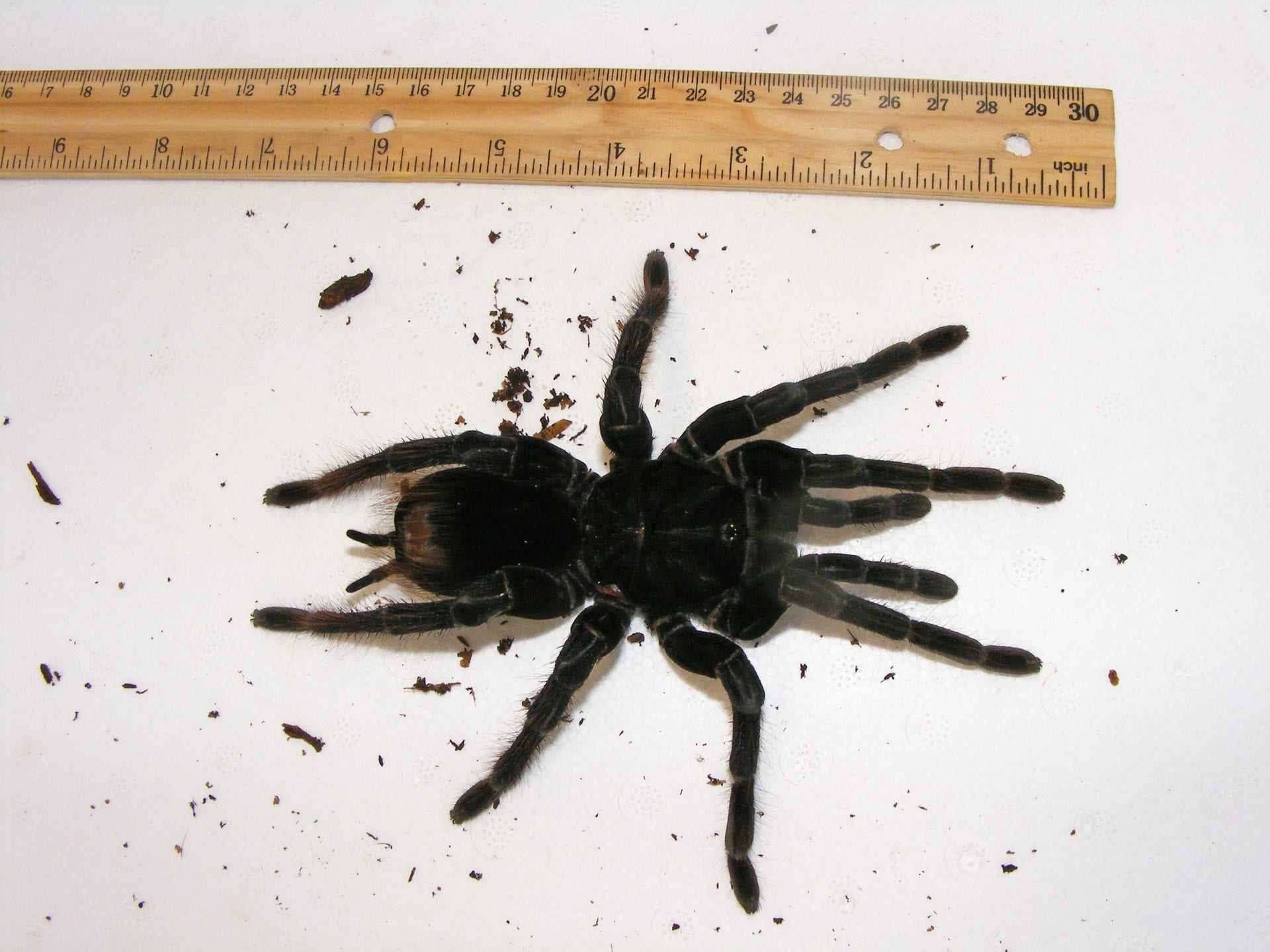
Body 5.3-8.5cm (female), leg span over 20cm
Humidity
70〜80%
Diet
Large live insects such as crickets and roaches
About
Cyriopagopus schmidti belongs to the Ornithoctoninae and occurs in Guangxi Zhuang Autonomous Region in China and neighbouring Vietnam. Von Wirth described it as Haplopelma schmidti in 1991 from a single female from Vietnam. Separately, Selenocosmia huwena, described by Wang and colleagues in 1993 from a female from Guangxi, was synonymised with it by Schmidt in 2000 and confirmed by Zhu and Zhang in 2008. It closely resembles C. hainanus from Hainan but is distinguished by its dark yellow-brown body and shorter maxillary thorns. It digs silk-lined burrows on south-facing slopes of 60 to 85 degrees, with silk alarm lines radiating from the entrance, and hunts large insects at night. The huwentoxins in its venom are well known as tools in ion channel research.
Source: Wikipedia (CC BY-SA 4.0)
Lifespan of the Chinese Golden Earth Tiger
The Chinese Golden Earth Tiger lives Females are said to live up to 30 years.
Size of the Chinese Golden Earth Tiger
The Chinese Golden Earth Tiger grows to Body 5.3-8.5cm (female), leg span over 20cm.
Females measure 5.3-8.5cm in body length with a leg span over 20cm and have been described as among the largest Asian spiders, while males are 3.7-4.4cm in body but have legs of similar length.
Temperature & humidity for the Chinese Golden Earth Tiger
The ideal temperature for the Chinese Golden Earth Tiger is 20〜24℃. Ideal humidity is 70〜80%.
Basic Info
Origin
Guangxi in southern China, and Vietnam
Care Specifications
AggressiveSolitary
Sources: The Spider Shop: Haplopelma schmidti / Tarantupedia: Cyriopagopus schmidti / Wikipedia: Cyriopagopus schmidti / GBIF
References & Sources
Edited & verified by: BreederDirect editorial team
The taxonomic, regulatory, and husbandry data on this page are compiled and verified against the authoritative primary sources below.
Taxonomy & Authority
Accepted name: Cyriopagopus schmidti (von Wirth, 1991)
Synonyms: Haplopelma schmidti von Wirth, 1991, Selenocosmia huwena Wang, Peng & Xie, 1993, Haplopelma huwenum
Authority databases: GBIF
Nomenclature follows global taxonomic authority databases.
Regulations & Conservation Status
Not CITES-listed
Sources: CITES Appendices (species not listed)
Regulations may change. Always verify the latest information with the relevant authorities.
Chinese Golden Earth Tiger Listings
Loading latest listingsFind listings for this species