Source: Wikimedia Commons
Bahia Scarlet Birdeater
IntermediateLasiodora klugi
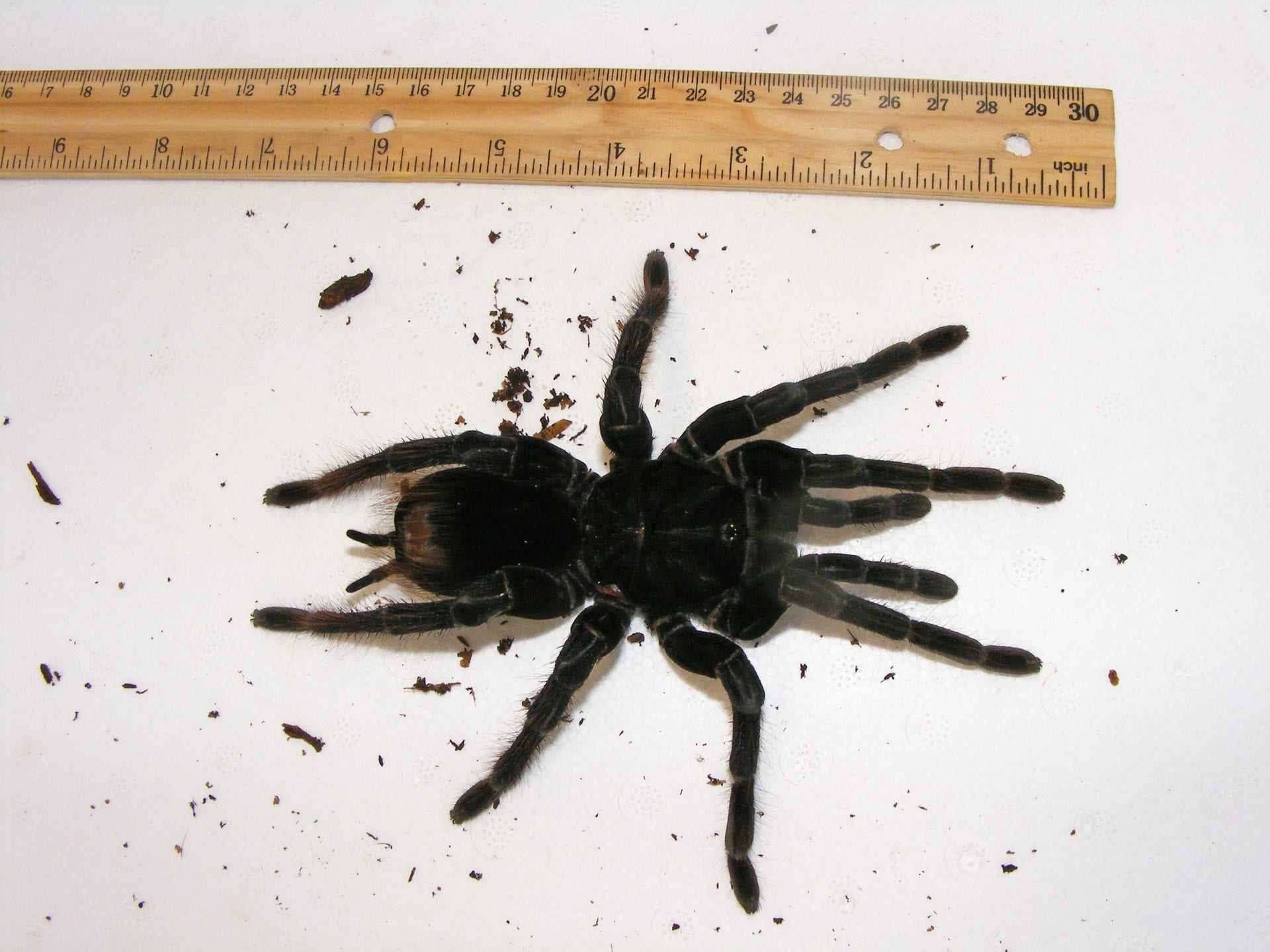
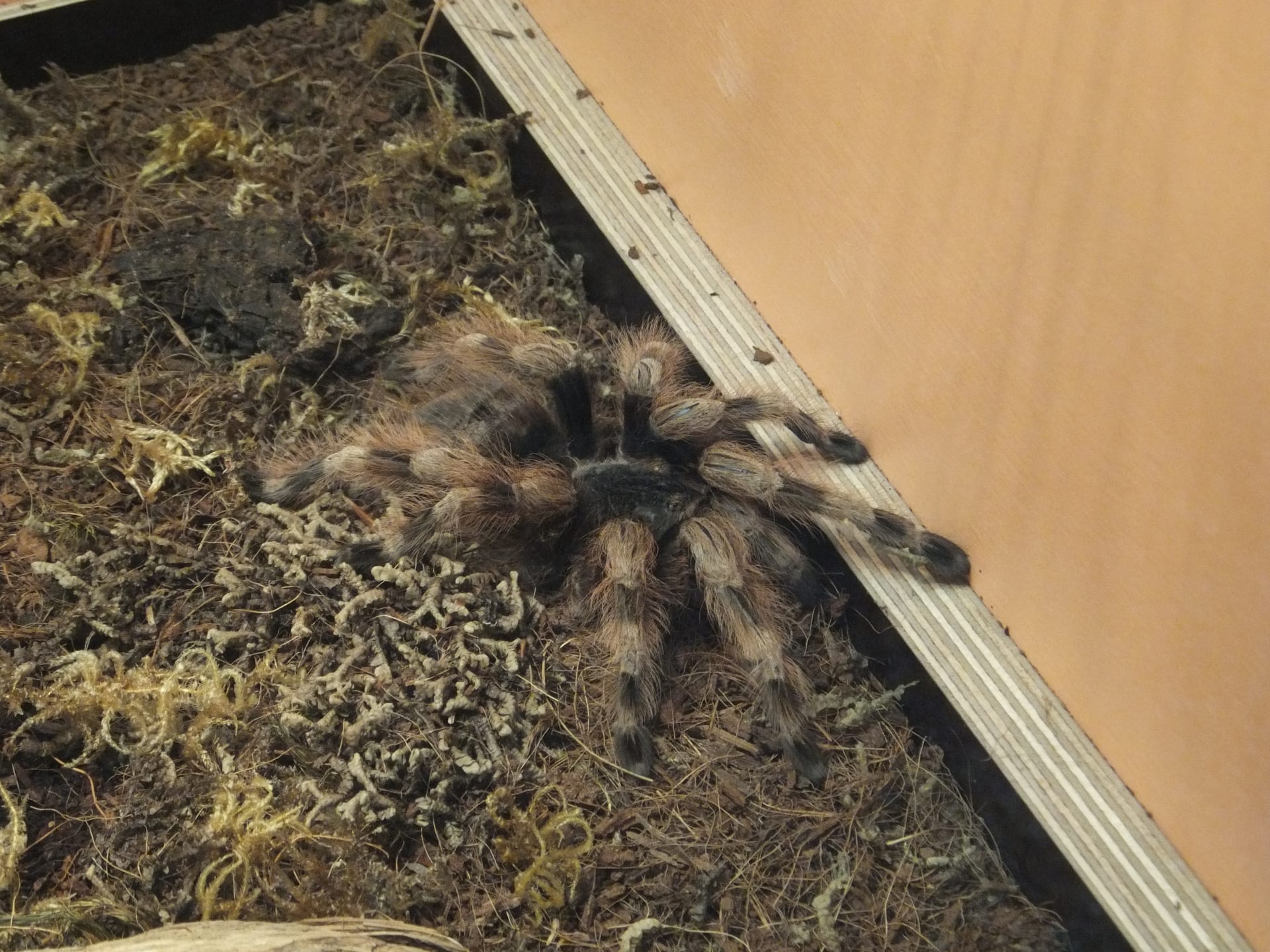
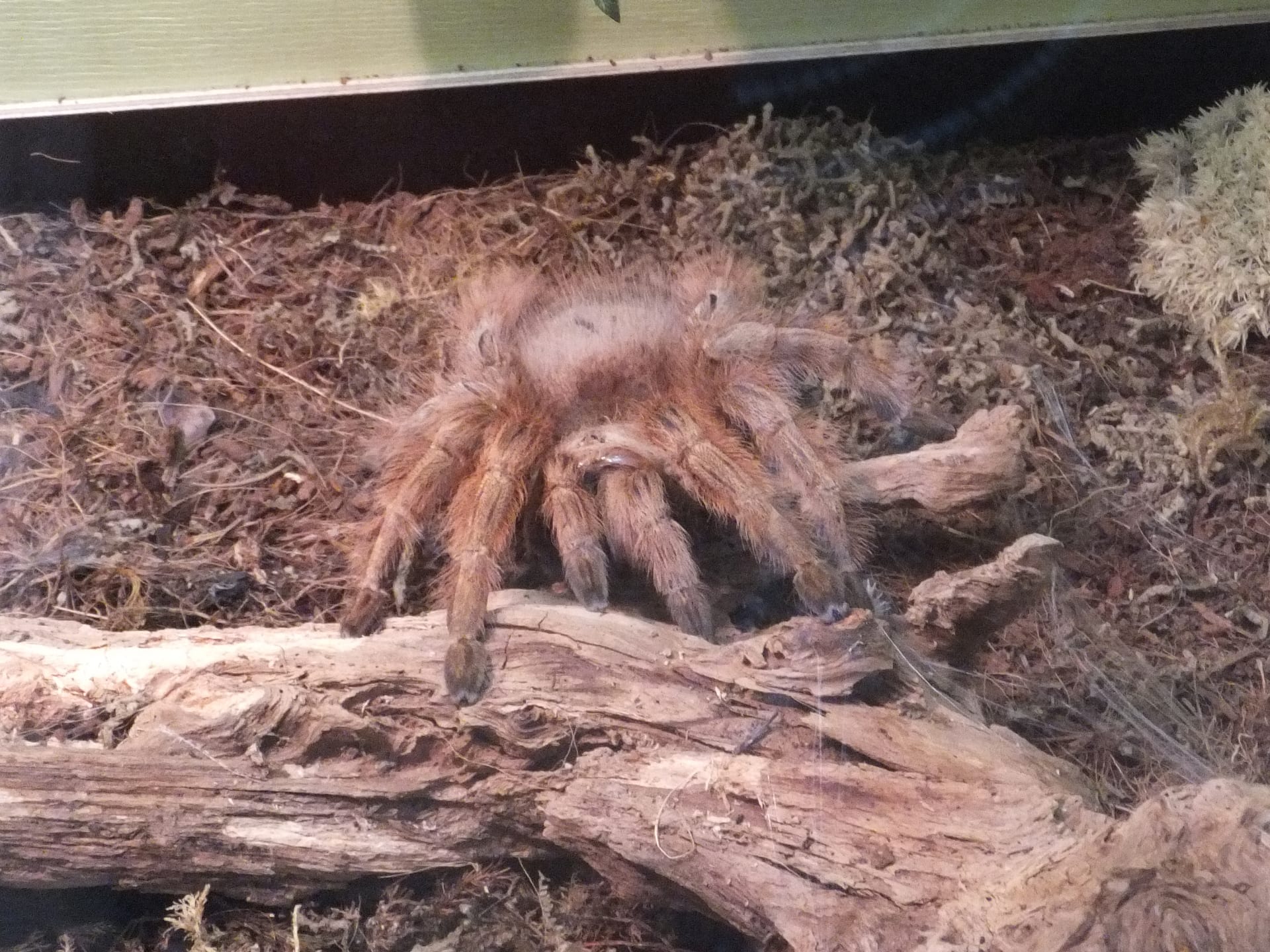
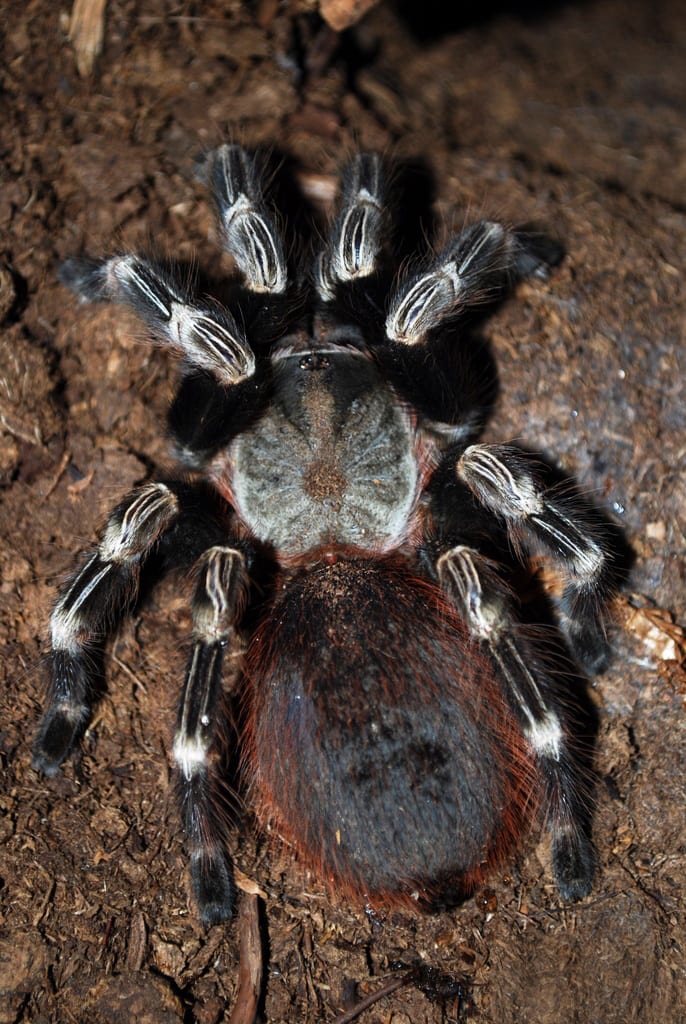
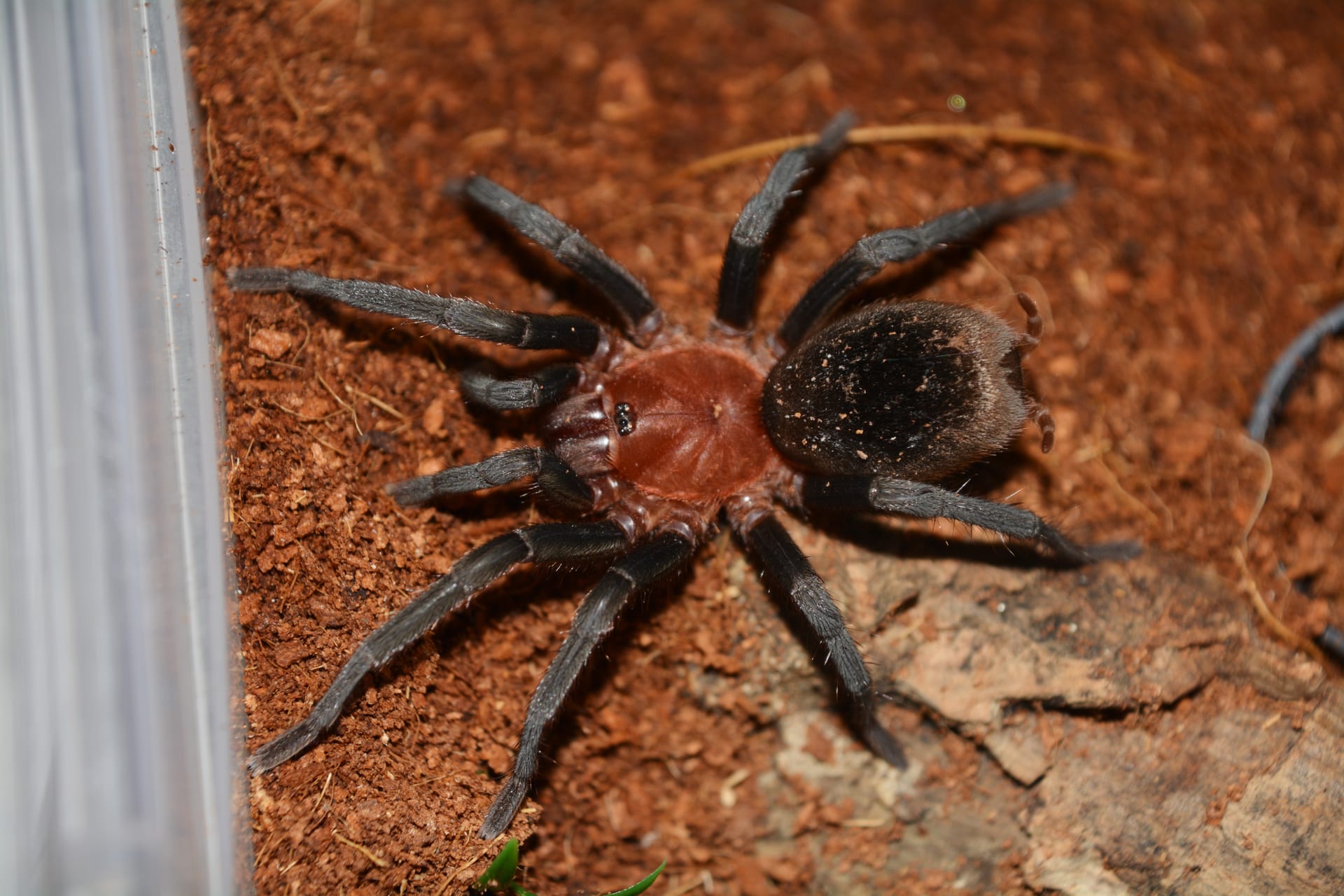
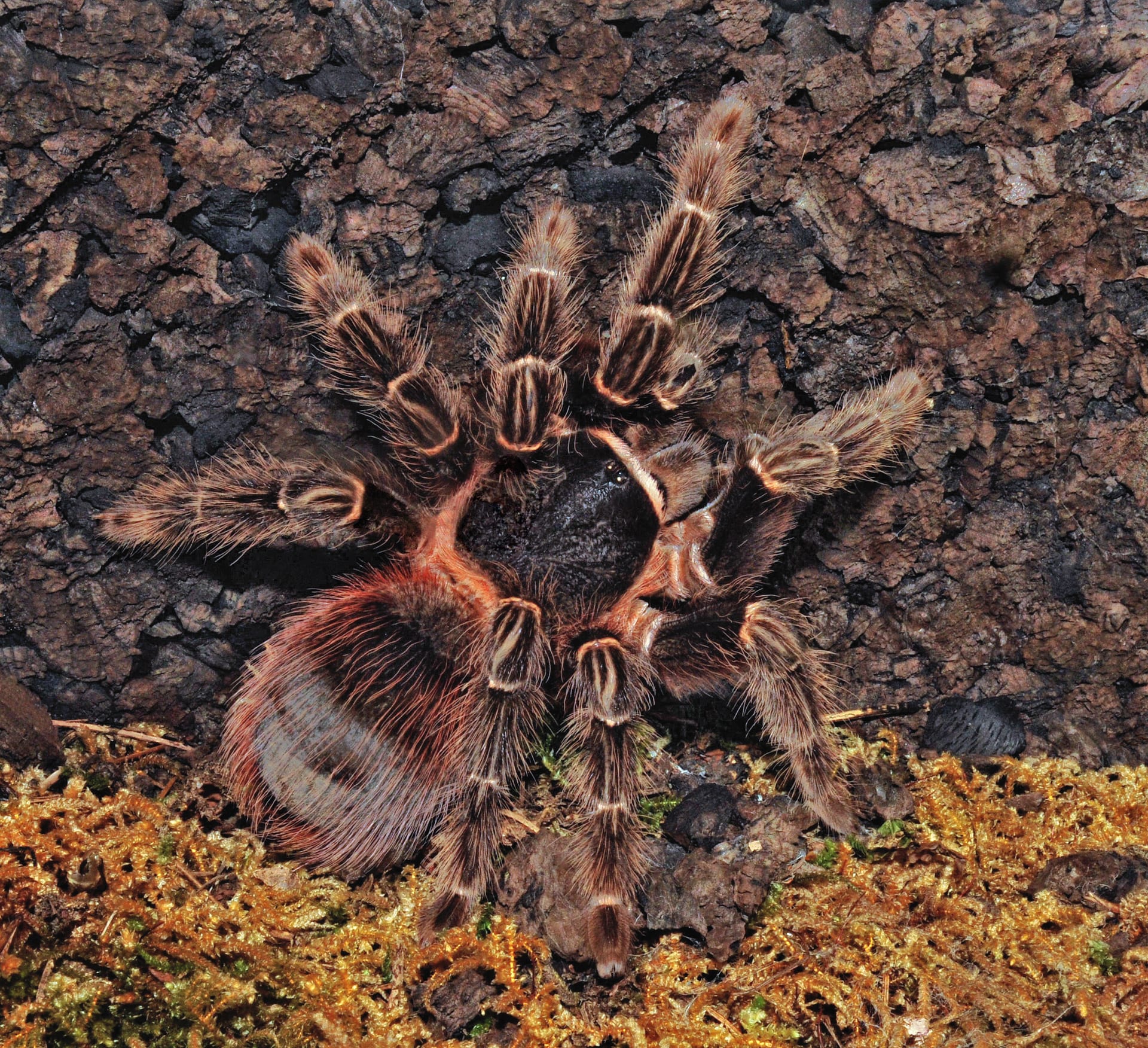
A large terrestrial tarantula, dark brown with long reddish setae on the abdomen, from Bahia in Brazil. Leg span exceeds 20cm. It is defensive and readily kicks urticating hairs, so it suits intermediate keepers.
Difficulty
Intermediate
Temperature
20〜24℃
Lifespan
Females up to about 20 years, males about 5 years
Size
Leg span 20-25cm, body 9-10cm
Humidity
65〜75%
Diet
Large live insects such as crickets and roaches
About
Lasiodora klugi was described by C. L. Koch in 1841 as Mygale klugii; its English name refers to the Brazilian state of Bahia. It resembles its relative Lasiodora parahybana but has deeper red setae on the abdomen and legs and a heavier build. The carapace and legs are brown to dark brown and the abdomen is black with long red setae. It is terrestrial but climbs more readily than most ground-dwelling species, digging a burrow yet sometimes simply sheltering under cover by day. It is nocturnal, highly active and has a very strong feeding response. It is hardy and undemanding about temperature and humidity, but its defensiveness and readiness to kick urticating hairs make it a species for intermediate keepers. Captive breeding remains uncommon and many animals in trade are wild caught.
Source: Wikipedia (CC BY-SA 4.0)
Lifespan of the Bahia Scarlet Birdeater
The Bahia Scarlet Birdeater lives Females up to about 20 years, males about 5 years.
Size of the Bahia Scarlet Birdeater
The Bahia Scarlet Birdeater grows to Leg span 20-25cm, body 9-10cm.
Body length is 9-10cm and leg span exceeds 20cm, placing it among the largest tarantulas in the world.
Temperature & humidity for the Bahia Scarlet Birdeater
The ideal temperature for the Bahia Scarlet Birdeater is 20〜24℃. Ideal humidity is 65〜75%.
Basic Info
Origin
Tropical forest and humid lowlands of northeastern Brazil (state of Bahia)
Care Specifications
Semi-aggressiveSolitaryBreeding: Hard
Sources: The Tarantula Collective: Lasiodora klugi / German Wikipedia: Lasiodora klugi / Wikipedia: Lasiodora klugi / GBIF
References & Sources
Edited & verified by: BreederDirect editorial team
The taxonomic, regulatory, and husbandry data on this page are compiled and verified against the authoritative primary sources below.
Taxonomy & Authority
Accepted name: Lasiodora klugi (C. L. Koch, 1841)
Synonyms: Mygale klugii C. L. Koch, 1841, Lasiodora bahiensis Strand, 1907
Authority databases: GBIF
Nomenclature follows global taxonomic authority databases.
Regulations & Conservation Status
Not CITES-listed
Sources: CITES Appendices (species not listed)
Regulations may change. Always verify the latest information with the relevant authorities.
Bahia Scarlet Birdeater Listings
Loading latest listingsFind listings for this species