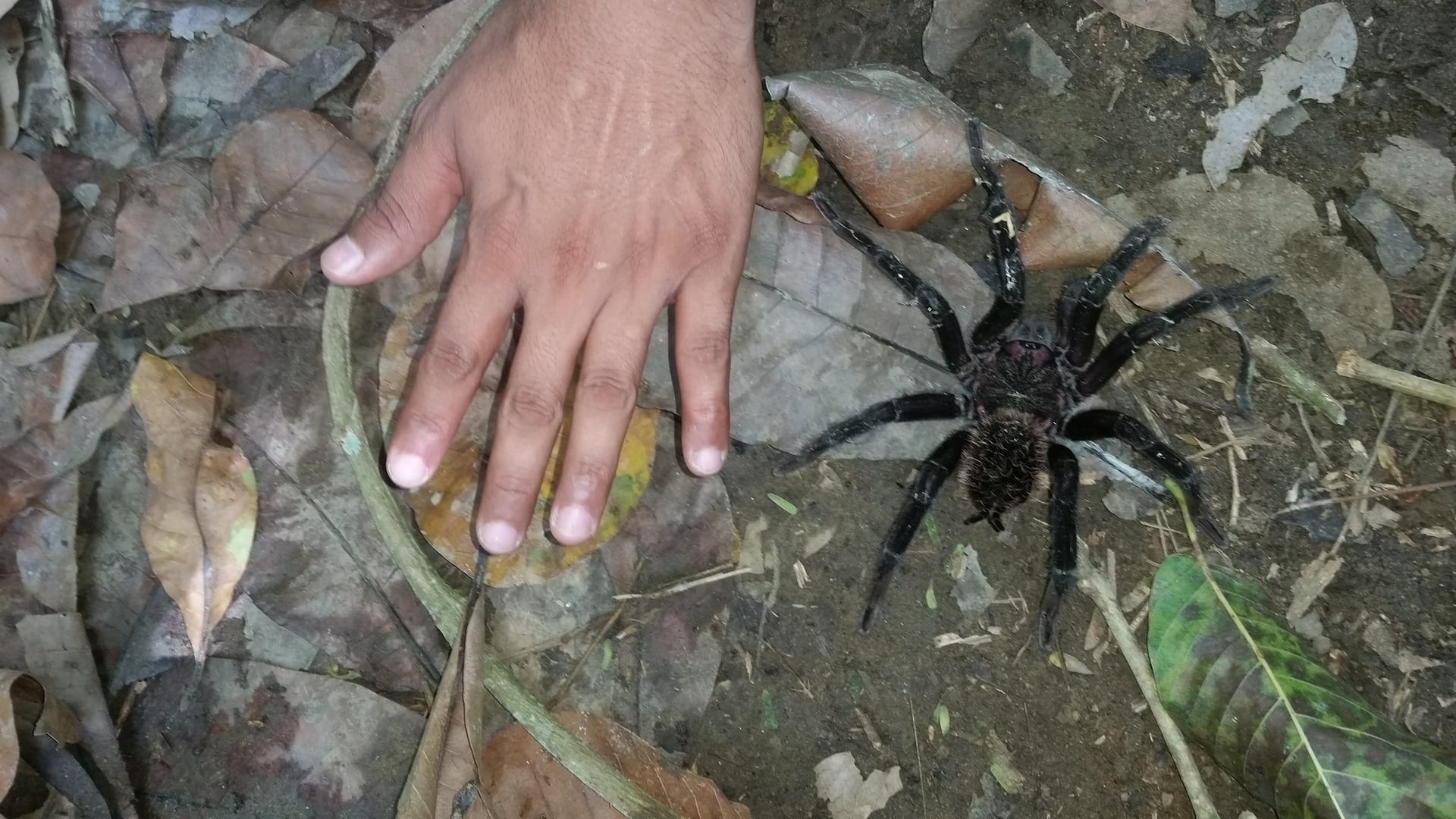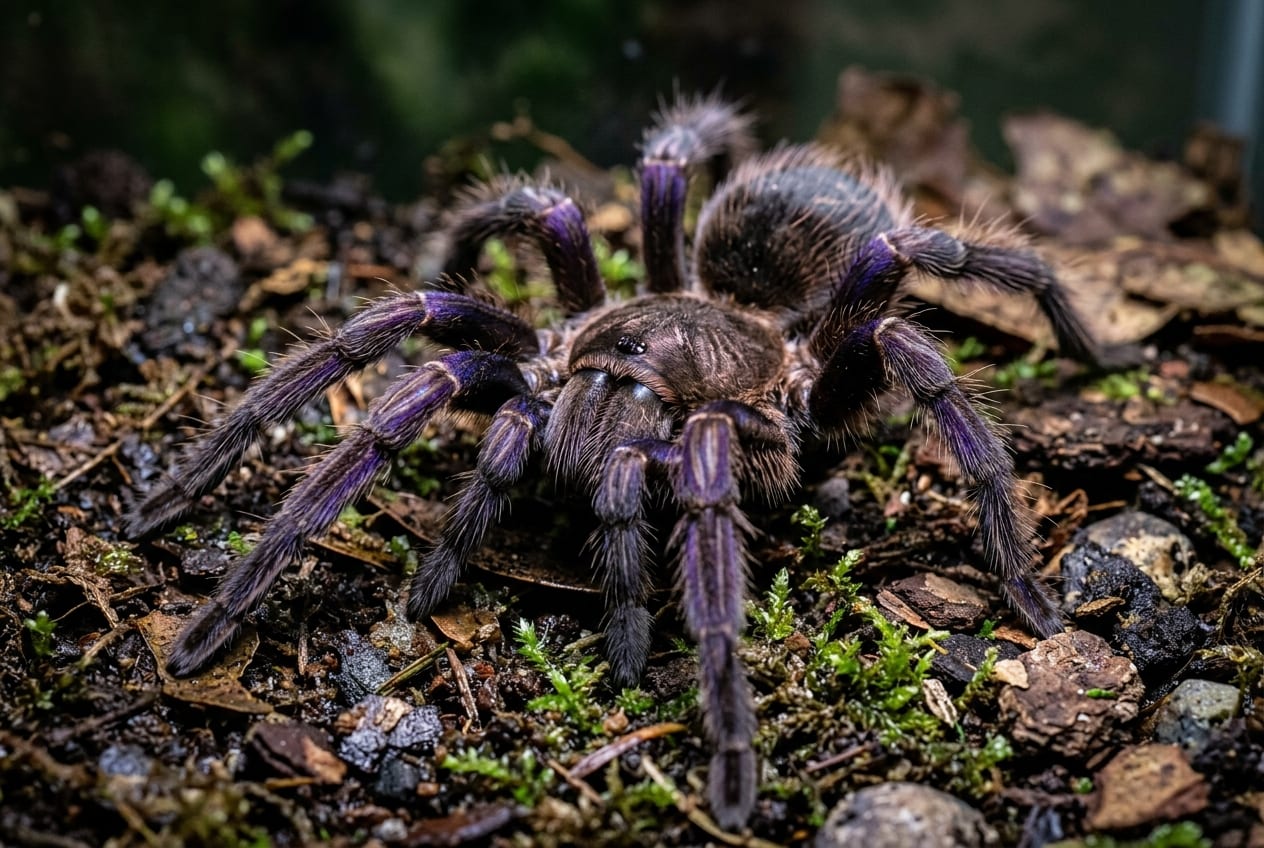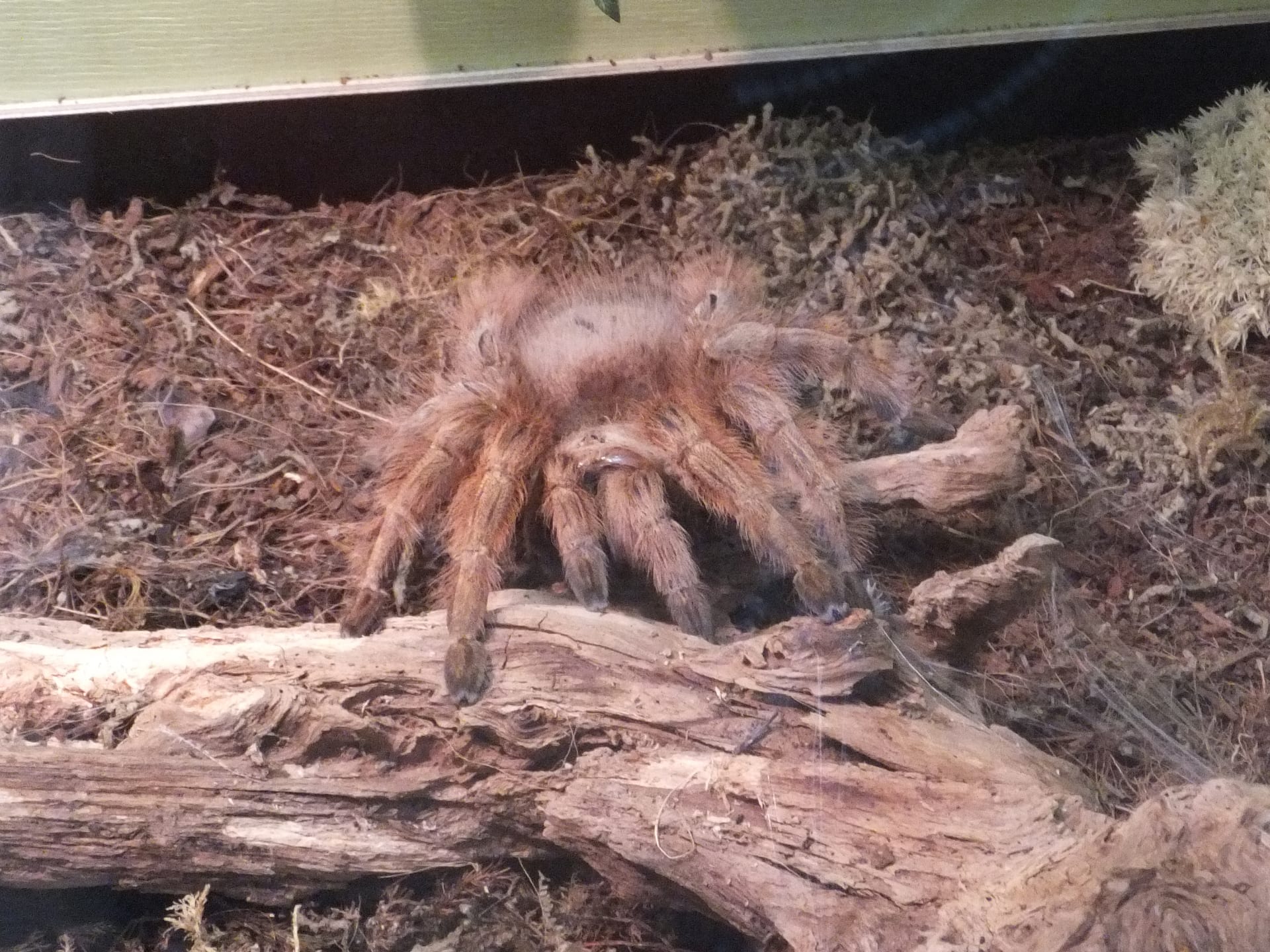
Source: Wikimedia Commons
Brazilian Giant Blonde
IntermediateNhandu tripepii
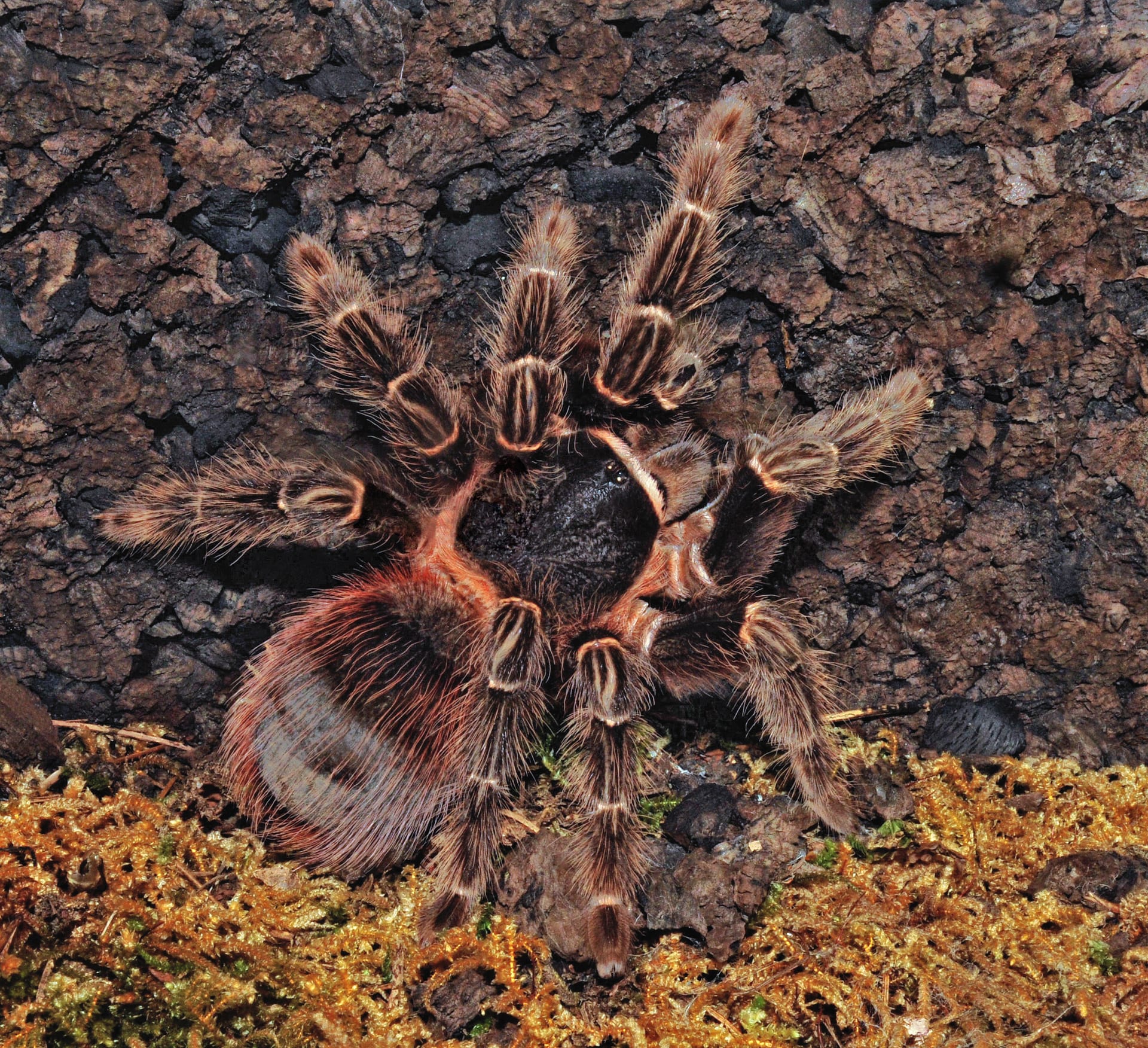
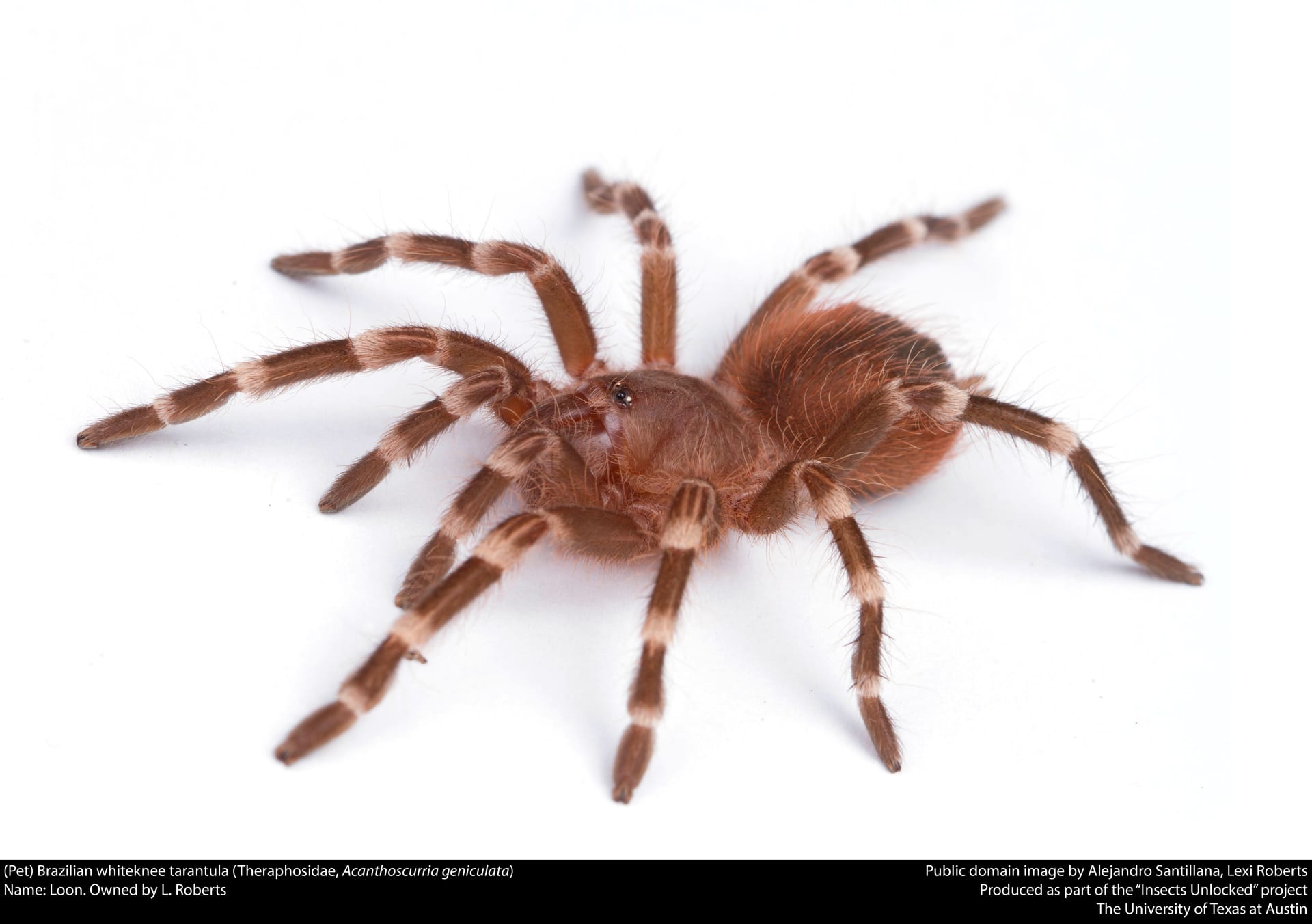
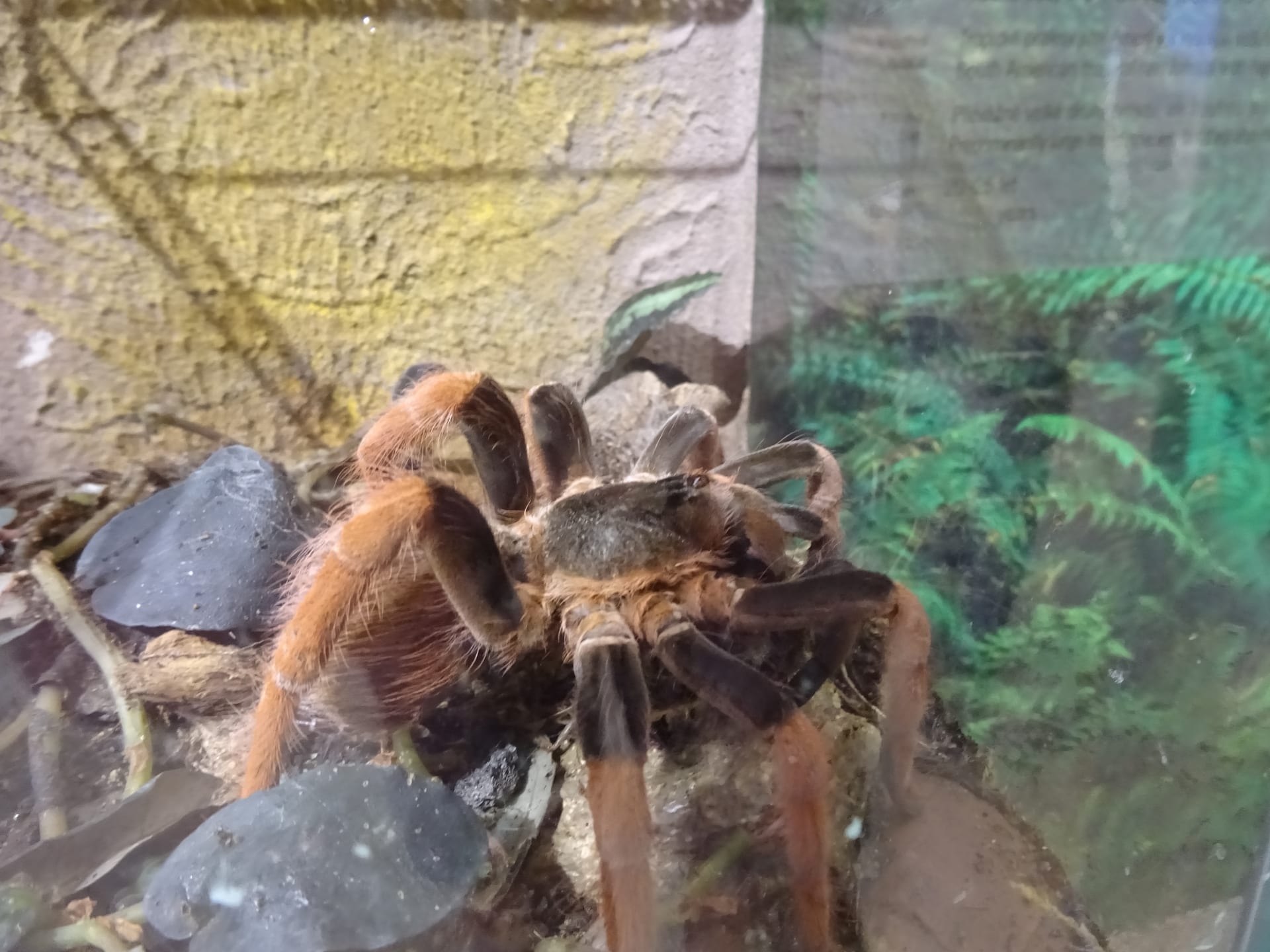
A large terrestrial tarantula whose brown carapace is clothed in long, curled salmon-pink setae. It lives on the floor of humid Amazonian forest in Brazil. It grows fast; juveniles are calm but adults turn feisty.
Difficulty
Intermediate
Temperature
25〜29℃
Lifespan
Females 15-20 years in captivity; males about one year after their final moult
Size
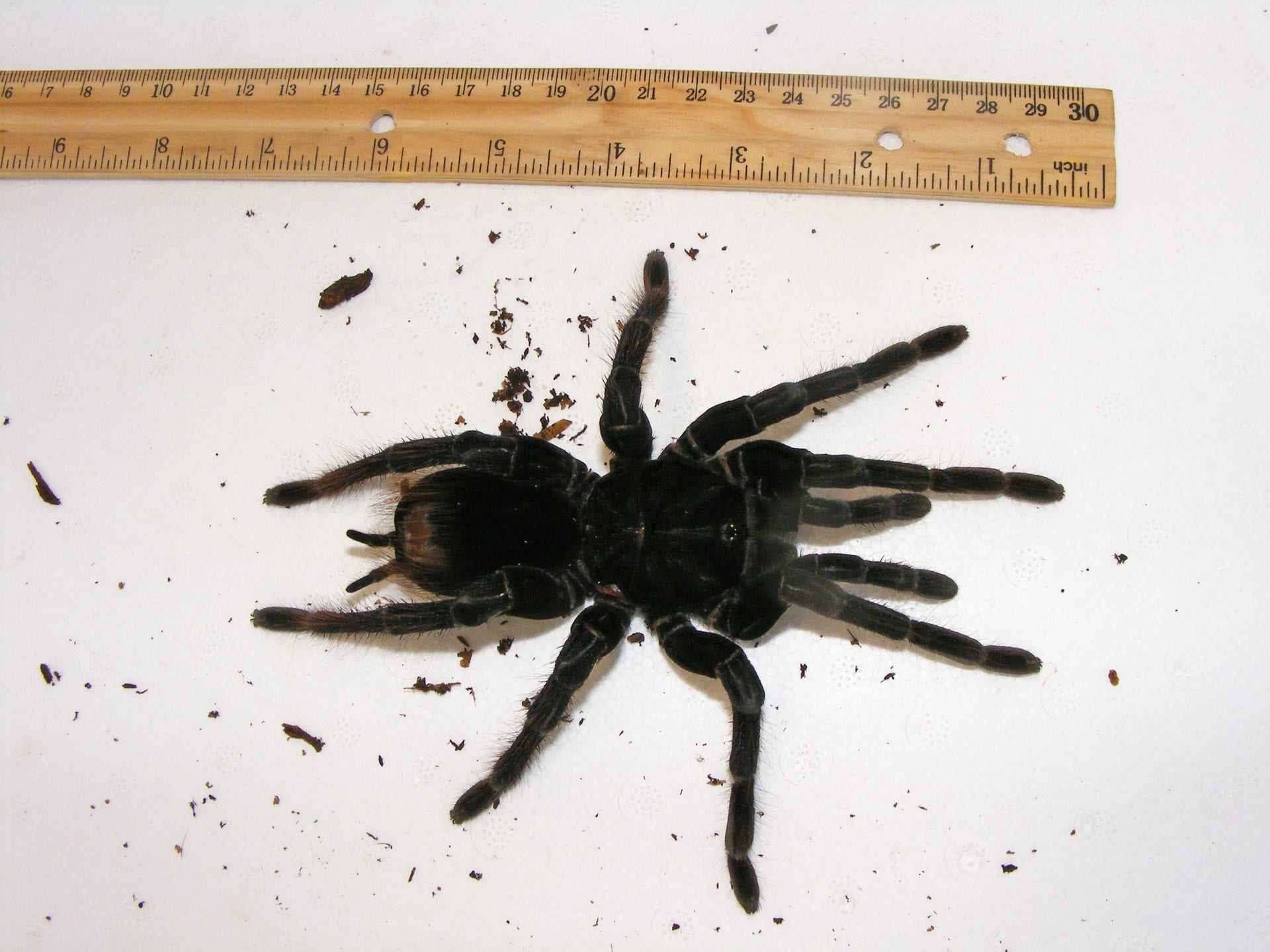
Body 7cm to over 8cm (female) and 5-6cm (male)
Humidity
75〜80%
Diet
Live insects such as crickets and roaches
About
Nhandu tripepii was described by Dresco in 1984 as Eurypelma tripepii from material collected in Para, Brazil. Raven moved it to Hapalopus in 1985, and in 2009 Nagahama, Fukushima and Bertani placed it in Nhandu and synonymised N. vulpinus, described as a separate species in 1998, with it. The brown carapace is clothed in short salmon-pink setae together with very long curled ones, the curled setae being proportionally more abundant in females. It lives on the floor of humid tropical forest in northeastern Para and northwestern Maranhao. In captivity 25-29 C and 75-80 percent humidity with damp substrate suit it, though it tolerates spells of drier conditions fairly well. Juveniles are calm but adults become feisty, and the urticating hairs make it unsuitable for beginners. Breeding is relatively easy, with 500 to 1500 spiderlings per egg sac.
Source: Wikipedia (CC BY-SA 4.0)
Lifespan of the Brazilian Giant Blonde
The Brazilian Giant Blonde lives Females 15-20 years in captivity; males about one year after their final moult.
Size of the Brazilian Giant Blonde
The Brazilian Giant Blonde grows to Body 7cm to over 8cm (female) and 5-6cm (male).
Females reach 7cm to over 8cm in body length and males 5-6cm.
Temperature & humidity for the Brazilian Giant Blonde
The ideal temperature for the Brazilian Giant Blonde is 25〜29℃. Ideal humidity is 75〜80%.
Basic Info
Origin
Humid tropical forest in the Brazilian Amazon (northeastern Para and northwestern Maranhao)
Care Specifications
Semi-aggressiveSolitaryBreeding: Easy
Sources: Polish Wikipedia: Nhandu tripepii (husbandry) / Wikipedia: Nhandu tripepii / GBIF
References & Sources
Edited & verified by: BreederDirect editorial team
The taxonomic, regulatory, and husbandry data on this page are compiled and verified against the authoritative primary sources below.
Taxonomy & Authority
Accepted name: Nhandu tripepii (Dresco, 1984)
Synonyms: Eurypelma tripepii Dresco, 1984, Nhandu vulpinus (Schmidt & Samm, 1998)
Authority databases: GBIF
Nomenclature follows global taxonomic authority databases.
Regulations & Conservation Status
Not CITES-listed
Sources: CITES Appendices (species not listed)
Regulations may change. Always verify the latest information with the relevant authorities.
Brazilian Giant Blonde Listings
Loading latest listingsFind listings for this species