Source: Wikimedia Commons
Brazilian Whiteknee
BeginnerAcanthoscurria geniculata
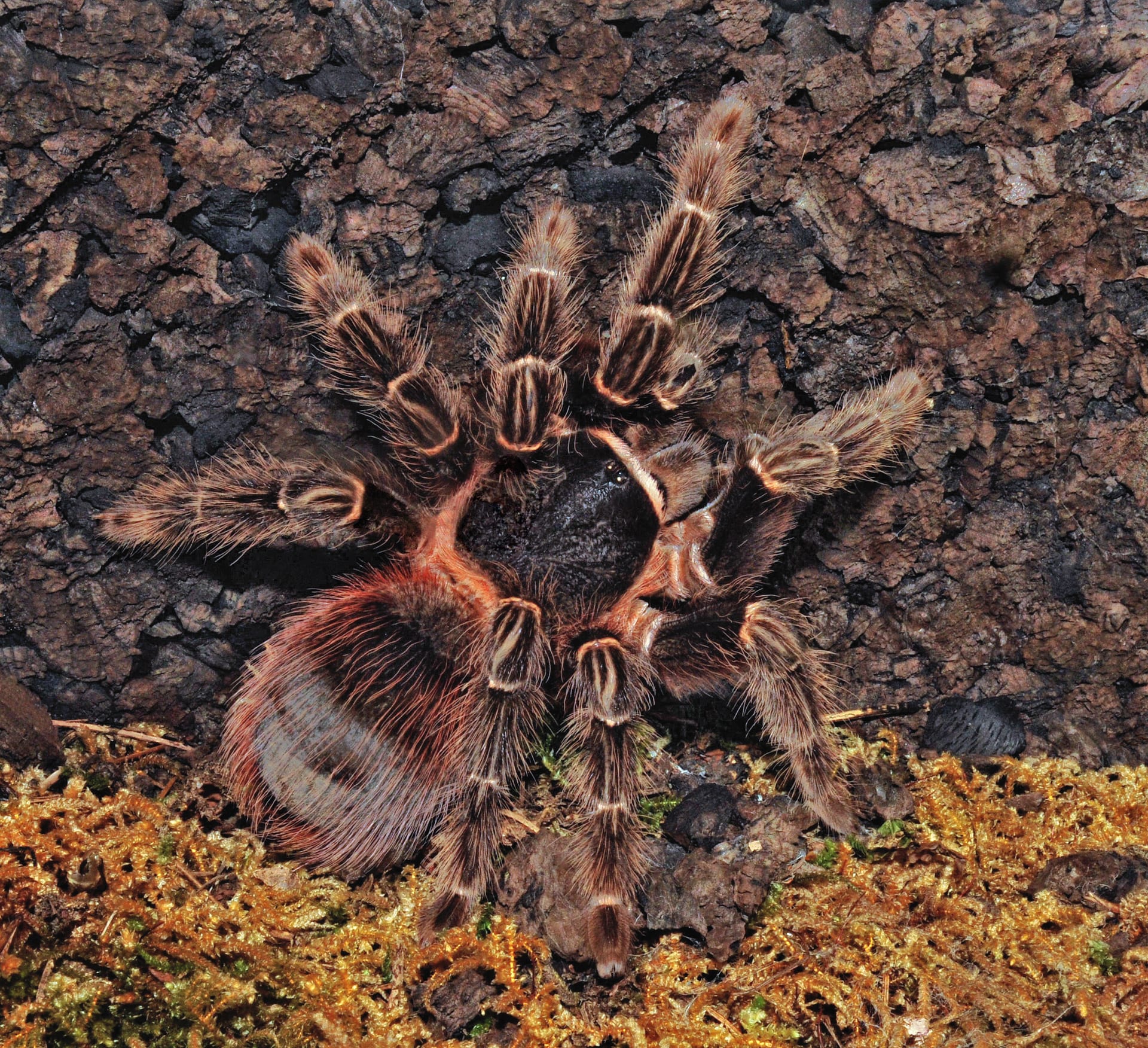
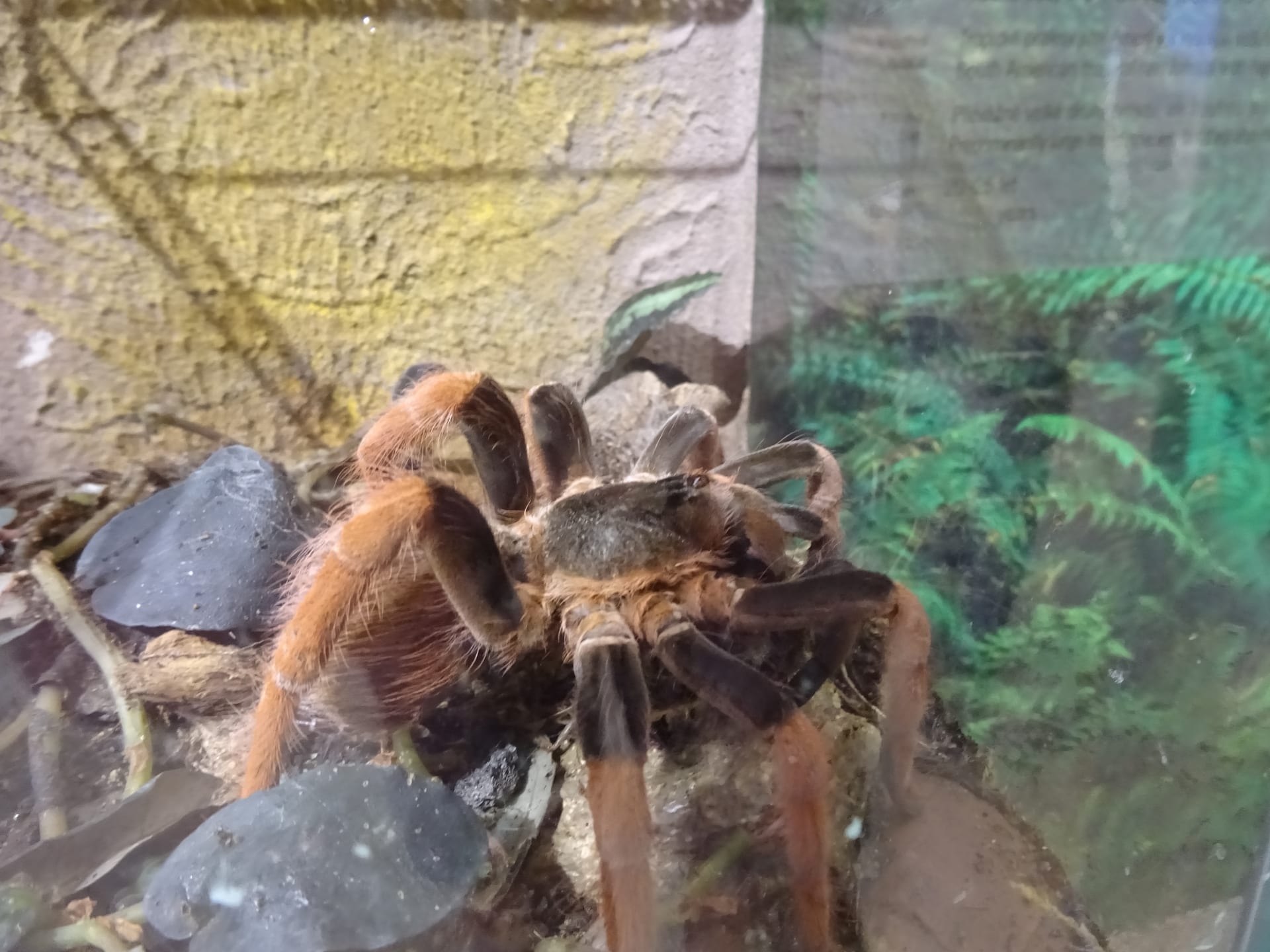
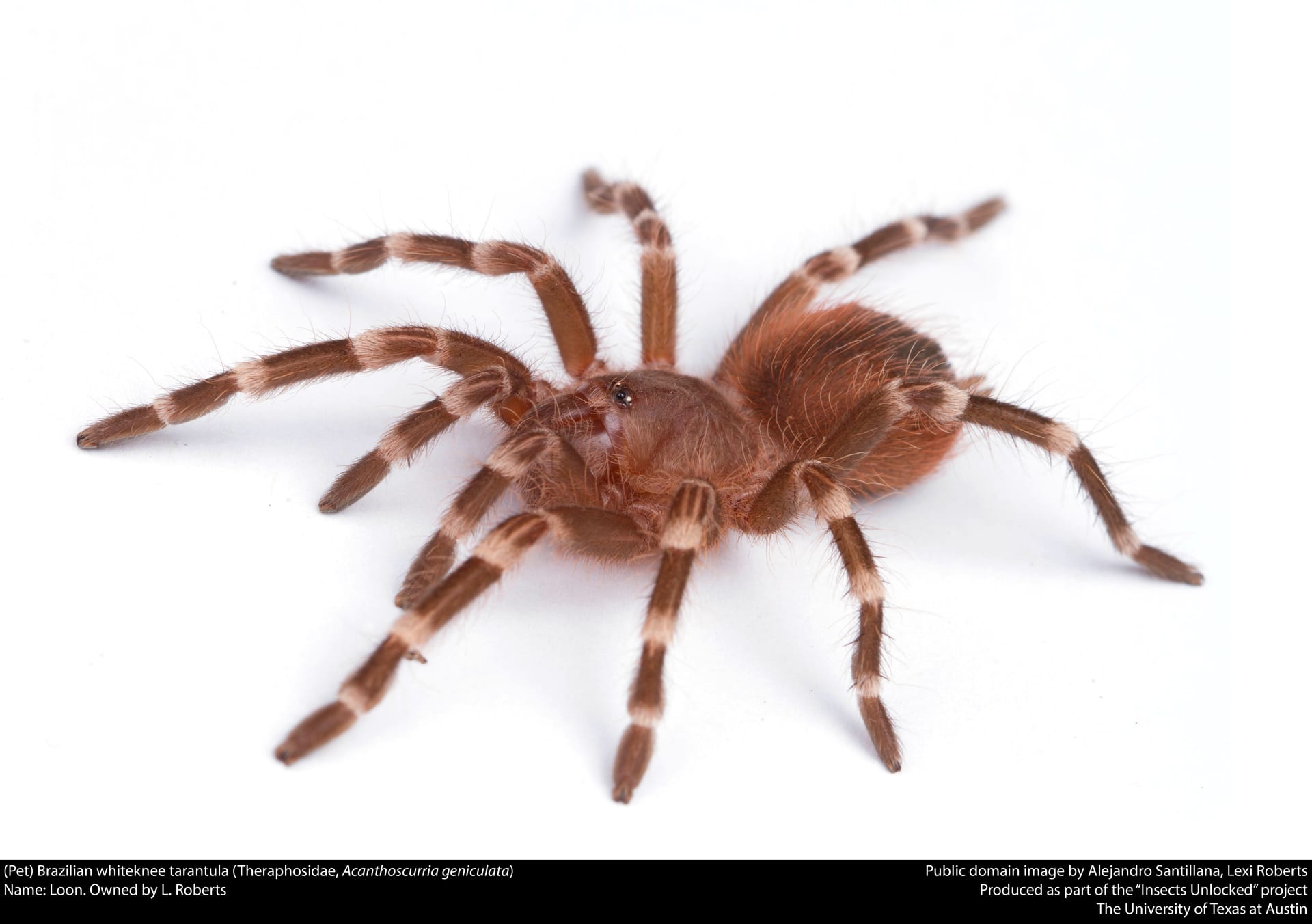
A large terrestrial tarantula, deep brown to black with bright white bands at the leg joints. Fast-growing, hardy and active in its enclosure even by day, it makes a rewarding display animal and is widely traded as a beginner species.
Difficulty
Beginner
Temperature
20〜24℃
Lifespan
Females up to about 20 years, males about 4 years
Size
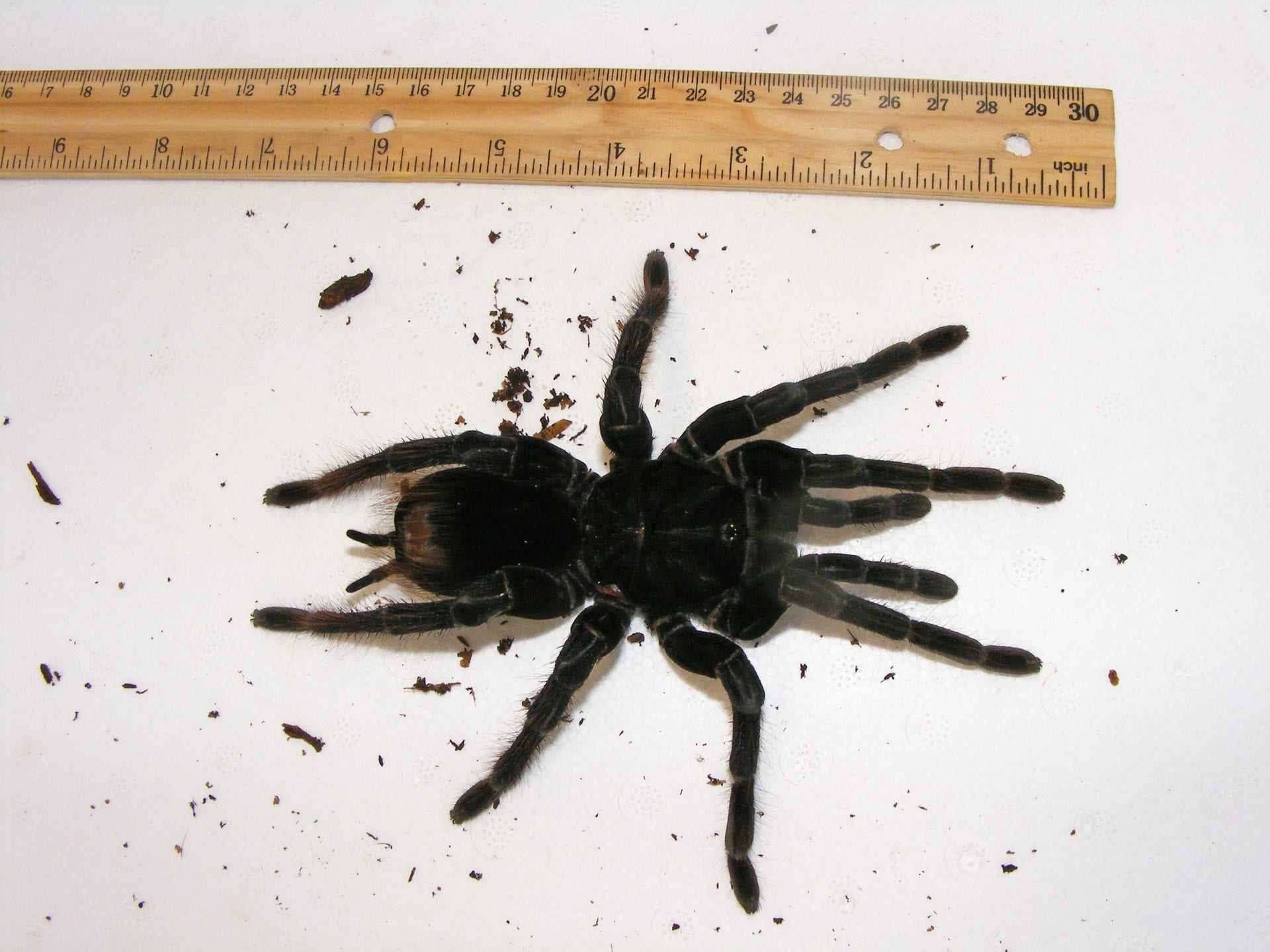
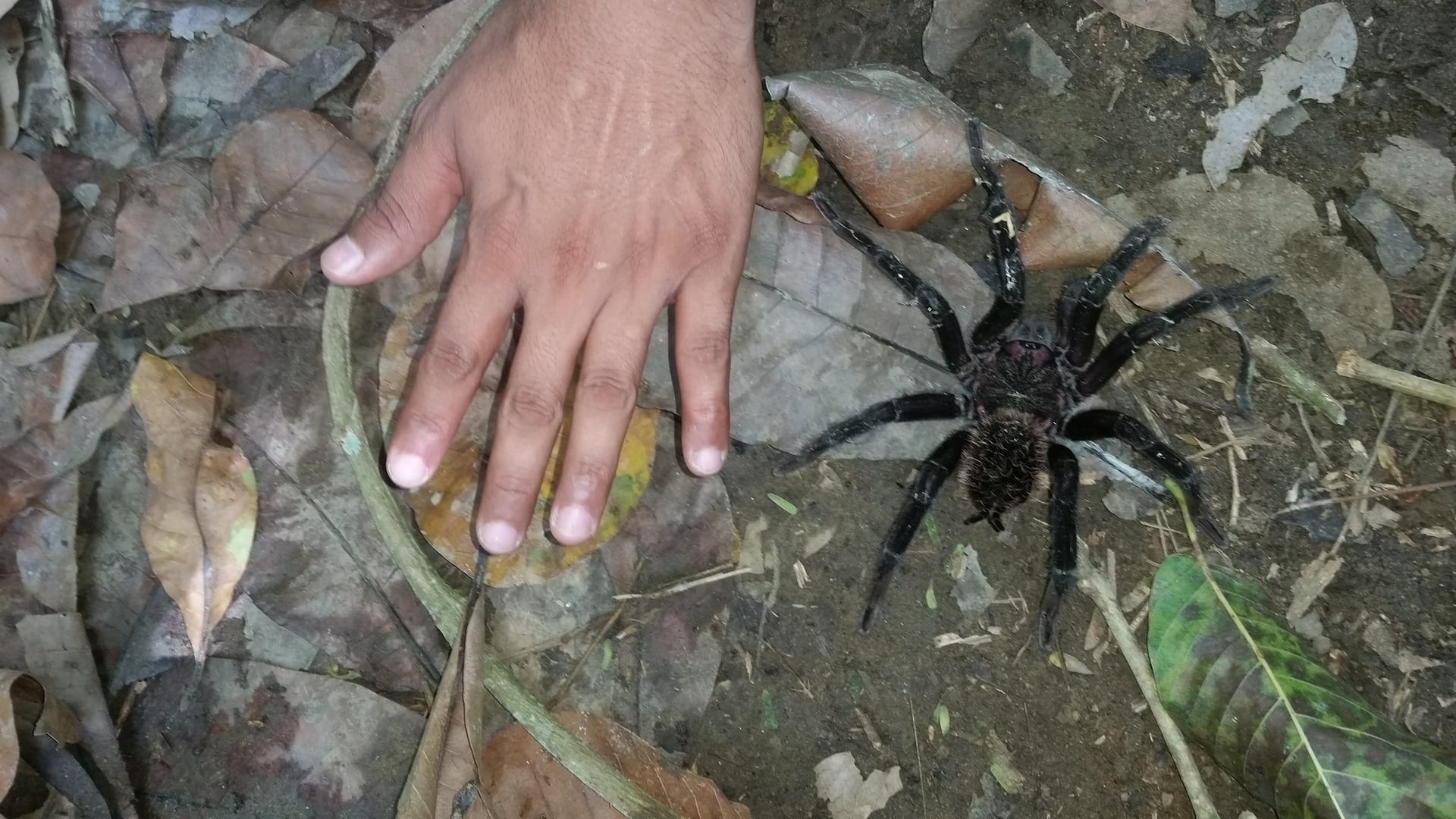
Leg span up to 21cm, body about 9cm
Humidity
70〜75%
Diet
Large live insects such as crickets and roaches
About
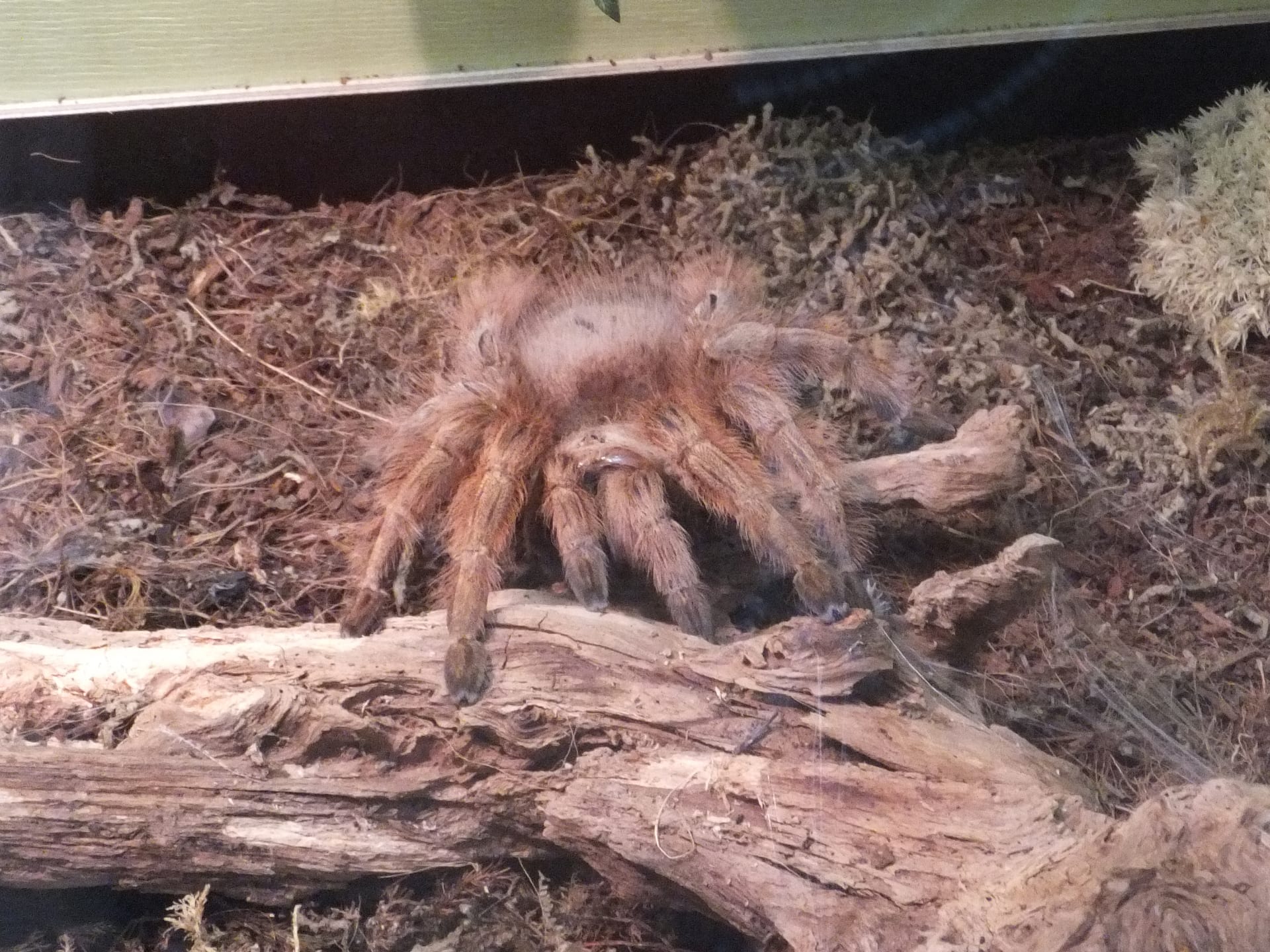
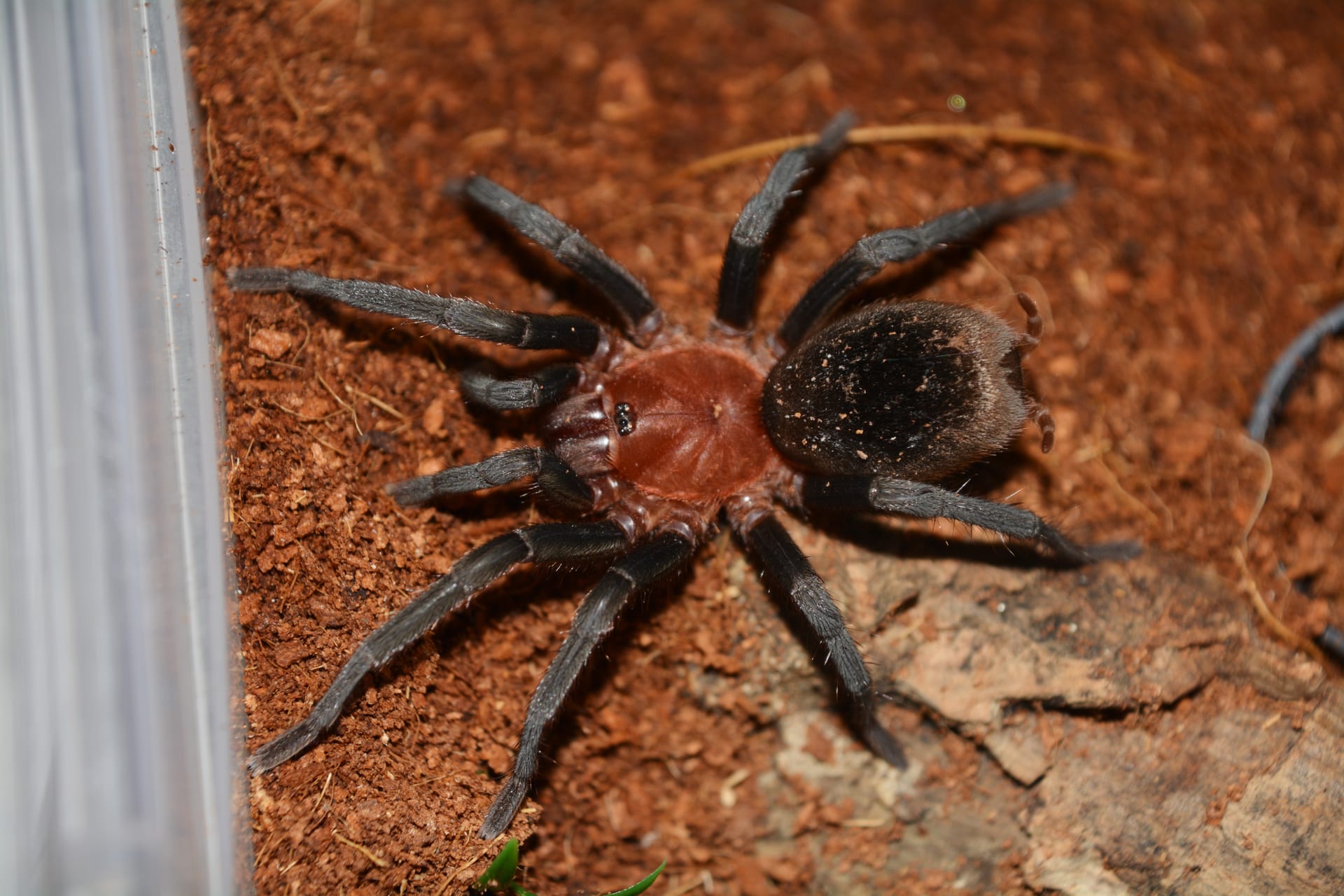
Acanthoscurria geniculata was described by C. L. Koch in 1841 and is a large terrestrial tarantula from the Amazon basin of northern Brazil, where rainfall is abundant and there is little or no dry season. Body and legs are deep brown, sometimes with pink or orange setae, and the bright white bands at the leg joints are its defining feature. Males are smaller and less intensely coloured. Its feeding response is very strong and, unlike many ambush species, it roams its enclosure actively even by day, which makes it a rewarding display animal. It is hardy and undemanding, so it is widely recommended to beginners, but it carries type I and type III urticating hairs that irritate skin strongly. The venom is not considered medically significant, although the spider's size means a bite can cause physical tissue damage.
Source: Wikipedia (CC BY-SA 4.0)
Lifespan of the Brazilian Whiteknee
The Brazilian Whiteknee lives Females up to about 20 years, males about 4 years.
Size of the Brazilian Whiteknee
The Brazilian Whiteknee grows to Leg span up to 21cm, body about 9cm.
Body length reaches 9cm and leg span 21cm, and growth is fast, with females maturing in three to four years.
Temperature & humidity for the Brazilian Whiteknee
The ideal temperature for the Brazilian Whiteknee is 20〜24℃. Ideal humidity is 70〜75%.
Basic Info
Origin
Northern Brazil, in the rainforest of the Amazon basin
Care Specifications
Semi-aggressiveSolitary
Sources: The Tarantula Collective: Acanthoscurria geniculata / Polish Wikipedia: Acanthoscurria geniculata (husbandry) / Wikipedia: Brazilian whiteknee tarantula / GBIF
References & Sources
Edited & verified by: BreederDirect editorial team
The taxonomic, regulatory, and husbandry data on this page are compiled and verified against the authoritative primary sources below.
Taxonomy & Authority
Accepted name: Acanthoscurria geniculata (C. L. Koch, 1841)
Authority databases: GBIF
Nomenclature follows global taxonomic authority databases.
Regulations & Conservation Status
Not CITES-listed
Sources: CITES Appendices (species not listed)
Regulations may change. Always verify the latest information with the relevant authorities.
Brazilian Whiteknee Listings
Loading latest listingsFind listings for this species