Beginner's Guide to Exotic Spider and Tarantula Care | Species, Equipment, and Safe Handling
A beginner's guide to keeping exotic spiders including tarantulas. This guide explains the fundamental knowledge needed for exotic spider care, covering recommended species for beginners, how to choose housing and substrate, feeding methods, molting care, safe handling, and regulatory compliance.
Key Takeaways
A beginner's guide to keeping exotic spiders including tarantulas. This guide explains the fundamental knowledge needed for exotic spider care, covering recommended species for beginners, how to choose housing and substrate, feeding methods, molting care, safe handling, and regulatory compliance.
What Kind of Creatures Are Tarantulas and Exotic Spiders?
Tarantulas belong to the family Theraphosidae (not the Pholcidae family), and are a general term for large spiders. Over 900 species have been recorded worldwide, distributed primarily throughout tropical and subtropical regions. Within Japan, a limited number of species are included in CITES (Convention on International Trade in Endangered Species) appendices, but most commercially available species are not regulated.
The growing popularity of exotic spiders stems from advantages such as "requiring minimal space," "producing no sound," and "offering enjoyment through observation rather than interaction." However, it is crucial to approach them not as traditional "pets," but as "living creatures for observation and care."
Major Categories of Exotic Spiders
Category
Representative Species
Characteristics
Ground-dwelling tarantulas
Burmese earth tiger, Mexican red-knee
Burrowing behavior, easy to observe terrestrial lifestyle
Arboreal tarantulas
Poecilotheria species (Indian ornamental, etc.)
Fast movement, stronger venom, advanced keepers only
Old World tarantulas
Strixbow tarantulas (Haploclastus genus)
Strong venom, compact, vibrant coloration
Red-back spider relatives (ornamental)
✍️
BreederDirect Editorial
The BreederDirect editorial team specializes in care information for animals, covering veterinary care and breeding to deliver beginner-friendly guides.
Find Exotic Invertebrates on BreederDirect
Buy directly from verified breeders
Browse Related Listings
Find Exotic Invertebrates listings related to this article on BreederDirect. Buy directly from verified breeders.
Tarantula beginners are best suited to ground-dwelling species with slow movement and relatively weak venom.
Grammostola pulchripes (Chilean flame tarantula)
Difficulty: Beginner
Body length (adult female): Approximately 12–14 cm
Temperament: Docile with slow movement
Lifespan: Females 20–30 years; males 3–4 years
Characteristics: A desert species resistant to dryness, with straightforward water management. Displays vibrant orange-to-pink coloration after molting, making it a beautiful species.
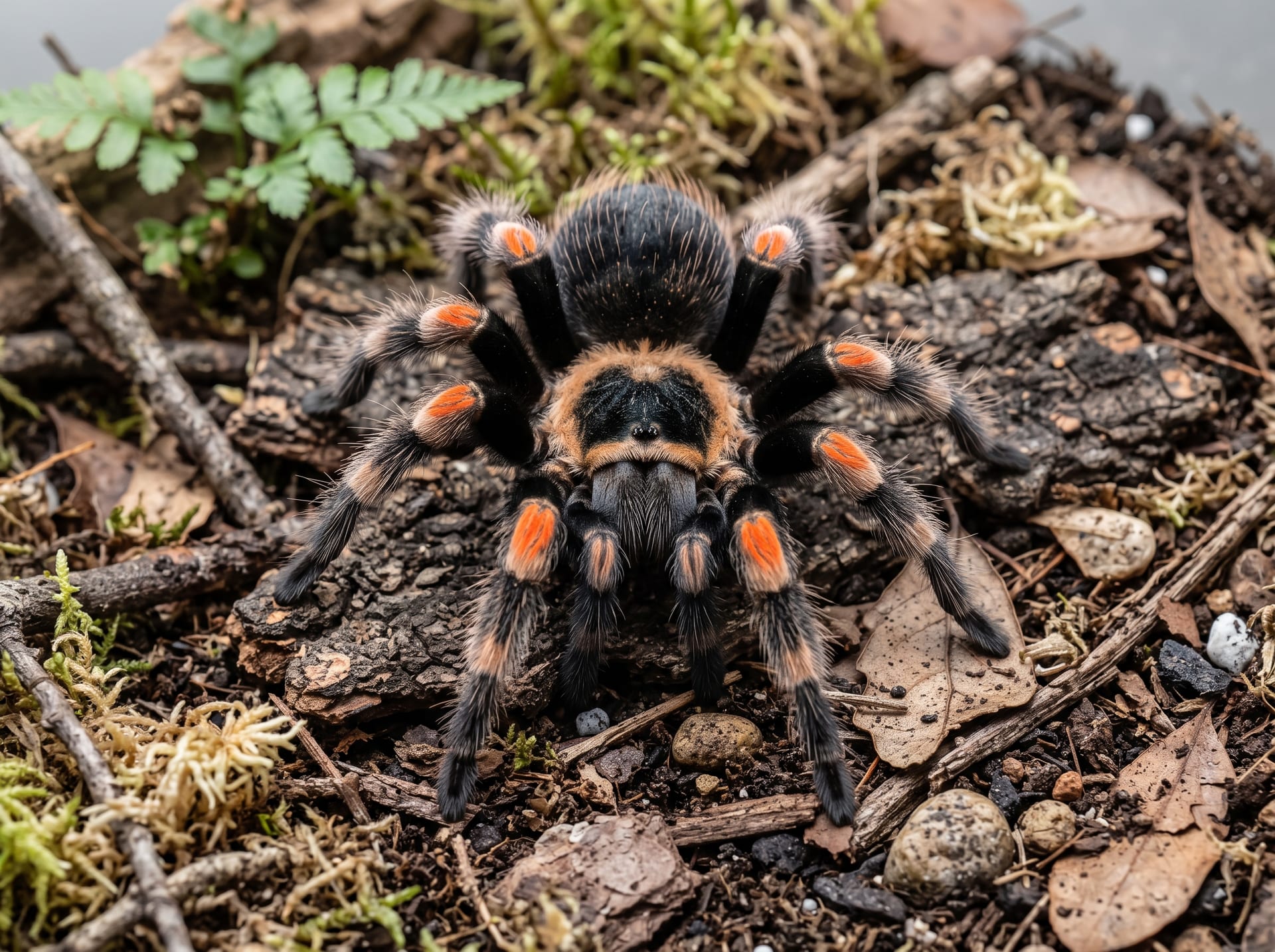
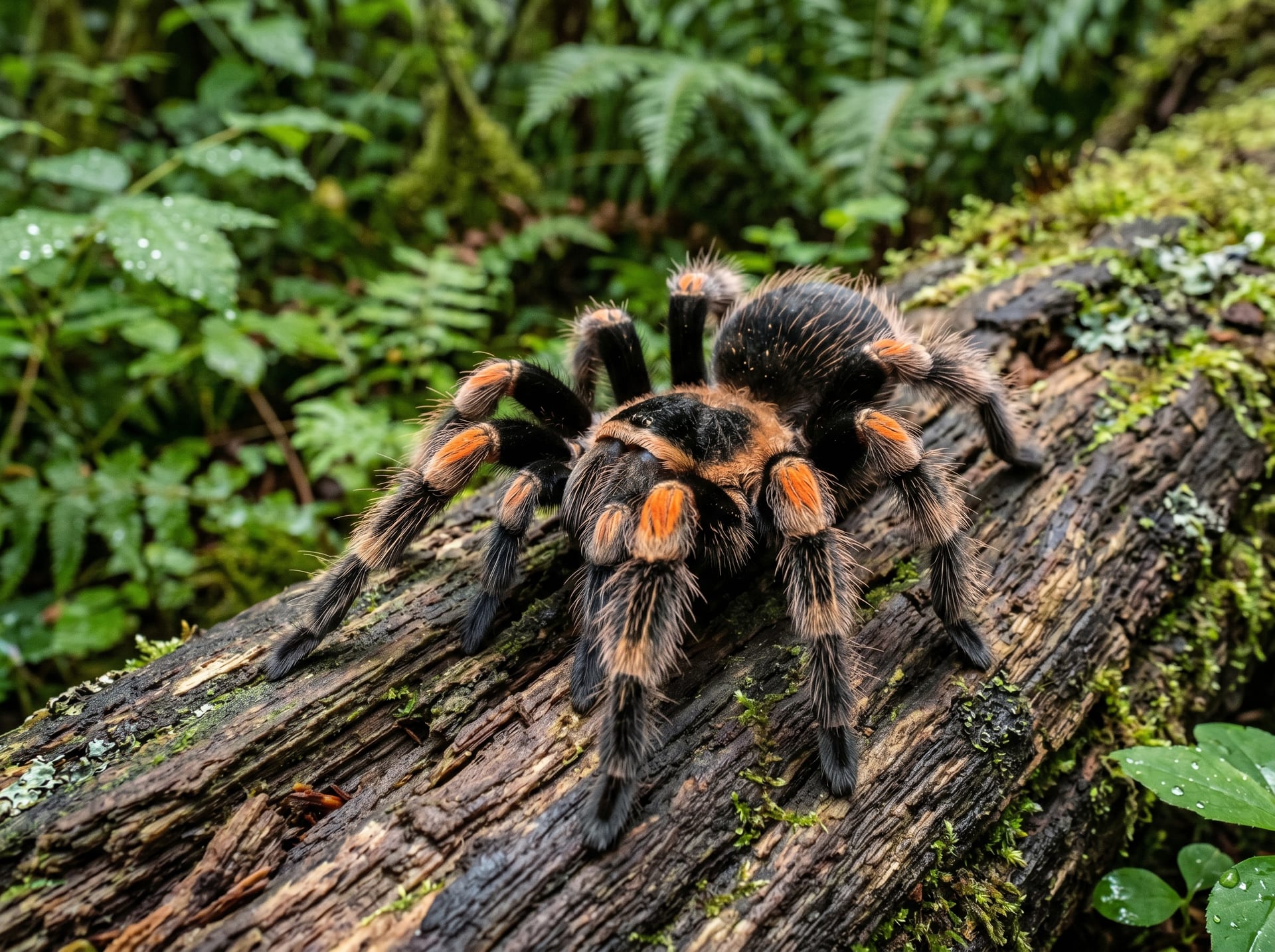
Brachypelma hamorii (Mexican red-knee)
Difficulty: Beginner to intermediate
Body length: Approximately 11–13 cm
Temperament: Docile, though when irritated it will kick urticating hairs from its abdomen
Characteristics: Popular for its striking black and orange appearance. Growth is slow, taking 5–7 years to reach adulthood. Listed in CITES Appendix II (export regulated; domestically bred individuals are available).
Acanthoscurria guacho (Mexican fire-leg)
Difficulty: Beginner
Body length: Approximately 10–13 cm
Temperament: Relatively docile
Characteristics: A ground-dwelling species with beautiful red legs. Relatively abundant in the trade and easy to obtain.
Housing and Environmental Setup
Choosing an Enclosure
Tarantulas require a specialized reptile enclosure or acrylic container.
Housing requirements for ground-dwelling species
Width: At least 2–2.5 times the body length
Height: Minimal (ground-dwelling species that fall from height risk fatal abdominal rupture)
Ventilation: Metal mesh on the ceiling (front ventilation should be avoided for stability)
Recommended size example (adult female): 30 cm × 20 cm × 20 cm
Housing requirements for arboreal species
Height is important (at least 3–4 times the body length)
Front-opening door preferable (putting hands in from above often triggers defensive behavior)
Choosing Substrate
For ground-dwelling tarantulas, deep substrate that permits burrowing behavior is essential.
Substrate Type
Suitability
Characteristics
Peat moss + vermiculite (1:1 mix)
◎
High moisture retention and moldability; ideal for burrowing
Coco husk chips
○
Easy to source, adequate moisture retention
Bioactive soil
○
No long-term maintenance needed (allows coexistence with mites and small insects)
Pine chips or sawdust
×
Volatile organic compounds harmful to spiders
Kitchen paper (short-term adult management only)
△
Clean but does not allow burrowing
Substrate depth should be maintained at least equal to the adult's body length (desert species 5–8 cm; forest-floor species 10–15 cm).
Temperature and Humidity Settings
Species Type
Ideal Temperature
Humidity
Desert species (Grammostola, etc.)
22–28°C
30–50% (dampen one corner only)
Tropical ground-dwelling species (Brachypelma, etc.)
24–28°C
50–70%
Tropical arboreal species (Poecilotheria, etc.)
25–28°C
70–85%
Use an under-tank heater placed on the side of the enclosure (floor placement risks being buried during burrowing).
Feeding Methods
Tarantulas are carnivorous and should be fed appropriately-sized live prey or frozen food.
Recommended prey types
Crickets (two-spotted or house crickets): Most versatile option with balanced nutrition
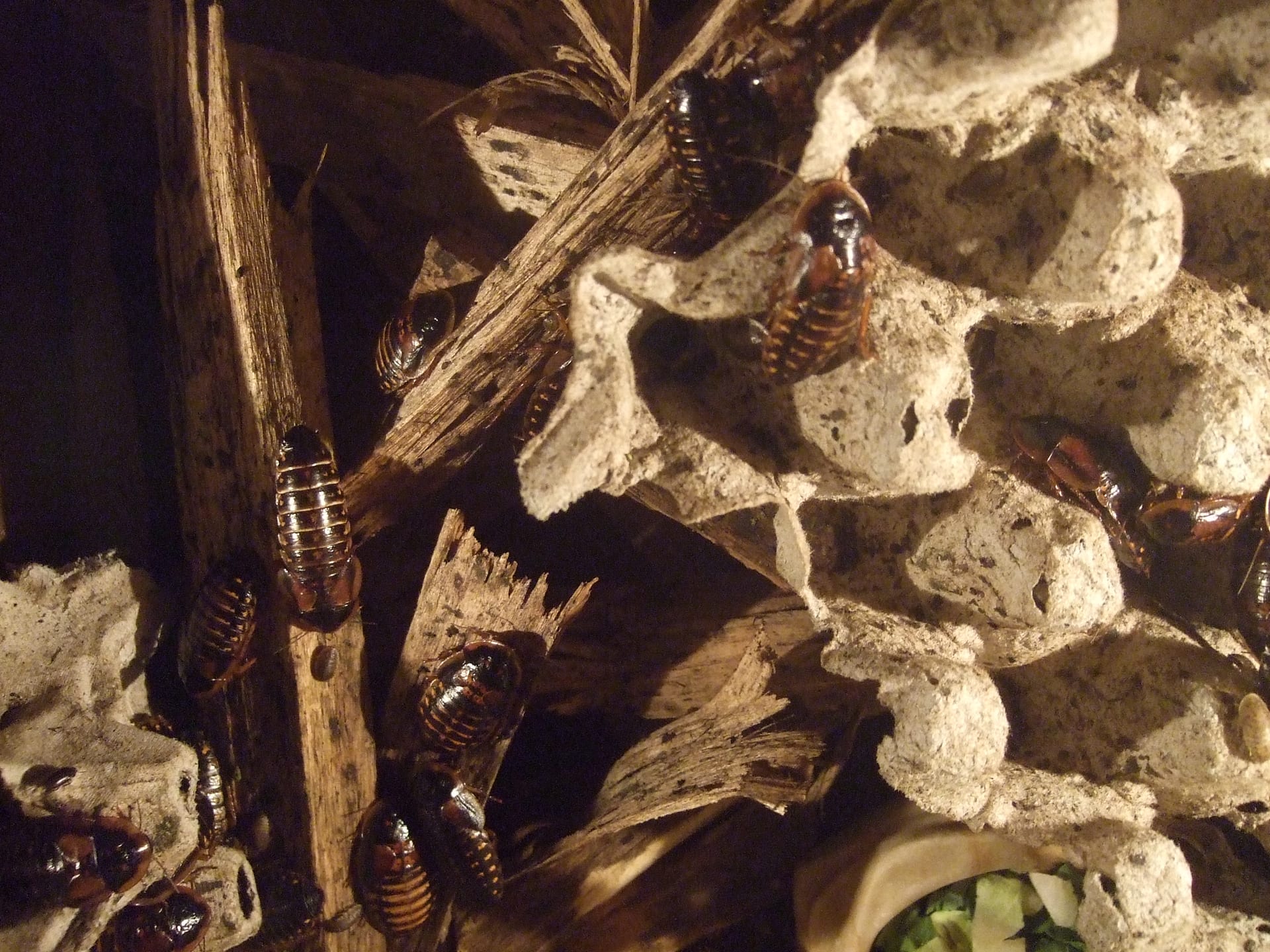
Dubia roaches: High digestibility, excellent nutritional value, unlikely to escape
Mealworms: Use as supplemental food (high fat content makes them unsuitable as a staple)
Pinky mice (frozen): For large adult tarantulas, approximately once per month
Feeding frequency guidelines
Life Stage
Feeding Frequency
Amount
Juveniles (1–3 cm)
Once every 3–5 days
Cricket approximately 1/3 to 1/2 of body size
Subadults (3–8 cm)
1–2 times per week
Cricket approximately 1/2 of body size, 1–2 crickets
Adults
1–2 times per week (fasting before molt)
1–3 crickets approximately 1/2 of body size
Appetite decreases before and after molting. Remove uneaten prey (particularly crickets) within 24 hours. Crickets can cause fatal injuries to molting spiders.
Molt Care
Tarantulas undergo molting (ecdysis) to shed their exoskeleton as they grow. Molting is the most delicate period and requires proper support.
Signs of pre-molt
Loss of appetite or refusal to eat (1–4 weeks before)
Darkening of the abdomen (new exoskeleton becoming visible)
Lying on its back and remaining motionless (immediately before to during molt)
Precautions during molting
Do not touch or move the enclosure under any circumstances
Remove any remaining live prey immediately
Ensure water access (via a dish or by dampening part of the substrate)
Post-molt care
Leave completely undisturbed for 24–48 hours (waiting for exoskeleton to harden)
Do not feed for one week after molting
Provide water 2–3 days after molting
Safe Handling and Precautions
Tarantulas are not typically handled for amusement. Most species experience excessive handling as stressful and may resort to defensive behavior (kicking urticating hairs or biting).
Handling precautions
Use slow, deliberate movements; avoid sudden actions
Avoid handling at heights (risk of abdominal rupture from falling)
Avoid handling before and after molting, and after feeding
Do not handle high-venom species (Poecilotheria genus and certain Acanthoscurria lineages)
Managing urticating hairs
Many New World tarantulas kick hairs from their abdomen when threatened. Contact with skin or eyes causes intense itching. Rinse immediately with water; seek ophthalmologic care if eye contact is suspected.
Regulatory Compliance
Before acquiring or keeping exotic spiders, verify applicable legal regulations.
Invasive Alien Species Act: Poisonous spiders such as the red-back spider are designated invasive alien species; keeping and selling them is prohibited.
CITES (Convention on International Trade in Endangered Species) Appendices: Most Brachypelma species are listed in CITES Appendix II (documentation required for import/export).
Act on Welfare and Management of Animals: Spiders and scorpions and other invertebrates are not classified as "animals" under the first-class animal handler registration requirement (which applies to mammals, birds, and reptiles); registration is not required for sales.
When purchasing, confirm the specimen is captive-bred (domestic CB or legally imported WC) and source from a reputable breeder or shop.
Summary
Exotic spiders and tarantulas attract modern keepers thanks to their characteristics of "producing no sound," "creating no mess," and "requiring minimal space." Beginners are recommended to start with docile, hardy ground-dwelling species (Grammostola, Brachypelma, etc.), develop proper husbandry practices and safe handling habits, and progress to more challenging species. Verifying regulations and sourcing from reputable suppliers are the foundations for enjoying this hobby long-term.