Introduction to Tarantula Care | A Beginner's Guide to Enclosures, Humidity, Molting, and Feeding
For first-time tarantula keepers. We provide a detailed explanation of basic knowledge from choosing an enclosure, managing humidity and temperature, substrate, how to feed them (crickets and dubia roaches), molting care, and handling precautions.

Key Takeaways
For first-time tarantula keepers. We provide a detailed explanation of basic knowledge from choosing an enclosure, managing humidity and temperature, substrate, how to feed them (crickets and dubia roaches), molting care, and handling precautions.
Related Species
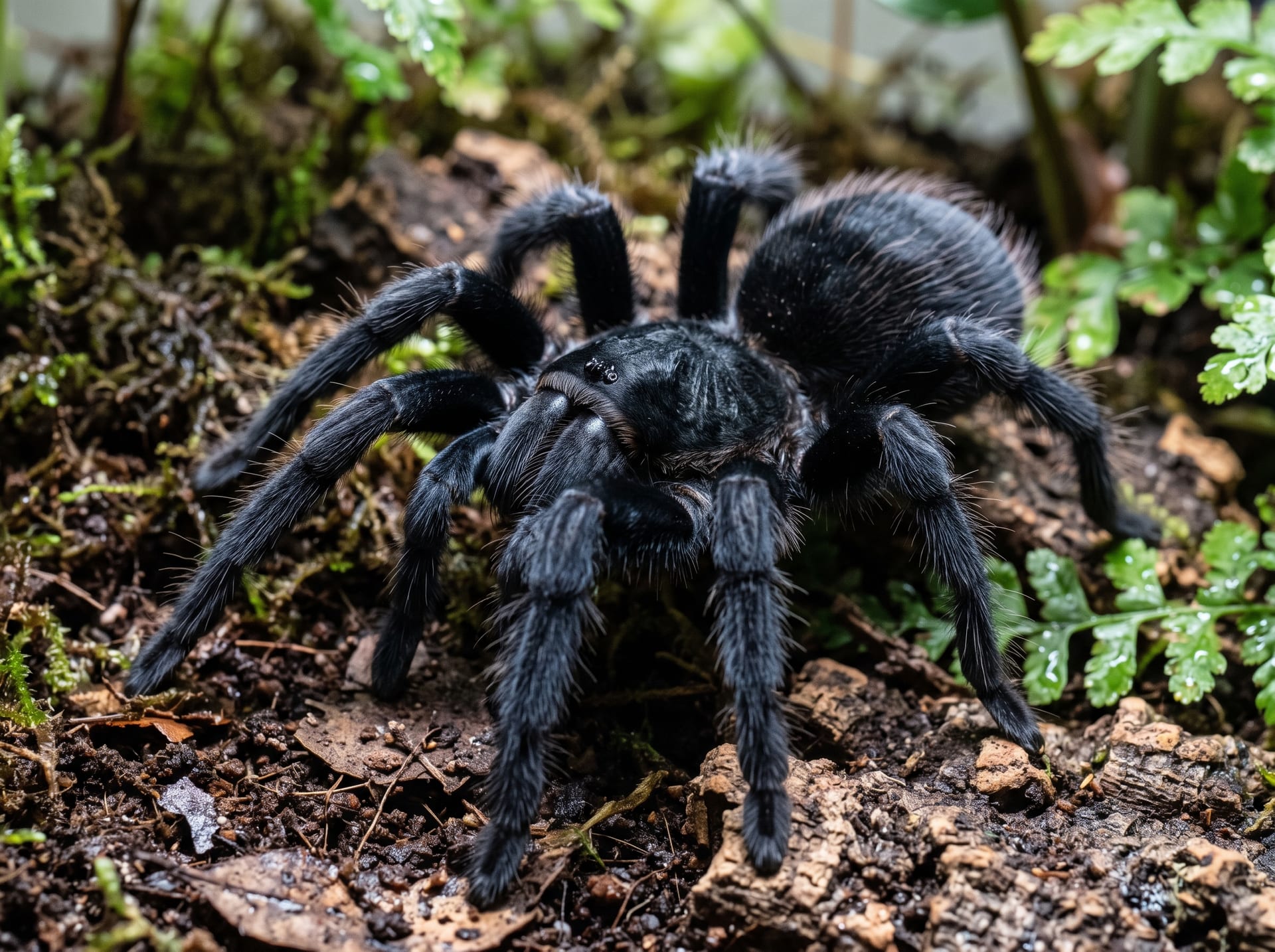
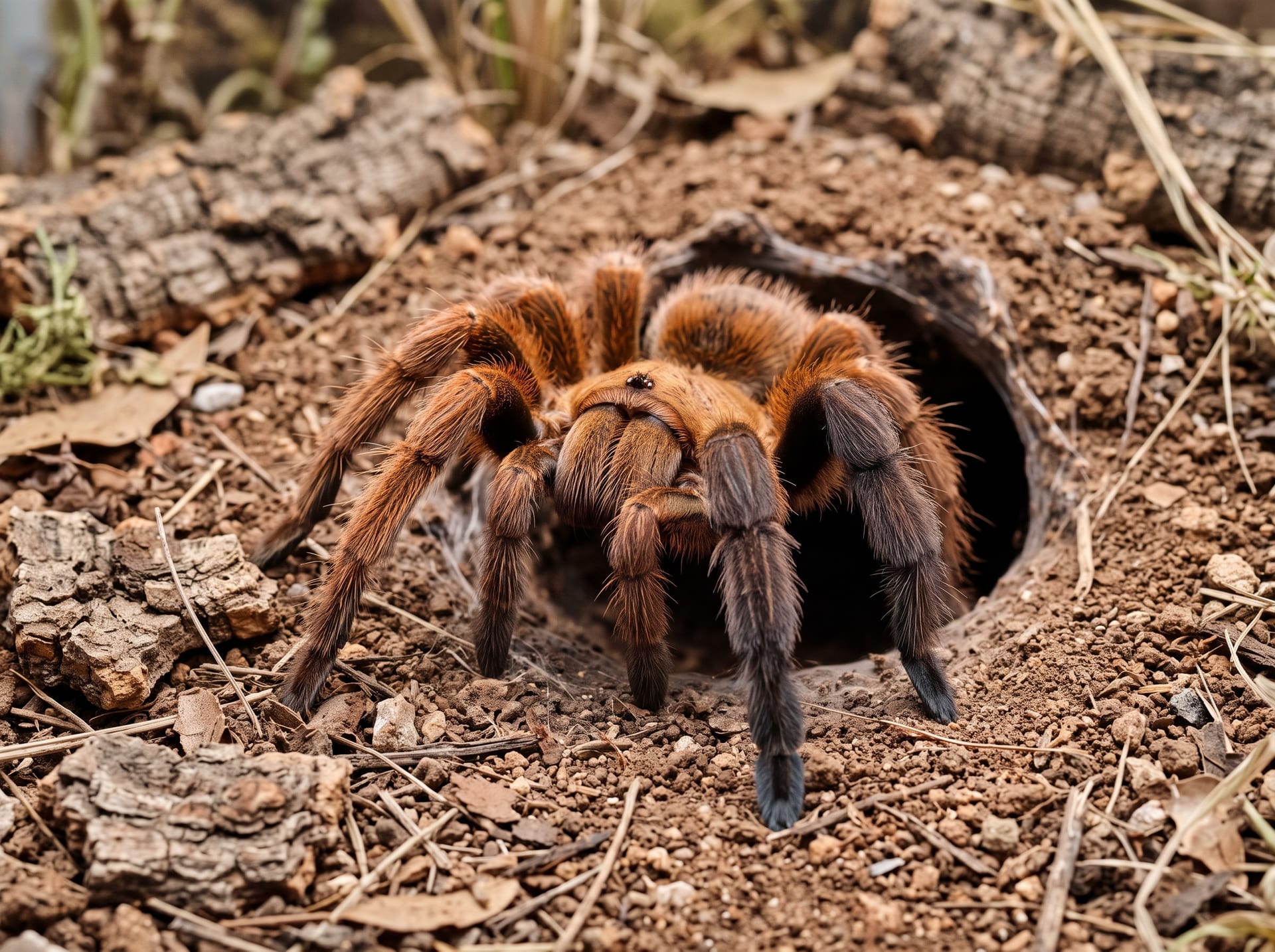
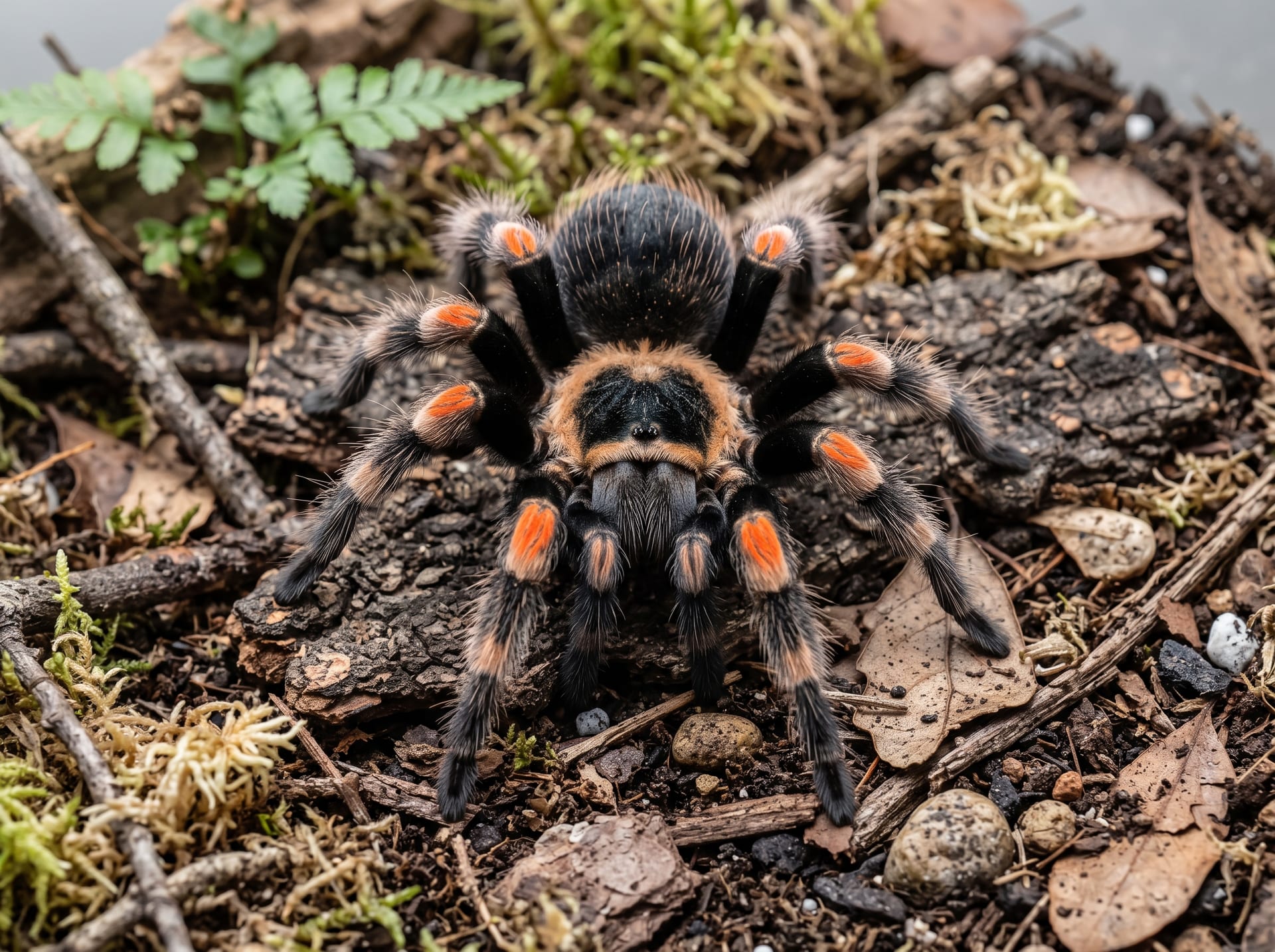
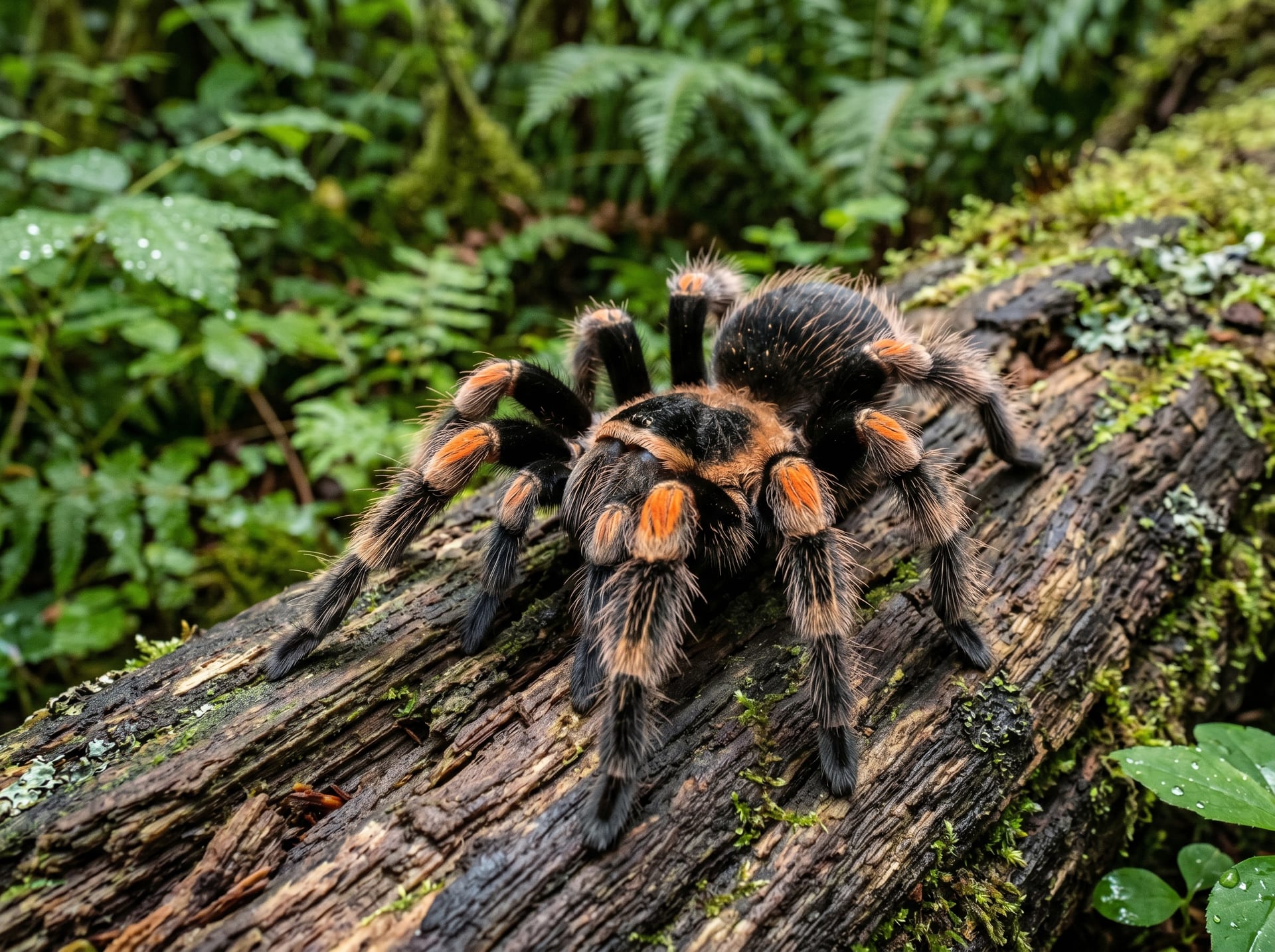
Tarantulas are becoming increasingly popular among reptile and insect enthusiasts due to their distinctive appearance and relatively quiet nature. Their appeal lies in the fact that, unlike dogs and cats, they don't vocalize, require minimal space, and are relatively inexpensive to keep. This article provides a detailed explanation of the fundamental knowledge that beginners should know before starting to keep tarantulas.
Tarantula Species and Beginner-Friendly Varieties
There are approximately 900 tarantula species worldwide, broadly categorized into three types: arboreal, terrestrial, and fossorial. For beginners, docile and hardy terrestrial species are most suitable.
Beginner-Friendly Species Comparison Table
| Species | Type | Temperament | Size/Lifespan | Beginner Friendly |
|---|---|---|---|---|
| Chilean Rose Hair | Terrestrial | Docile | 7-8cm / 20+ years (females) | ◎ |
| Brazilian Black | Terrestrial | Docile | Medium / 15-20 years | ◎ |
| Mexican Red Knee | Terrestrial | Docile | Medium / 20+ years (females) | ◎ |
| King Baboon | Fossorial | Aggressive, highly venomous | Large / Long-lived | × (Advanced keepers only) |
※ Start with a terrestrial, docile species for your first tarantula. Challenge yourself with fossorial and arboreal species once you're comfortable with the basics.
The Chilean Rose Hair tarantula (Grammostola rosea, formerly G. porteri) is the most popular beginner species. Their slow movements and low aggression, combined with their drought tolerance, make them easy to care for. Adults reach a body length of 7-8cm, with females living 20 years or more.
The Brazilian Black (Grammostola pulchra) features a striking jet-black coloration and, like the Chilean Rose Hair, has a docile temperament making it easy to handle.
The King Baboon (Pelinobius muticus) is an African fossorial species with a unique lifestyle, but its potent venom makes it unsuitable for beginners. We strongly recommend starting with terrestrial, docile species.
Choosing the Right Enclosure
When choosing a tarantula enclosure, balancing escape prevention with proper ventilation is essential.
Enclosure size should be approximately 2-3 times the tarantula's body length in width. An enclosure that's too large makes prey management difficult and can stress the tarantula. For a specimen with a 5cm body length, a 15cm × 20cm enclosure is sufficient.
Enclosure types fall into three main categories. Plastic reptile enclosures with sliding lids offer good ventilation and are easiest for humidity management, making them the most versatile option. Acrylic enclosures provide excellent visibility and are easy to observe, but they are heavier. Small stackable collection cases are ideal for colony management.
A locking lid mechanism is essential. Tarantulas can escape through even tiny gaps, so choose a lid that locks securely. Top ventilation is more suitable for most species than side ventilation.
Substrate and Environmental Setup
Choose your substrate based on the tarantula's natural behavior and habitat.
For terrestrial species, a mix of coconut husk (coco fiber), peat moss, and vermiculite is standard. A depth of 5-8cm allows some species to exhibit their natural burrowing behavior.
Humidity requirements vary significantly by species. For desert-dwelling species like the Chilean Rose Hair, create a "dry-wet gradient" by moistening only one side of the substrate. Arboreal and rainforest species require the entire enclosure to maintain high humidity (70-80%).
Temperature should be between 20-28°C for most species. For most indoor environments in Japan, additional heating is usually unnecessary, but ensure temperatures don't drop below 20°C in winter. Extreme temperature fluctuations can cause stress and loss of appetite.
A water dish (shallow) should be provided at all times. Tarantulas drink water directly, so always provide clean, fresh water. Place 1-2 shelters such as cork bark or driftwood in the enclosure.
Feeding Methods and Frequency
Tarantulas are carnivorous and primarily feed on insects.
Common feeder insects include crickets (European house crickets and two-spotted crickets) and dubia roaches. Crickets are active and stimulate hunting instinct, while dubias are highly nutritious and easier to manage. Frozen crickets and dried insects can be used, but live prey typically results in better feeding response.
Feeding frequency: adults should be fed 1-2 times per week, while juveniles (spiderlings) 2-3 times per week. Prey size should be no more than half the tarantula's body size. Always remove uneaten insects within 24-48 hours. This is especially important before and after molting, when the tarantula is vulnerable to injury from leftover prey.
During fasting periods, patience is key. Tarantulas may stop eating for weeks to months before molting. As long as the abdomen isn't shriveled, there's no cause for concern. Don't force-feed; simply refresh the water and monitor your tarantula.
Molting Care and Precautions
For tarantulas, molting is an extremely delicate event.
Pre-molting signs include a swollen, darkened abdomen, loss of appetite, sluggish movement, and remaining still on the substrate.
During molting, the golden rule is: do not touch your tarantula. Tarantulas molt on their backs, which can alarm keepers who mistake this for death—but this is completely normal. Molting can take several hours, so observe quietly without disturbing the enclosure.
After molting, do not feed for 48-72 hours while the new exoskeleton hardens. The tarantula is extremely soft and vulnerable to injury from prey insects during this time. Save the shed exoskeleton; it can be dried and kept for future reference in sexing the tarantula.
Handling and Safety Management
Handling tarantulas is generally not recommended. Handling stresses the tarantula and risks fatal injury from drops. However, gentle handling of docile species like the Chilean Rose Hair is acceptable with care.
Understanding venom is also important. Most tarantulas aren't dangerous to humans (though bites can be as painful as a wasp sting), but allergic reactions are possible. Additionally, many New World species (from the Americas) use a defensive behavior of flicking urticating hairs from their abdomens—fine hairs that cause itching. These can be dangerous if they enter the eyes, so wash your hands after handling and avoid touching your face.
For safety during care, always check the tarantula's position before opening the enclosure and be prepared for unexpected escape. Keep the enclosure in a location where small children and pets cannot access it.
Conclusion: The Appeal of Tarantula Keeping and How to Get Started
Once their environment is properly set up, tarantulas are very low-maintenance and easy to keep as pets. They're quiet, require minimal space, and pose fewer allergy concerns, making them suitable for apartments and small homes. For your first tarantula, choose a docile and hardy species like the Chilean Rose Hair or Brazilian Black, then progress to more challenging species once you're comfortable.
When purchasing from a breeder, verify the individual's health status and lineage information, and source from a reputable keeper you trust. The deep world of tarantula keeping is filled with captivating wonders that will enchant you once you enter it.