Marine Fish Encyclopedia — 80 Species Directory
Encyclopedia of popular marine fish species with care guides, traits, and water parameters.
Featured Marine Fish
Showing 80 of 80 species(1–24)
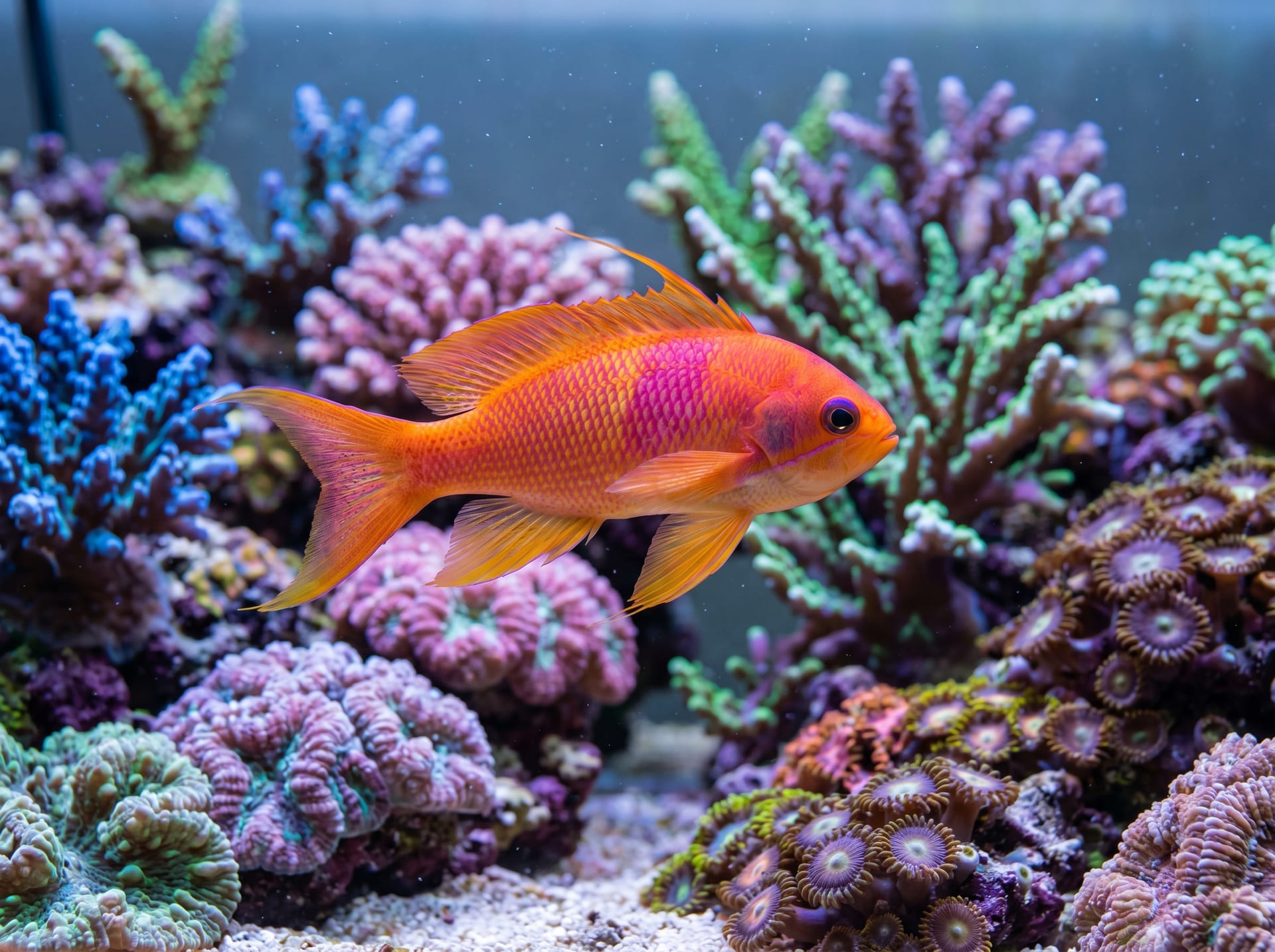
Anthias
A beautiful schooling fish in vivid pink or orange. Spectacular when kept in groups.
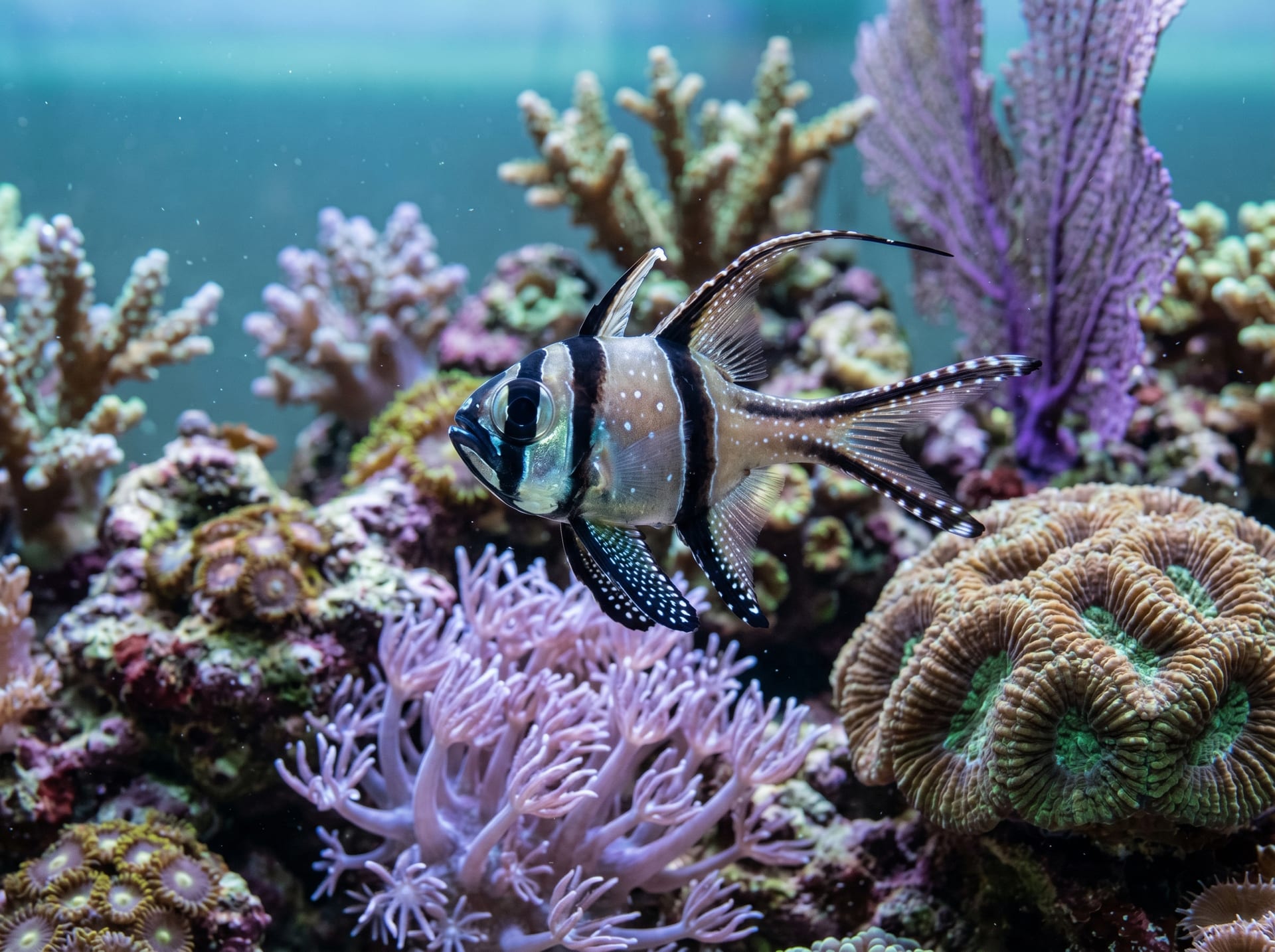
Bangaii Cardinalfish
Pterapogon kauderni
A cardinalfish with beautiful black-white stripes and long fins. Mouth-brooding breeding observable in tank.
 © Rickard Zerpe / CC BY 2.0
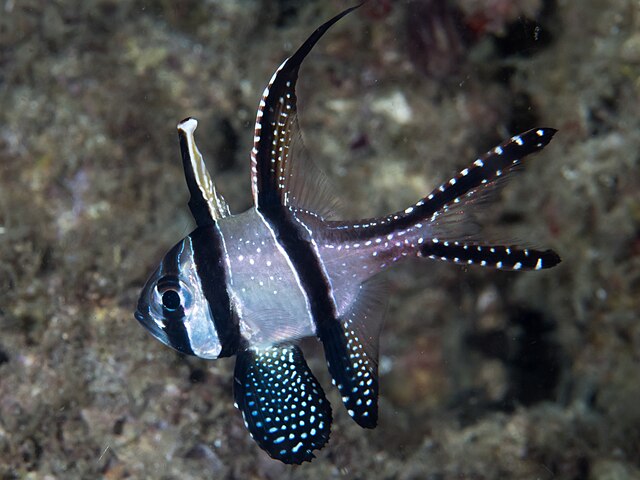
Banggai Cardinalfish
Pterapogon kauderni
Silver body with black vertical bars and star-like white spots. Unique mouthbrooding behavior. Ideal kept as pairs.
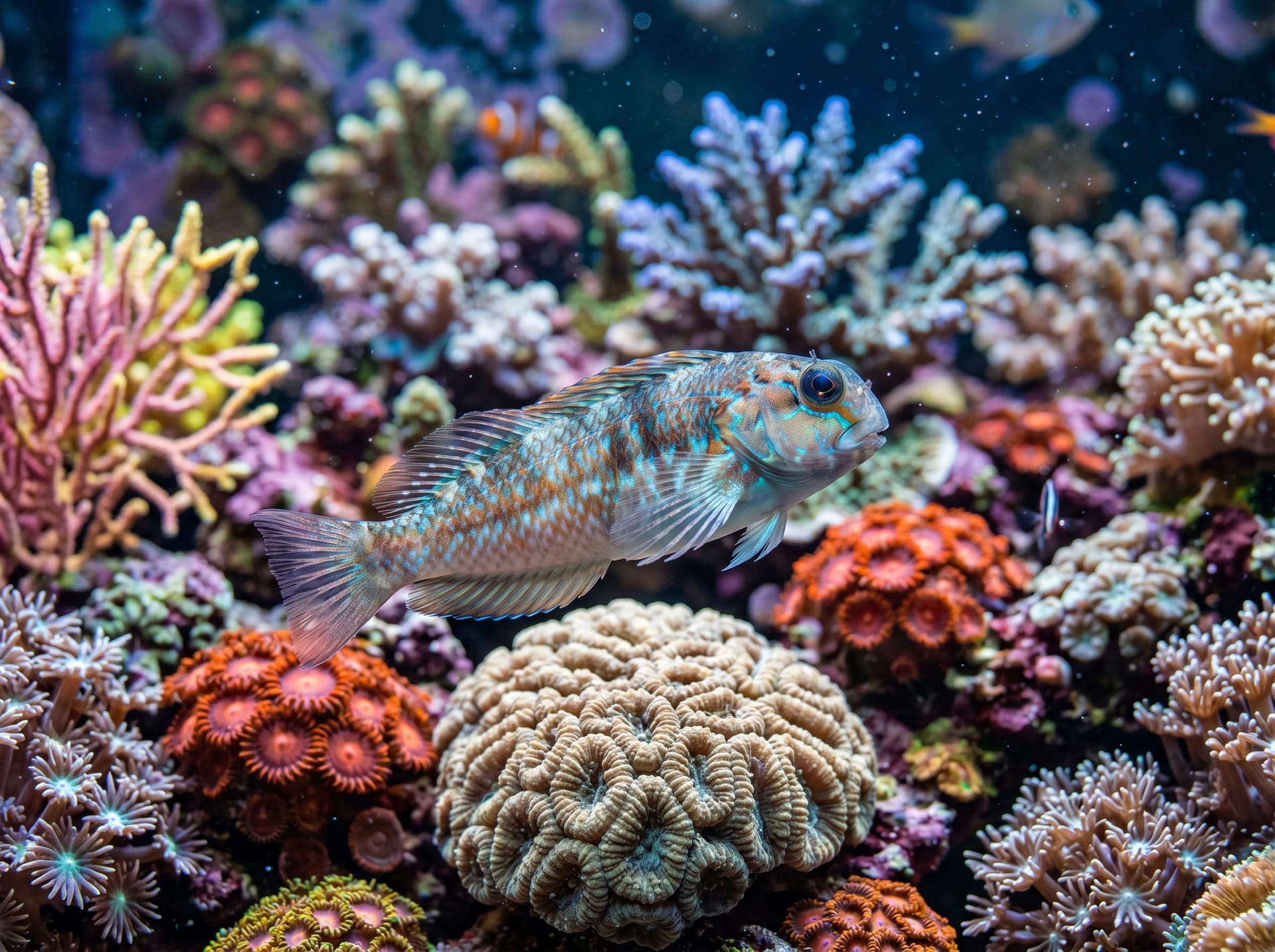
Bicolor Blenny
Ecsenius bicolor
Bicolor with brown front and orange rear. Humorous algae-grazing behavior on rocks. Expressive face makes it popular.
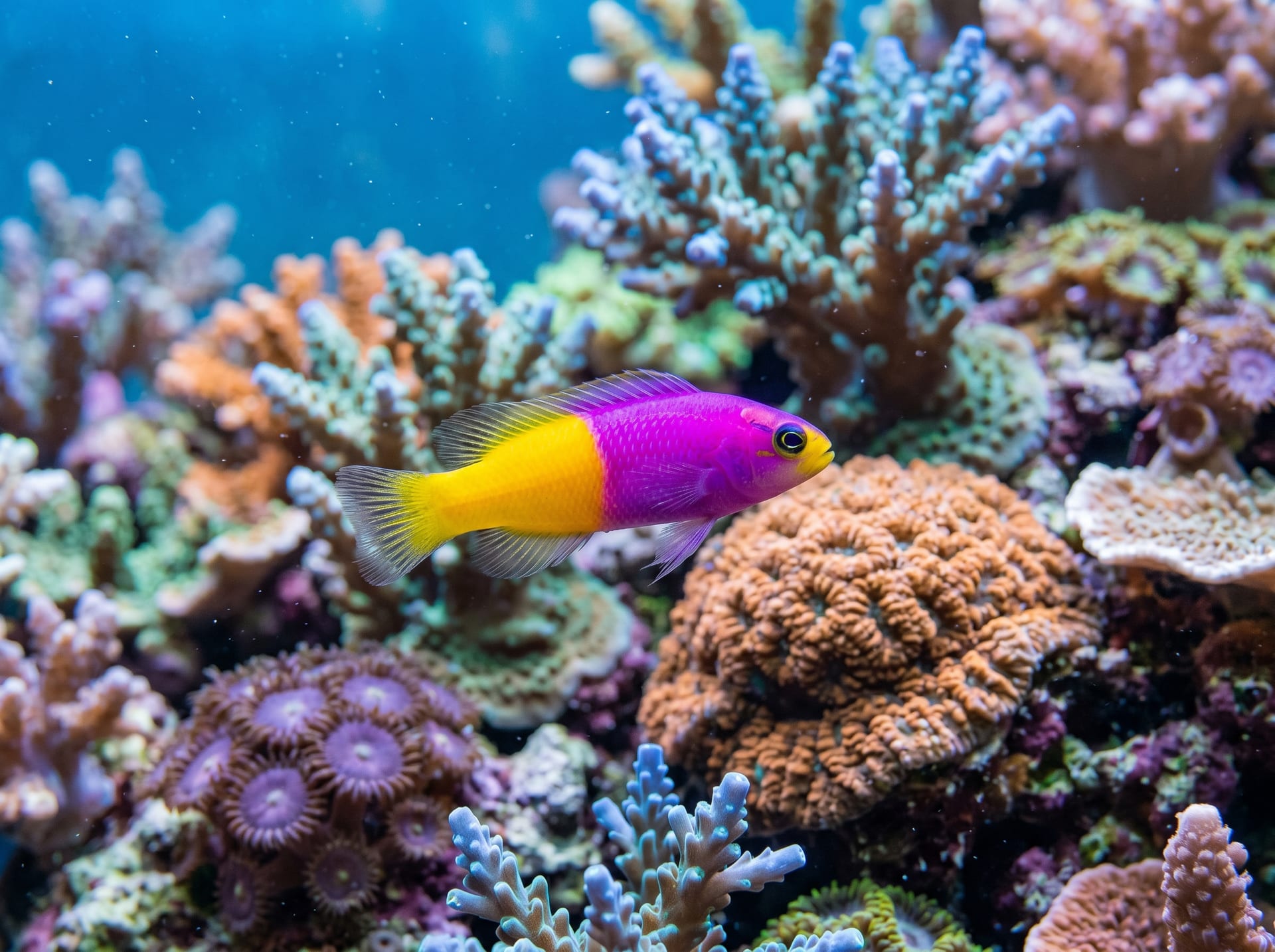
Bicolor Dottyback
Pseudochromis paccagnellae
Small saltwater fish divided into two colors: purple front half and vivid yellow rear half. Compact and hardy, easy to keep in small tanks and popular with beginners. Somewhat territorial.
 © NPS photo by Paul Brown / Public domain
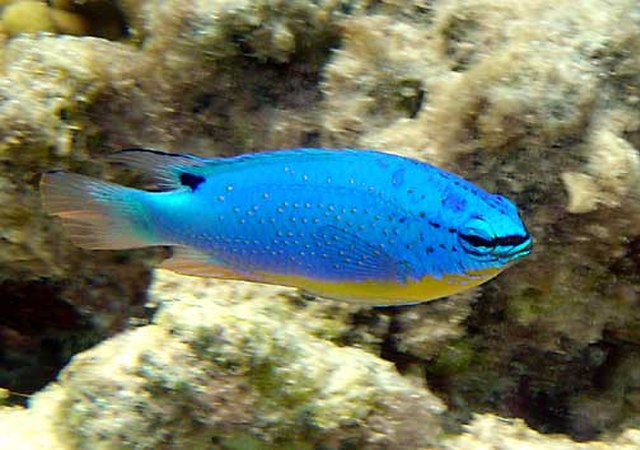
Blue Devil Damselfish
Chrysiptera taupou
Small marine fish in vivid cobalt blue. Extremely hardy, often used as pilot fish. Aggressive temperament.
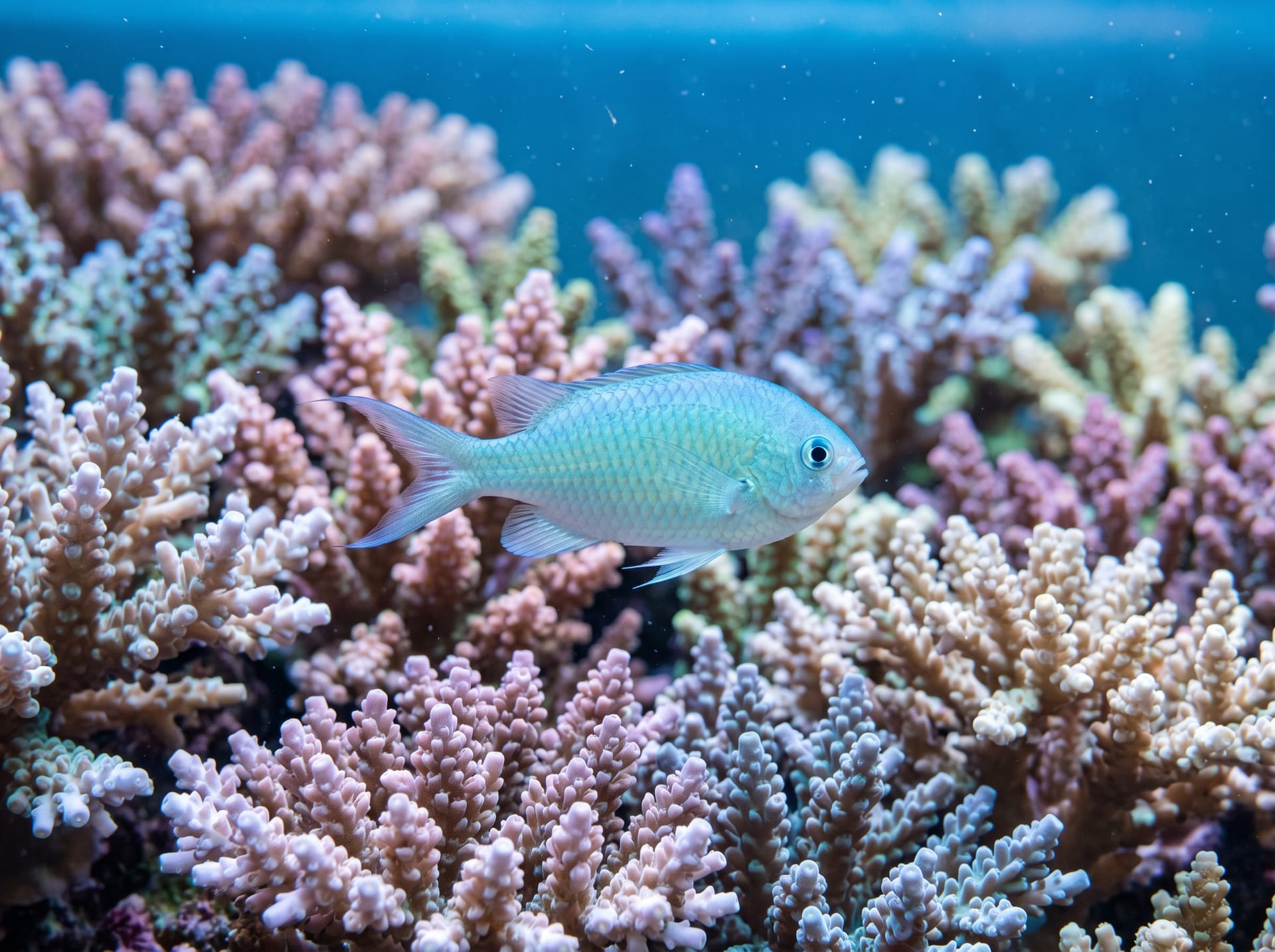
Blue Green Chromis
Chromis atripectoralis
A schooling damselfish shining pale blue-green. Peaceful and affordable, most classic beginner saltwater.
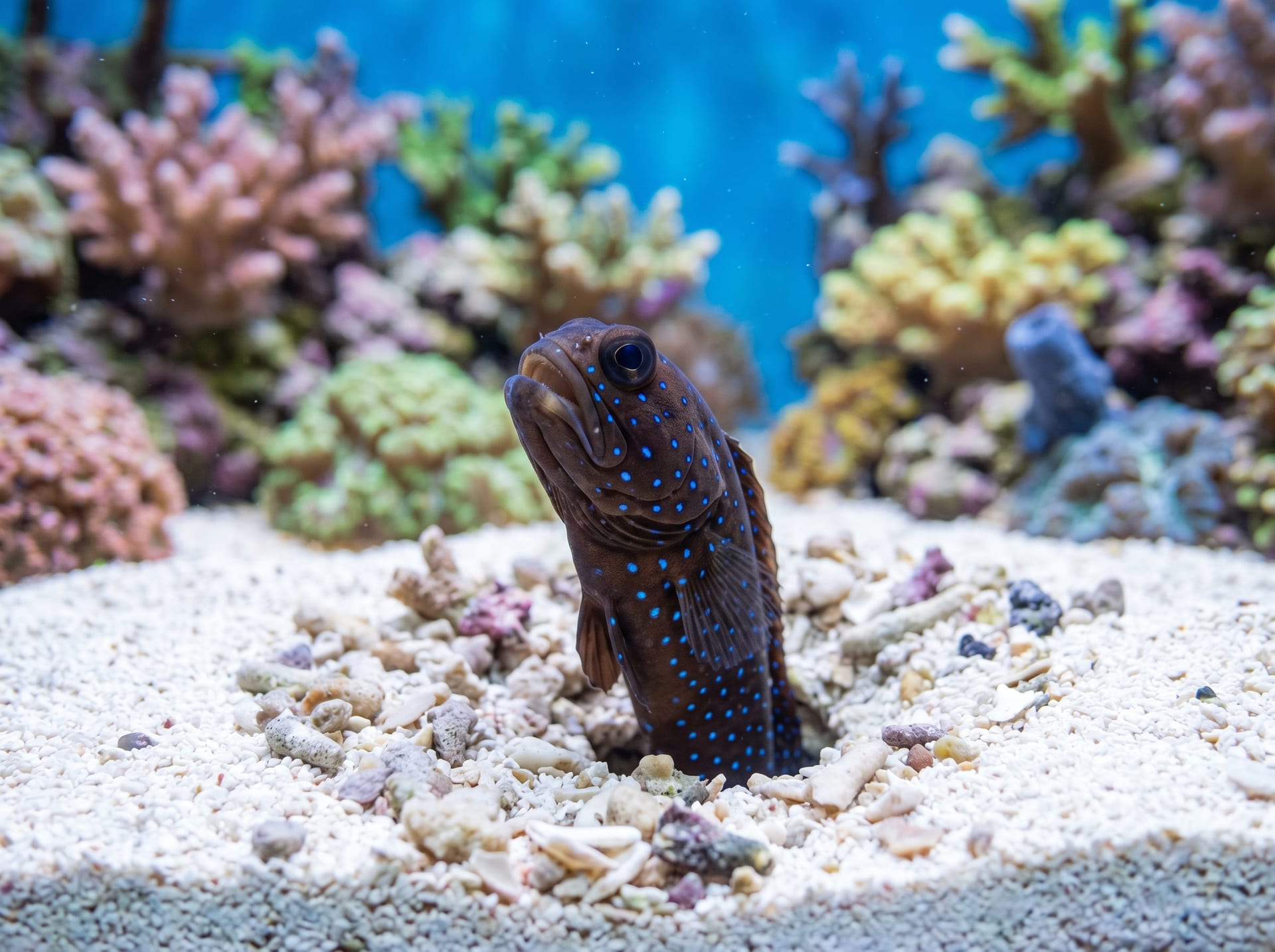
Blue Spotted Jawfish
Opistognathus rosenblatti
Stunningly beautiful jawfish with orange body dotted in blue spots. Charming behavior — digs burrows and pokes out head. Fascinating mouthbrooding reproduction.
 © DerHans04 / CC BY-SA 3.0
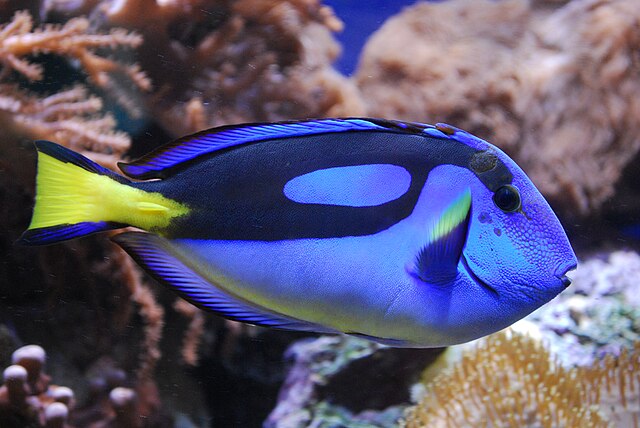
Blue Tang
Paracanthurus hepatus
Stunning royal blue body with yellow tail. Active swimmer requiring large tanks. Prone to ich — strict water quality is essential. Global popularity boosted by film.
Chevron Tang
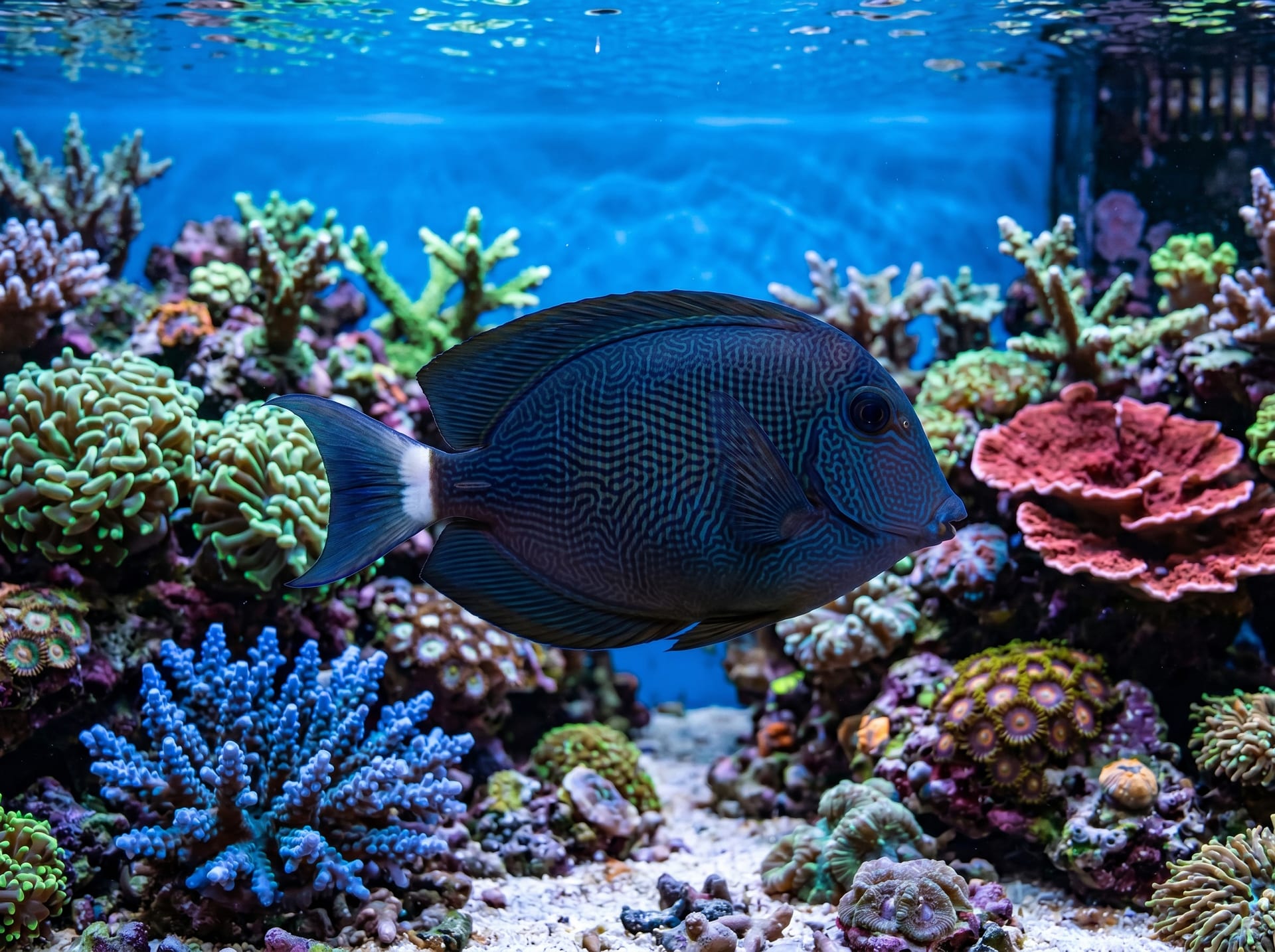
Ctenochaetus hawaiiensis
Juveniles are vivid orange with chevron patterns. Adults turn olive but serve as excellent detritivores, significantly contributing to tank cleanliness.
 © Elias Levy / CC BY 2.0
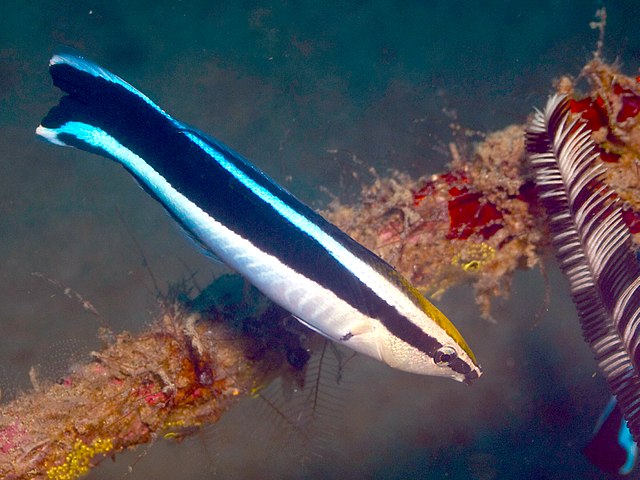
Cleaner Wrasse
Labroides dimidiatus
Cleaner fish that eats parasites from other fish. Sets up cleaning stations in tank — fun to watch fish queue up.
 © Amada44 / CC BY-SA 3.0
Clown Triggerfish
Balistoides conspicillum
Large triggerfish with white polka dots and yellow mouth. Very aggressive toward other fish. Popular as a personality fish.
Clownfish
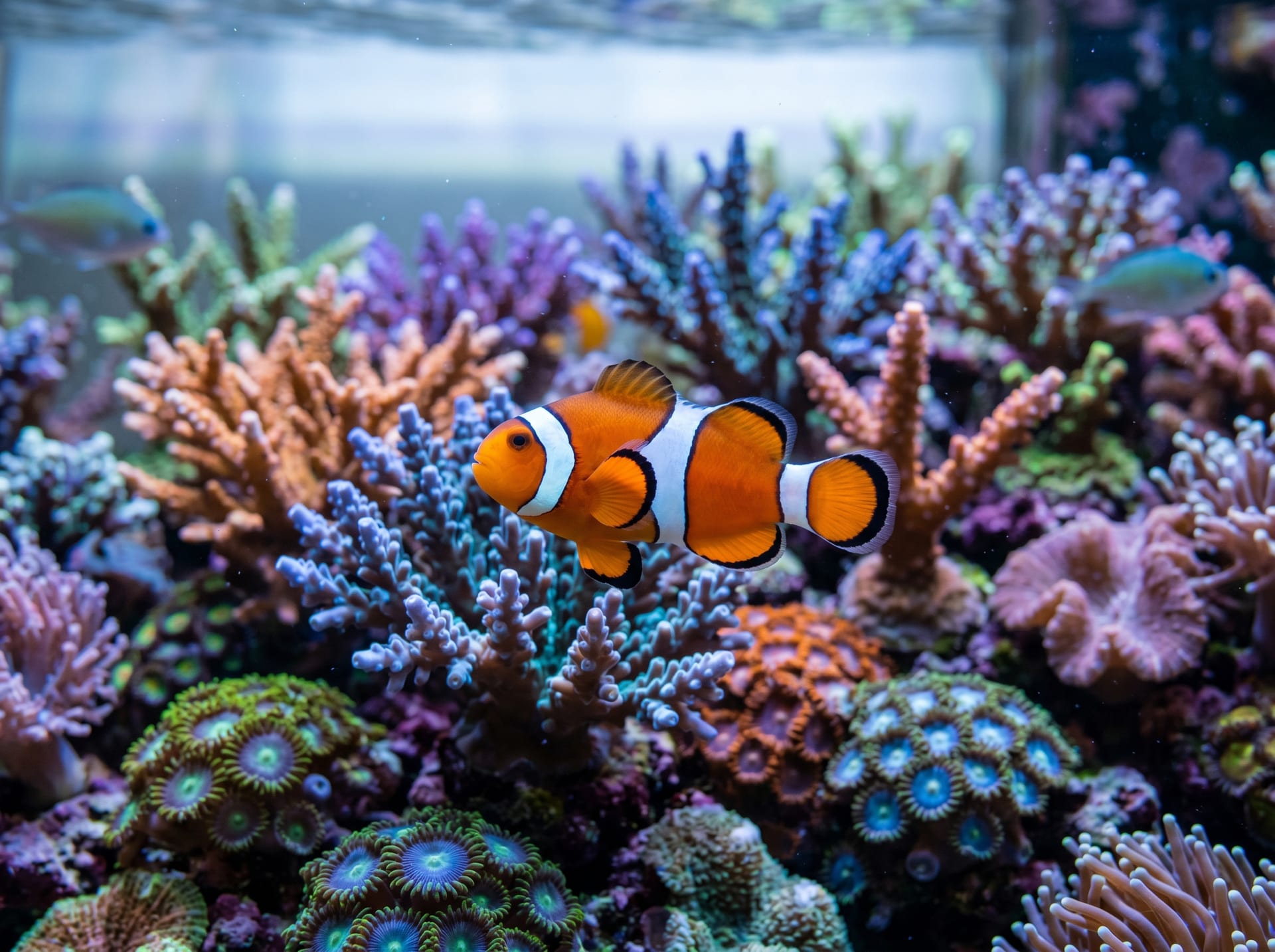
Amphiprion ocellaris
The iconic marine fish made famous by film. Lives in symbiosis with anemones, hiding among tentacles. Perennial beginner's choice in saltwater fishkeeping. Pair keeping enables breeding.
 © Rickard Zerpe / CC BY 2.0
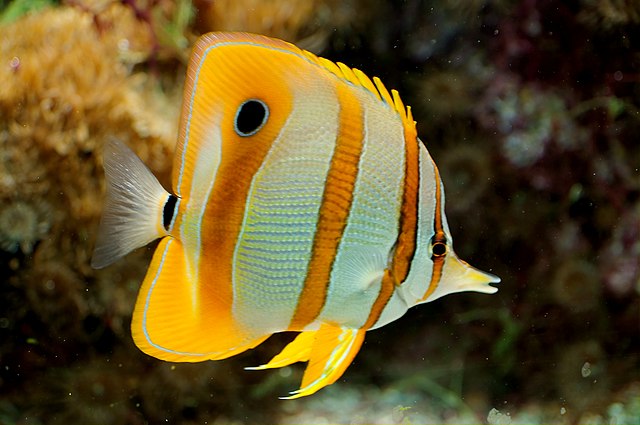
Copperband Butterflyfish
Chelmon rostratus
A butterflyfish with orange stripes and elongated snout. Also valued for controlling Aiptasia anemones.
 © Jenny (JennyHuang) from Taipei / CC BY 2.0
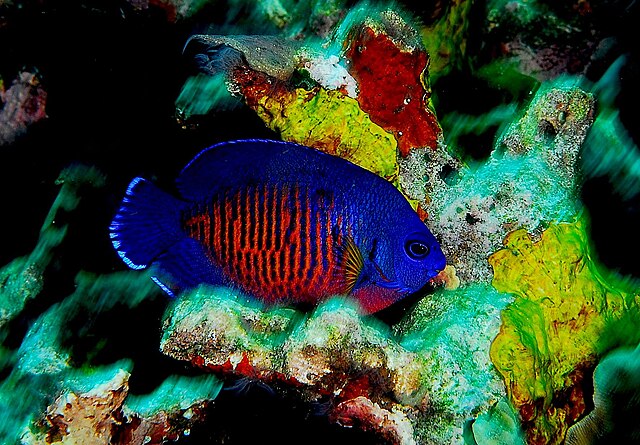
Coral Beauty Angelfish
Centropyge bispinosa
Beautiful small angelfish with purple and orange gradient. Hardy and easy to keep — popular entry-level angelfish.
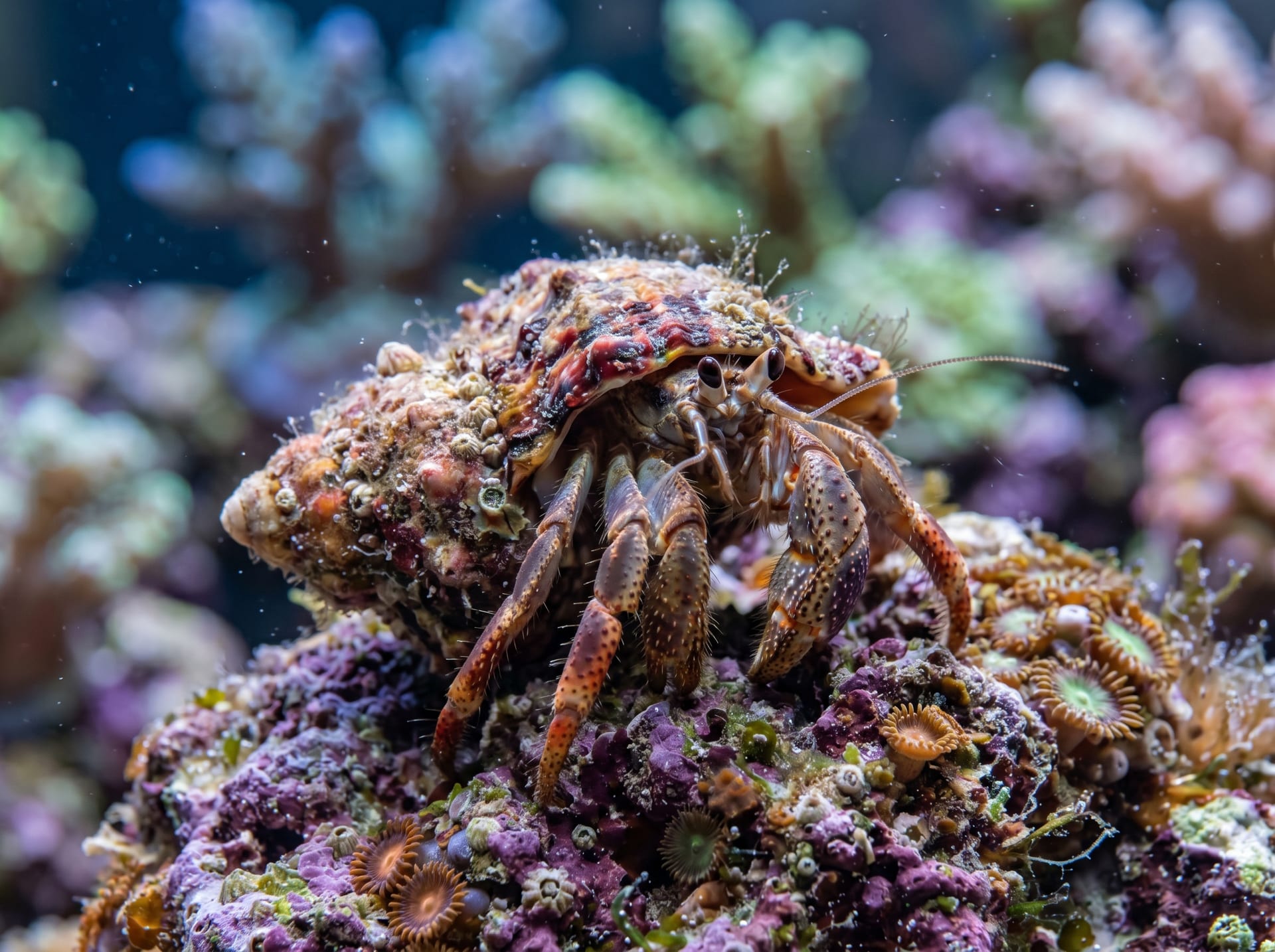
Crab / Hermit Crab
Cancridae / Paguridae (family level)
Beneficial marine cleanup crew. Hermit crabs offer entertainment through shell-trading behavior; crabs display nocturnal activity. Beginner to intermediate species useful for ecosystem balance in mixed displays.
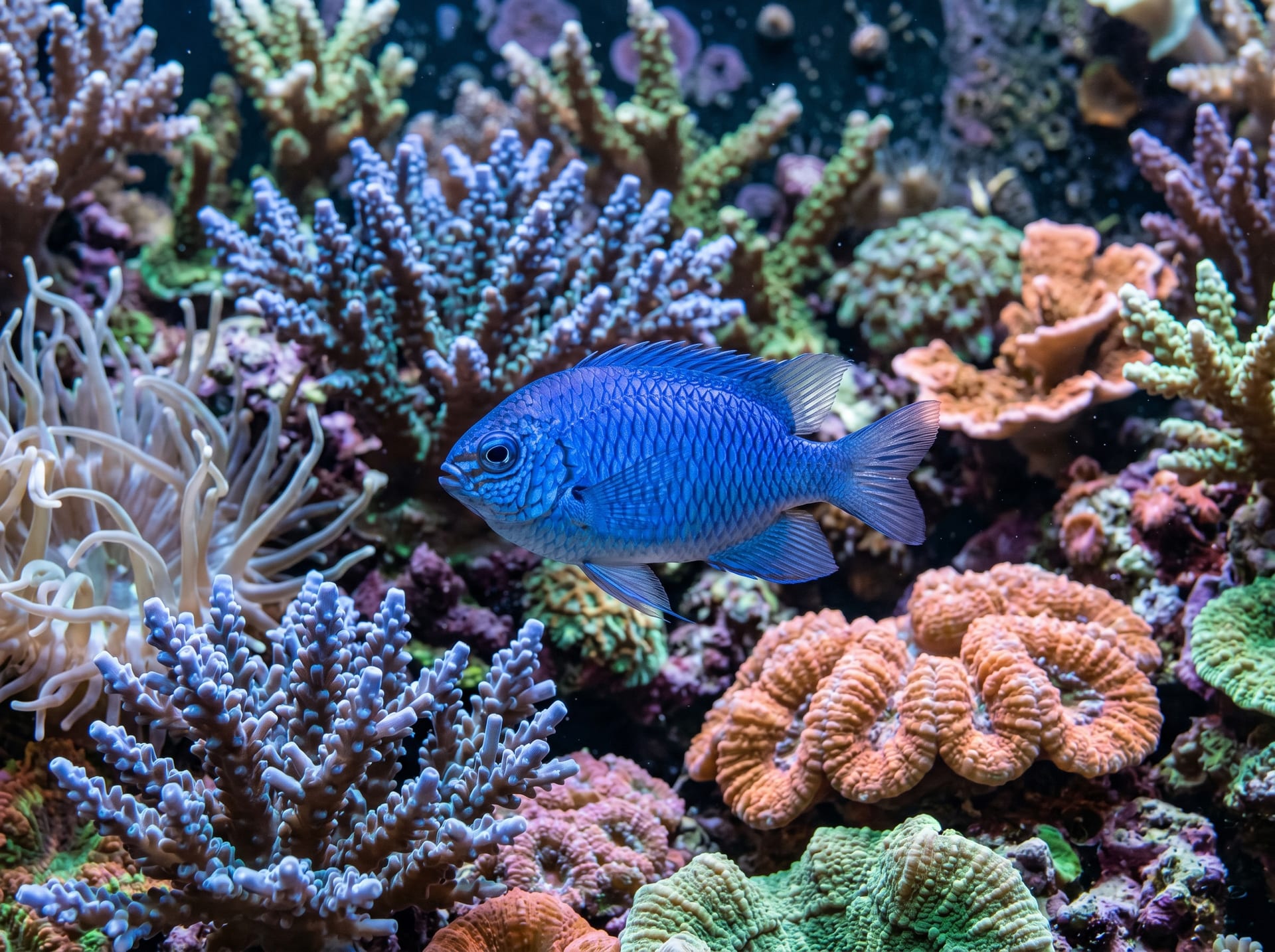
Damselfish
Hardy small fish with vivid blue or neon colors. Used as pilot fish for tank cycling.
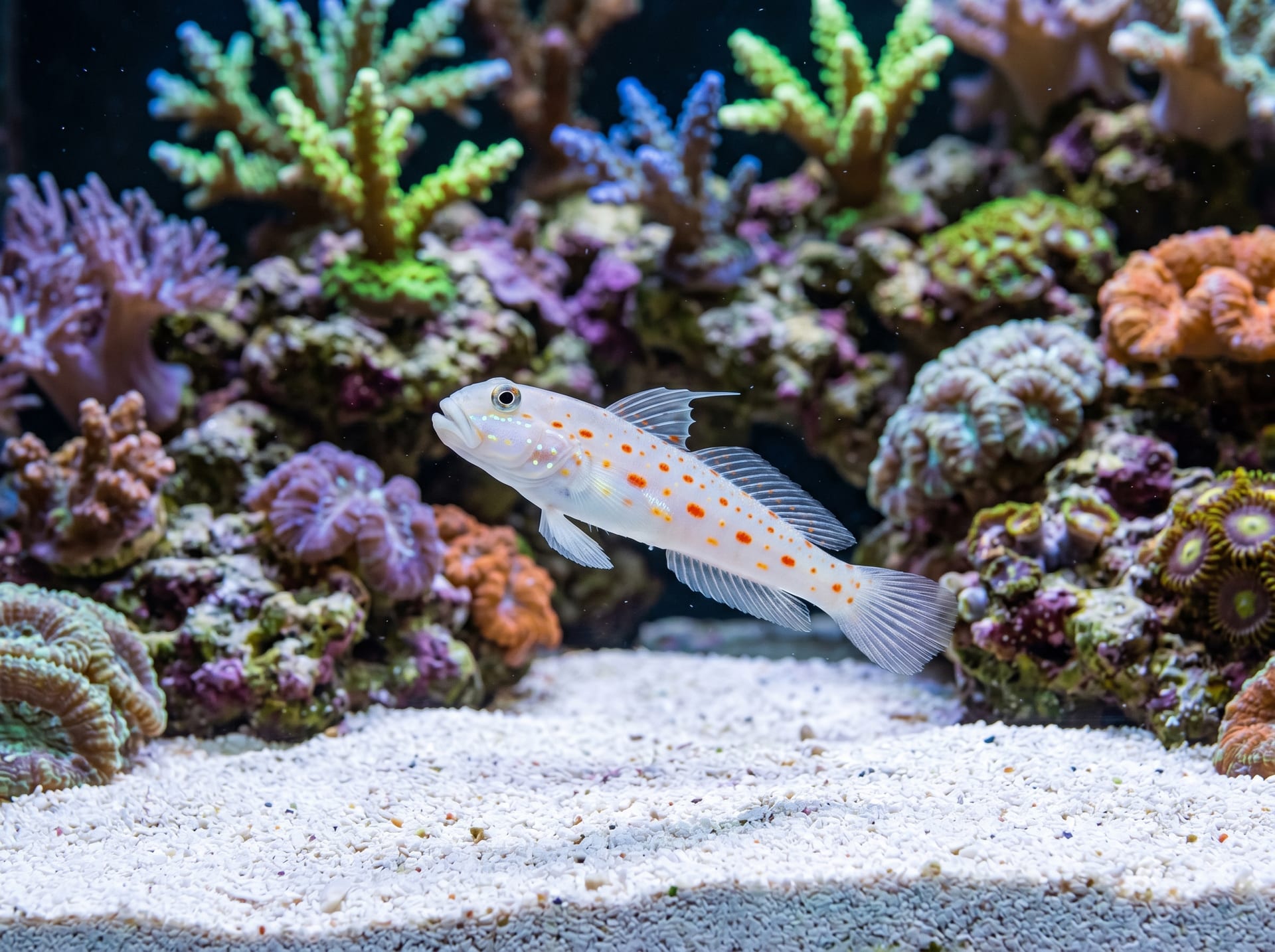
Diamond Goby
Valenciennea puellaris
A 'sand sifter' that cleans by scooping sand. Tank's worker responsible for sand bed cleaning and stirring.
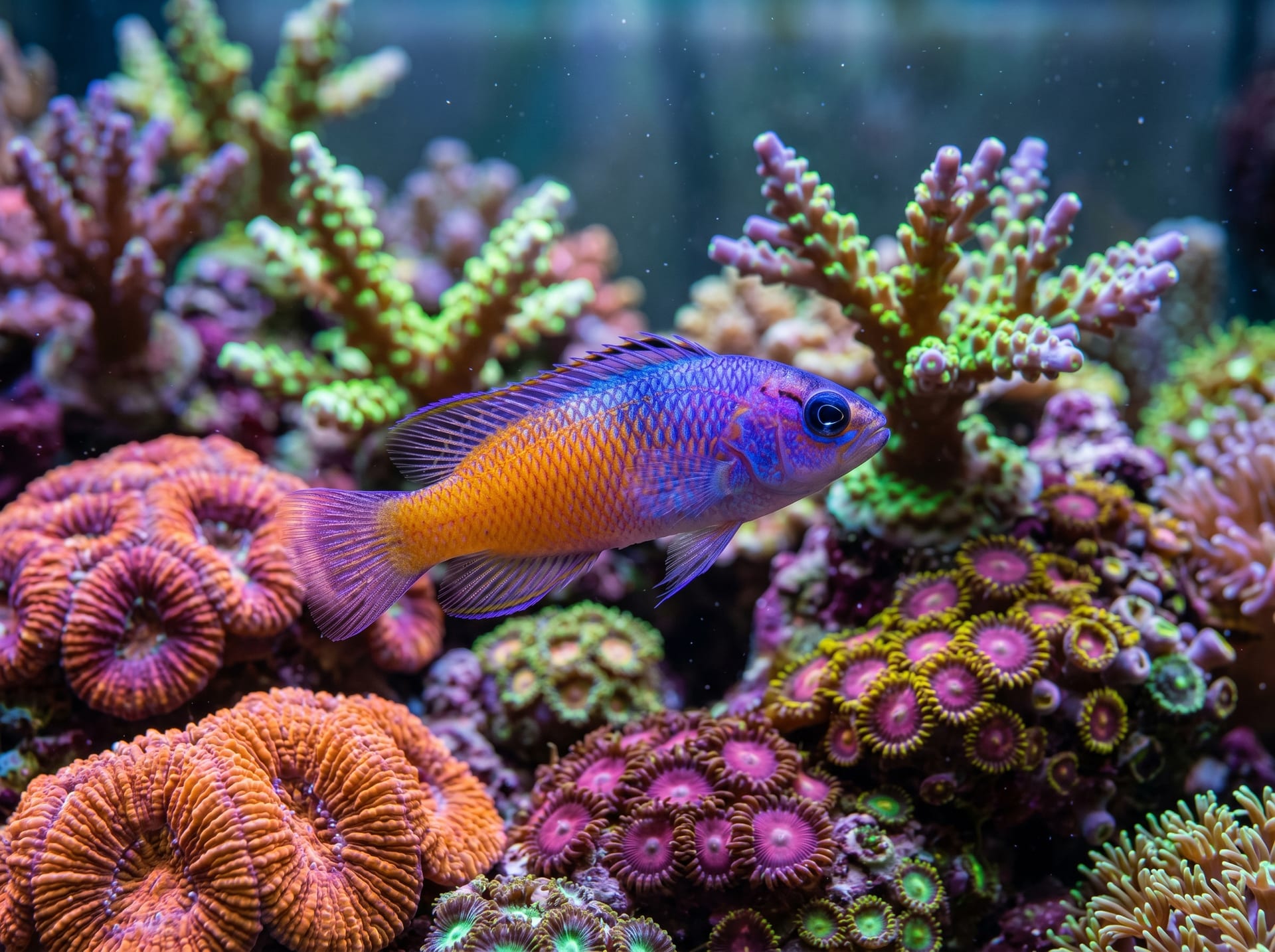
Dottyback
Small colorful marine fish. Royal Dottyback is popular. Feisty but small size limits damage potential.
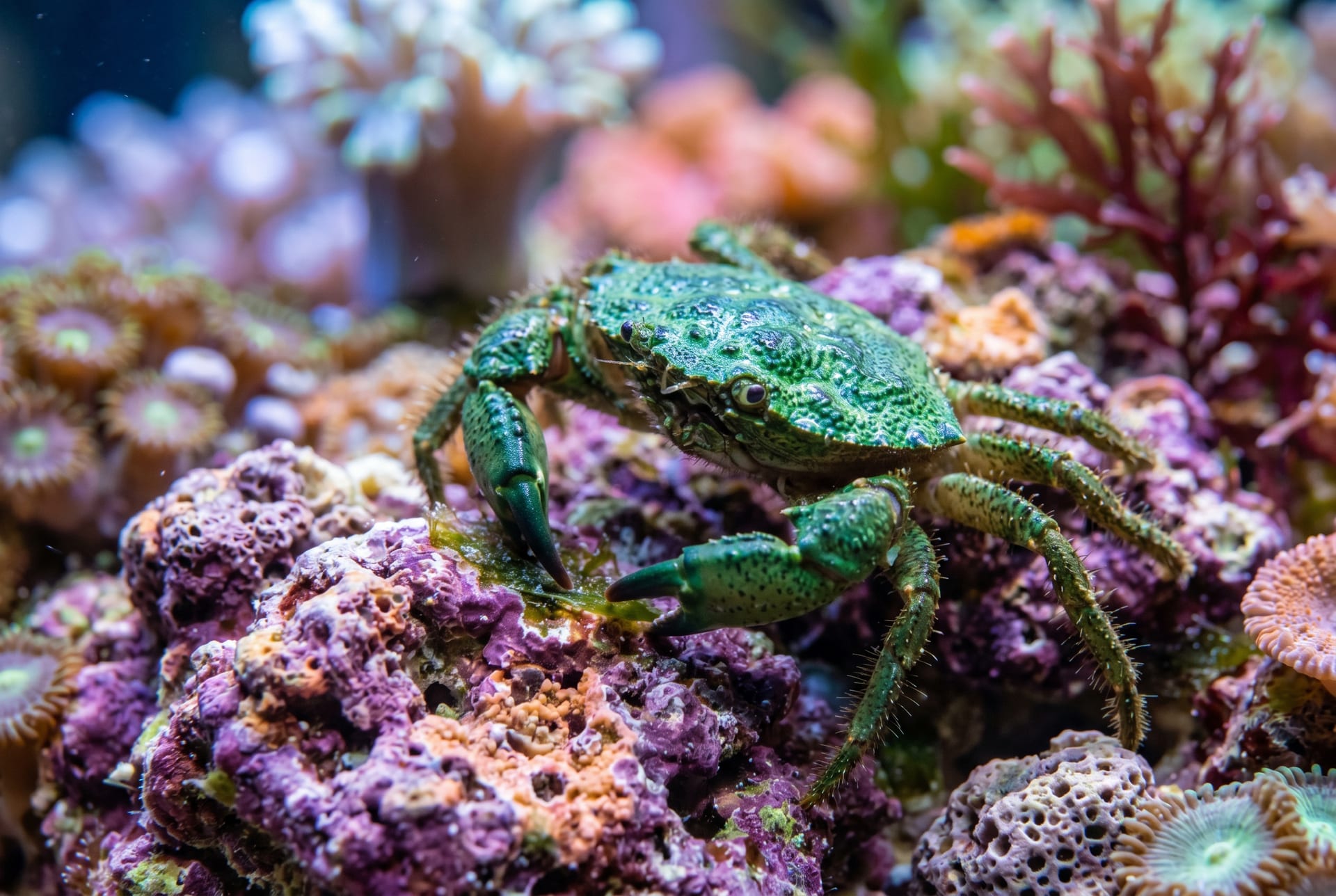
Emerald Crab
Mithraculus sculptus
A glossy green reef crab valued as one of the few animals that eats troublesome bubble algae. A handy member of the marine cleanup crew.
 © Francois Libert / CC BY-SA 2.0
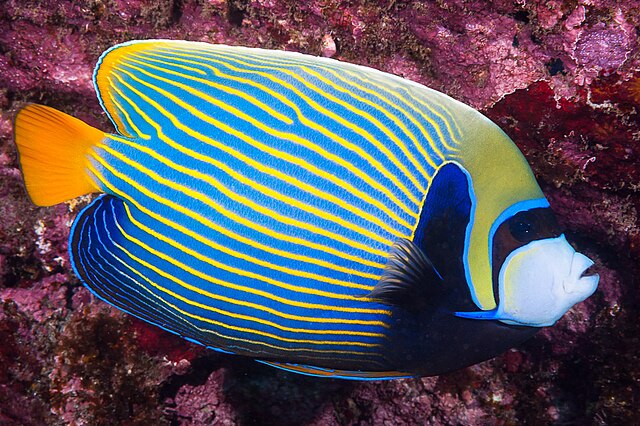
Emperor Angelfish
Pomacanthus imperator
Large angelfish with dramatically different juvenile and adult patterns. Blue and yellow stripes are stunning. Requires large tank.
 © H. Zell / CC BY-SA 3.0
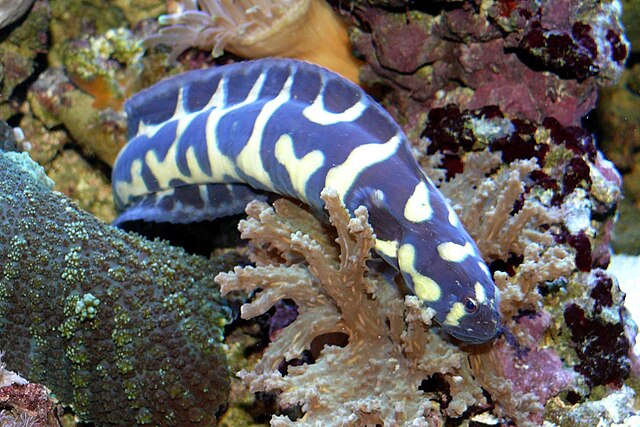
Engineer Goby
Pholidichthys leucotaenia
A goby with fascinating tunnel-digging behavior. Groups build complex burrow systems in sand.
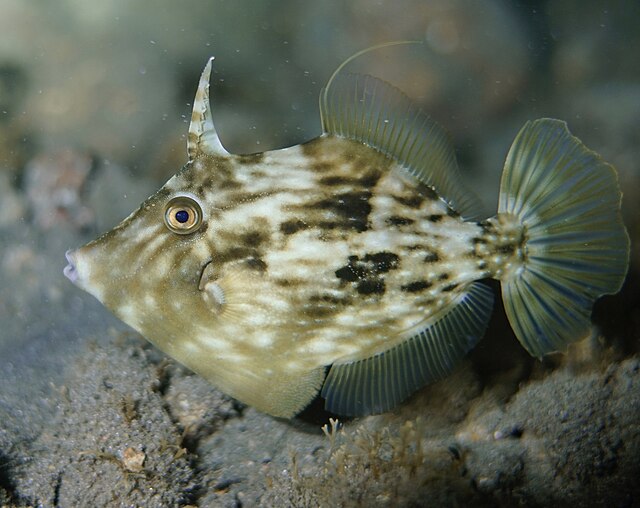
Filefish
A charming fish with small mouth eating seaweed. Also valued for controlling Aiptasia anemones.
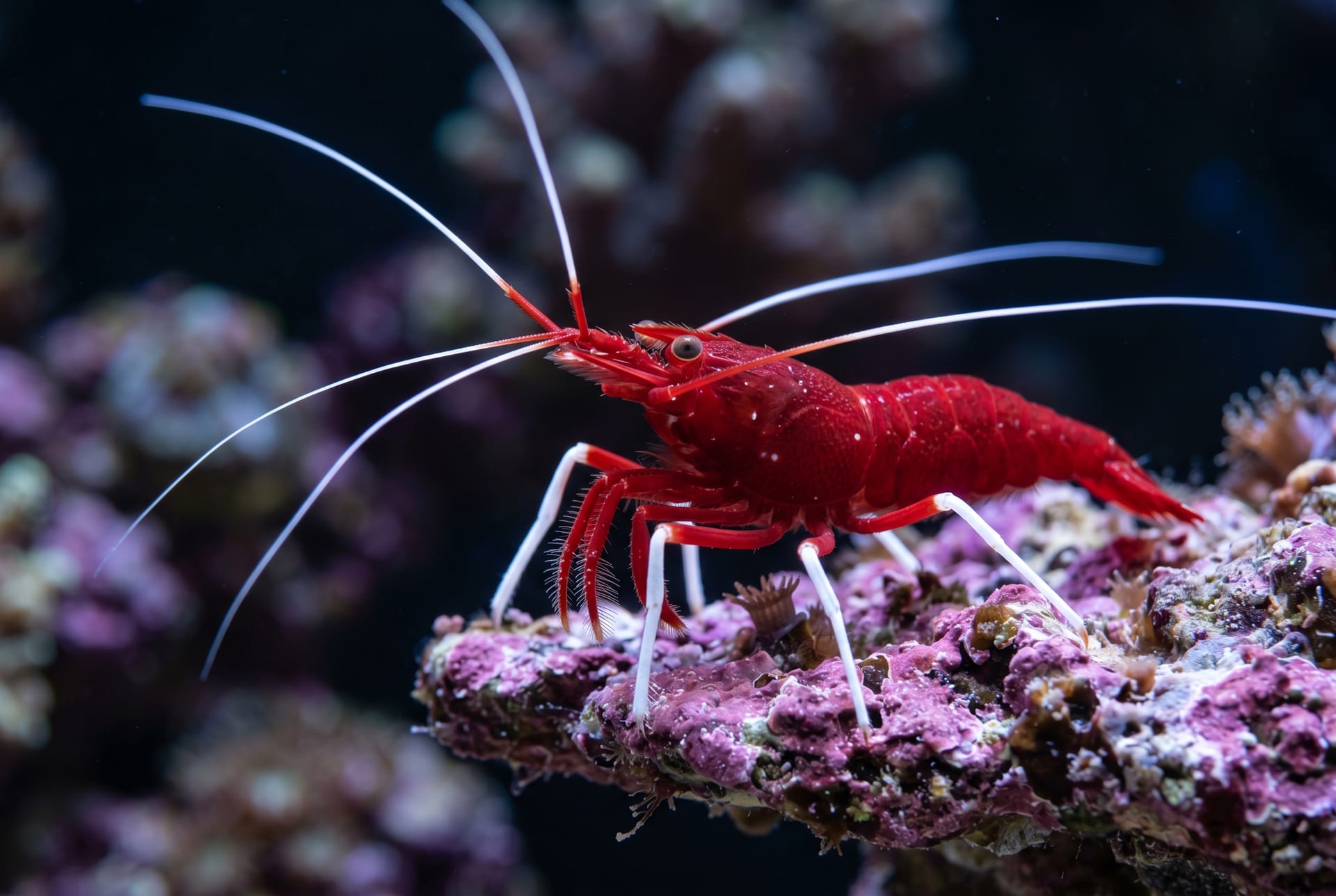
Fire Shrimp
Lysmata debelius
A prized cleaner shrimp with a deep blood-red body, white-socked legs, and long white antennae. It cleans parasites off fish, is hardy and reef-safe, and is stunning to look at.
Related Content
Marine Fish FAQ
- Is keeping marine fish difficult?
- While more water quality management is needed compared to freshwater, starting with hardy species like clownfish or blue-green chromis makes it very manageable for beginners. Stable salinity and temperature are key.
- How much do marine fish cost?
- Clownfish range from 2,000-5,000 yen, blue tangs from 5,000-15,000 yen, and popular angelfish from 5,000-50,000+ yen depending on species and size.
- How long do marine fish live?
- Small fish live 5-10 years, while medium species like angelfish can live 10-20+ years. Proper environment and nutrition enable long-term care.
- What should I check when buying marine fish?
- Check for white spots or injuries on the body, intact fins, and that the fish is eating well. Choosing quarantined specimens gives extra peace of mind.
- What equipment is needed for marine fish?
- Basic equipment includes a tank, salt mix, refractometer, canister filter or overflow system, heater, and protein skimmer. Starting with a 60cm+ tank is recommended.