All breedsScottish Fold6Minuet1MunchkinRagdollSiberian1British ShorthairNorwegian Forest CatMaine CoonExotic ShorthairBengalAmerican ShorthairPersian
Browse all 74 breeds
Filter
Price
Region
Attributes
8 items
Price
Region
Attributes
 © William Parker / CC BY-SA 4.0
Breeder Direct Sales Marketplace
Adopt kittens raised with care by verified Breeder, with no intermediary markups. All microchip, vaccination, and health check information fully disclosed.
For all kitten listings, Breeder clearly disclose the following information. To ensure safe and transparent direct sales, Br-Choku requires these legally mandated items.
* Microchip implants are now legally required for breeding businesses selling dogs and cats under the Animal Protection Law (effective June 2022).
Every BreederDirect transaction is covered by our transaction guarantee. If you cannot receive your pet, you will be fully refunded. A health guarantee also covers you after handover.
Can't find the one you're looking for?
Post your wishes for free and breeders with matching animals will contact you with introductions.
0% commission on your first sales!Register by September 30, 2026 and your first 2 sales are commission-free!
Breeder Wanted!
List on BreederDirect and sell directly to customers nationwide!
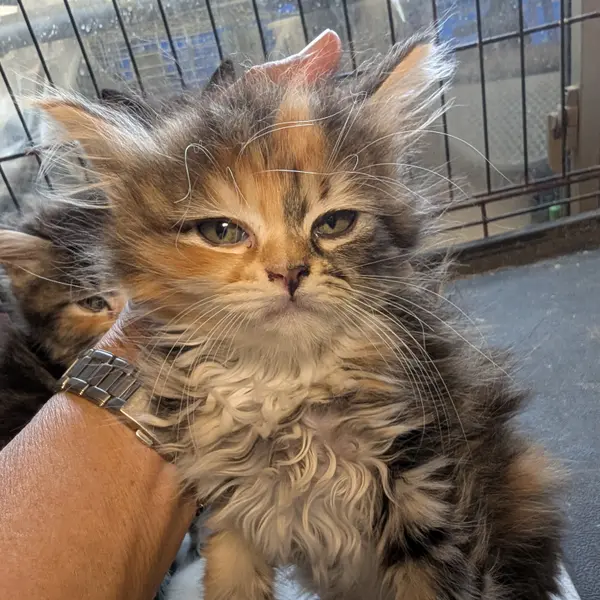
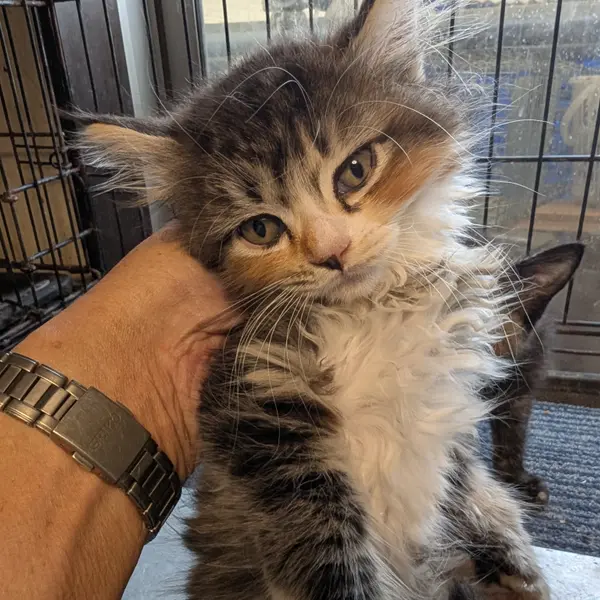
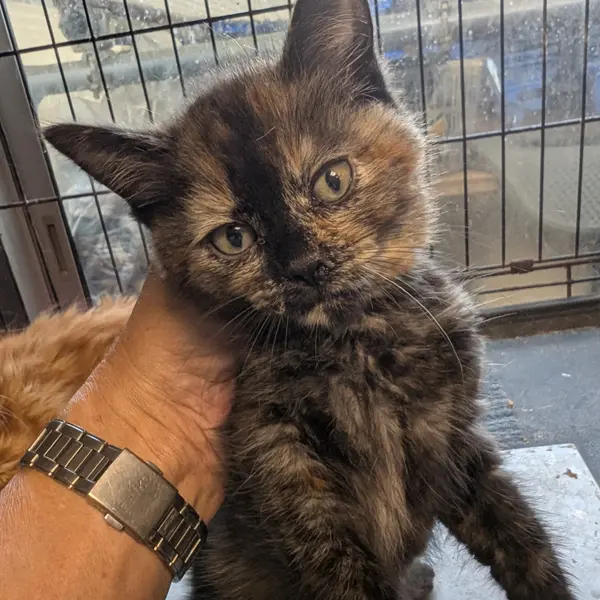
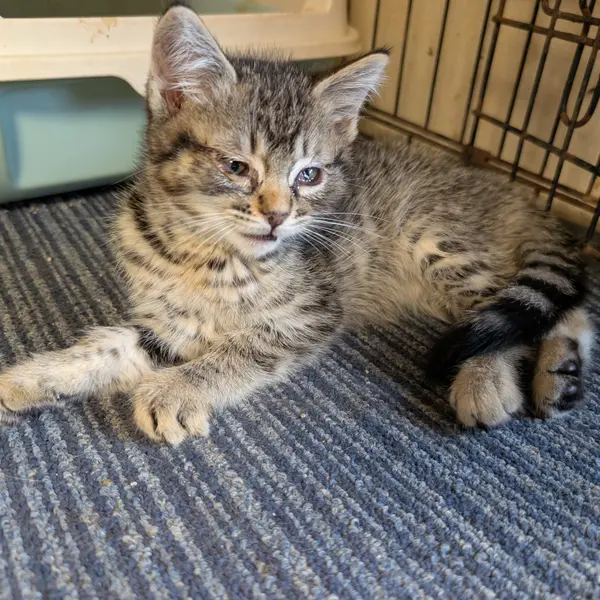
The cat category on BreederDirect lets you welcome kittens of popular breeds — Scottish Folds, Munchkins, Ragdolls and more — directly from the breeders who raised them. You can check the parent cats' temperament and rearing environment, and choose a kitten that fits your household after learning each breed's personality, coat care, and husbandry points. Plan with indoor living in mind, including a calm environment where the cat can settle.
1Understand each breed's temperament and coat
Temperament varies by breed — affectionate, active, or independent — and long-haired breeds need daily brushing. Before adopting, confirm the breed suits your lifestyle, including grooming effort and activity level.
2Set up for fully indoor living
Fully indoor living is recommended for cats to avoid traffic accidents and infectious disease. Provide a cat tower for vertical movement, scratching posts, and a quiet resting spot, and add escape-prevention measures before adoption.
3Estimate the lifetime cost
Food, litter, vaccines, spay/neuter surgery, pet insurance, and medical care all create ongoing costs. Plan a budget that covers both monthly fixed costs and unexpected medical bills.
4Make the most of the socialization period
Roughly 2–9 weeks of age is the socialization period, when getting used to people and the home shapes adult temperament. Time with the mother and littermates also matters, so adopt from breeders who raise kittens to an appropriate age.
5Receive an in-person explanation from a licensed seller
Selling a kitten legally requires the licensed handler to let you view the animal in person and explain key matters. Use it as an important chance to check health, temperament, and care notes directly.
6Know the vaccination and health-care schedule
Kittens receive several rounds of combination vaccines, followed by periodic boosters and checkups. Confirm the kitten's vaccination status with the breeder and choose a regular veterinary clinic early.
7Confirm the time commitment and family agreement
Life with a cat often lasts 15 years or more. Beyond daily meals, litter cleaning, and play, you must plan for time alone and care during travel. Discuss responsibilities with the whole family before adopting.
Cat End-of-Life & Hospice Care Guide | Pain Management, Home Nursing & Euthanasia Decision Criteria
A practical guide to end-of-life care that maintains quality of life for cats with limited time remaining. Covers pain signal recognition, home environment preparation, euthanasia decision criteria using QOL scales (HHHHHMM score), and grief support after loss—a comprehensive practical guide.
Community Cat & TNR Activity Guide: Procedures for Trapping, Neutering, and Return, and How to Approach It in Your Area
Explains the mechanism of TNR (Trap-Neuter-Return) activities for resolving stray cat problems humanely. Includes practical knowledge on community cat management: how to utilize government subsidies, rules for feeding and cleaning, and avoiding the vacuum effect.
A Guide to Cat Sensory Organs | Understanding Vision, Hearing, Smell, and Whiskers and How to Apply Them to Pet Care
What cats see, hear, and smell is completely different from humans. This guide explains the tapetum, ultrasonic hearing, 200 million olfactory cells, and whisker mechanics, then introduces how to apply this knowledge to improve the pet care environment.
How to Read Cat Food Labels | Understanding Ingredients, Nutritional Information, and Quality Assessment
A guide to reading cat food labels. We explain ingredient order, nutritional guarantees, what "complete and balanced" means, and how to identify additives—all in beginner-friendly terms.
Complete Guide to Choosing Wet Food for Cats | Differences from Dry Food, How to Read Ingredients, and Recommended Usage
A guide to incorporating wet food into your cat's diet and how to choose it. Detailed comparison with dry food, how to read ingredient labels, effects on kidney disease and obesity prevention, and feeding balance for healthy cats.