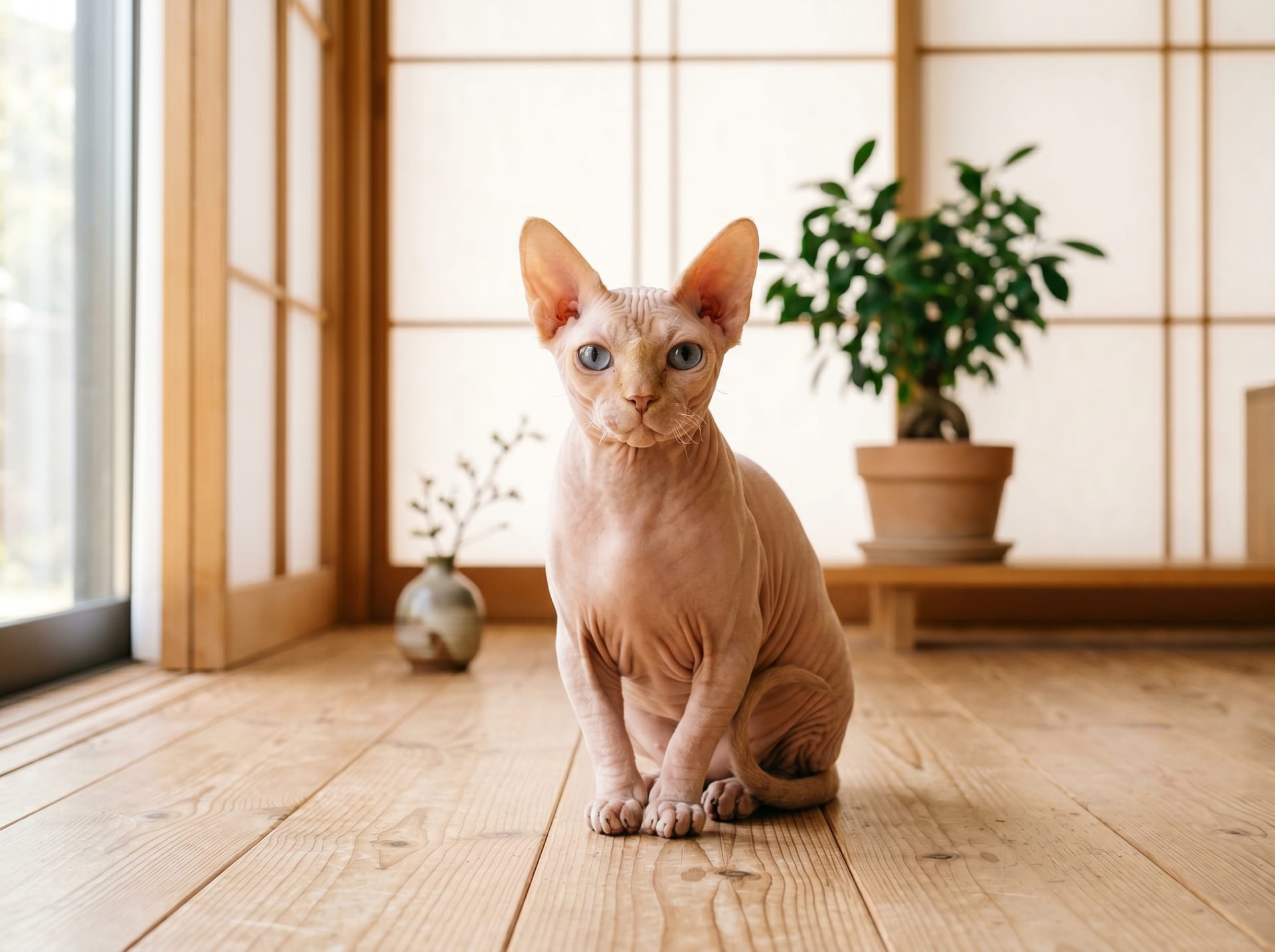
Bambino
Cross between Sphynx and Munchkin. Hairless with short legs. Name means baby in Italian.
View Bambino encyclopedia →- Price Range
- ¥70,000〜¥238,000
0% commission on your first sales!Register by September 30, 2026 and your first 2 sales are commission-free!
Breeder Wanted!
List on BreederDirect and sell directly to customers nationwide!
4 Trust Pillars We Guarantee at Br-Choku
For all kitten listings, Breeder clearly disclose the following information. To ensure safe and transparent direct sales, Br-Choku requires these legally mandated items.
- MicrochipRequired
- Vaccinated
- Health Checked
- Pedigree Certified
* Microchip implants are now legally required for breeding businesses selling dogs and cats under the Animal Protection Law (effective June 2022).
Secure transaction guarantee
Dogs & cats onlyEvery BreederDirect transaction is covered by our transaction guarantee. If you cannot receive your pet, you will be fully refunded. A health guarantee also covers you after handover.
Learn about transaction safety →Browse all 74 breeds
Verified breeders wanted for Cats
Breeders are signing up now ahead of launch. Subscribe to be notified when new listings go live.
Getting alerts is free with a member account. When new listings match your saved search, we'll notify you by email and in-app.
Browse other categories
Verified breeders (preview)
Bambino key facts
- Care level
- Advanced
- Lifespan
- 12-14 years
- Size
- 2-4kg
- Diet
- Dry food, high-calorie diet
- Temperament
- Affectionate, active, loves people
- Exercise
- Moderate indoor play
- Coat Care
- Hairless, regular baths and skin care
- Origin
- United States
- Notes
- Cold sensitive, watch for skin issues, indoor only
About Bambino
The Bambino is a relatively young breed that originated in the United States around 2005, created by deliberately crossing the hairless Sphynx with the short-legged Munchkin. Its name comes from the Italian word for "baby," and its appearance lives up to the name — small, round-headed, with large ears and wide expressive eyes. The body is muscular and compact, and despite short legs, Bambinos move with surprising energy. In temperament, they are exceptionally affectionate and crave human company, often following their owners from room to room. They are intelligent and playful, generally getting along well with children and other pets. The lack of a coat means regular skin care and temperature management are necessary, but this also makes them a potential option for people sensitive to cat hair. Their striking looks and endearing personality have attracted a devoted following among cat enthusiasts worldwide.
7 things to know before welcoming a Bambino
1Warmth Is Essential
With no coat to retain body heat, Bambinos are sensitive to cold and need a warm environment. Aim to keep room temperature around 24–26°C and provide a cozy bed or blanket. In winter, monitor heater use carefully to prevent low-temperature burns.
2Regular Skin Care
Without fur, oils and dirt accumulate directly on the skin, so gentle wiping or bathing with lukewarm water once or twice a week is recommended. Prolonged sun exposure can cause sunburn, so limit direct sunlight. The ears also tend to collect wax and debris and should be cleaned regularly.
3Mind the Short Legs
Inherited from the Munchkin, Bambinos' short legs make jumping to high places more challenging. Choose a cat tower with small step intervals to help them climb safely. To reduce joint stress, place mats on hard floors to cushion landings.
4Social but Prone to Loneliness
Bambinos are highly sociable and often want to be near their owner at all times. Extended periods alone can cause stress, so consider multi-cat households or scheduled playtime if you are away frequently. Many individuals prefer a lively home environment over a quiet one.
5Diet and Weight Management
Bambinos tend to have a hearty appetite as they burn more energy maintaining body temperature. However, insufficient activity can lead to obesity. Feed a high-protein, low-carbohydrate diet in measured portions and monitor weight regularly.
6Awareness of Genetic Health Issues
Bambinos may inherit genetic predispositions from both the Sphynx and Munchkin, including risks for hypertrophic cardiomyopathy and skeletal issues. Regular veterinary check-ups are strongly recommended for early detection. When choosing a breeder, confirm that health screenings are conducted on parent cats.
7Estimated Ownership Costs
As a rare breed, purchase prices are relatively high, typically ranging from around 300,000 to 700,000 yen. Budget additionally for skin care products, heating supplies, and regular veterinary visits. Enrolling in pet insurance is worth considering to help manage unexpected medical costs.
Frequently asked questions about Bambino
- Q.Do Bambinos shed much?
- A.Bambinos shed very little due to their near-hairless coat. However, skin oils accumulate on their body surface, so regular wiping or bathing is still required.
- Q.Can Bambinos be kept entirely indoors?
- A.Bambinos are well-suited to fully indoor living and it is generally recommended to keep them inside. Exposed skin makes them more vulnerable to predators, UV radiation, and infectious diseases outdoors.
- Q.Can allergy sufferers keep a Bambino?
- A.While the lack of fur reduces airborne allergens from shedding, the main allergen in cat allergy is a protein found in skin oils and saliva. Anyone concerned about allergies should consult an allergist before bringing a Bambino home.
- Q.Do Bambinos get along with other cats or dogs?
- A.Their sociable nature makes them generally good candidates for multi-pet households, including calm dogs, as long as introductions are handled gradually. Rushing the initial meeting can cause stress, so take it step by step.
- Q.What is the average lifespan of a Bambino?
- A.Their lifespan is generally estimated at around 12 to 15 years, though long-term data is limited given how recently the breed was developed. Regular veterinary checkups and proper daily care are key to supporting a long, healthy life.
Useful tools for Bambino care
Learn more about Bambino in the encyclopedia
View Bambino encyclopedia entry →
Care difficulty, lifespan, size and diet — all basics covered.
More in this category
Can't find the one you're looking for?
Post your wishes for free and breeders with matching animals will contact you with introductions.