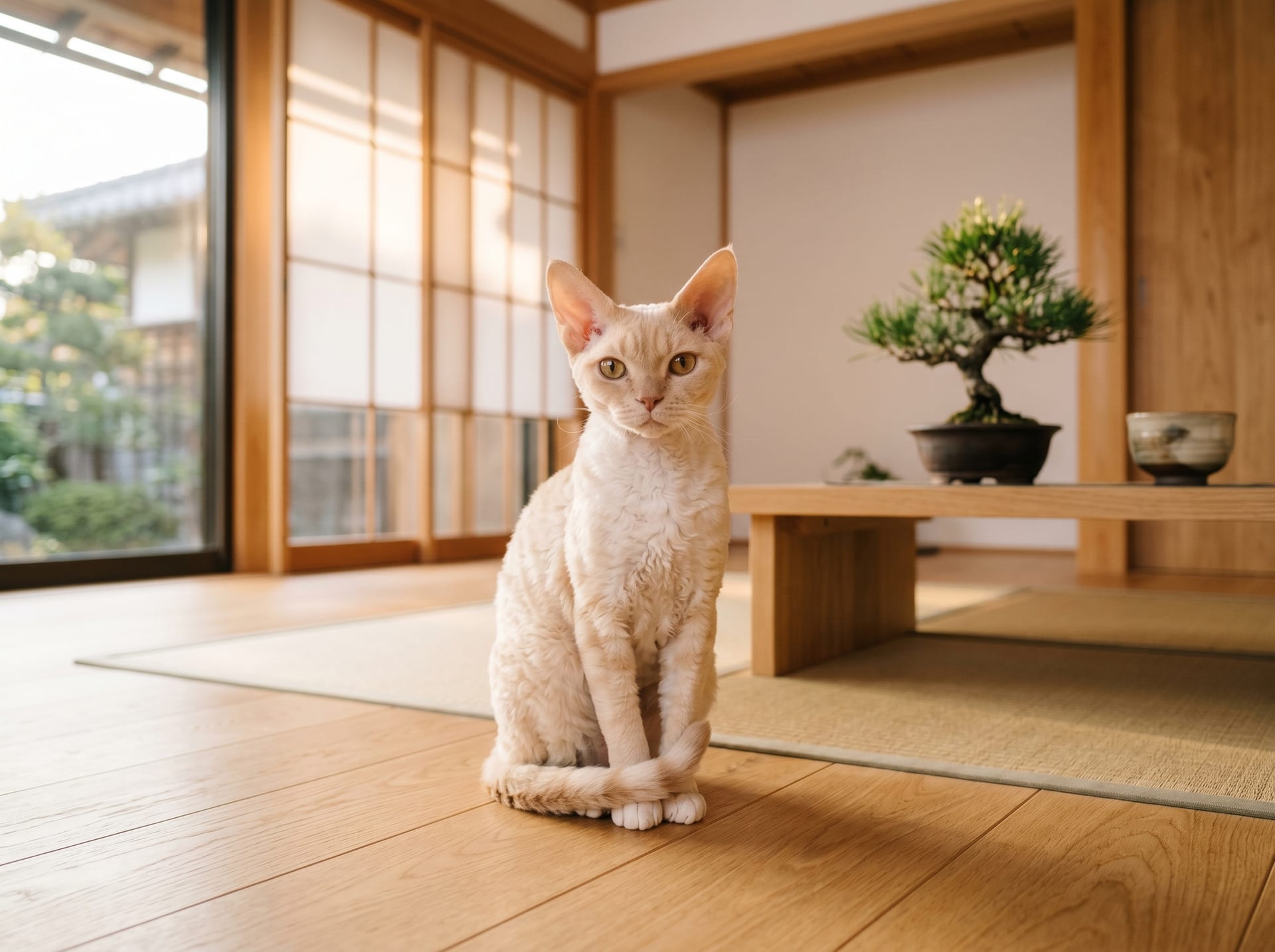
Devon Rex
Large ears, curly coat, and elf-like appearance. Extremely playful and mischievous. Loves sitting on shoulders.
View Devon Rex encyclopedia →0% commission on your first sales!Register by September 30, 2026 and your first 2 sales are commission-free!
Breeder Wanted!
List on BreederDirect and sell directly to customers nationwide!
4 Trust Pillars We Guarantee at Br-Choku
For all kitten listings, Breeder clearly disclose the following information. To ensure safe and transparent direct sales, Br-Choku requires these legally mandated items.
- MicrochipRequired
- Vaccinated
- Health Checked
- Pedigree Certified
* Microchip implants are now legally required for breeding businesses selling dogs and cats under the Animal Protection Law (effective June 2022).
Secure transaction guarantee
Dogs & cats onlyEvery BreederDirect transaction is covered by our transaction guarantee. If you cannot receive your pet, you will be fully refunded. A health guarantee also covers you after handover.
Learn about transaction safety →Browse all 88 breeds
Verified breeders wanted for Cats
Breeders are signing up now ahead of launch. Subscribe to be notified when new listings go live.
Getting alerts is free with a member account. When new listings match your saved search, we'll notify you by email and in-app.
Browse other categories
Verified breeders (preview)
Devon Rex key facts
- Care level
- Intermediate
- Lifespan
- 12-15 years
- Size
- Weight 2.5-4.5kg
- Diet
- High-quality complete cat food. Good appetite; watch for obesity.
- Temperament
- Playful and mischievous. Loves riding on shoulders; always wants to be with owner.
- Exercise
- Very active. Loves climbing high and performing acrobatic moves.
- Coat Care
- Short curly coat with low shedding. Gentle brushing for delicate coat.
- Origin
- United Kingdom
- Notes
- Watch for patellar luxation and muscular dystrophy. May be cold-sensitive.
About Devon Rex
The Devon Rex traces its origins to a natural genetic mutation discovered in Devon, England, in the 1960s. A woman who bred curly-coated cats rescued a kitten born from a curly-haired tom living near an abandoned mine, laying the foundation for the breed. It was later confirmed that the mutation responsible for the Devon Rex's coat is genetically distinct from that of the Cornish Rex, despite superficial similarities. The breed's most striking features are its disproportionately large, low-set ears, short upturned nose, and wide, luminous eyes — a combination often compared to a pixie or imp. The fine, loosely waved coat sheds relatively little. In temperament, the Devon Rex is sociable, playful, and intensely people-oriented, preferring to follow its owner from room to room. Its intelligence makes it capable of learning simple tricks, and it generally adapts well to multi-pet households. For those seeking a cat with both a one-of-a-kind appearance and a deeply affectionate bond, the Devon Rex is a compelling choice.
7 things to know before welcoming a Devon Rex
1Sensitive to Cold
The Devon Rex's thin, wavy coat provides little insulation, making this breed prone to feeling cold. Keep indoor temperatures around 22–26°C and provide a heated cat bed or warm resting spots, especially in winter. Drafts near windows can also cause discomfort.
2Velcro-Cat Personality
Often described as "dog-like," the Devon Rex craves constant companionship and can become stressed if left alone for long periods. If you are away from home frequently, consider adopting a second cat or enriching the environment with interactive toys. This breed is not well-suited for owners who prefer a more independent cat.
3Gentle Grooming Needed
The curly coat is fragile — vigorous brushing can break or thin the fur. Light grooming once or twice a week with a soft brush or even bare hands is sufficient. The large ears tend to accumulate wax and debris, so check and gently clean them regularly to prevent buildup.
4Big Appetite, Obesity Risk
Despite a high metabolism, Devon Rex cats have hearty appetites and can become overweight if food intake is not managed. Feed measured portions at set times rather than leaving food out freely. Monitor weight regularly and consult a veterinarian if you notice sudden changes.
5Watch for Hereditary Myopathy
Devon Rex Myopathy is a hereditary muscle condition known to affect this breed, causing weakness in the neck and throat muscles in some individuals. When purchasing from a breeder, ask whether genetic testing has been performed. If you notice signs of muscle weakness, consult a veterinarian promptly.
6Needs Mental Stimulation
Curious and intelligent, the Devon Rex easily becomes bored in unstimulating environments. Provide cat trees, puzzle feeders, and interactive wand toys to engage both body and mind. Scheduling two dedicated play sessions per day with the owner significantly improves the cat's well-being.
7Cost Considerations
Devon Rex kittens typically range from 150,000 to 300,000 yen due to their relative rarity. Over a 15-year lifespan, ongoing costs including food, veterinary care, and litter can total 1.5 to 2.5 million yen. Pet insurance is worth considering to manage unexpected medical expenses.
Frequently asked questions about Devon Rex
- Q.Does the Devon Rex shed much?
- A.The Devon Rex tends to shed less than most cat breeds due to its short, fine, curly coat. However, it is not completely non-shedding, and seasonal changes may increase hair loss slightly. Those with cat allergies should spend time with the breed before committing to ownership, as individual reactions vary.
- Q.Can I keep a Devon Rex if I live alone?
- A.Single-person households can absolutely keep a Devon Rex, but frequent or prolonged absences can be hard on this people-dependent breed. If you are away for most of the day, consider adopting a second cat for companionship or providing plenty of interactive enrichment. Making time for dedicated play when you are home is essential.
- Q.Is the Devon Rex good with children and dogs?
- A.The Devon Rex's social and adaptable nature makes it generally well-suited to living with children and dogs. That said, ensure the cat always has a safe retreat away from young children. Gradual introductions with unfamiliar dogs help establish a harmonious relationship over time.
- Q.How much daily grooming does a Devon Rex need?
- A.Light brushing once or twice a week is enough for coat care — over-grooming can damage the delicate curls. Check and gently clean the ears about once a week using a soft cotton pad. Regular nail trimming and tooth brushing round out a simple but effective grooming routine.
- Q.What is the Devon Rex's life expectancy?
- A.The Devon Rex typically lives around 12 to 15 years. Breed-specific health concerns such as hereditary myopathy mean that regular veterinary checkups and proper nutrition are especially important. Choosing a kitten from a reputable breeder who conducts genetic health screening can also contribute to a longer, healthier life.
Useful tools for Devon Rex care
Learn more about Devon Rex in the encyclopedia
View Devon Rex encyclopedia entry →
Care difficulty, lifespan, size and diet — all basics covered.
Devon Rex related articles
See more Devon Rex articles →More in this category
Can't find the one you're looking for?
Post your wishes for free and breeders with matching animals will contact you with introductions.