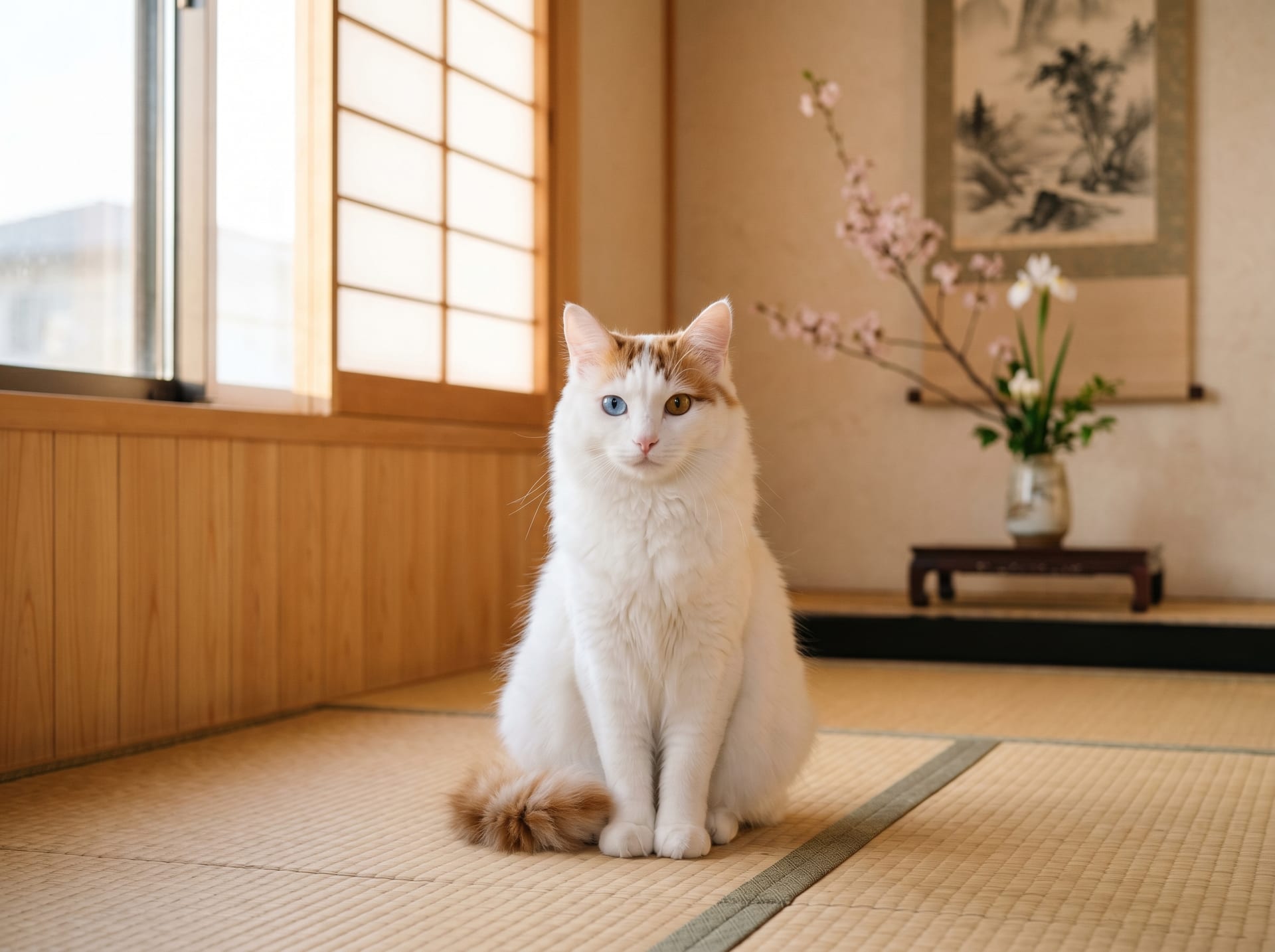
Turkish Van
Unique van pattern with color only on head and tail. 'Swimming cat' that loves water. Large and energetic.
View Turkish Van encyclopedia →- Price Range
- ¥70,000〜¥238,000
0% commission on your first sales!Register by September 30, 2026 and your first 2 sales are commission-free!
Breeder Wanted!
List on BreederDirect and sell directly to customers nationwide!
4 Trust Pillars We Guarantee at Br-Choku
For all kitten listings, Breeder clearly disclose the following information. To ensure safe and transparent direct sales, Br-Choku requires these legally mandated items.
- MicrochipRequired
- Vaccinated
- Health Checked
- Pedigree Certified
* Microchip implants are now legally required for breeding businesses selling dogs and cats under the Animal Protection Law (effective June 2022).
Secure transaction guarantee
Dogs & cats onlyEvery BreederDirect transaction is covered by our transaction guarantee. If you cannot receive your pet, you will be fully refunded. A health guarantee also covers you after handover.
Learn about transaction safety →Browse all 74 breeds
Verified breeders wanted for Cats
Breeders are signing up now ahead of launch. Subscribe to be notified when new listings go live.
Getting alerts is free with a member account. When new listings match your saved search, we'll notify you by email and in-app.
Browse other categories
Verified breeders (preview)
Turkish Van key facts
- Care level
- Intermediate
- Lifespan
- 12-17 years
- Size
- Weight 3-8.5kg
- Diet
- High-quality large-breed cat food.
- Temperament
- Active and energetic. Loves water; some play with faucets.
- Exercise
- Very active with high exercise needs. Provide water play opportunities.
- Coat Care
- Semi-long waterproof coat. Brush twice weekly.
- Origin
- Turkey (Lake Van area)
- Notes
- White cats risk deafness. Watch for HCM.
About Turkish Van
The Turkish Van is a naturally occurring breed with centuries of history around Lake Van in eastern Turkey. Its most distinctive feature is the "Van pattern" — a white body with color confined to the head and tail. The semi-long, silky coat has minimal undercoat, making it surprisingly manageable for a longhaired breed. Perhaps most famously, Turkish Vans are drawn to water, earning them the nickname "the swimming cat." In temperament, they are energetic and highly curious, forming strong bonds with family while maintaining an independent streak — preferring to be near people rather than constantly held. Adults are notably large, often reaching 5 to 8 kg. Given adequate space to run, engaging toys, and daily interaction, the Turkish Van thrives as a lively and rewarding companion.
7 things to know before welcoming a Turkish Van
1Prepare for Water Play
Turkish Vans are often drawn to water and may splash in sinks, bowls, or open containers. It's important to manage access to bathrooms and kitchens to prevent accidents. Being mindful of water sources around the home will help keep your cat safe.
2Space for Exercise
As a large, high-energy breed, Turkish Vans do best with ample space to run and climb. Cat trees with multiple levels are highly recommended. Lack of exercise can lead to stress and unwanted behaviors, so an active indoor environment is important.
3Coat Care Basics
The Turkish Van's semi-long coat is silky and less prone to matting than many longhaired breeds, but brushing two to three times a week helps manage shedding and keeps the coat healthy. Grooming needs are relatively moderate due to minimal undercoat.
4Independent yet Affectionate
Turkish Vans are devoted to their families but often prefer to be near rather than held. They tend to follow people around out of curiosity rather than seeking lap time. Respecting their independent streak and letting them set the pace for interaction builds lasting trust.
5Mental Stimulation Matters
Turkish Vans are intelligent and easily bored, making puzzle feeders and interactive toys valuable additions to the home. Daily play sessions are essential. Without adequate mental stimulation, they may channel energy into scratching furniture or other mischief.
6Watch Weight and Joints
As a large breed, Turkish Vans benefit from careful weight management, particularly during growth and senior years, to reduce stress on joints. Regular weigh-ins and appropriate portion control are good habits to establish. Routine vet checkups can help monitor joint health as they age.
7Compatibility with Other Pets
Turkish Vans can be sociable but are also assertive, so compatibility with other cats or dogs varies by individual. Gradual introductions with a proper acclimation period are essential when adding new pets. Caution is advised when housing them with small animals.
Frequently asked questions about Turkish Van
- Q.Do Turkish Vans really like water?
- A.Many Turkish Vans do show a notable interest in water — dabbling in sinks or splashing in bowls — though the degree varies by individual. Some may enjoy swimming, but it's not universal across all cats of the breed.
- Q.Do they shed a lot or get matted easily?
- A.Turkish Vans have minimal undercoat, so they tend to shed and mat less than many other longhaired breeds. Regular brushing two to three times a week — especially during shedding seasons — is usually enough to keep the coat in good condition.
- Q.Can they live with children or other pets?
- A.Turkish Vans generally get along well with children due to their playful nature, though they dislike rough handling. Compatibility with other pets varies by individual, and careful, gradual introductions are recommended to ensure a smooth transition.
- Q.Are they cuddly and affectionate?
- A.Turkish Vans are devoted to their people but tend to prefer proximity over being held. They often come to you on their own terms, and respecting that independence generally leads to a stronger and more trusting bond.
- Q.Are they high-maintenance in terms of exercise?
- A.Turkish Vans are energetic and do require daily play and vertical spaces like cat trees to stay healthy and content. Insufficient activity can lead to stress-related behaviors. That said, they adapt well to indoor living when provided with adequate stimulation and space.
Useful tools for Turkish Van care
Learn more about Turkish Van in the encyclopedia
View Turkish Van encyclopedia entry →
Care difficulty, lifespan, size and diet — all basics covered.
More in this category
Can't find the one you're looking for?
Post your wishes for free and breeders with matching animals will contact you with introductions.