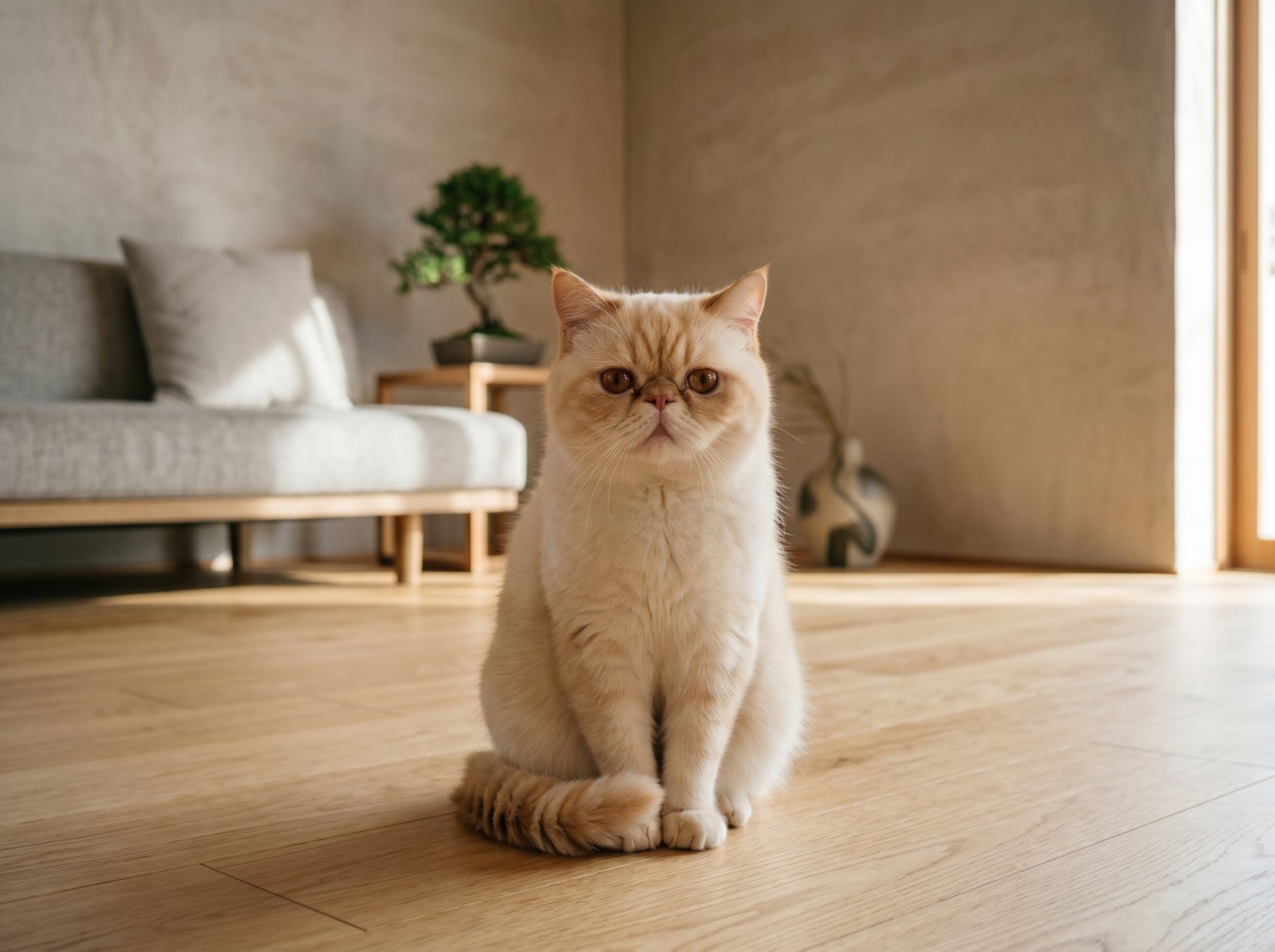
Exotic Shorthair
Short-haired Persian. Teddy bear-like flat face and round body. More active than Persian but still calm.
View Exotic Shorthair encyclopedia →- Price Range
- ¥70,000〜¥238,000
0% commission on your first sales!Register by September 30, 2026 and your first 2 sales are commission-free!
Breeder Wanted!
List on BreederDirect and sell directly to customers nationwide!
4 Trust Pillars We Guarantee at Br-Choku
For all kitten listings, Breeder clearly disclose the following information. To ensure safe and transparent direct sales, Br-Choku requires these legally mandated items.
- MicrochipRequired
- Vaccinated
- Health Checked
- Pedigree Certified
* Microchip implants are now legally required for breeding businesses selling dogs and cats under the Animal Protection Law (effective June 2022).
Secure transaction guarantee
Dogs & cats onlyEvery BreederDirect transaction is covered by our transaction guarantee. If you cannot receive your pet, you will be fully refunded. A health guarantee also covers you after handover.
Learn about transaction safety →Browse all 74 breeds
Verified breeders wanted for Cats
Breeders are signing up now ahead of launch. Subscribe to be notified when new listings go live.
Getting alerts is free with a member account. When new listings match your saved search, we'll notify you by email and in-app.
Browse other categories
Verified breeders (preview)
Exotic Shorthair key facts
- Care level
- Beginner-friendly
- Lifespan
- 12-15 years
- Size
- Weight 3-6.5kg
- Diet
- Complete nutrition cat food. Flat dishes for flat face recommended.
- Temperament
- Calm and affectionate. More playful than Persian but basically laid-back.
- Exercise
- Moderate indoor play sufficient. Enjoys toys and feather wands.
- Coat Care
- Dense short plush coat. Brush twice weekly. Tear stain care also needed.
- Origin
- United States
- Notes
- Brachycephalic; prone to breathing issues and tear staining. Watch for PKD.
About Exotic Shorthair
The Exotic Shorthair was developed in the United States during the 1950s and 60s by crossing American Shorthairs with Persians, with the goal of capturing the Persian's look in a coat that required far less grooming. Recognized as a distinct breed by the CFA in 1967, it quickly earned the nickname "the lazy man's Persian" and gained a devoted following worldwide. Its most defining features are the broad, flat face with a tiny upturned nose, large round eyes, and a compact, heavily boned body — all wrapped in a dense, plush coat that feels like velvet. Temperamentally, the Exotic is calm, quiet, and deeply affectionate, preferring to stay close to its people rather than explore independently. It is slightly more playful than the Persian and will happily bat at a feather wand or chase a toy mouse. This combination of easy-care coat, gentle nature, and striking teddy-bear appearance makes the Exotic Shorthair an appealing choice for first-time owners, though daily facial cleaning and awareness of brachycephalic health considerations remain essential parts of responsible ownership.
7 things to know before welcoming a Exotic Shorthair
1Daily Brushing Still Needed
Although much shorter than a Persian's coat, the Exotic's dense, plush fur can still mat and shed noticeably. Brushing two to three times a week helps prevent tangles and supports skin health. Increase frequency during seasonal shedding periods.
2Wipe Facial Folds Daily
The folds around the flat nose easily trap tear stains and debris, which can lead to skin irritation if neglected. Use a soft damp cotton pad or pet-safe wipe to gently clean the area daily. Addressing reddish-brown tear staining early helps prevent chronic skin problems.
3Watch for Breathing and Eye Issues
As a brachycephalic breed, Exotic Shorthairs can have narrow nasal passages that cause audible breathing or snoring. Watch for labored breathing during exercise or in hot weather. Their prominent eyes are also prone to corneal irritation, so check daily for excessive discharge or redness.
4PKD Genetic Testing Is Important
Polycystic kidney disease (PKD), inherited from Persian ancestry, can affect Exotic Shorthairs. Reputable breeders test parent cats and can provide certification, so always ask for proof before purchasing. Regular ultrasound screening helps detect the condition early, even in cats from tested lines.
5Keep the Home Cool Year-Round
Brachycephalic cats struggle to regulate body temperature, making them vulnerable to heatstroke. Keep indoor temperatures at or below 26°C during summer and avoid prolonged sun exposure. Always provide fresh water to encourage hydration throughout the day.
6Low Energy but Prone to Obesity
Exotic Shorthairs are calm and low-activity cats, which makes them prone to weight gain in indoor environments. Excess weight strains their joints and cardiovascular system, so aim for 15 to 20 minutes of interactive play daily. Weigh your cat regularly to catch early weight gain.
7Dislikes Long Periods Alone
This affectionate breed bonds closely with its owner and can become stressed when left alone for long stretches. If you have a busy schedule, enrich the environment with puzzle toys and climbing structures, or consider adopting a second cat for company. Regular bonding time after returning home goes a long way.
Frequently asked questions about Exotic Shorthair
- Q.How much do Exotic Shorthairs shed?
- A.Exotic Shorthairs shed a moderate amount year-round, with heavier shedding during spring and autumn coat changes. Regular brushing two to three times a week, combined with routine vacuuming, keeps shedding manageable.
- Q.What is the difference between an Exotic and a Persian?
- A.The primary difference is coat length. The Exotic Shorthair has a much shorter, easier-to-maintain coat than the Persian, earning it the nickname "the shorthaired Persian." Appearance and temperament are very similar, though Exotics tend to be slightly more active and playful.
- Q.Are Exotic Shorthairs good with children and other pets?
- A.Their calm and patient temperament makes them generally good with children and other pets. However, they dislike sudden loud noises and rough handling, so adult supervision is recommended when young children interact with the cat.
- Q.What is the approximate monthly cost of owning an Exotic Shorthair?
- A.Basic monthly costs for food, litter, and supplies typically range from 5,000 to 10,000 yen. Because brachycephalic breeds are prone to health issues, budgeting for one to two vet check-ups per year and considering pet insurance — roughly 2,000 to 4,000 yen per month — is also advisable.
- Q.Do Exotic Shorthairs meow a lot or loudly?
- A.Exotic Shorthairs have soft voices and are not particularly vocal. They typically meow quietly only when hungry or seeking attention, making them a suitable choice for apartment living where noise is a concern.
Useful tools for Exotic Shorthair care
Learn more about Exotic Shorthair in the encyclopedia
View Exotic Shorthair encyclopedia entry →
Care difficulty, lifespan, size and diet — all basics covered.
Exotic Shorthair related articles
See more Exotic Shorthair articles →More in this category
Can't find the one you're looking for?
Post your wishes for free and breeders with matching animals will contact you with introductions.