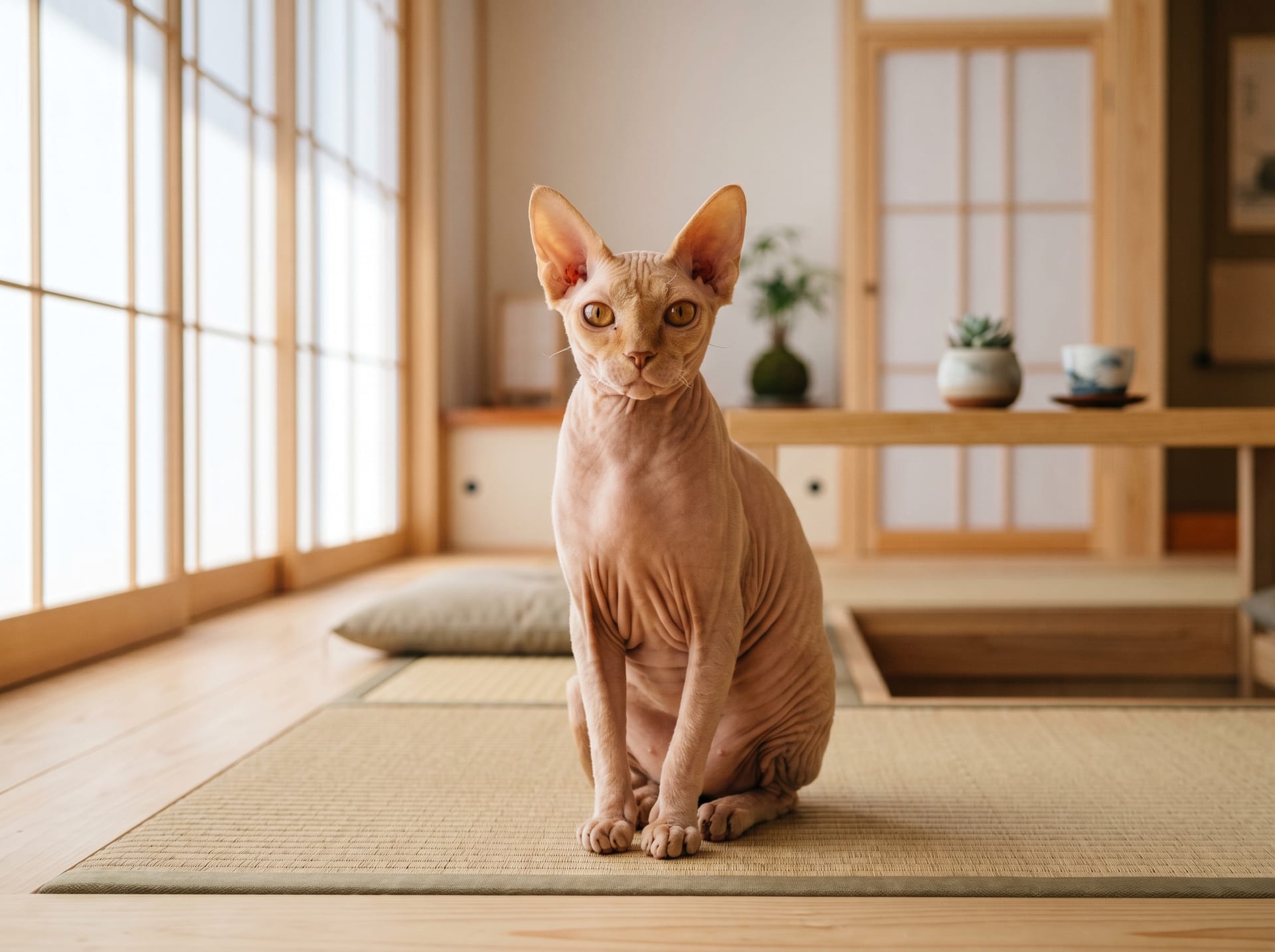
Sphynx
Nearly hairless breed with wrinkled skin and large ears. Extremely affectionate; warm to the touch.
View Sphynx encyclopedia →- Price Range
- ¥70,000〜¥238,000
0% commission on your first sales!Register by September 30, 2026 and your first 2 sales are commission-free!
Breeder Wanted!
List on BreederDirect and sell directly to customers nationwide!
4 Trust Pillars We Guarantee at Br-Choku
For all kitten listings, Breeder clearly disclose the following information. To ensure safe and transparent direct sales, Br-Choku requires these legally mandated items.
- MicrochipRequired
- Vaccinated
- Health Checked
- Pedigree Certified
* Microchip implants are now legally required for breeding businesses selling dogs and cats under the Animal Protection Law (effective June 2022).
Secure transaction guarantee
Dogs & cats onlyEvery BreederDirect transaction is covered by our transaction guarantee. If you cannot receive your pet, you will be fully refunded. A health guarantee also covers you after handover.
Learn about transaction safety →Browse all 74 breeds
Verified breeders wanted for Cats
Breeders are signing up now ahead of launch. Subscribe to be notified when new listings go live.
Getting alerts is free with a member account. When new listings match your saved search, we'll notify you by email and in-app.
Browse other categories
Verified breeders (preview)
Sphynx key facts
- Care level
- Advanced
- Lifespan
- 12-15 years
- Size
- Weight 3-6kg
- Diet
- High-calorie complete food. Needs extra energy for body temperature regulation.
- Temperament
- Extremely affectionate. Always wants to be near people; loves laps.
- Exercise
- Active and playful. Curious and enjoys interactive play.
- Coat Care
- No coat; bathe 1-2 times weekly. Skin oils accumulate; skincare important.
- Origin
- Canada
- Notes
- Sensitive to cold and sun. Temperature control essential. Risk of HCM.
About Sphynx
The Sphynx's origins trace back to 1966 in Ontario, Canada, where a domestic cat gave birth to a hairless kitten named Prune — a spontaneous natural mutation. Through selective breeding over the following decades, the Sphynx was developed into a recognized breed now cherished around the world. Their most defining feature is their near-hairless skin, which is actually covered in a fine, barely visible down that feels remarkably soft — often compared to warm suede or chamois leather. Large ears, a wedge-shaped head, and a muscular, barrel-chested body complete their distinctive silhouette. In personality, Sphynxes are energetic, playful, and intensely people-oriented — often described as "dog-like" in their loyalty. They thrive on physical contact, love being held, and will readily follow their owners throughout the home. While their skincare needs are unique, those who enjoy close bonding with their cat will find the Sphynx a deeply rewarding companion.
7 things to know before welcoming a Sphynx
1No Fur Means No Insulation
Without a coat, Sphynxes lose body heat quickly and are sensitive to cold. Keep indoor temperatures between 20–25°C (68–77°F) and provide warm bedding or cat-safe clothing in winter. Position their sleeping area away from direct air conditioning or drafts.
2Regular Skin Care Is Essential
Without fur to absorb oils, Sphynxes develop a greasy residue on their skin. Wiping them down with a warm, damp cloth once or twice a week — and bathing once or twice a month — helps keep their skin clean. Their large ears also accumulate wax and should be cleaned regularly with a gentle ear cleanser.
3Highly Social by Nature
Sphynxes crave companionship and can become stressed when left alone for long periods. They generally adapt well to living with other cats or even dogs, making them a good choice for multi-pet households. Before adopting, consider whether your lifestyle involves long hours away from home.
4High Metabolism, Big Appetite
Sphynxes have a faster metabolism than most breeds because they burn more calories to maintain body heat. Many adults remain enthusiastic eaters, so it's important to provide high-quality food in appropriate portions to avoid obesity. Consult your veterinarian to determine the right feeding amount for your cat's age and weight.
5Be Aware of Heart Health Risks
Sphynxes have a relatively elevated risk of hypertrophic cardiomyopathy (HCM), a common feline heart condition. Annual or bi-annual cardiac ultrasound screenings are generally recommended to catch any issues early. When purchasing from a breeder, ask about HCM screening results for the parent cats.
6Paws and Nails Need Attention
Without fur, oil and debris can accumulate between the toe pads and around the nail bases. Wiping the paws with a warm, damp cloth about once a week helps maintain hygiene. Trim nails regularly to prevent them from curling and becoming uncomfortable.
7Expect Higher-Than-Average Costs
Sphynx kittens are relatively rare and typically cost between ¥200,000 and ¥600,000. Ongoing expenses — including cold-weather gear, skincare supplies, and recommended cardiac screenings — also add up over time. Plan for a higher-than-average lifetime cost when considering this breed.
Frequently asked questions about Sphynx
- Q.Are Sphynxes hypoallergenic since they have no fur?
- A.Sphynxes shed very little, but the primary cat allergen — the Fel d 1 protein — is found in saliva and skin secretions, not just fur. This means Sphynxes are not truly hypoallergenic. Some allergy sufferers report milder reactions to the breed, but it varies by individual; a test visit before committing to adoption is strongly recommended.
- Q.Do Sphynxes really tolerate baths?
- A.Sphynxes can become accustomed to bathing relatively easily if introduced to it from kittenhood. Many owners find them more bath-tolerant than average cats. Use lukewarm water and a gentle pet shampoo, and dry them thoroughly afterward — their lack of fur means they chill quickly, so a warm towel followed by a low-heat dryer is important.
- Q.Do Sphynxes need sunlight, and can they get sunburned?
- A.Sphynxes enjoy basking in sunlight and it helps them stay warm. However, without fur for UV protection, prolonged exposure to direct sunlight can cause sunburn and skin damage. Gentle indoor light through a window is fine and beneficial. As a general rule, Sphynxes should be kept as indoor cats, which also protects their skin from environmental hazards.
- Q.What is the Sphynx's lifespan and what health issues are common?
- A.The average lifespan of a Sphynx is approximately 12 to 15 years. The most significant health concern is hypertrophic cardiomyopathy (HCM), which can be monitored through regular echocardiograms. Some individuals also show sensitivity to certain foods or a tendency toward skin issues, making regular veterinary check-ups and a high-quality diet important parts of their care.
- Q.Can Sphynxes live with other cats or dogs?
- A.Sphynxes are one of the more sociable cat breeds and generally adapt well to living with other cats or gentle dogs. Having a companion animal can be especially beneficial in households where the Sphynx would otherwise be alone for extended periods. As with any introduction between animals, take the process gradually to allow both parties to adjust at a comfortable pace.
Useful tools for Sphynx care
Learn more about Sphynx in the encyclopedia
View Sphynx encyclopedia entry →
Care difficulty, lifespan, size and diet — all basics covered.
Sphynx related articles
See more Sphynx articles →More in this category
Can't find the one you're looking for?
Post your wishes for free and breeders with matching animals will contact you with introductions.