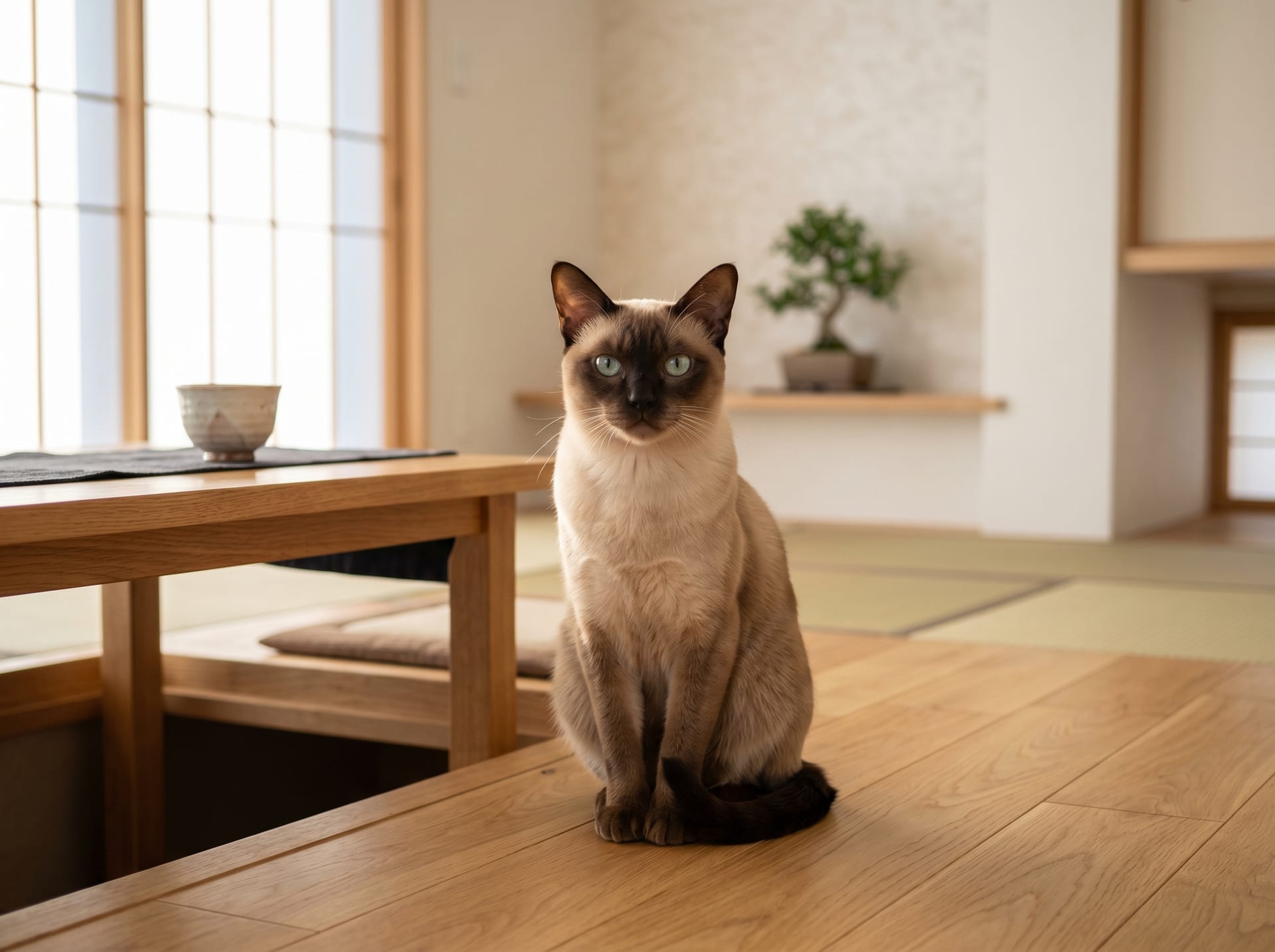
Tonkinese
Cross of Siamese and Burmese inheriting the best of both. Social and affectionate. Some have aqua eyes.
View Tonkinese encyclopedia →- Price Range
- ¥70,000〜¥238,000
0% commission on your first sales!Register by September 30, 2026 and your first 2 sales are commission-free!
Breeder Wanted!
List on BreederDirect and sell directly to customers nationwide!
4 Trust Pillars We Guarantee at Br-Choku
For all kitten listings, Breeder clearly disclose the following information. To ensure safe and transparent direct sales, Br-Choku requires these legally mandated items.
- MicrochipRequired
- Vaccinated
- Health Checked
- Pedigree Certified
* Microchip implants are now legally required for breeding businesses selling dogs and cats under the Animal Protection Law (effective June 2022).
Secure transaction guarantee
Dogs & cats onlyEvery BreederDirect transaction is covered by our transaction guarantee. If you cannot receive your pet, you will be fully refunded. A health guarantee also covers you after handover.
Learn about transaction safety →Browse all 74 breeds
Verified breeders wanted for Cats
Breeders are signing up now ahead of launch. Subscribe to be notified when new listings go live.
Getting alerts is free with a member account. When new listings match your saved search, we'll notify you by email and in-app.
Browse other categories
Verified breeders (preview)
Tonkinese key facts
- Care level
- Beginner-friendly
- Lifespan
- 12-16 years
- Size
- Weight 2.5-5.5kg
- Diet
- Complete nutrition cat food. Two meals per day.
- Temperament
- Social and affectionate. Less vocal than Siamese but loves family interaction.
- Exercise
- Active and playful. Enjoys interactive toys and fetch.
- Coat Care
- Short silky coat; easy care. Weekly brushing sufficient.
- Origin
- Canada / United States
- Notes
- Tendency toward upper respiratory infections. Watch for gingivitis.
About Tonkinese
The Tonkinese is a relatively modern breed developed in the 1960s and 70s, primarily through the work of Canadian breeder Margaret Conroy, who intentionally crossed Siamese and Burmese cats to create a harmonious middle ground between the two. The breed received CFA recognition in 1984. Physically, the Tonkinese has a moderate "foreign" body type — more muscular than the Siamese but less rounded than the Burmese — giving it an athletic yet elegant appearance. Coat colors come in four varieties: natural, champagne, blue, and platinum, each appearing in solid, mink, and pointed patterns depending on genetics. In temperament, the Tonkinese blends Siamese curiosity and talkativeness with Burmese calm and warmth. Intelligent, playful, and deeply affectionate, these cats bond with entire households rather than a single person, making them well suited to families with children or multi-pet homes. Often described as the best of both worlds, the Tonkinese continues to win over cat lovers who want an interactive yet manageable companion.
7 things to know before welcoming a Tonkinese
1People-Oriented to the Core
Tonkinese cats crave human company and want to be involved in everything you do. They can struggle with long hours alone, so households with frequent extended absences may not be the best fit. Expect a warm greeting every time you come home.
2Vocal but Not Overwhelming
While Tonkinese do like to "talk," their voices are softer and less insistent than the Siamese. They vocalize to communicate needs or simply to chat, but generally at a moderate volume suitable for apartment living.
3Active and Playful Daily
Inheriting energy from both parent breeds, Tonkinese need daily interactive play sessions to stay mentally and physically stimulated. Puzzle feeders, wand toys, and cat trees work well. Insufficient play can lead to boredom-related behaviors.
4Thrives in Multi-Pet Homes
Tonkinese generally get along well with other cats and even dogs, thanks to their sociable nature. In single-pet households, extra one-on-one time with owners becomes especially important. A compatible feline companion can help ease loneliness during the day.
5Watch for Inherited Health Issues
Tonkinese can be prone to dental disease and respiratory sensitivities inherited from both parent breeds. Regular tooth brushing and annual or biannual veterinary checkups are strongly recommended. Confirming the health history of parent cats with a reputable breeder is important.
6Low-Maintenance Coat Care
The Tonkinese's short, silky coat sheds minimally and requires only one to two brushes per week to stay in good condition. Professional grooming is rarely needed, keeping coat maintenance simple and affordable. Regular ear cleaning and nail trimming remain important as with any cat.
7Eye Color Develops with Age
Kittens' eye color is often underdeveloped at birth, with the signature aquamarine hue typically stabilizing between six and twelve months of age. Depending on genetics, some individuals have blue or golden eyes instead. Eye color can affect pricing, so confirm expectations with the breeder beforehand.
Frequently asked questions about Tonkinese
- Q.Is the Tonkinese a good choice for first-time cat owners?
- A.Tonkinese cats are generally considered beginner-friendly due to their sociable, adaptable nature. However, they do need regular interactive play and human attention, so owners should be prepared to invest time in daily engagement.
- Q.Can a Tonkinese be kept by someone living alone?
- A.Single-person households can work well if the owner is home often and provides plenty of interaction. For those with long work hours, adopting two cats together is often recommended to prevent loneliness and stress.
- Q.Do Tonkinese cats shed a lot or cause allergies?
- A.Tonkinese cats shed relatively little thanks to their short, dense coat, making daily grooming simple. However, they are not considered hypoallergenic. People with cat allergies should spend time with the breed before committing to confirm their personal reaction.
- Q.Can Tonkinese cats live with children or dogs?
- A.Tonkinese cats typically adapt well to children and dog-friendly households given their sociable temperament. A gradual, carefully managed introduction period is still important to help all animals adjust comfortably to one another.
- Q.What is the typical lifespan and veterinary cost for a Tonkinese?
- A.Tonkinese cats typically live 12 to 16 years, making them a long-lived breed. Annual veterinary costs including checkups, vaccinations, and dental care generally range from moderate to moderate-high depending on the individual's health. Pet insurance is worth considering to manage unexpected expenses.
Useful tools for Tonkinese care
Learn more about Tonkinese in the encyclopedia
View Tonkinese encyclopedia entry →
Care difficulty, lifespan, size and diet — all basics covered.
Tonkinese related articles
See more Tonkinese articles →More in this category
Can't find the one you're looking for?
Post your wishes for free and breeders with matching animals will contact you with introductions.