Complete Guide to Tonkinese Cat Care | A Sociable Cat Breed Inheriting the Charms of Siamese and Burmese
Detailed explanation of Tonkinese personality, characteristics, and care methods. Complete coverage of coat care, socialization, health management, playtime, and diet for this cat breed descended from Siamese and Burmese parents.

Key Takeaways
Detailed explanation of Tonkinese personality, characteristics, and care methods. Complete coverage of coat care, socialization, health management, playtime, and diet for this cat breed descended from Siamese and Burmese parents.
Related Species
What is a Tonkinese Cat?
The Tonkinese is a medium-sized cat breed created by crossing Siamese and Burmese cats. The breed was established in Canada in the 1960s and subsequently spread primarily throughout North America. The name is said to derive from the "Tonkin Bay" in Southeast Asia, though it is not a breed specific to any particular region.
Through traits inherited from both parents, Tonkinese cats combine the intelligence and chattiness of Siamese with the affectionate and calm nature of Burmese in a balanced way. They are less likely to develop extreme personalities than either parent breed, making them especially recommended for those who think "Siamese seems a bit aloof" or "I'd like a cat that's not quite as vocal as a Burmese."
Appearance and Body Type Characteristics
The Tonkinese is characterized by a medium-sized, muscular, and well-proportioned body type.
- Weight: Males 4–5 kg, females 3–4 kg
- Head: Moderately wedge-shaped, but less extreme than Siamese
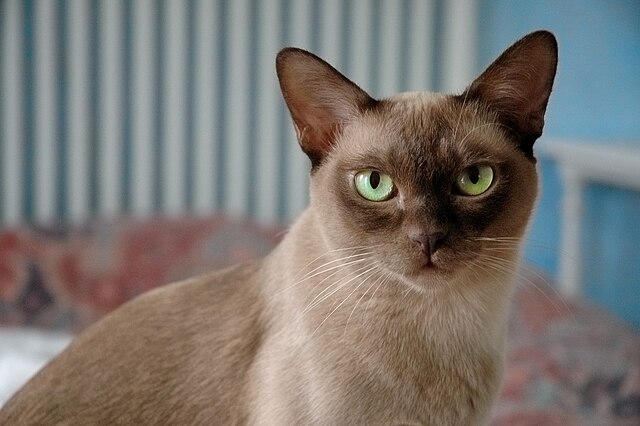
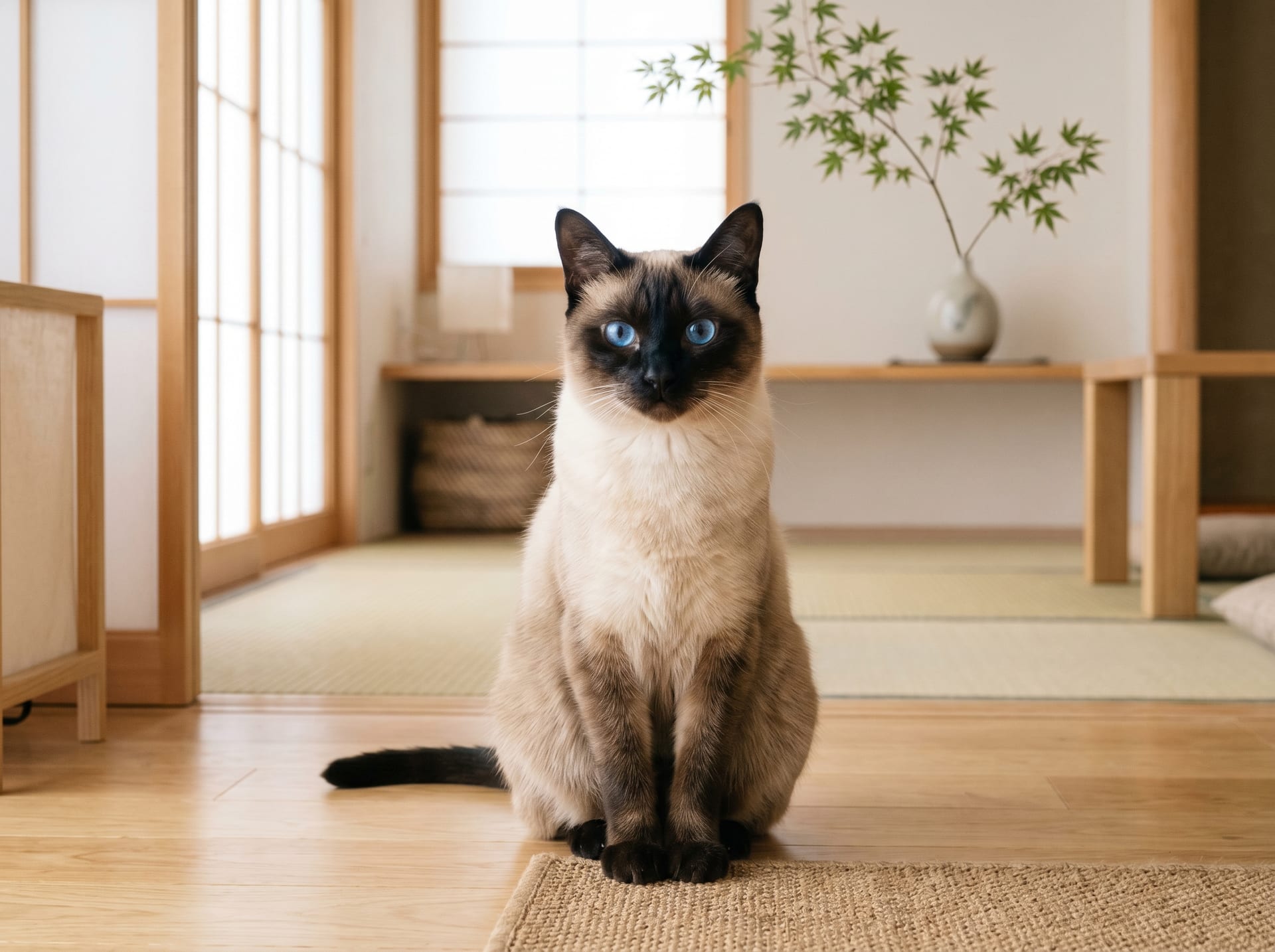
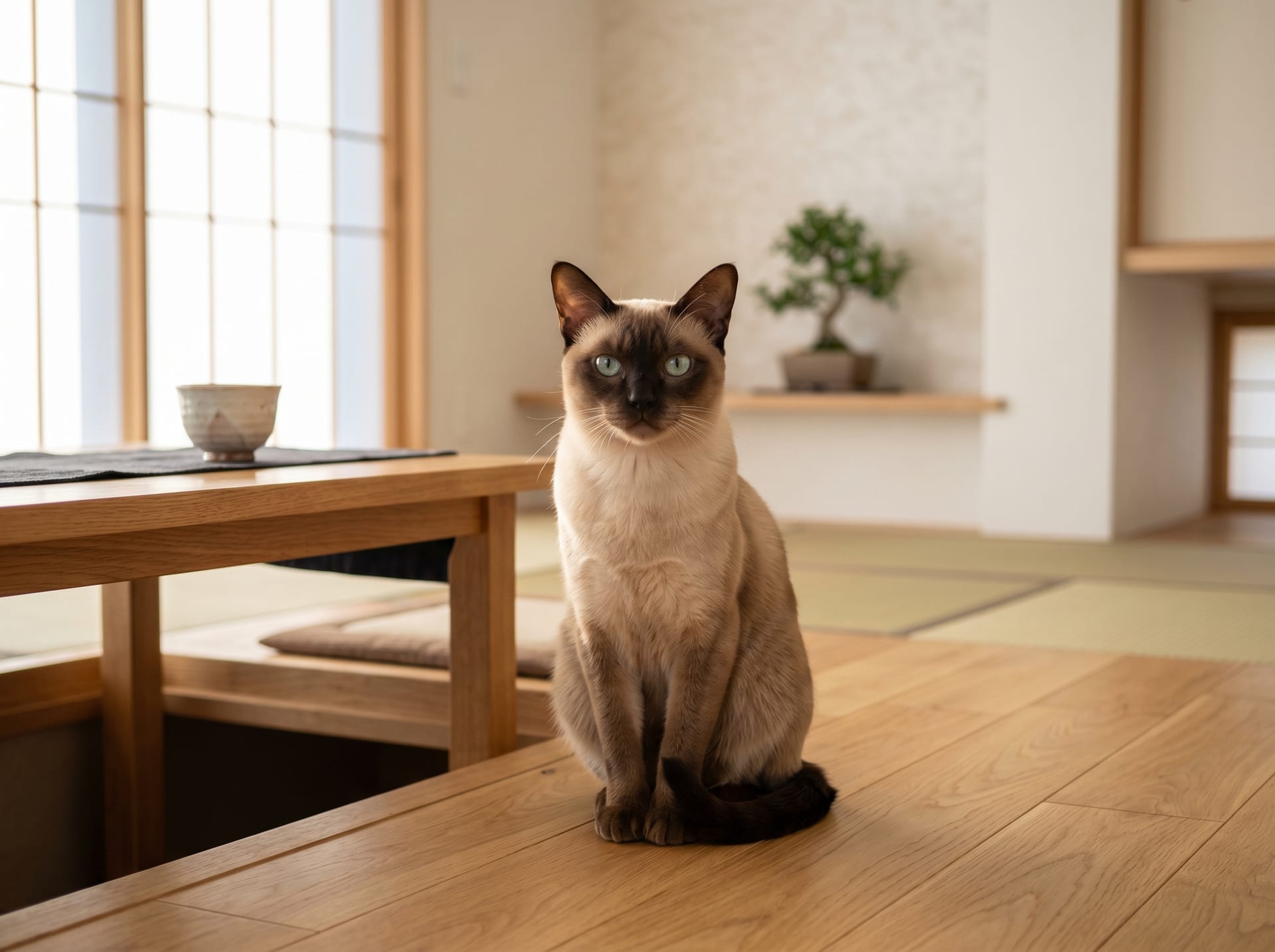
- Eyes: Distinctive aquamarine color (the standard for mink coloring), though blue and yellow-green individuals also exist
- Coat: Short-haired, soft, with a silky sheen
- Tail: Medium length, tapering slightly toward the tip
Color Variations:
- Natural (seal) mink
- Platinum (silver) mink
- Champagne (chocolate) mink
- Blue mink
- Solid color (more Burmese-like)
- Pointed color (more Siamese-like)
"Mink" coloring is the most typical appearance for a Tonkinese, with the face, ears, limbs, and tail appearing darker than the body—a "color point" pattern—while solid-colored individuals have more uniform coloring throughout. Tonkinese fall somewhere in between these patterns.
Personality and Behavioral Characteristics
Tonkinese cats are extremely social and seek deep bonds with humans.
Key Personality Traits:
- Super Friendly: Relatively affectionate even with strangers, often actively greet visitors
- Vocalizations: They don't meow as loudly as Siamese, but they do talk a lot. They enjoy "conversations" with their owners
- Active and Curious: They enjoy exploring rooms and climbing to high shelves
- Dog-like Behavior: They come when called, fetch toys, sit on shoulders—showing many dog-like behaviors
- Suited to Multi-Cat Households and Living with Dogs: With proper introduction procedures, they tend to get along well with other pets
Important Considerations:
- In single-person households where the owner is away for long periods, they may become bored or develop separation anxiety
- Due to their active nature, interactive play and environmental enrichment are essential
Setting Up the Living Environment
Play Areas and Exercise
Tonkinese have high exercise requirements. Aim to provide at least 30 minutes per day of interactive play (fishing rod toys, feather wands, etc.).
Recommended Environmental Setup:
- Cat tree (satisfies climbing instincts for high places)
- Wall-mounted shelves (increases vertical movement routes)
- Puzzle feeders (combines mental stimulation with feeding)
- Sunny spots by windows
Indoor-only housing is recommended, but you can also safely introduce outdoor stimulation by leash training and walking in a harness.
Diet Management
Tonkinese tend to have hearty appetites.
Basic Diet Principles:
- Select high-protein, low-carbohydrate cat food (wet or high-quality dry)
- Follow appropriate portion sizes for adult cats and work to prevent obesity
- It's ideal to include wet food to ensure adequate water intake
- Use a water fountain to encourage drinking
Age-appropriate feeding:
- Kitten Stage (up to 1 year): High-calorie, high-protein kitten food, 3–4 meals per day
- Adult Stage (1–7 years): 2 meals per day with appropriate calorie management
- Senior Stage (7 years and older): Consider low-phosphorus, low-protein food that's kidney-friendly; increase health check-ups to twice yearly
Health Management and Genetic Conditions
Tonkinese inherit some genetic health risks seen in Siamese and Burmese cats.
Health Issues to Monitor:
- Dental Disease: Tooth brushing (2–3 times weekly) is especially important
- Lymphoma: A condition with relatively high incidence in Burmese-type cats. Regular palpation and blood tests help with early detection
- Obesity: Be cautious of overeating due to their hearty appetite
- Heart Disease (HCM): Rare, but cases occur; consider annual echocardiograms
Vaccinations and Preventive Care:
- Combination vaccines (3-in-1 or higher): 2 doses during kitten stage, then annual boosters
- Rabies vaccine (optional in Japan)
- Flea and tick prevention: Monthly treatment
- Spaying/neutering: Recommended around 6 months of age (if not planning to breed)
Regular Health Check-up Schedule:
- Up to 1 year: Concurrent with vaccination appointments
- 1–7 years: Annual check-up
- 7 years and older: Twice yearly (senior comprehensive exam)
Socialization and Kitten Care
Importance of Socialization: During the socialization period (2–9 weeks of age), exposing Tonkinese kittens to various people, sounds, and environments enriches their naturally sociable personality. When obtained from a breeder, kittens who have had contact with multiple people and been handled and exposed to sound stimuli during this period tend to remain stable as adults.
Multi-Cat Households and Living with Dogs: Tonkinese adapt relatively easily to new pets. However, always follow gradual introduction steps (separate rooms → scent swapping → meeting through glass → direct contact).
Important Confirmations When Getting a Kitten from a Breeder
- Health Status of Parents and Genetic Testing: Confirm negative results for FIV and FeLV, HCM ultrasound results
- Pedigree Certificate: Check for registration with TICA, CFA, JCF, or other international/domestic organizations
- Vaccination Records: Confirm at least one initial vaccination has been completed
- Socialization Progress: Is the kitten accustomed to people? Does it have experience with other pets?
- Contract Terms: Confirm the health guarantee period, return policy, and any breeding restrictions
Summary
The Tonkinese is a cat breed with "just the right balance—not as strong-willed as a Siamese, yet not as quiet as a Burmese." Their sociable and intelligent personality that gets along with everyone in the family makes them suited to diverse household environments. However, due to their active nature and high social needs, sufficient playtime and mental stimulation are essential. With proper diet management, regular health check-ups, and adequate environmental enrichment, you can share a long and healthy life of 15–17 years with this truly charming cat breed.