Complete Guide to Raising Singapura Cats | Delicate Temperament of the World's Smallest Cat Breed, Essential Care & Health Management
Comprehensive guide to the characteristics, temperament, breeding environment, dietary management, and genetic diseases (PK deficiency and uterine inertia) of Singapura cats, the world's smallest cat breed. A practical guide for both breeders and pet owners.
Key Takeaways
Comprehensive guide to the characteristics, temperament, breeding environment, dietary management, and genetic diseases (PK deficiency and uterine inertia) of Singapura cats, the world's smallest cat breed. A practical guide for both breeders and pet owners.
Singapura: The World's Smallest Cat Breed
✍️
BreederDirect Editorial
The BreederDirect editorial team specializes in care information for animals, covering veterinary care and breeding to deliver beginner-friendly guides.
Find Cats on BreederDirect
Buy directly from verified breeders
Browse Related Listings
Find Cats listings related to this article on BreederDirect. Buy directly from verified breeders.
Singapura is a cat breed said to originate from Singapore, with adult females weighing 1.8–2.7 kg and males 2.7–3.6 kg, making them among the smallest existing cat breeds. The name derives from Singapore's Malay name "Singapura" (City of Lions).
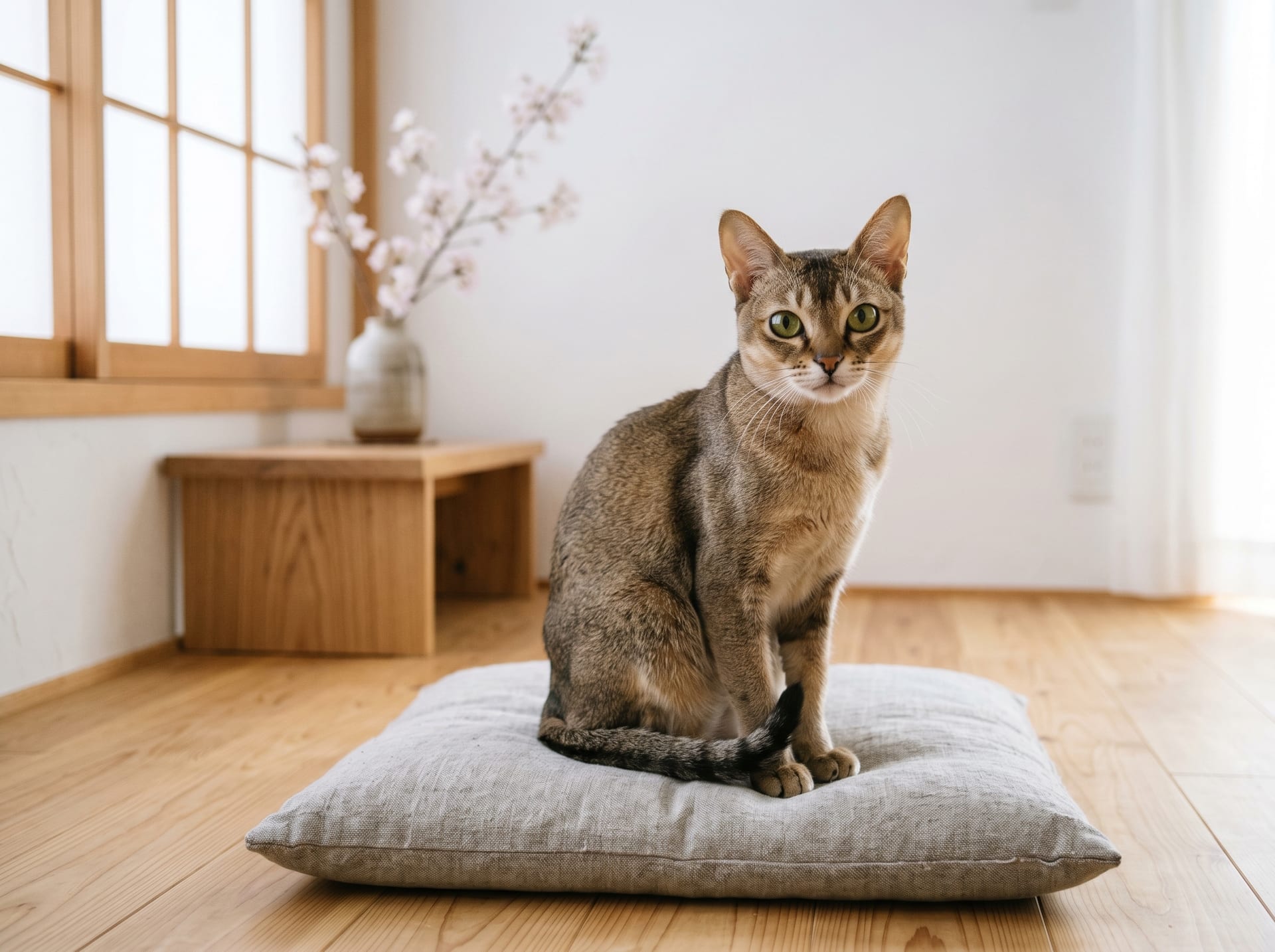
Their coat is short with a characteristic agouti pattern (ticking), featuring a three-tone gradient from the hair tips through the body to the underside. Only sepia brown and ivory are recognized colors. Their distinctive face, combining large almond-shaped eyes with bat-like ears, is also called "Fairy Cat."
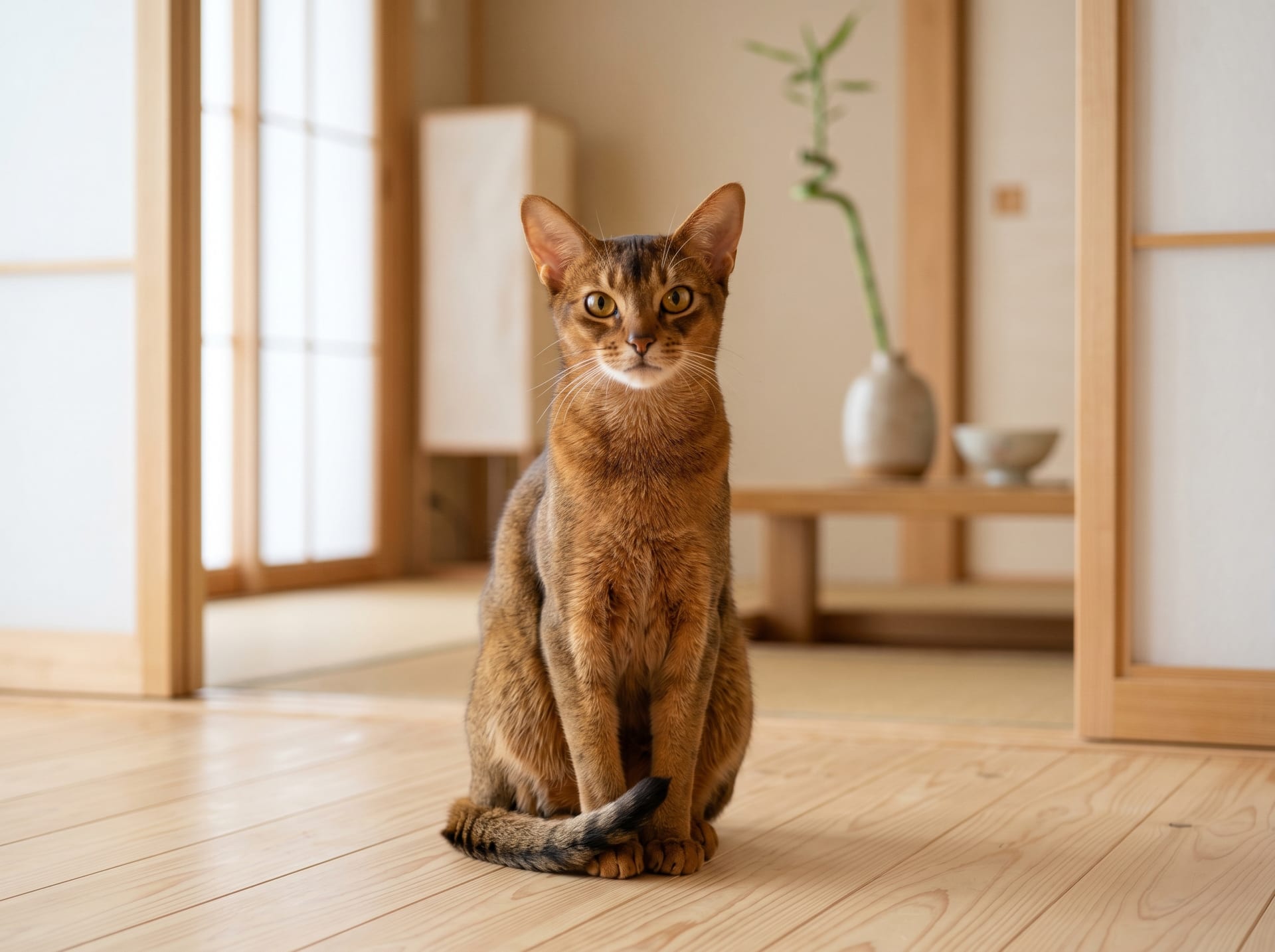
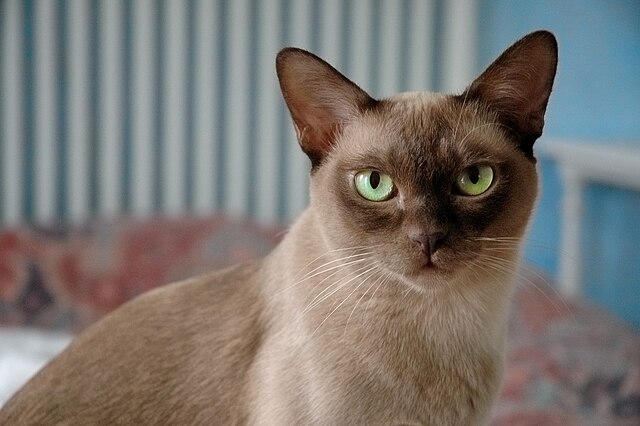
There are various theories about their origin; the most widely accepted is that American breeders brought feral cats from Singapore's sewers and refined the breed, though some suggest crossbreeding with Abyssinians and Burmese cats. They are now recognized by both CFA and TICA.
Temperament and Behavioral Characteristics
Singapuras are extremely curious, constantly observing and wanting to participate in human activities. However, they are also timid and sensitive to loud noises, unfamiliar people, and environmental changes. In new environments, they may hide for extended periods, so provide ample space and hiding places until they adjust.
They can coexist with other cats and dogs, but easily become stressed when intimidated by larger, more active animals. They are most stable when paired with cats of the same species or size, with gentle temperaments.
They are intelligent and exhibit dog-like behaviors, such as claiming specific cat tower shelves as their "territory" and waiting at the door for their owner's return. They rarely demand attention vocally, but their voice is quiet and delicate, showing their presence quietly.
Setting Up a Proper Living Environment
Cages and Space
Despite their small size, they have moderate activity levels and need space to run throughout the day. Providing cat towers or wall shelves for vertical movement increases their satisfaction. Two-cat households are recommended for owners who are frequently away, but consider environmental changes and infection risks.
Temperature and Humidity
Being from Singapore, they are relatively tolerant of hot, humid environments but struggle with extreme summer heat (above 35°C). In Japan's summer, maintain air conditioning at 25–28°C and ensure access to shade. In winter, they are cold-sensitive and should be kept at a minimum of 18°C or higher.
Coat Care
As a short-haired breed, they require minimal daily grooming. Weekly combing or massage brushing with a rubber glove is sufficient. Shedding is moderate, increasing slightly during seasonal coat changes (spring and autumn).
Dietary Management
Caloric Requirements and Weight Management
Due to their small size, caloric intake is minimal—approximately 150–200 kcal per day for adults. However, many are food-motivated, and free-feeding can lead to obesity. Feed them 2–3 defined meals daily and record their weight every 2–4 weeks for monitoring.
Recommended Food Types
High-quality food based on animal protein is most appropriate. Avoid grain-based foods; choose those with meat (chicken, salmon, turkey) listed as the first ingredient. Wet food is beneficial for hydration, so combining it with dry food is recommended.
Health Management and Genetic Diseases
PK Deficiency (Pyruvate Kinase Deficiency)
PK deficiency (Pyruvate Kinase Deficiency) is the most common genetic disease in Singapuras. Insufficient PK enzyme (pyruvate kinase) within red blood cells causes premature red blood cell destruction, leading to hemolytic anemia.
Main symptoms include lethargy, loss of appetite, pale gums, and abdominal distension. As an autosomal recessive trait, there is a 25% chance of occurrence when both parents are carriers. Genetic testing can distinguish between carriers (N/PK) and normal (N/N) individuals, so testing before breeding is essential. Affected individuals may receive blood transfusions or splenectomy, but a cure is difficult.
Uterine Inertia
Female Singapuras have a high incidence of difficult births, particularly "uterine inertia," where uterine contractions are weak. Labor pains may occur without uterine contractions, potentially requiring cesarean section. If breeding, coordination with a veterinarian and emergency preparedness are essential.
Regular Health Checkups
Small breeds show weight changes that easily reflect health changes; monthly weight checks and biannual health checkups are recommended. After age 10, switching to senior checkups that include kidney function, thyroid, and periodontal disease evaluations is advisable.
Breeding Considerations for Breeders
Singapuras are relatively rare worldwide, with limited breeders in Japan. To maintain genetic diversity, avoid breeding closely related individuals and maintain networks with domestic and international breeders.
At minimum, conduct genetic testing for PK deficiency before breeding and avoid mating two carriers. Since litter size is typically small (1–3 kittens), preparation for uterine contraction support (oxytocin) and pre-arranged veterinary cesarean section capabilities are necessary.
Conclusion
While Singapuras are the world's smallest cat breed, they are exceptionally charming due to their curiosity and affectionate nature. Although PK deficiency and uterine inertia are genetic concerns, healthy individuals can be produced through pre-breeding genetic testing and proper breeding management. With careful attention to their delicate nature through appropriate living environments and dietary management, they can enjoy a long lifespan (12–15 years).