Complete Guide to Raising Japanese Bobtails | Personality and Health Management of Short-tailed Cats with Japanese Cat Origins
A detailed guide to raising Japanese Bobtails. This traditional Japanese cat breed, famous for its calico coloring and known as the model for the "lucky cat" figurine, is introduced with coverage of its active personality, coat care, genetic background of the short tail, health risks, and tips for a long life.
Key Takeaways
A detailed guide to raising Japanese Bobtails. This traditional Japanese cat breed, famous for its calico coloring and known as the model for the "lucky cat" figurine, is introduced with coverage of its active personality, coat care, genetic background of the short tail, health risks, and tips for a long life.
Related Species
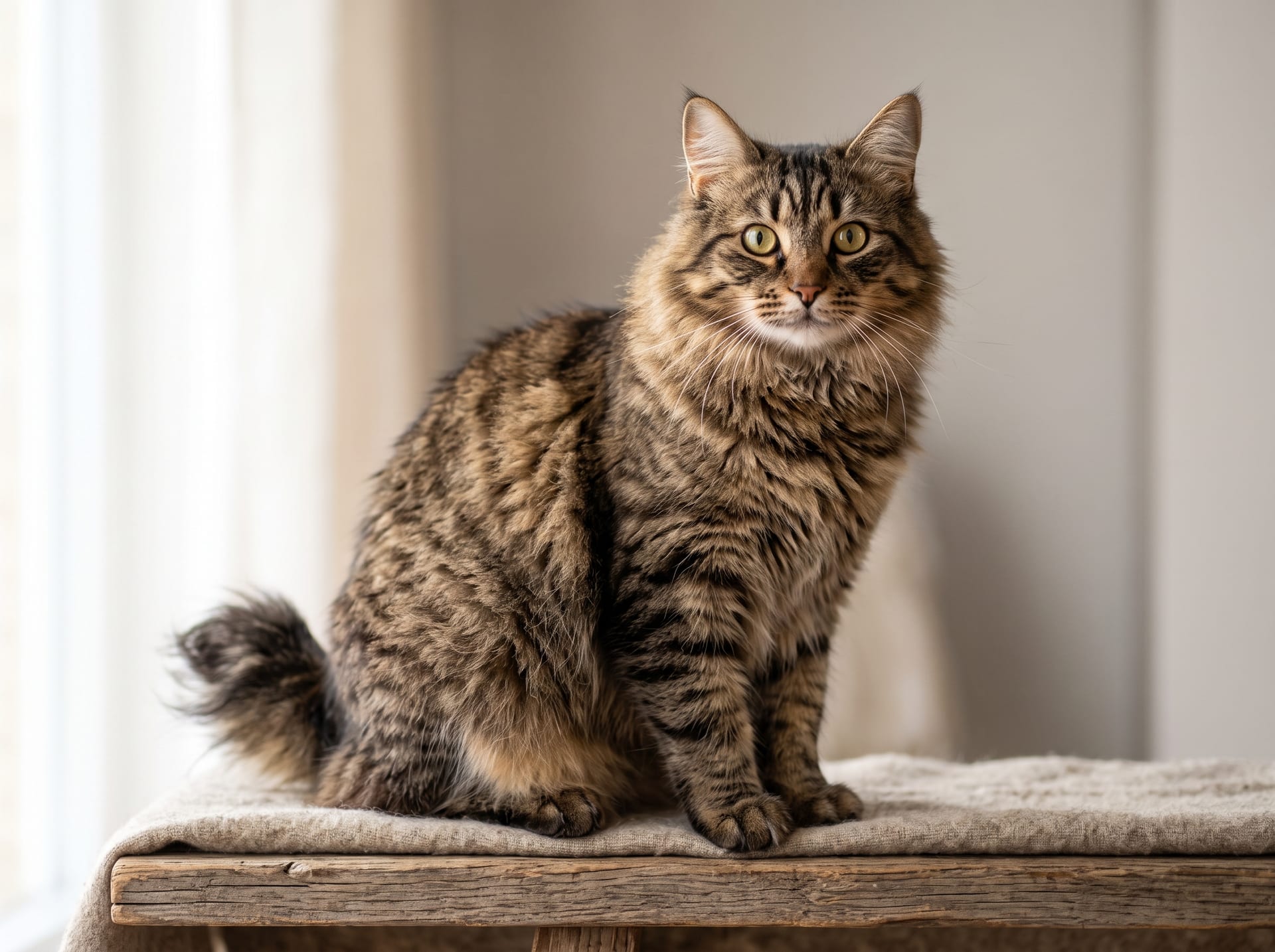
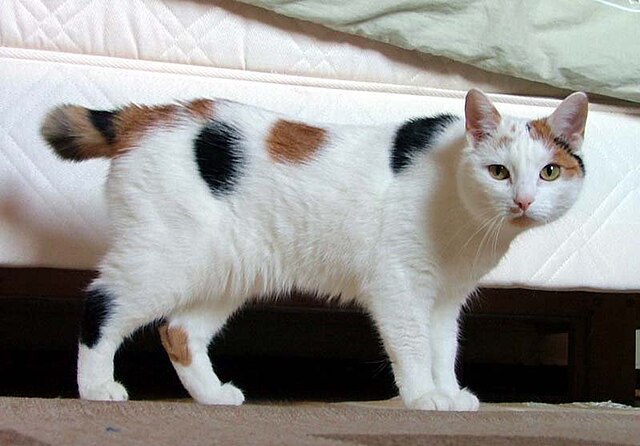
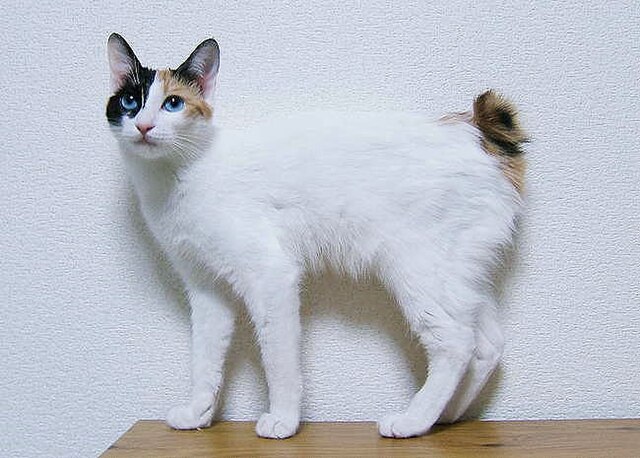
The Japanese Bobtail (Japanese Bobtail) is a unique cat breed characterized by a distinctive short tail inherited from ancient Japanese cat traits. Known as the model for the "lucky cat" figurine, the tricolor (calico) variety featuring white, black, and red is especially famous, though the breed comes in various color variations including solid colors and striped patterns. This article provides detailed information on the characteristics, care environment, and health management of Japanese Bobtails.
What Kind of Cat is the Japanese Bobtail?
Origin and History
The Japanese Bobtail is a naturally occurring cat breed with hundreds of years of history in Japan. Records indicate the breed existed during the Heian period, and short-tailed cats are also depicted in ukiyo-e woodblock prints from the Edo period. After the Meiji period, crossbreeding with foreign cats became common, but the breed was later established as a formal breed by American cat enthusiasts, and was exported to and standardized in America in 1968. Today, it is recognized by major international cat registries (TICA and CFA).
Physical Characteristics
- Tail: The most distinctive feature is its unique short "pom-pom" shaped tail. Unlike other short-tailed breeds (such as the Manx), it results from natural variation caused by an autosomal recessive gene, and even homozygous individuals are said to have minimal serious effects on the spine or nervous system
- Body Type: Medium-sized, slender, muscular frame. Hind legs are slightly longer than front legs, providing excellent jumping ability
- Facial Features: Egg-shaped head, high cheekbones, and large, round eyes are characteristic
- Coat: Two types—semi-long (longhair) and short (shorthair). The coat has a silky, soft texture
Physical Specifications
| Item | Details |
|---|---|
| Weight (Males) | 4–6 kg |
| Weight (Females) | 3–4 kg |
| Lifespan | 12–18 years (healthy individuals often live longer) |
Personality and Behavioral Traits
The Japanese Bobtail, having thrived in Japanese homes for centuries, possesses high adaptability and an active personality typical of cats.
Main Personality Traits
- Active and Playful: High energy levels; many enjoy chase games and fetch-like play
- Vocal and Communicative: Known for a diverse and beautiful variety of vocalizations, they actively communicate with their owners
- Highly Curious: Relatively flexible in adapting to environmental changes and tend to enjoy new stimulation
- Affectionate: Form strong bonds with specific people and may become "shadow cats," following their owners around
- Intelligent: Learn their names easily and take relatively well to learning rules
Compatibility with Other Pets and Children
With proper socialization, they can get along well with other cats, calm dogs, and children. When introducing a Japanese Bobtail to existing cats, we recommend a gradual acclimation period (separation → viewing through glass → direct contact).
Setting Up the Living Environment
Indoor Environment
Because Japanese Bobtails are active, vertical space for movement is important.
- Cat Trees: Tall trees reaching toward the ceiling are ideal. They prefer high places
- Window Perches: Provide a space to look outside. Window-mounted hammocks or shelves are appreciated
- Toys: Cat wands, feather toys, balls, etc. Engage in active play sessions 2–3 times daily
- Scratching Posts: Install both vertical and horizontal types. Scratching is a natural behavior, so always provide appropriate posts
Diet Management
Basic feeding management is similar to other cats and generally poses no issues.
- Primary Diet: Complete and balanced commercial dry or wet food. Choose according to life stage (kitten, adult, senior)
- Water: Always provide fresh water in multiple locations. For cats that drink more, a water fountain (circulating water dispenser) can be beneficial
- Treats: Keep to within 10% of total daily calories
- Foods to Avoid: Never give onions, garlic, grapes, or chocolate
To prevent obesity, time-restricted feeding—giving a fixed amount at set times 2–3 times daily—is recommended rather than free-feeding (leaving food available continuously).
Coat Care and Grooming
Japanese Bobtails, whether long or short-haired, have moderate coat density and are characterized by a silky texture that resists matting.
- Short-haired Type: Weekly brushing 1–2 times is sufficient. Removes loose fur and provides skin stimulation
- Long-haired Type (Semi-long): Brushing 2–3 times weekly is ideal. During shedding seasons (spring and fall), daily brushing prevents mats
- Bathing: As needed (cats typically self-groom, so frequent bathing is not necessary). Consult a veterinarian if skin conditions are present
Health Management and Common Conditions
Japanese Bobtails are considered a healthy breed compared to other selectively bred cats. The low incidence of serious genetic diseases is a particular advantage, though general feline health management is still necessary.
Tail Genetics
The short tails of Manx and American Bobtail cats result from a gene that can cause stillbirth or spinal abnormalities in homozygous individuals. In contrast, the Japanese Bobtail short-tail gene (a mutation in the HES7 gene) is autosomal recessive and works differently—even homozygous individuals are said to experience minimal serious effects on the spine or nervous system. This is one health advantage compared to other short-tailed cat breeds.
Health Conditions Requiring Attention
- Urinary Tract Disease (FIC/FLUTD): Common in all cats. Adequate water intake and stress reduction are key to prevention
- Dental Disease: Prevent through daily tooth brushing (or plaque-removing toys)
- HCM (Hypertrophic Cardiomyopathy): While present in cats generally, the incidence in Japanese Bobtails tends to be lower than in other selectively bred breeds
- Parasite Prevention: Regular use of medications to prevent fleas, ticks, and heartworm
Vaccination and Health Screening Schedule
- Kitten period (8 weeks, 12 weeks, 16 weeks): Feline Distemper vaccine (3-in-1)
- Adult cats and beyond: Annual Feline Distemper vaccine and health checkups 1–2 times yearly
- Senior cats (age 10+): Health checkups twice yearly with blood and urine testing
Points to Consider When Getting a Japanese Bobtail from a Breeder
When welcoming a Japanese Bobtail in Japan, we recommend obtaining one from a reputable specialist breeder.
Selection Criteria
- Verify the health status and vaccination history of parent cats
- Choose a breeder that follows the practice of transferring kittens only after 10–12 weeks of age (early weaning can cause socialization issues)
- Confirm that kittens are raised in a clean environment
- Verify that the breeder offers good post-adoption support
BreederDirect (br-choku.com) has registered breeders who specialize in Japanese Bobtails. Spend a long and enriching time with a Japanese Bobtail, carrying forward the charm of this traditional breed.