Reptile & Amphibian Encyclopedia — 80 Species Directory
Encyclopedia of popular reptile and amphibian species with care guides, traits, and pricing.
Featured Reptile & Amphibian
Showing 80 of 80 species(1–24)
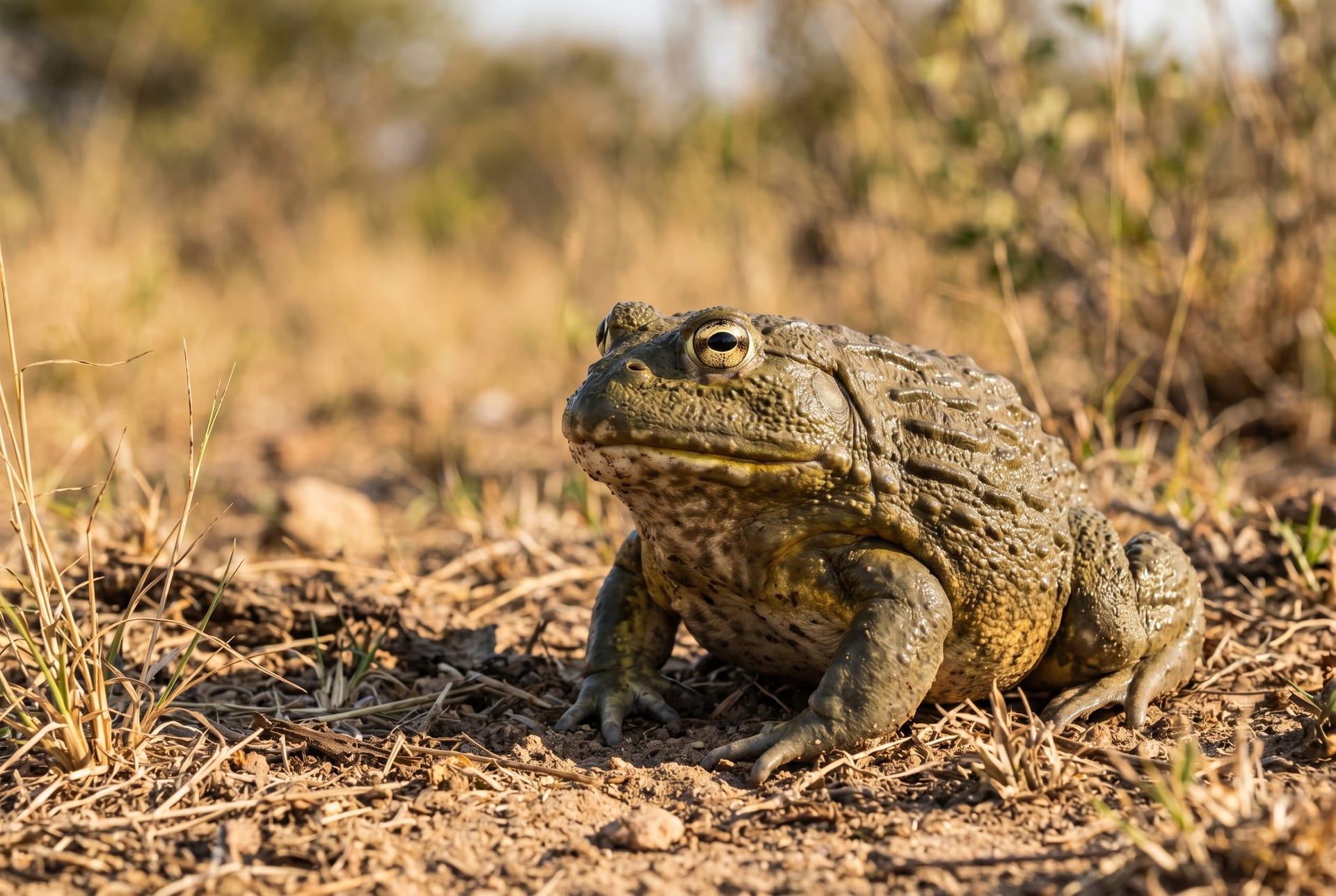
African Bullfrog
Pyxicephalus adspersus
A massive, heavyset frog nicknamed the sumo of frogs. With a robust olive-green body and a very wide mouth, it is hardy and long-lived. It is a different species from the regulated American bullfrog and is legal to keep.
 © Kupos / CC BY-SA 3.0
African Fat-Tailed Gecko
Hemitheconyx caudicinctus
Popular ground-dwelling gecko alongside leopard geckos. Prefers higher humidity and slightly shy but calms with handling.
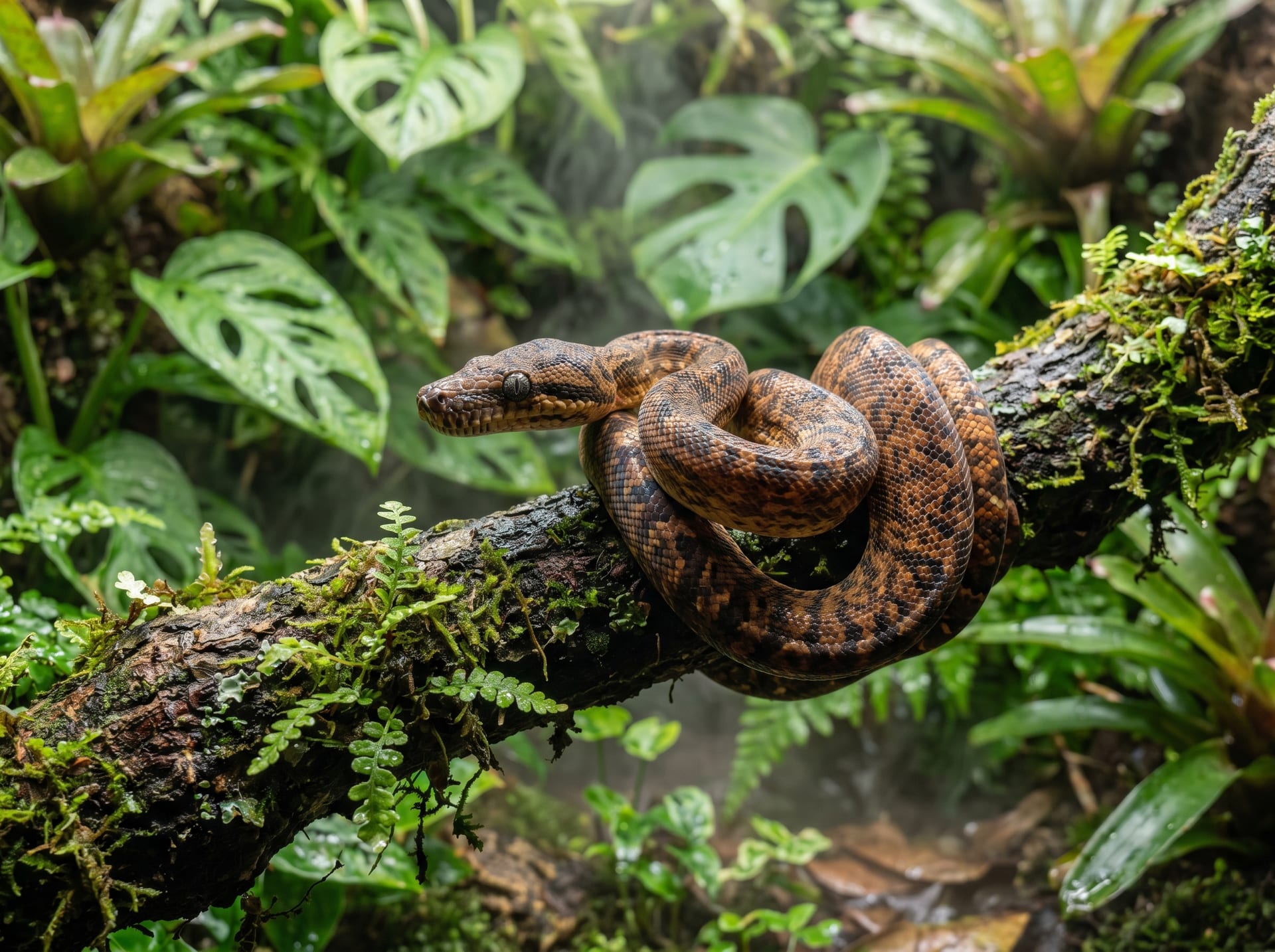
Amazon Tree Boa
Corallus hortulanus
An arboreal boa from South America. Rich color variation including garden phase and colored phases.
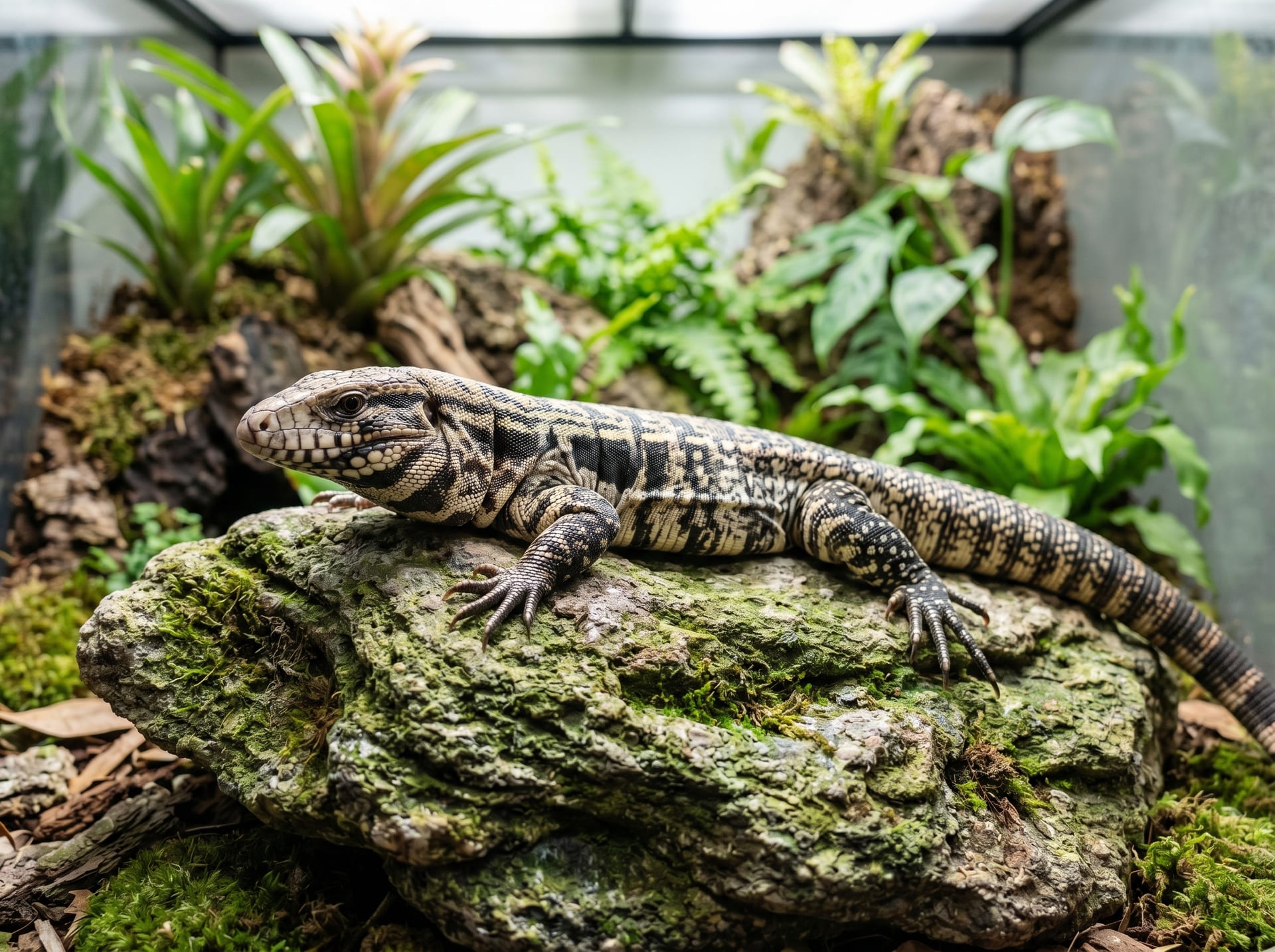
Argentine Tegu
Salvator merianae
Large lizard from South America. Highly intelligent and can bond like dogs. Omnivorous and adaptable but grows large.
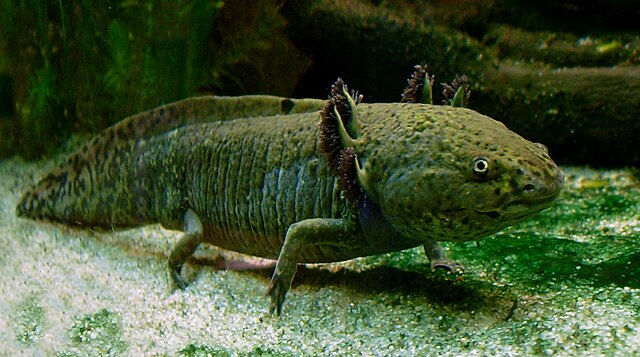 © Gerard Chartier / CC BY 4.0
Axolotl
Ambystoma mexicanum
Fascinating amphibian that reaches maturity in larval form. Charming face and external gills are popular. Amazing regeneration ability.
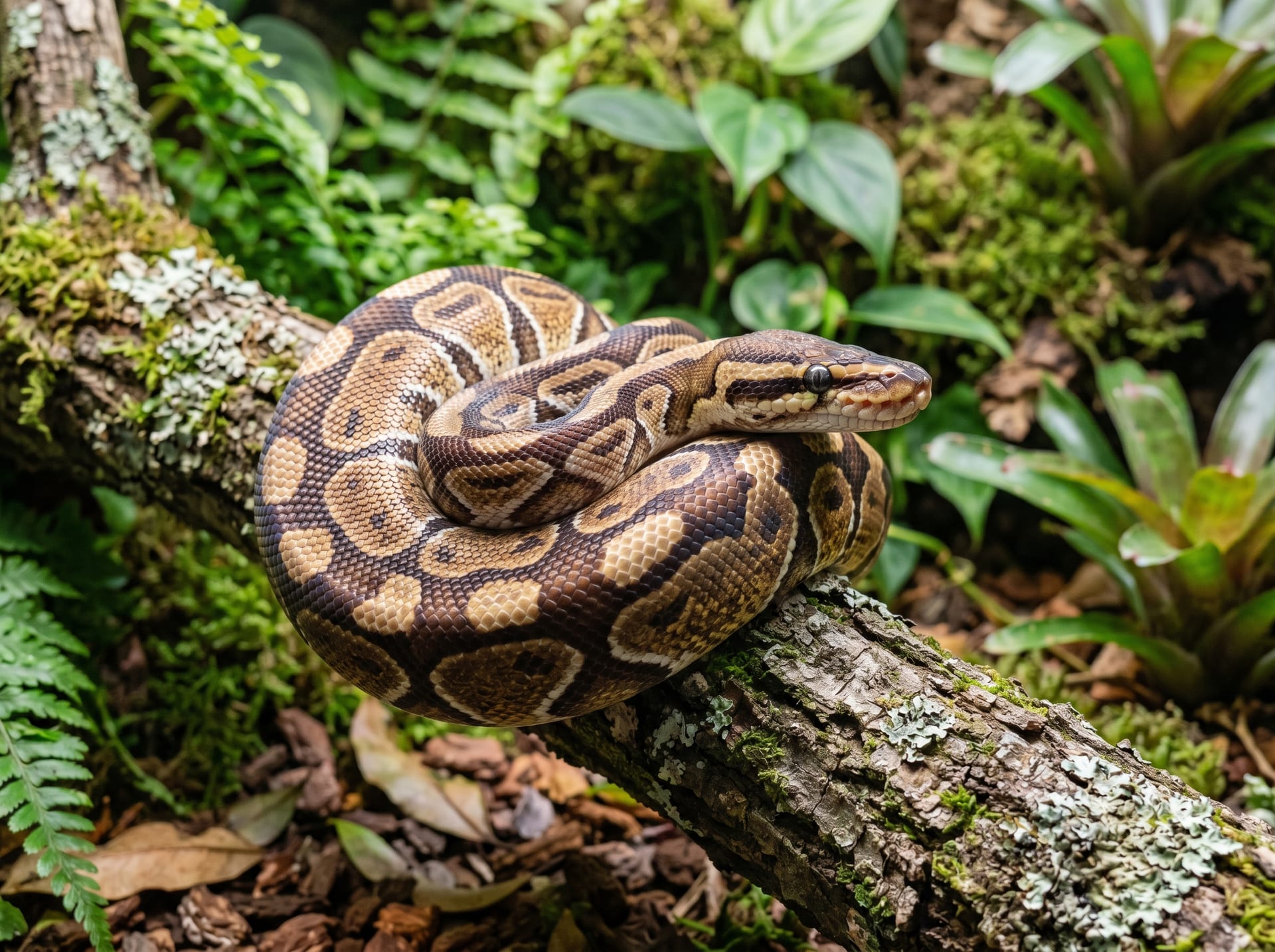
Ball Python
Python regius
The world's most popular pet snake. Docile, balls up when stressed, and available in 7000+ morphs.
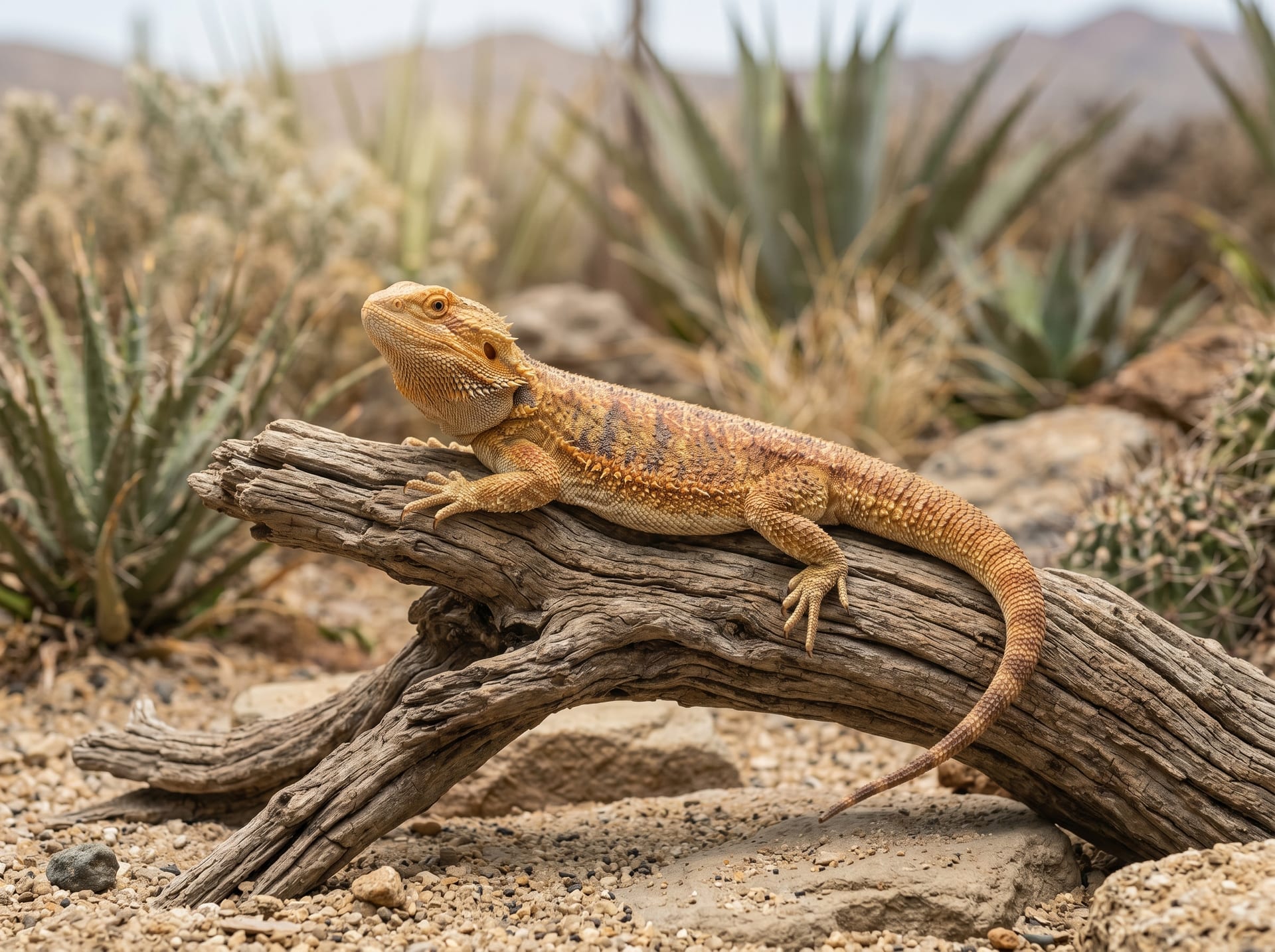
Bearded Dragon
Pogona vitticeps
Friendly, expressive lizard. Requires UVB lighting but well-established husbandry makes them beginner-friendly. Omnivorous diet.
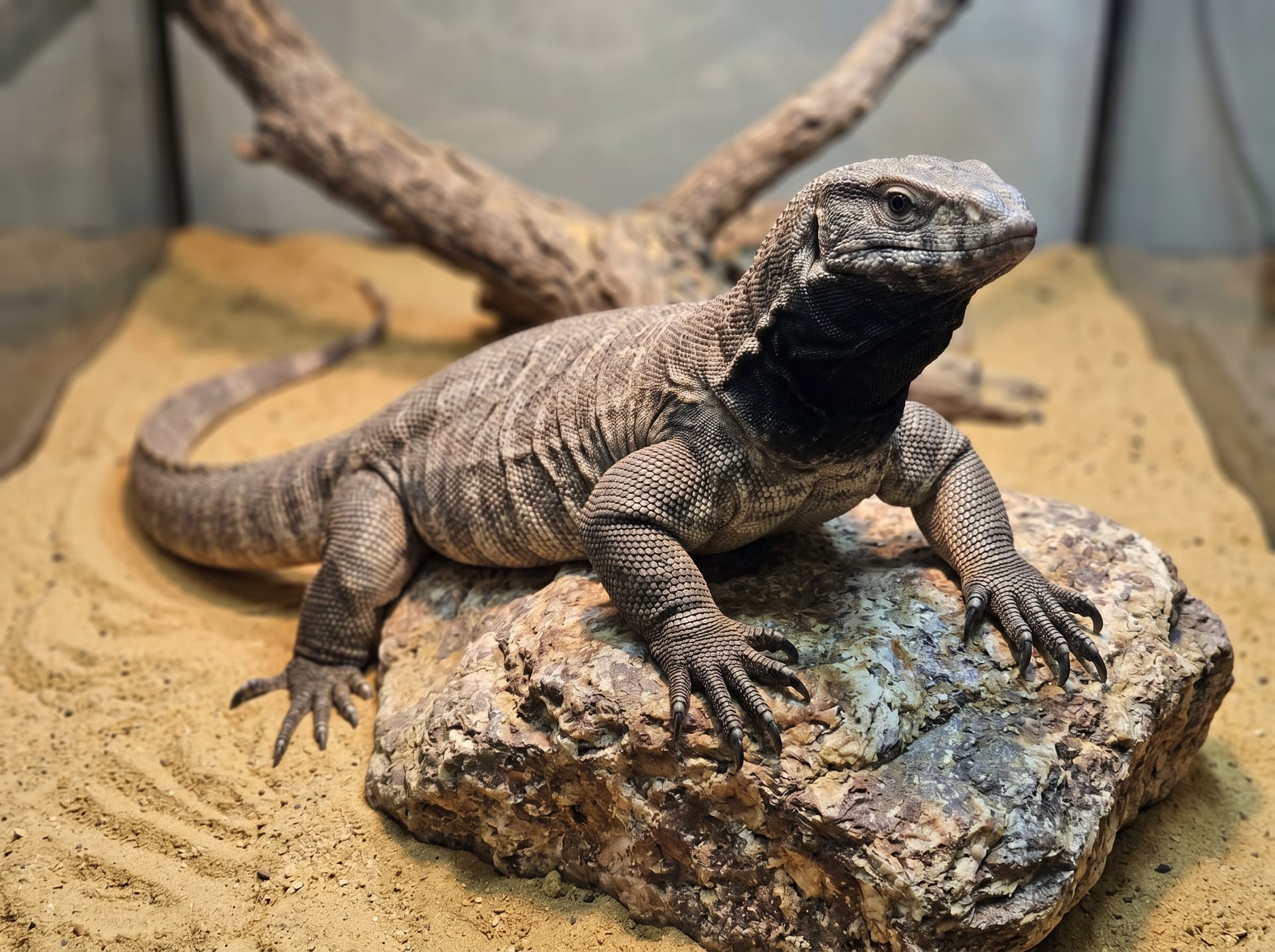
Black Throat Monitor
Varanus albigularis
One of Africa's largest monitors. Many individuals are gentle, relatively manageable among large monitors.
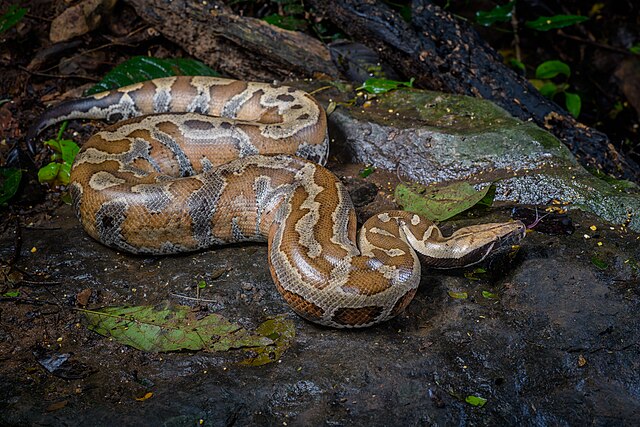 © Thierry Caro / CC BY-SA 3.0
Blood Python
Python brongersmai
Large python with distinctively thick short body. Reddish coloring gives it its name. Imposing appearance with devoted fans.
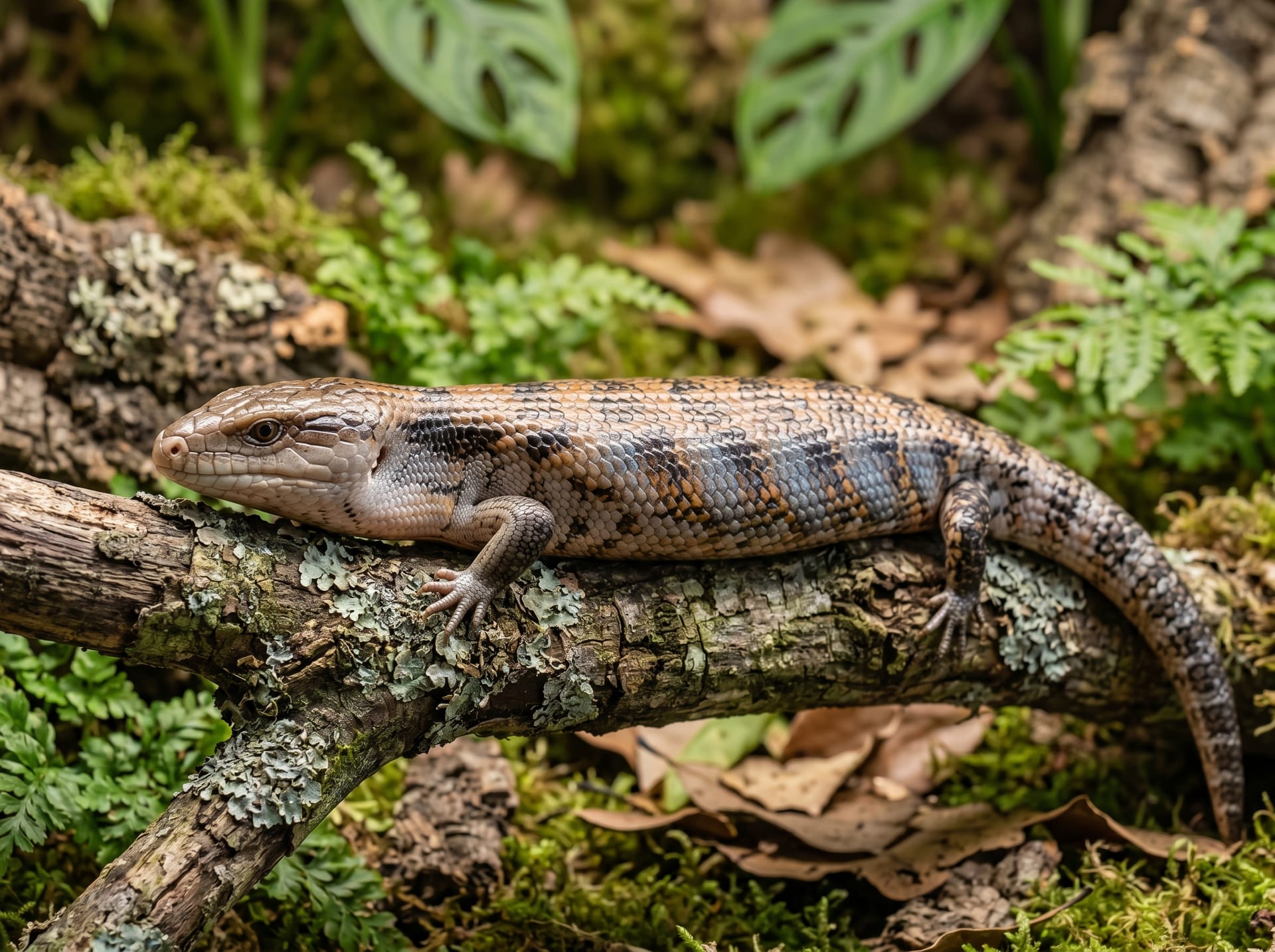
Blue-Tongued Skink
Large skink named for its distinctive blue tongue. Docile, easy to handle, and omnivorous with varied diet. Hardy and long-lived.
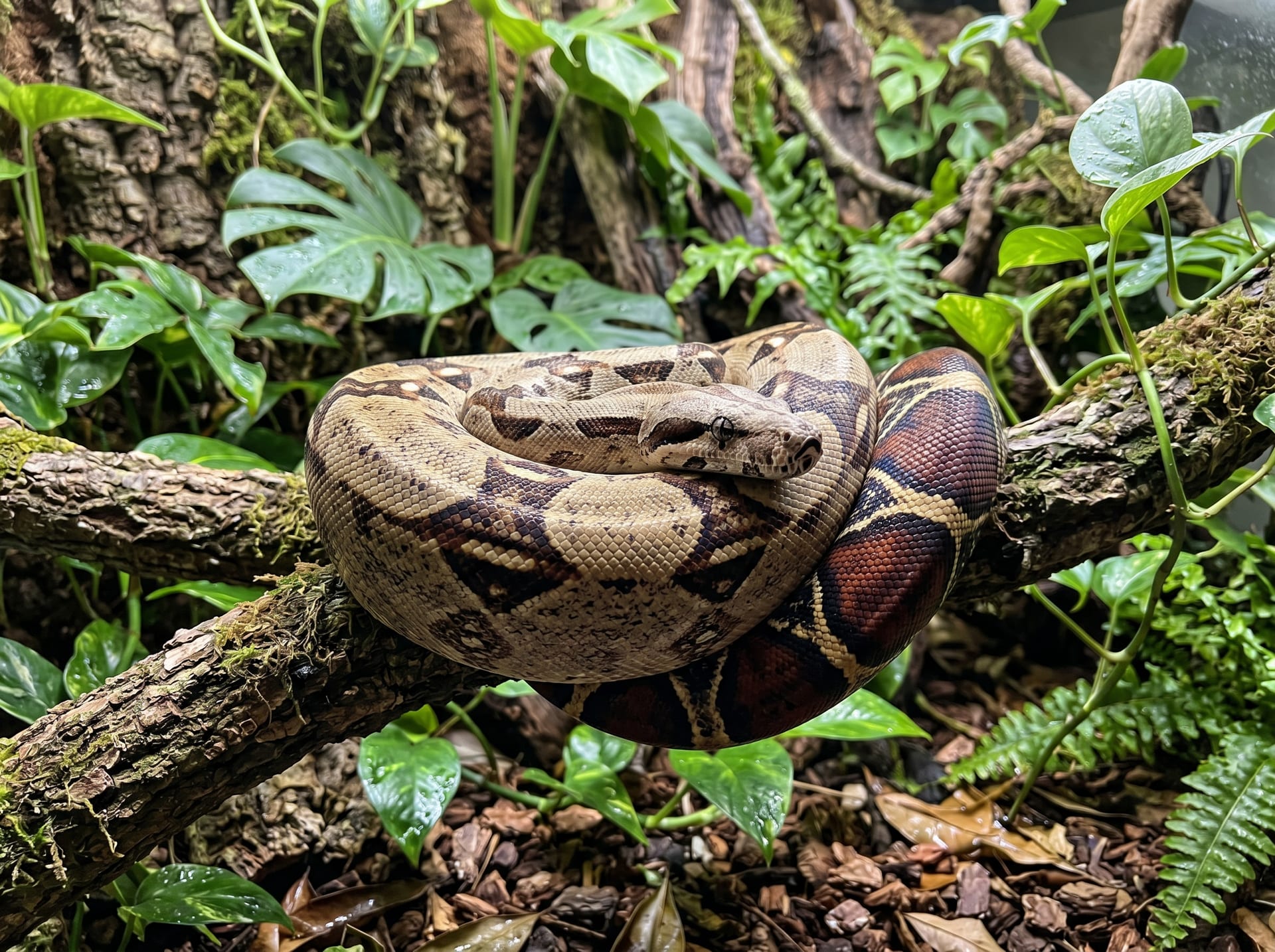
Boa Constrictor
Boa constrictor
Large boa from Central/South America. Grows larger than ball pythons but relatively docile. Morph variety increasing. Colombian boa recommended for beginners.
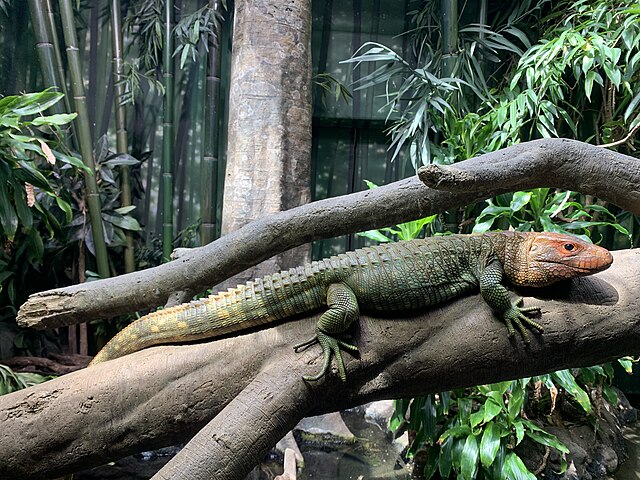
Caiman Lizard
Dracaena guianensis
A large semi-aquatic lizard with crocodile-like scales and vivid orange head. Crushes snails with jaws.
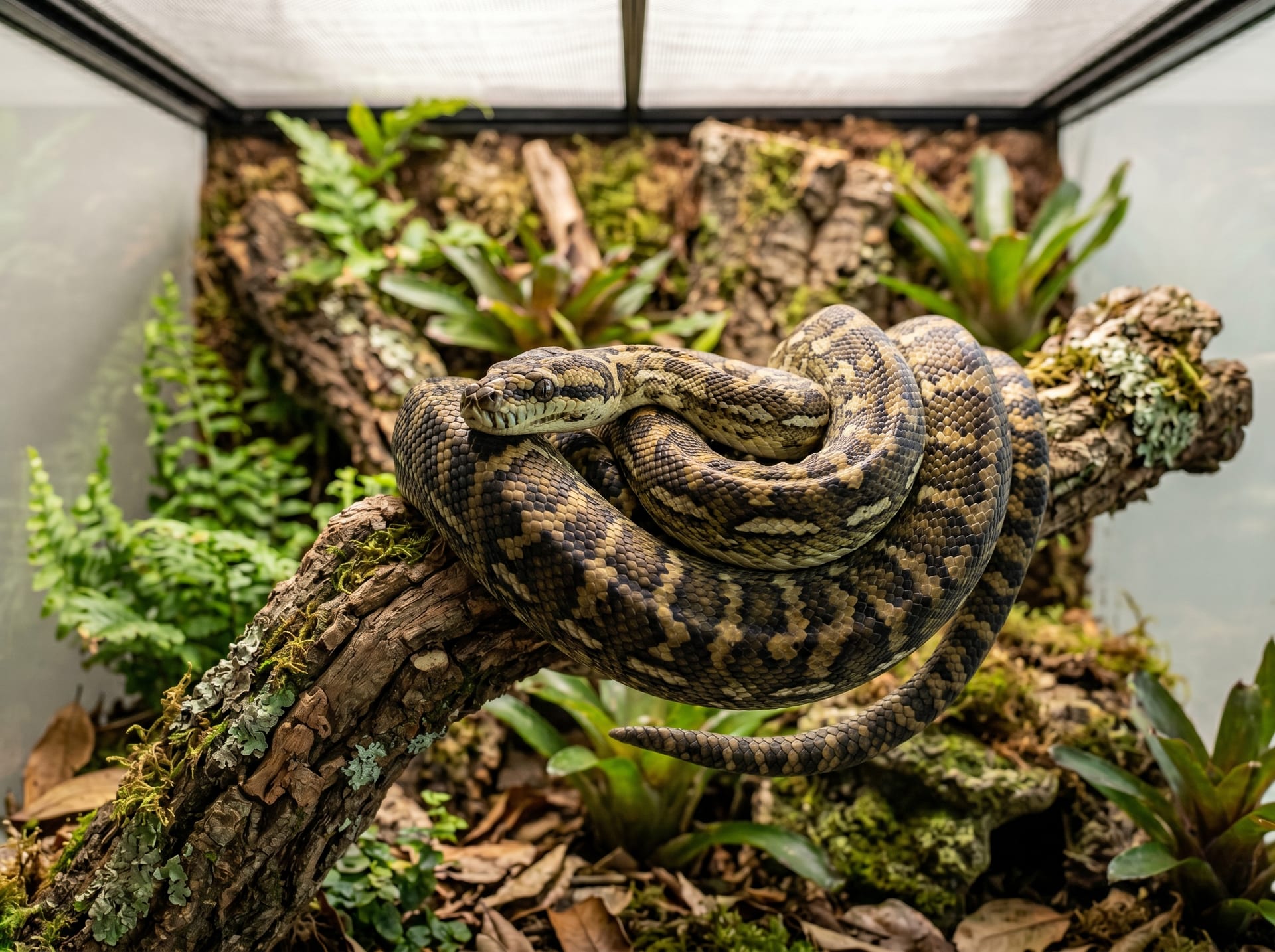
Carpet Python
Morelia spilota
Medium-sized python from Australia. Beautiful patterns and manageable size. Color varies greatly among subspecies.
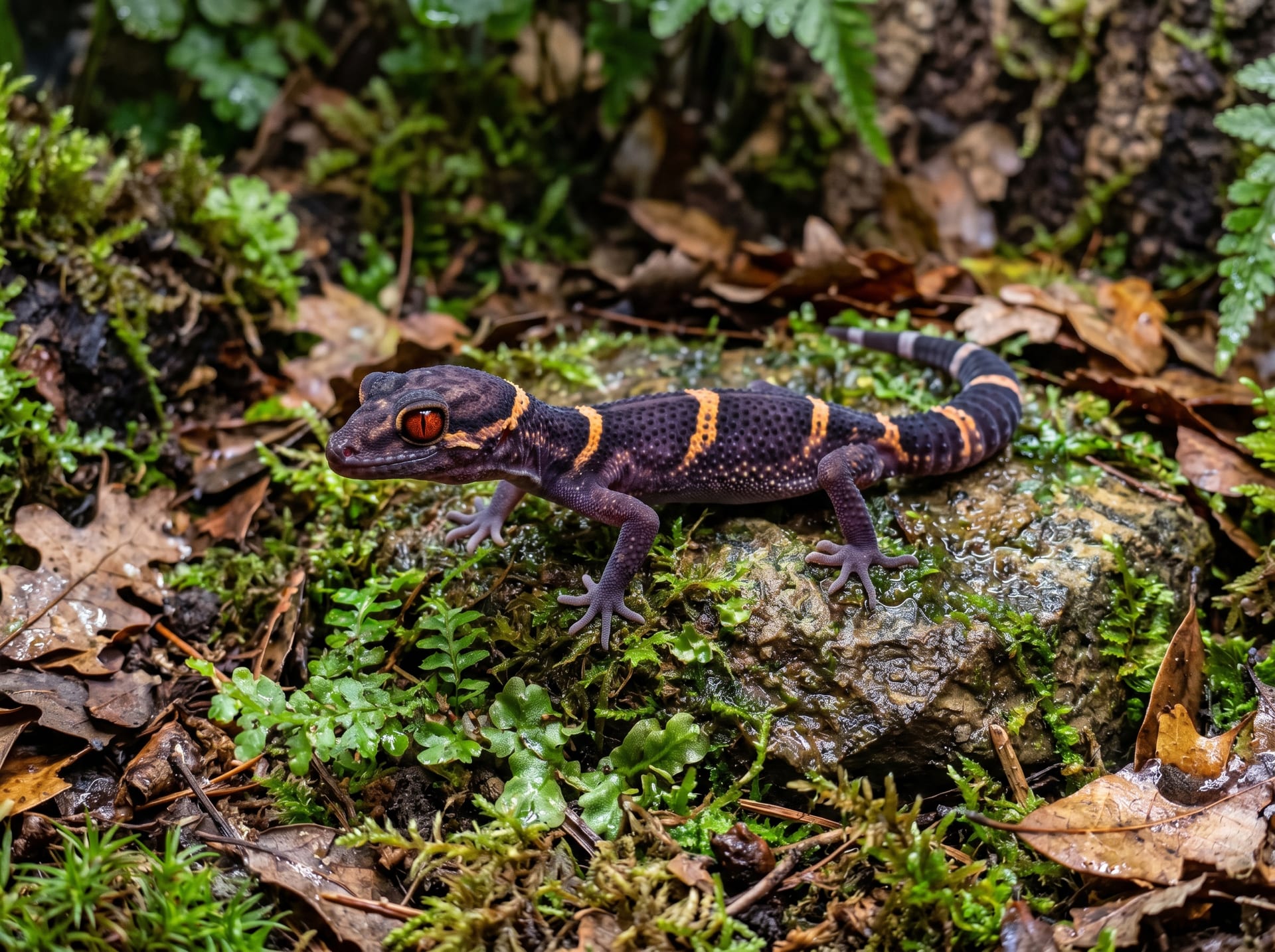
Chinese Cave Gecko
Goniurosaurus spp.
Beautiful cave-dwelling gecko with black body and red or yellow bands. Similar care to leopard geckos but prefers cooler, more humid conditions. Nocturnal rock-hider.
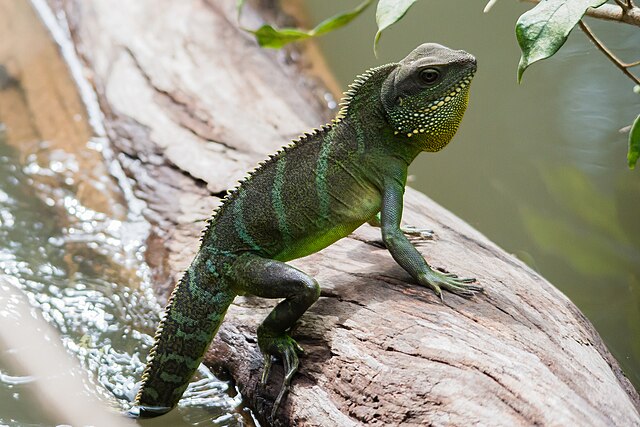 © TarnishedPath / CC BY-SA 4.0
Chinese Water Dragon
Physignathus cocincinus
Bright green semi-aquatic lizard. Prefers waterside habitat and is an excellent swimmer. Some individuals approach owners.
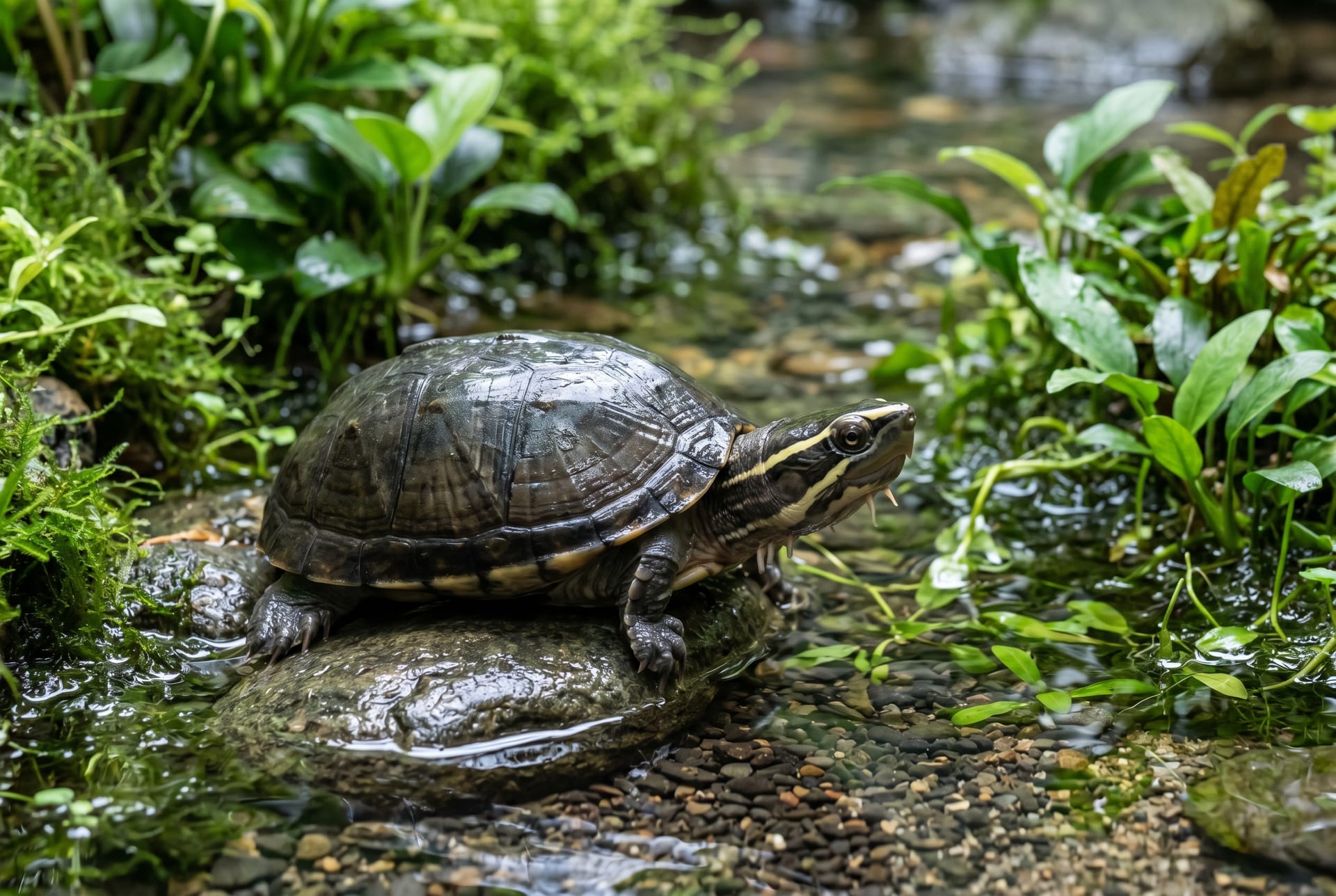
Common Musk Turtle
Sternotherus odoratus
A small aquatic turtle that stays around 8-10 cm even as an adult. Hardy and gentle, it thrives in a 60 cm aquarium and is a popular beginner species. It is unrelated to the regulated red-eared slider.
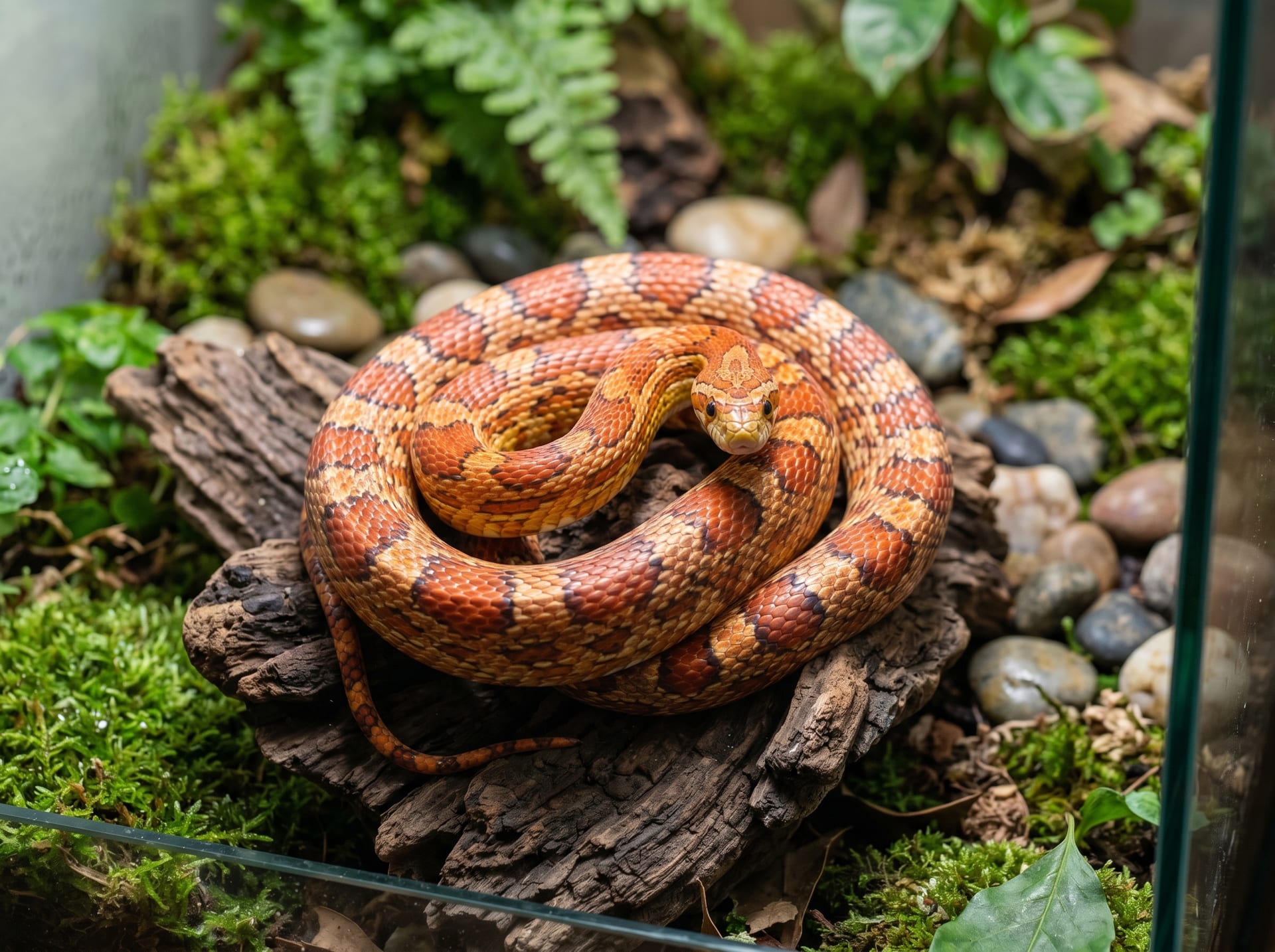
Corn Snake
Pantherophis guttatus
The most popular beginner snake. Docile temperament and rarely bites. Over 200 color morphs available.
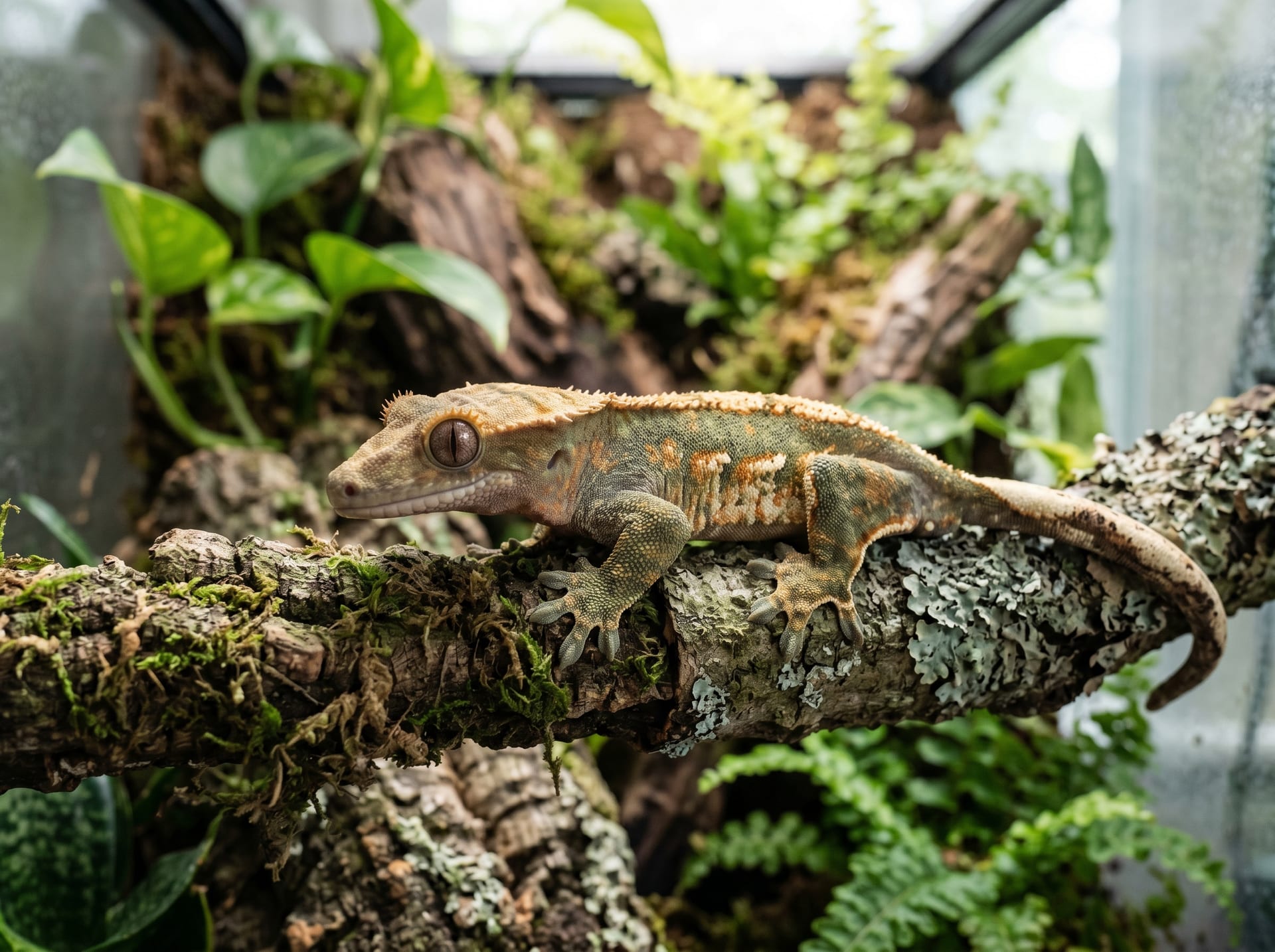
Crested Gecko
Correlophus ciliatus
Arboreal gecko with distinctive eyelash-like crests. Can be kept at room temperature and fed entirely on prepared diets.
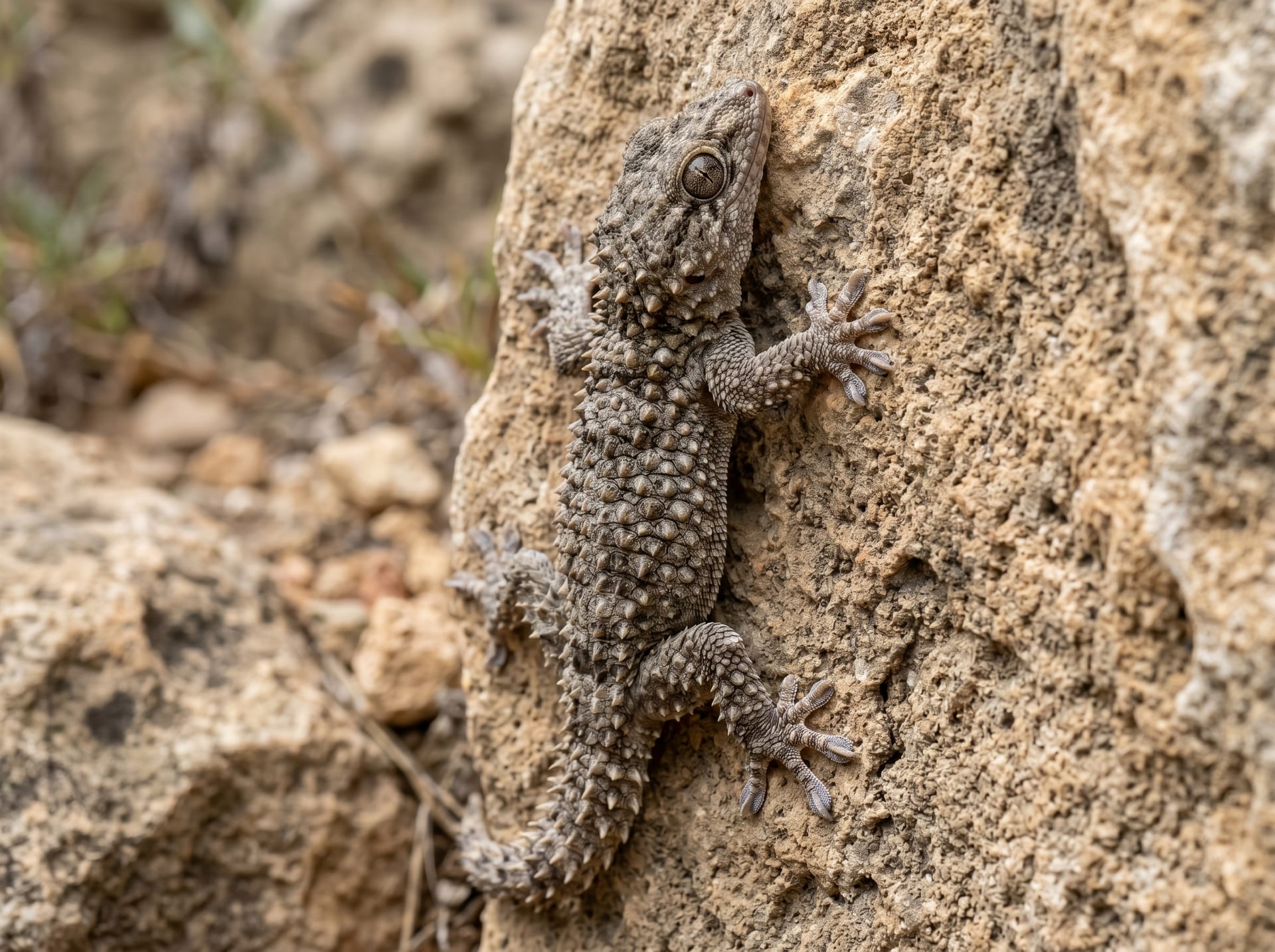
Crocodile Gecko
Tarentola mauritanica
A small New Caledonian gecko with crocodile-like scales. Related to crested gecko.
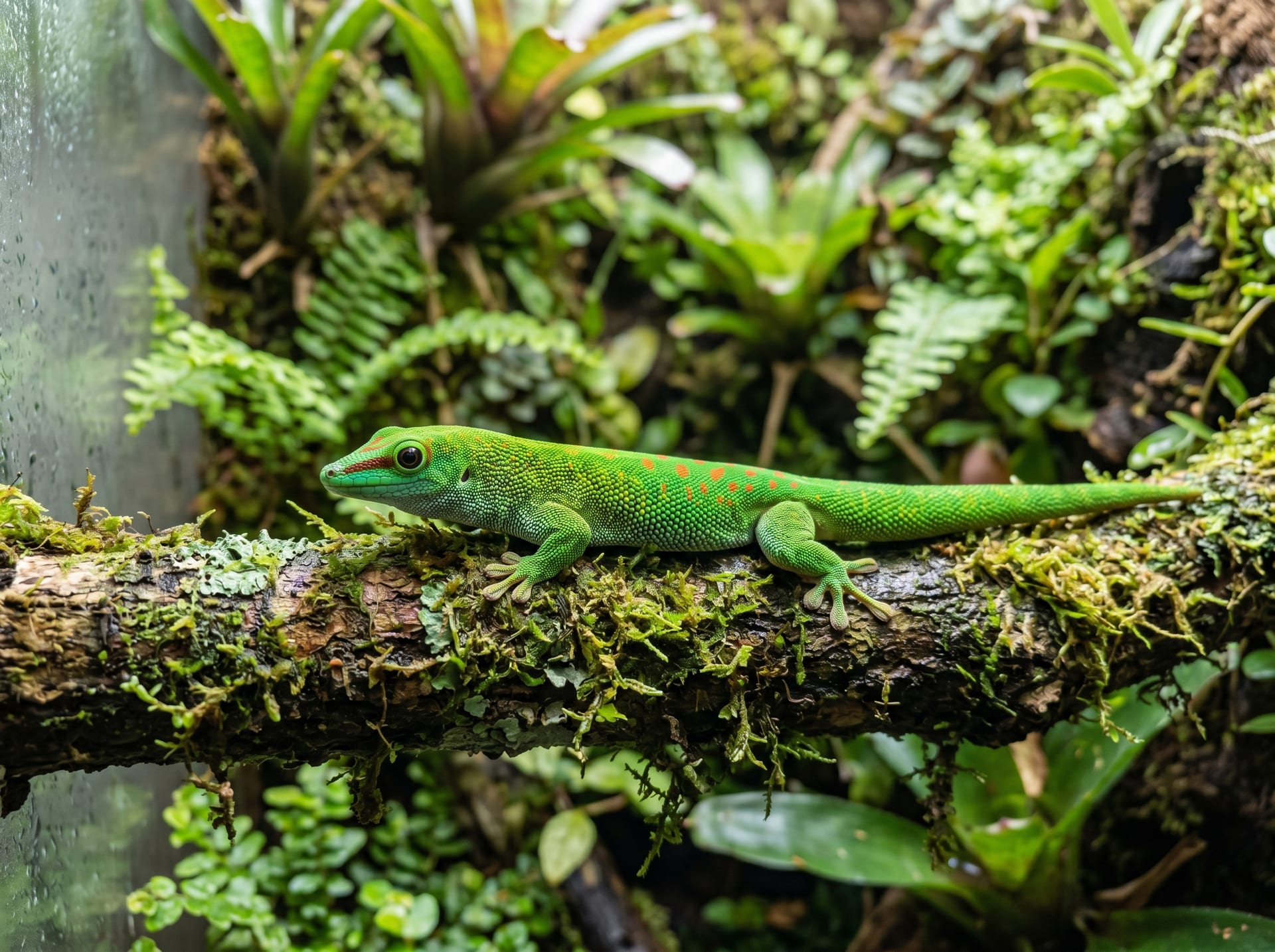
Day Gecko
Diurnal bright green gecko from Madagascar. Entertaining active behavior. Best kept as display animal.
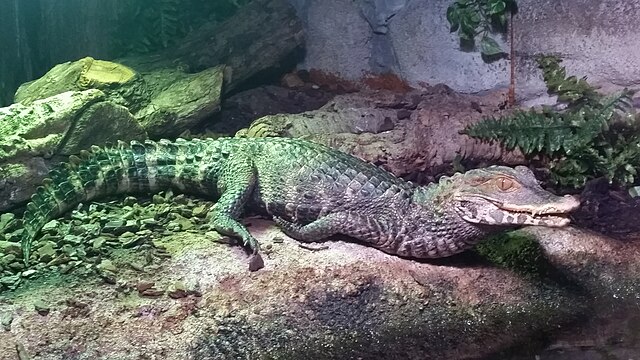 © Frank Vassen from Brussels, Belgium / CC BY 2.0
Dwarf Caiman
Paleosuchus palpebrosus
World's smallest crocodilian. Small at max 1.5m, offering special crocodilian keeping experience for experts.
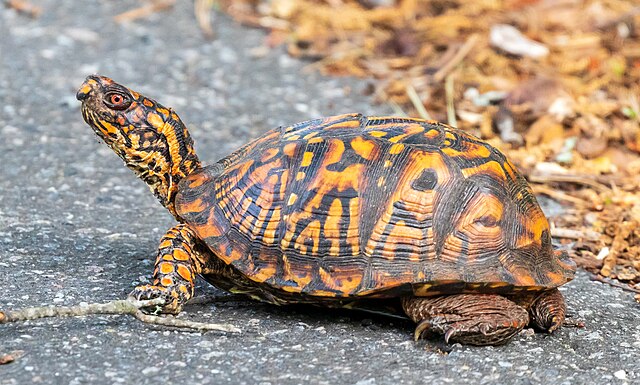 © Hexasoft / CC BY-SA 3.0
Eastern Box Turtle
Terrapene carolina
A box turtle that can completely close its shell. Hardy North American species adapted to temperate climate.
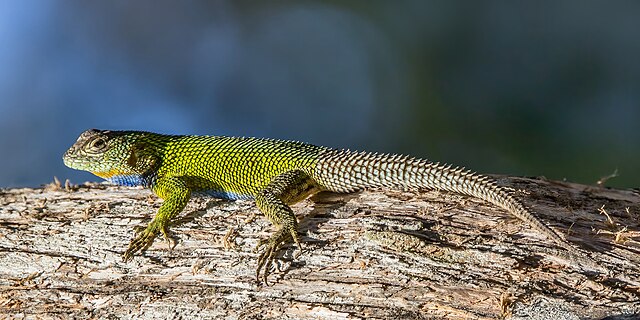
Emerald Swift
Sceloporus malachiticus
A Central American lizard with beautiful emerald green males. Unusual viviparous species giving live birth.
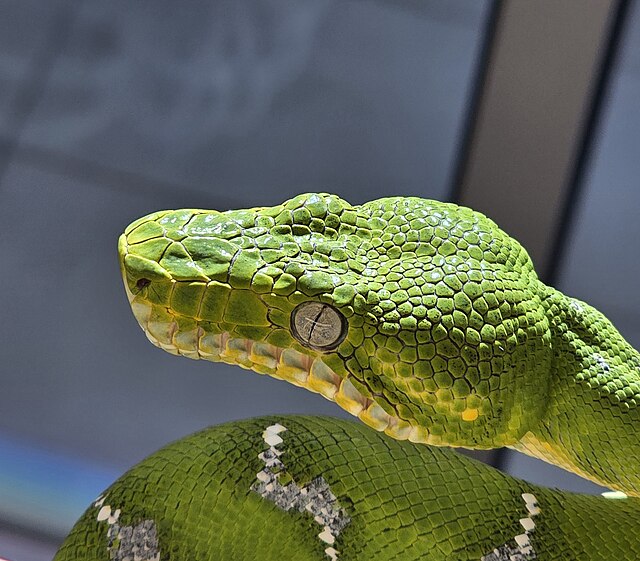 © איתן פרמן / CC BY-SA 3.0
Emerald Tree Boa
Corallus caninus
A stunning arboreal boa with vivid emerald green coloration. Inhabits South American rainforests.
Related Content
Reptile & Amphibian FAQ
- Can beginners keep reptiles?
- Leopard geckos, corn snakes, and bearded dragons are hardy and easy to care for, making them popular beginner reptiles. Once you learn temperature and humidity management, long-term care is achievable.
- How much do reptiles cost?
- Leopard geckos cost 5,000-30,000 yen, ball pythons 10,000-100,000+ yen, and bearded dragons 10,000-40,000 yen, varying greatly by morph (variety).
- How long do reptiles live?
- Leopard geckos live 15-20 years, ball pythons 20-30 years, bearded dragons 8-12 years, and some tortoises 50+ years. Be prepared for long-term commitment.
- What equipment is needed for reptiles?
- Basic equipment includes an enclosure, heat sources (heat mat/heat lamp), thermometer-hygrometer, UVB light (species-dependent), water dish, and substrate. Proper temperature gradient is most important.
- What should I check when buying reptiles?
- Check that the animal is active, has clear eyes, no stuck shed, and is eating well. Captive-bred (CB) specimens adapt better to captive environments.