Reptile & Amphibian Encyclopedia — 80 Species Directory
Encyclopedia of popular reptile and amphibian species with care guides, traits, and pricing.
Featured Reptile & Amphibian
Showing 4 of 80 species
 © Kupos / CC BY-SA 3.0
African Fat-Tailed Gecko
Hemitheconyx caudicinctus
Popular ground-dwelling gecko alongside leopard geckos. Prefers higher humidity and slightly shy but calms with handling.
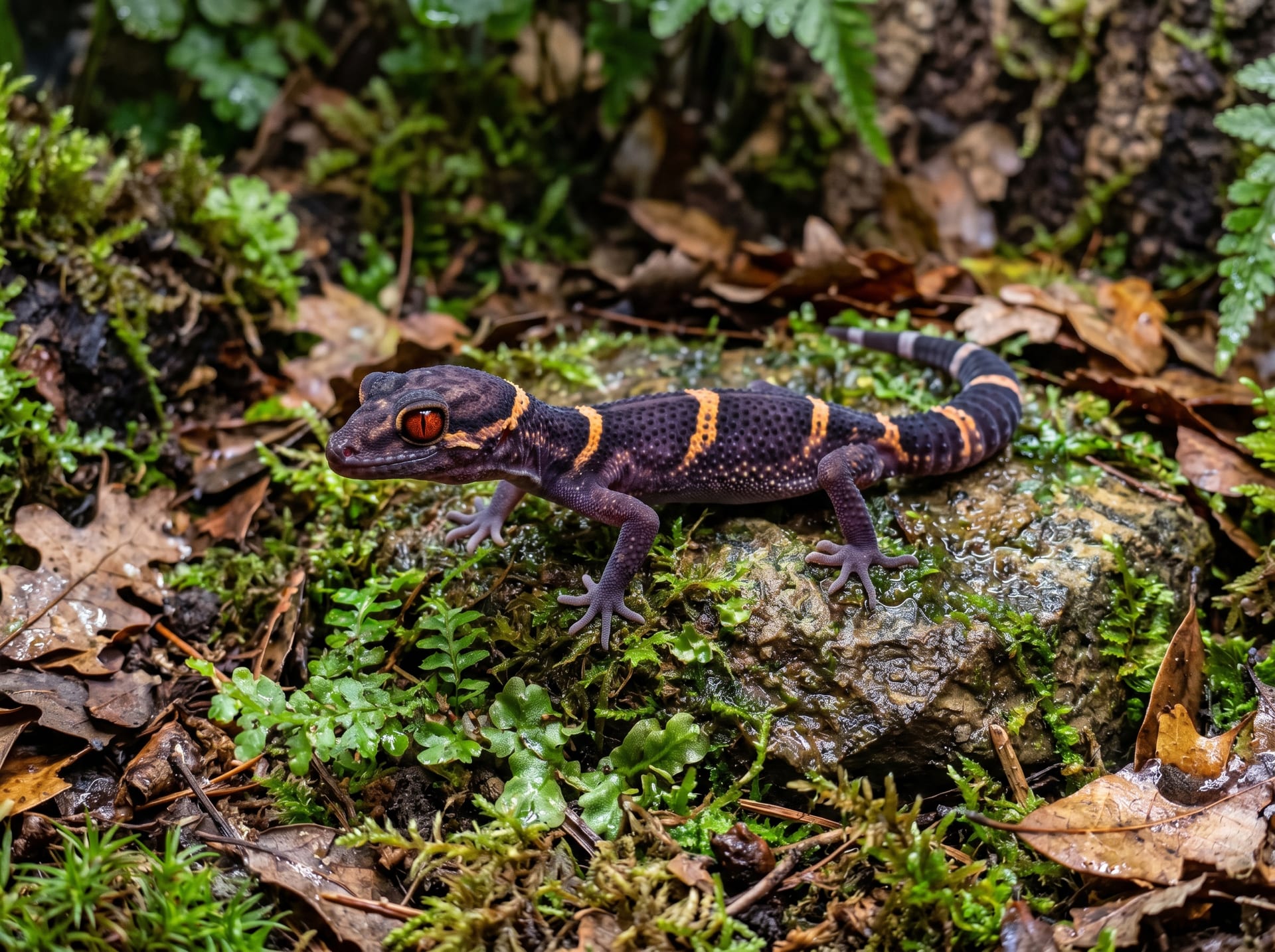
Chinese Cave Gecko
Goniurosaurus spp.
Beautiful cave-dwelling gecko with black body and red or yellow bands. Similar care to leopard geckos but prefers cooler, more humid conditions. Nocturnal rock-hider.
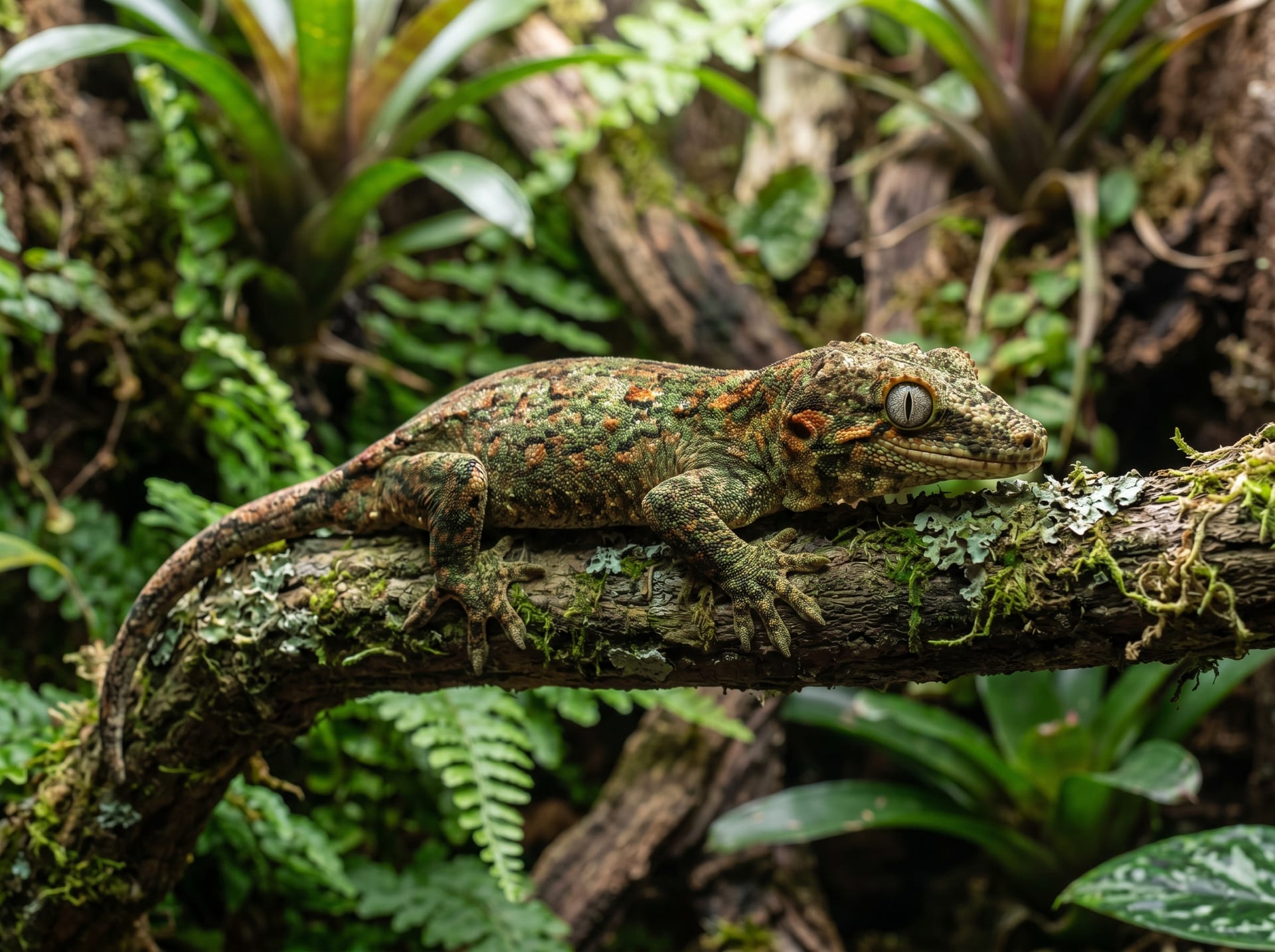
Gargoyle Gecko
Gargoyle gecko
Popular arboreal gecko after crested geckos. Distinctive head bumps. Can be fed commercial diet and can regenerate tails.
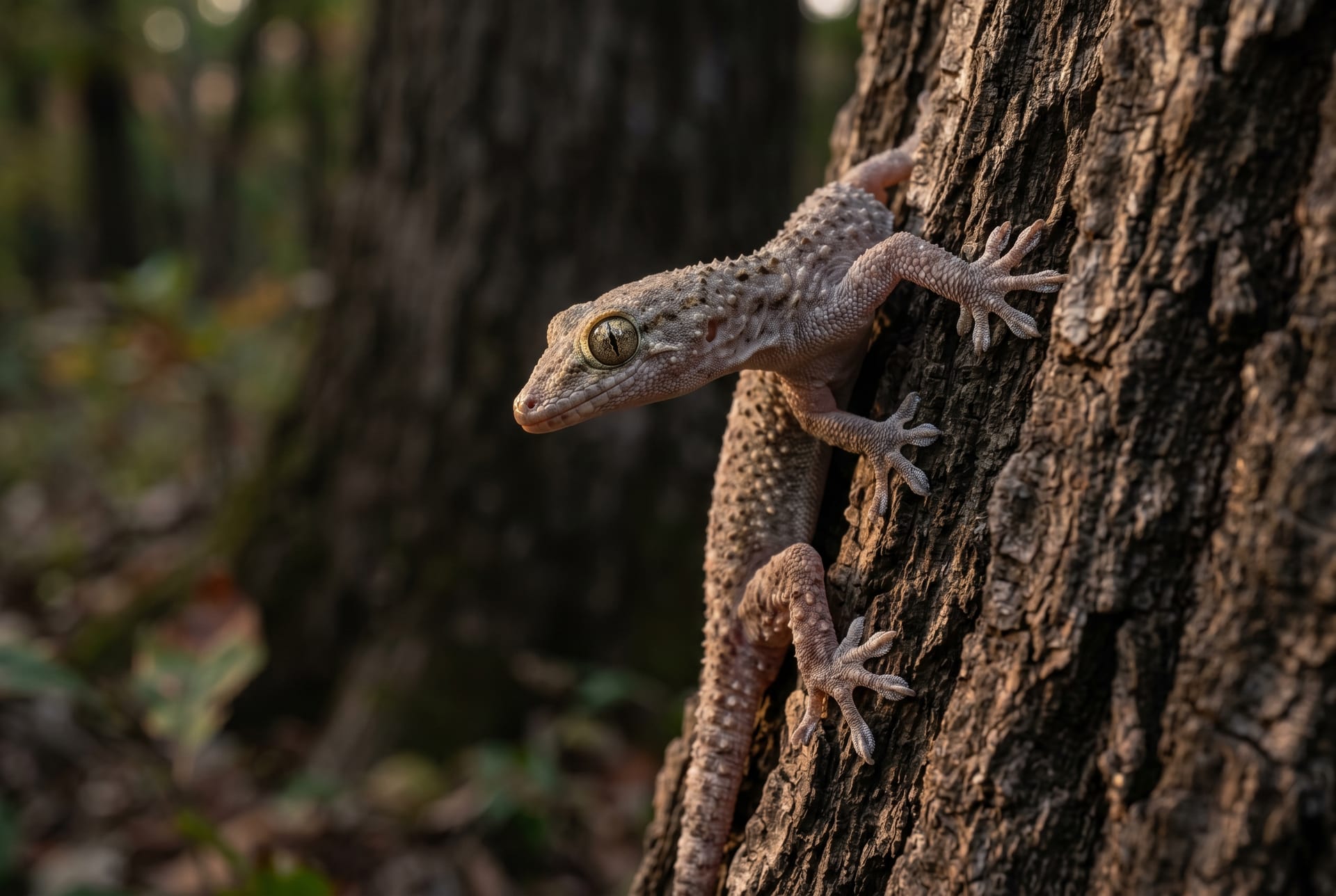
Japanese Gecko
Gekko japonicus
The familiar house guardian that waits for insects on walls and street lamps in Japan. Needing neither heating nor UV light and content in a small enclosure, it is one of the easiest geckos to keep.
Related Content
Reptile & Amphibian FAQ
- Can beginners keep reptiles?
- Leopard geckos, corn snakes, and bearded dragons are hardy and easy to care for, making them popular beginner reptiles. Once you learn temperature and humidity management, long-term care is achievable.
- How much do reptiles cost?
- Leopard geckos cost 5,000-30,000 yen, ball pythons 10,000-100,000+ yen, and bearded dragons 10,000-40,000 yen, varying greatly by morph (variety).
- How long do reptiles live?
- Leopard geckos live 15-20 years, ball pythons 20-30 years, bearded dragons 8-12 years, and some tortoises 50+ years. Be prepared for long-term commitment.
- What equipment is needed for reptiles?
- Basic equipment includes an enclosure, heat sources (heat mat/heat lamp), thermometer-hygrometer, UVB light (species-dependent), water dish, and substrate. Proper temperature gradient is most important.
- What should I check when buying reptiles?
- Check that the animal is active, has clear eyes, no stuck shed, and is eating well. Captive-bred (CB) specimens adapt better to captive environments.