Reptile & Amphibian Encyclopedia — 80 Species Directory
Encyclopedia of popular reptile and amphibian species with care guides, traits, and pricing.
Featured Reptile & Amphibian
Showing 6 of 80 species
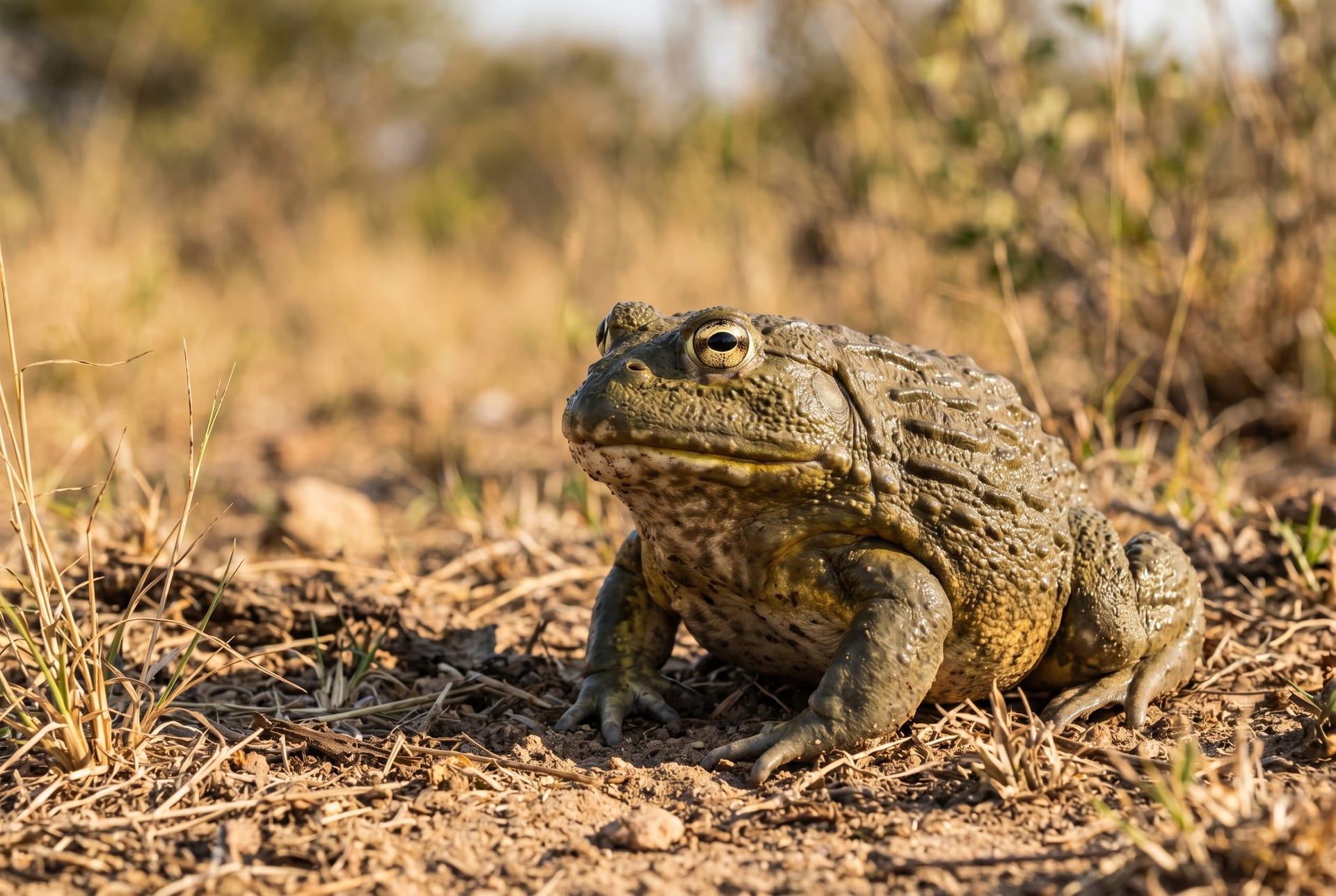
African Bullfrog
Pyxicephalus adspersus
A massive, heavyset frog nicknamed the sumo of frogs. With a robust olive-green body and a very wide mouth, it is hardy and long-lived. It is a different species from the regulated American bullfrog and is legal to keep.
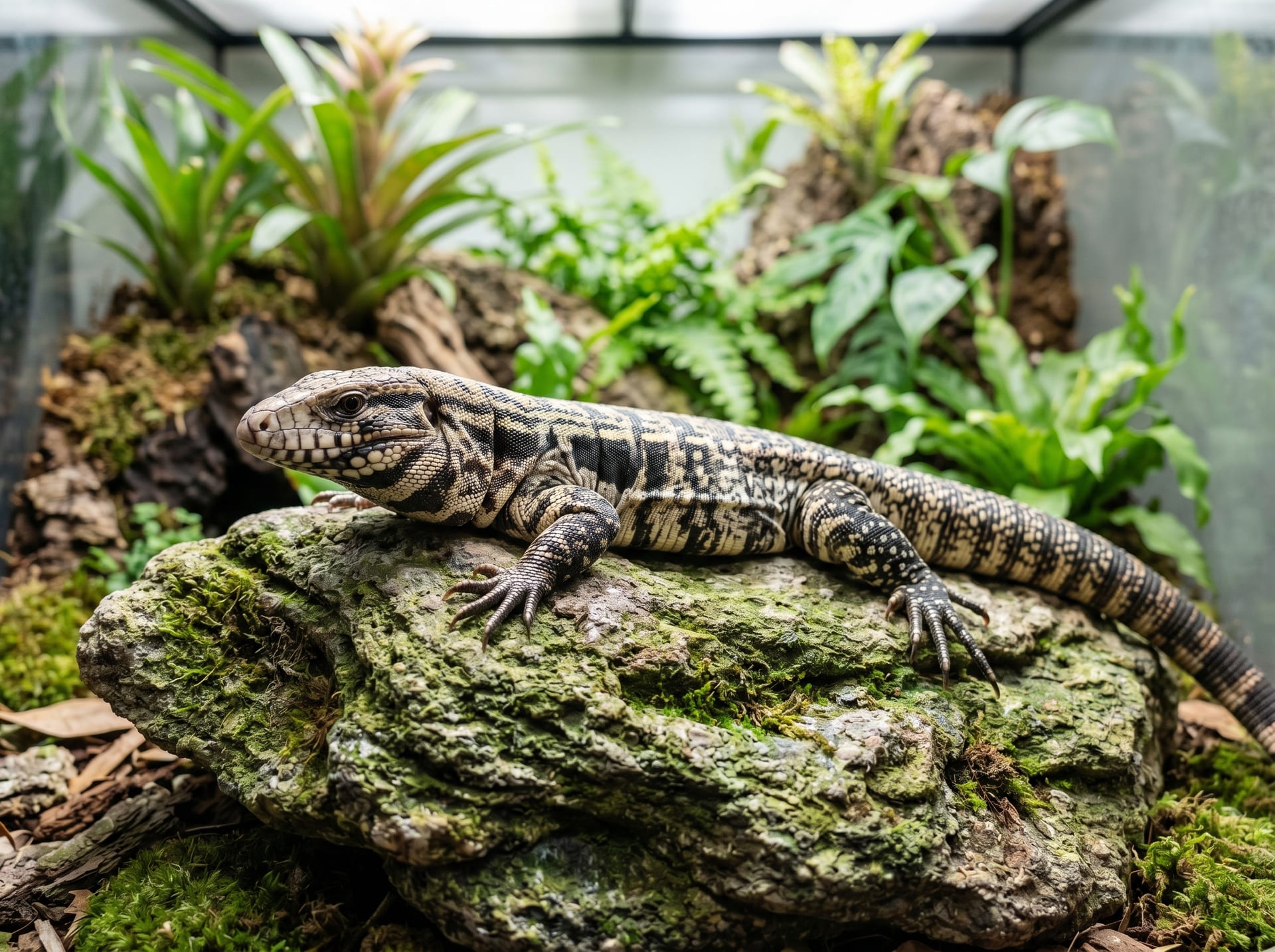
Argentine Tegu
Salvator merianae
Large lizard from South America. Highly intelligent and can bond like dogs. Omnivorous and adaptable but grows large.
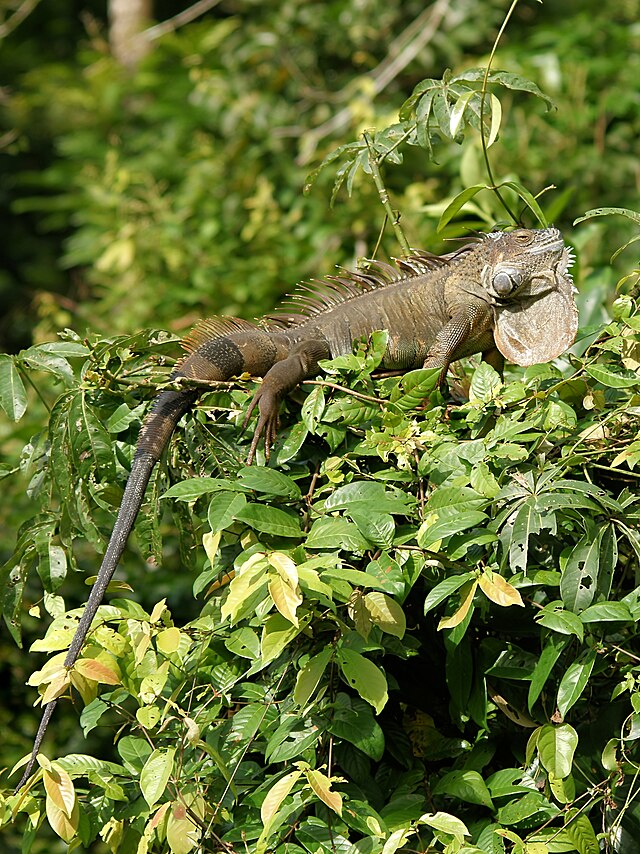
Green Iguana
Green iguana
Large lizard reaching up to 180cm. Herbivorous diet of vegetables. Juveniles bright green. Can bond with owners but requires significant space.
 © Bernard DUPONT from FRANCE / CC BY-SA 2.0
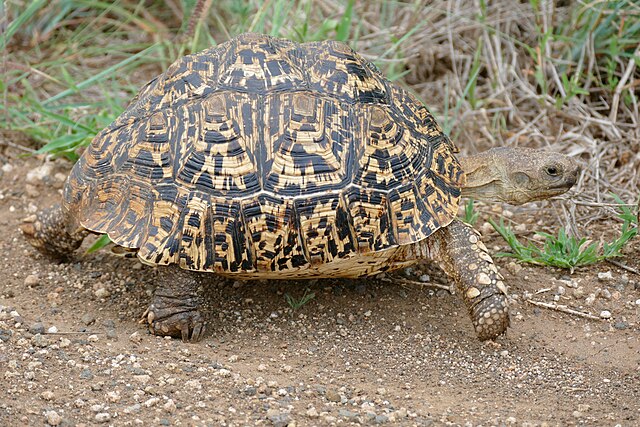
Leopard Tortoise
Stigmochelys pardalis
Large African tortoise with beautiful leopard-patterned shell. Adults exceed 40cm. Prefers warm, dry environments. Herbivorous. Adequate space is essential.
 © Ltshears - Trisha M Shears / Public domain
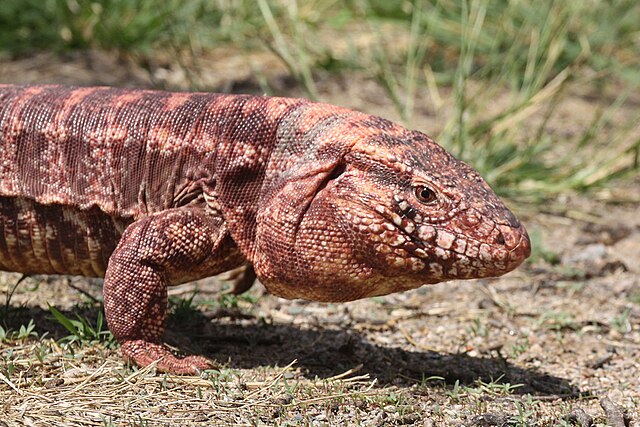
Red Tegu
Red tegu
A large tegu with reddish body color from Argentina. Highly intelligent, bonds like a dog.
 © en:User:Dawson / CC BY-SA 2.5
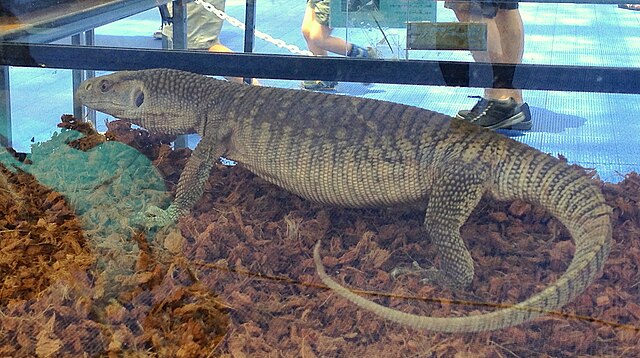
Savannah Monitor
Savannah monitor
Most accessible large monitor lizard. Juveniles are inexpensive but adults exceed 1m. Can bond with owners but powerful.
Related Content
Reptile & Amphibian FAQ
- Can beginners keep reptiles?
- Leopard geckos, corn snakes, and bearded dragons are hardy and easy to care for, making them popular beginner reptiles. Once you learn temperature and humidity management, long-term care is achievable.
- How much do reptiles cost?
- Leopard geckos cost 5,000-30,000 yen, ball pythons 10,000-100,000+ yen, and bearded dragons 10,000-40,000 yen, varying greatly by morph (variety).
- How long do reptiles live?
- Leopard geckos live 15-20 years, ball pythons 20-30 years, bearded dragons 8-12 years, and some tortoises 50+ years. Be prepared for long-term commitment.
- What equipment is needed for reptiles?
- Basic equipment includes an enclosure, heat sources (heat mat/heat lamp), thermometer-hygrometer, UVB light (species-dependent), water dish, and substrate. Proper temperature gradient is most important.
- What should I check when buying reptiles?
- Check that the animal is active, has clear eyes, no stuck shed, and is eating well. Captive-bred (CB) specimens adapt better to captive environments.