Source: Wikimedia Commons
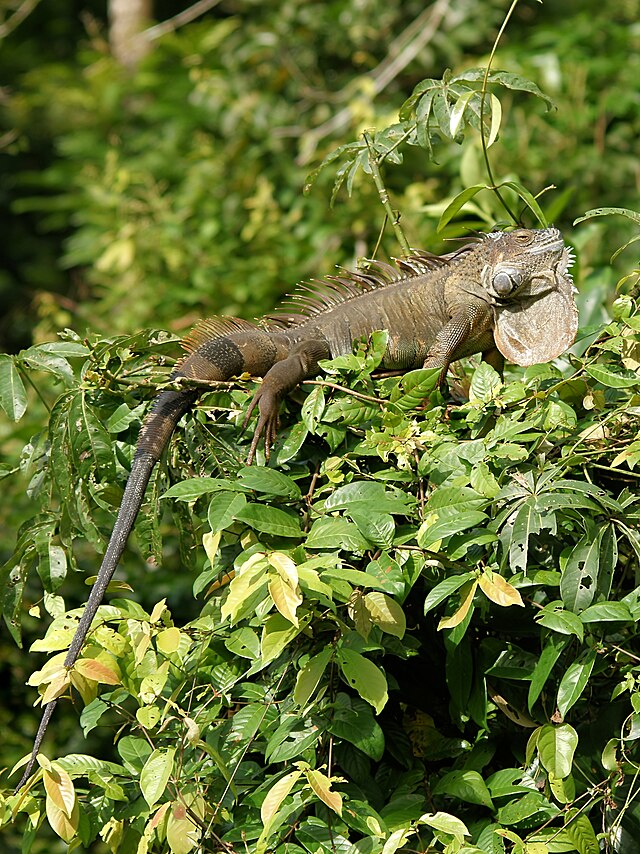
Green Iguana
AdvancedGreen iguana
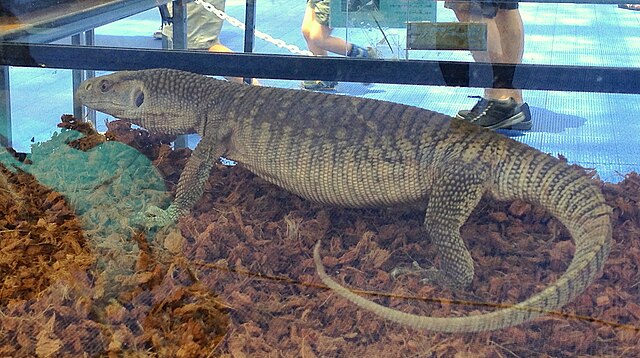
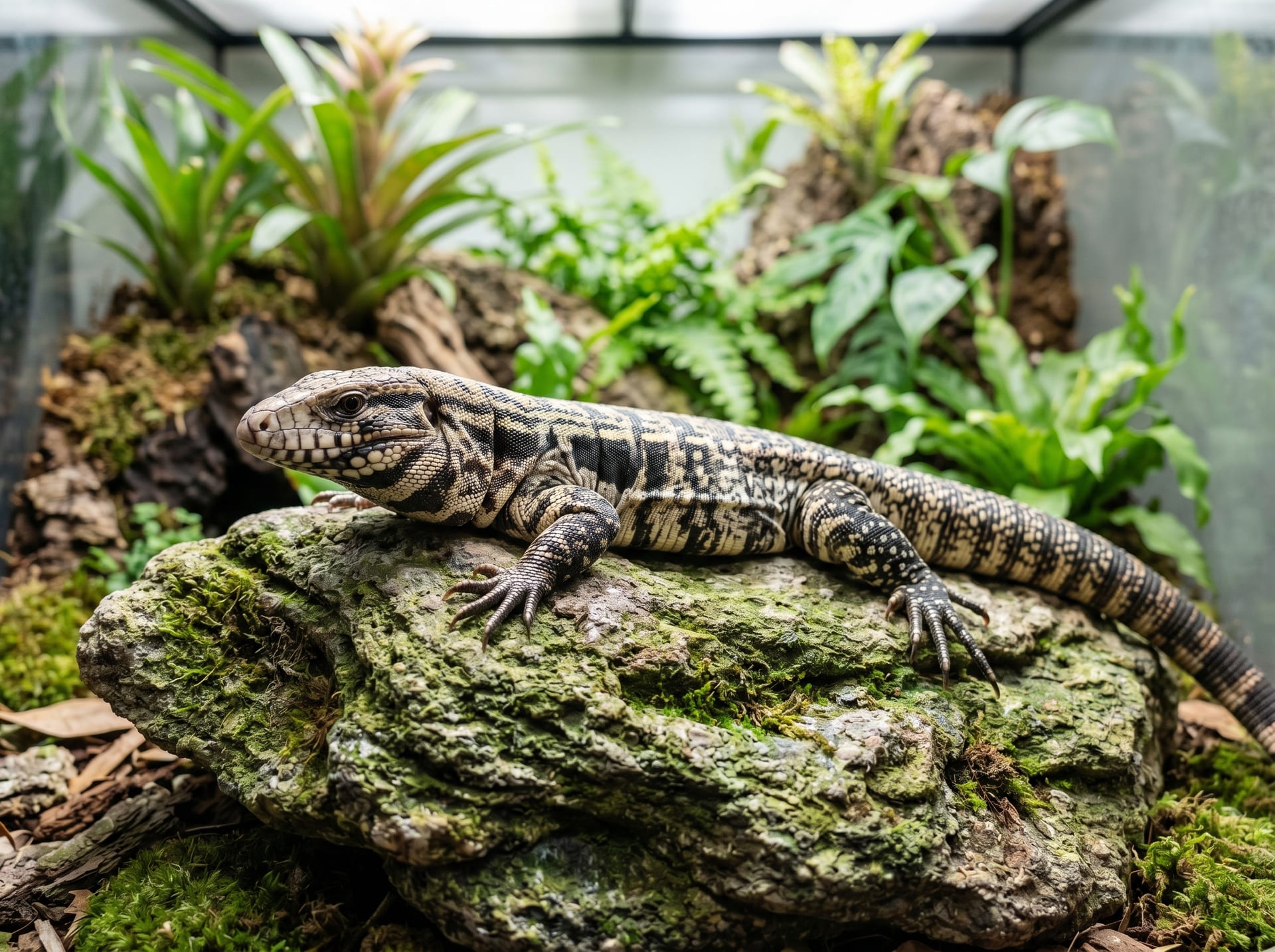
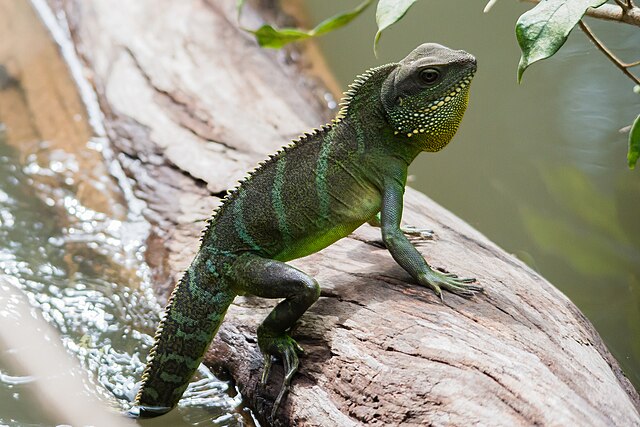
Large lizard reaching up to 180cm. Herbivorous diet of vegetables. Juveniles bright green. Can bond with owners but requires significant space.
Difficulty
Advanced
Temperature
25〜32℃
Lifespan
15-20 years
Size
120-180cm
Humidity
40〜70%
Diet
Vegetables and leafy greens (collards, bok choy)
About
The green iguana, also known as the American iguana or the common green iguana, is a large, arboreal, mostly herbivorous species of lizard of the genus Iguana. Usually, this animal is simply called the iguana. The green iguana ranges over a large geographic area; it is native from southern Brazil and Paraguay as far north as Mexico.
Source: Wikipedia (CC BY-SA 4.0)
Basic Info
Origin
southern Brazil and Paraguay north to Mexico and the Caribbean
Lifespan
15-20 years
Size
120-180cm
Temperature
25〜32℃
Humidity
40〜70%
Diet
Vegetables and leafy greens (collards, bok choy)
Care Guide
Space
Adults need room-sized enclosure
Temperature
28-35°C (basking 40°C)
Lighting
References & Sources
Edited & verified by: br-choku editorial team
The taxonomic, regulatory, and husbandry data on this page are compiled and verified against the authoritative primary sources below.
Taxonomy & Authority
Accepted name: Green iguana (Linnaeus, 1758)
Synonyms: Iguana coerulea Daudin, 1802, Iguana emarginata Spix, 1825, Iguana lophryoides Spix, 1825, Iguana melanoderma Breuil et al., 2020, Iguana minima Laurenti, 1768, Iguana sapidissima Merrem, 1820
Authority databases: GBIF · Reptile Database
Nomenclature follows global taxonomic authority databases.
Regulations & Conservation Status
CITES 附属書IIIUCN LC · Least Concern
Sources: CITES Checklist (Iguana spp. Appendix II) / IUCN Red List
Regulations may change. Always verify the latest information with the relevant authorities.
Green Iguana Listings
Loading latest listingsFind listings for this species