Reptile Breeding Methods and Precautions | Leopard Gecko & Bearded Dragon Breeding Guide
A guide to breeding Leopard Geckos and Central Bearded Dragons. This article covers the entire breeding process from cooling to pairing, egg-laying, egg management, and hatchling care.

Key Takeaways
A guide to breeding Leopard Geckos and Central Bearded Dragons. This article covers the entire breeding process from cooling to pairing, egg-laying, egg management, and hatchling care.
Related Species
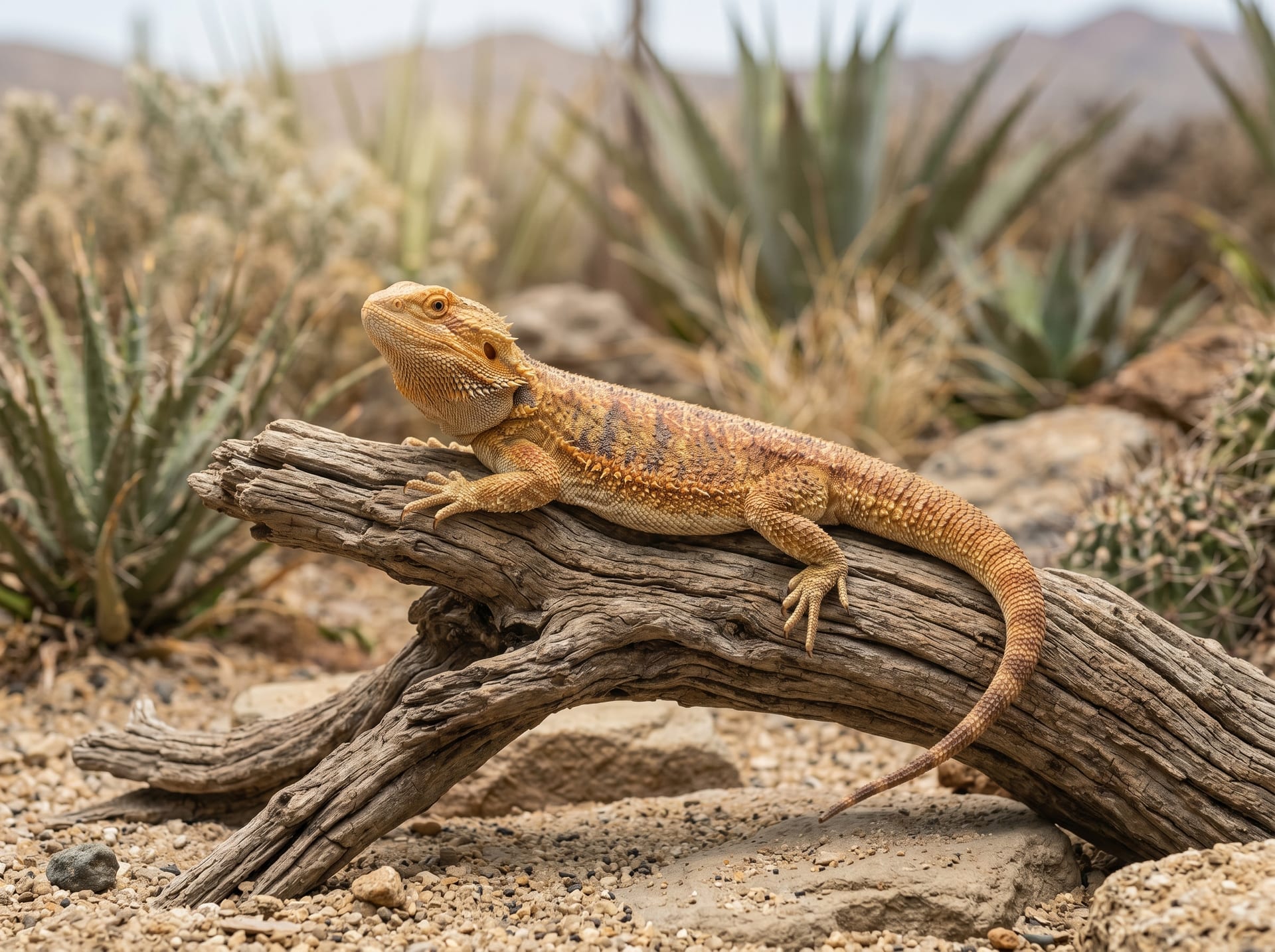
Reptile breeding is a deep and rewarding world where you can enjoy unique colors and patterns created by pairing morphs (variants). Leopard Geckos (Leos) and Central Bearded Dragons are particularly popular as beginner species for reptile breeding, thanks to their proven breeding track records and relatively easy husbandry requirements. This article provides a detailed explanation of each breeding step from the basics.
Leopard Gecko Breeding Steps
Cooling (Temperature Reduction)
The first step to successful breeding is "cooling." By intentionally lowering the temperature during winter, you replicate seasonal changes in the wild and stimulate breeding instincts.
- Timing: December to January (approximately 1-2 months)
- Temperature setting: Gradually lower from the normal 28-30°C to 20-22°C over 1-2 weeks
- Feeding: Reduce or stop feeding during cooling, as digestive function decreases
- Target individuals: Healthy adults only (generally females 1 year or older, weighing 50g or more)
Cooling unhealthy individuals or juveniles can be life-threatening, so a pre-cooling health check is essential.
Pairing and Mating
February to March, after cooling ends, is the best mating season.
- Method: Always introduce the male to the female's enclosure (the reverse causes high stress to the female and is dangerous)
- Mating signs: The male performs tail vibration (rapid tail trembling) and approaches the female
- Cohabitation period: Keep them together for a few days, then separate. Multiple pairings are possible in one season
- Record keeping: Recording mating dates makes egg-laying prediction and incubation management easier
Egg-Laying and Nesting Preparation
Egg-laying begins 2-4 weeks after mating. Prepare the nesting environment in advance.
- Signs of egg-laying: Abdominal swelling, reduced appetite, restless movement around the enclosure searching for a nesting site
- Making a nesting box: Fill a container with moistened vermiculite, add a lid, and create an entrance hole on the side
- Number of eggs: Typically 2 eggs per clutch. Usually 4-8 clutches are laid per season
Egg Management (Incubation)
Leopard Gecko eggs determine their sex based on incubation temperature through a mechanism called "temperature-dependent sex determination (TSD)."
| Temperature | Hatchling Sex |
|---|---|
| 26–29°C | Female |
| Around 30°C | Male and female mix |
| 31–33°C | Male (high temperature warning) |
- Humidity: Maintain 80-90%
- Incubation container: Half-bury the eggs in vermiculite and manage in a sealed container with a lid
- Incubation period: 45-65 days depending on temperature (lower temperatures take longer)
- Caution: Do not rotate the eggs. Turning them can cause embryo death
Central Bearded Dragon Breeding Steps
Cooling and Photoperiod Management
Central Bearded Dragons have a larger breeding cycle than Leopard Geckos and show more pronounced responses to environmental changes.
- Timing: 1-2 months during winter
- Temperature: Lower the basking spot temperature and set nighttime to 18-20°C
- Light duration: Reduce from the normal 12-14 hours to about 10 hours
- Weight guideline: Females should weigh 350g or more for optimal breeding condition
Pairing and Courtship Behavior
Bearded Dragon pairing is notable for its unique courtship communication.
- Male courtship: Bobbing (vigorous up-and-down head movements), blackening and puffing the throat, and flattening the body
- Female acceptance signal: Responds with arm waving (slow circular motion of one arm)
- Mating: Lasts a few minutes. Usually occurs multiple times
- Cohabitation management: If incompatible, severe fighting can occur, so constant observation is necessary
Egg-Laying and Nesting Box Setup
Egg-laying begins 4-6 weeks after mating. Insufficient nesting depth can prevent the female from laying eggs and cause egg binding (dystocia).
- Signs of egg-laying: Sudden loss of appetite, increased digging with claws, restlessness
- Nesting box requirements: Moist soil or sand at least 30cm deep (red clay pellets or vermiculite work well)
- Number of eggs: 15-30 eggs per clutch. The female becomes rapidly depleted after laying, so nutritional support is a priority
Egg Management
- Temperature: Keep constant at 28-30°C
- Humidity: 80-90%
- Incubation period: 55-75 days
Because Bearded Dragon clutches are larger than Leopard Geckos, stable temperature and humidity management is essential for improving hatch rates.
Hatchling Care and Rearing
Newly hatched hatchlings are extremely delicate, and proper initial care significantly affects survival rates.
- Environment: Line a small plastic container with paper towels and keep it clean
- Temperature: The same temperature management as adults is fine
- First feeding: Start 2-3 days after hatching, once the yolk sac is absorbed. Feed Leopard Gecko hatchlings tiny crickets or mealworms; feed Bearded Dragon hatchlings small mustard greens or pea shoots with small crickets
- Calcium supplementation: During the growth phase, dust calcium powder on food at every feeding
- Individual housing: Keep hatchlings separate when possible to prevent cannibalism and competition-related growth disparities
Proper nutrition and temperature management during the juvenile stage greatly improves growth rate. See also Reptile Temperature and Humidity Management Guide for detailed daily temperature and humidity management.
Important Breeding Precautions
Successfully breeding reptiles requires animal welfare considerations and legal compliance as prerequisites.
Prioritize Female Health Management
Egg-laying causes significant energy depletion in females. After laying, promote rapid recovery with high-calorie foods (waxworms for Leopard Geckos, diverse leafy greens and crickets for Bearded Dragons). If egg-laying intervals are too short, consider intentionally pausing breeding to give the female rest.
Learn Morph Genetics
Leopard Gecko morph pairings produce diverse colors and patterns. However, some combinations involve lethal genes, such as Super Hypo Snow × Super Hypo Snow. Before breeding, learn the basics of dominant, recessive, and co-dominant inheritance. See also Rare Morph Reptile Guide for information on rare morphs.
Breeding License Required for Sales
If you intend to sell or transfer bred animals, Class 1 Animal Dealer (Sales) registration is legally required (Animal Protection and Management Law). Selling without registration is illegal, so contact your local authority beforehand to confirm.
BreederDirect's Safety and Security System
BreederDirect is a reptile-specialist direct sales platform where only registered breeders can list animals. Since animals are listed with clear morph lineage and genetic information, even first-time reptile breeders can confidently select parent candidates.
You can also ask breeders questions directly before purchase, enabling practical consultations like "What would this morph pairing produce?" and "When should I start cooling?" BreederDirect provides comprehensive support for breeding knowledge and sourcing trustworthy animals. For those wanting to review reptile care basics, see also Reptile Care: Beginner's Guide.