Complete Guide to Reptile Pet Insurance | Types of Available Insurance, Costs, Benefits and Precautions
Explains the current state of reptile pet insurance, types of available insurance, and costs. Also introduces alternative measures when insurance is unavailable (self-savings and loans) and key points for choosing insurance.
Key Takeaways
Explains the current state of reptile pet insurance, types of available insurance, and costs. Also introduces alternative measures when insurance is unavailable (self-savings and loans) and key points for choosing insurance.
Related Species
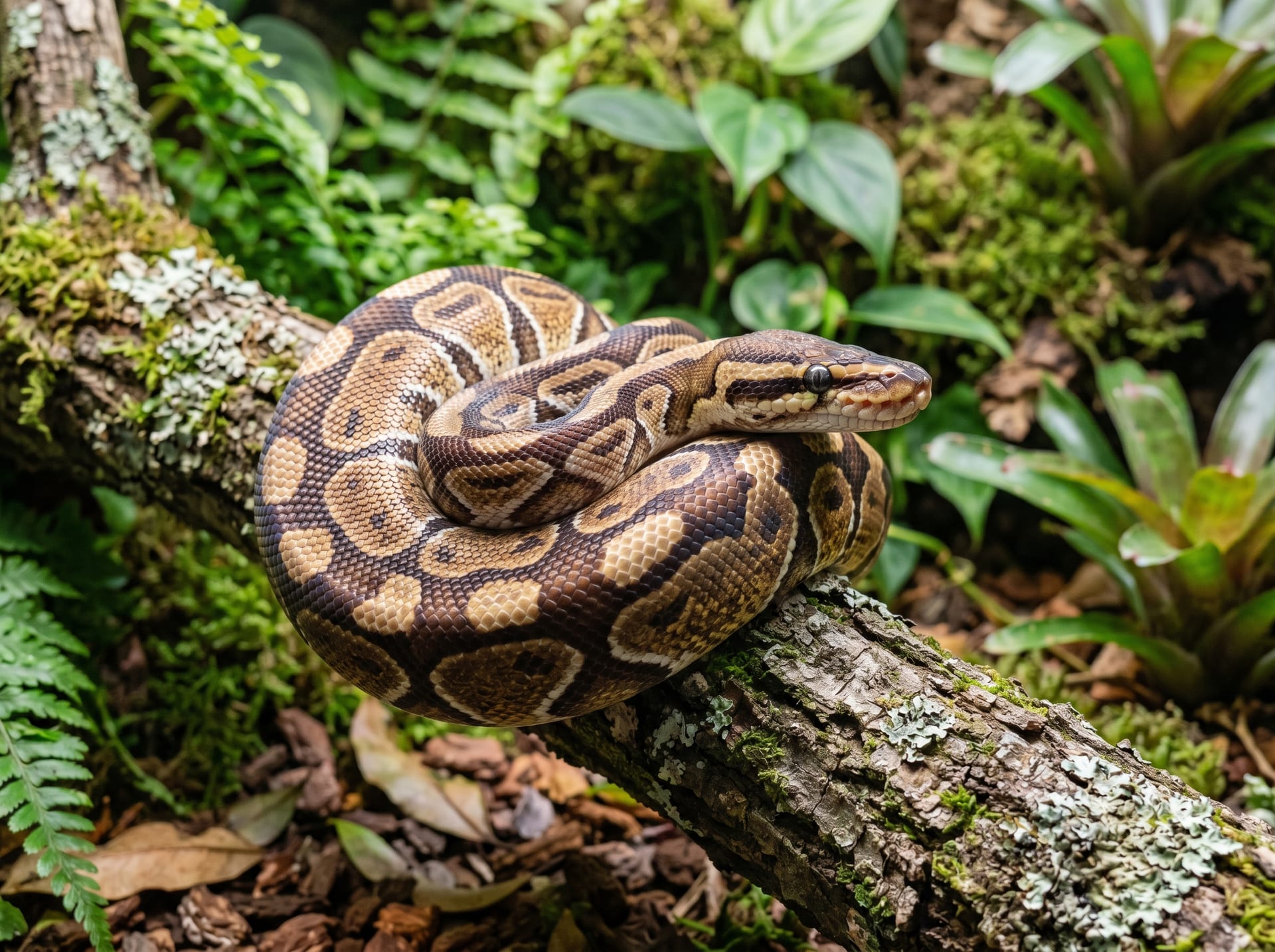
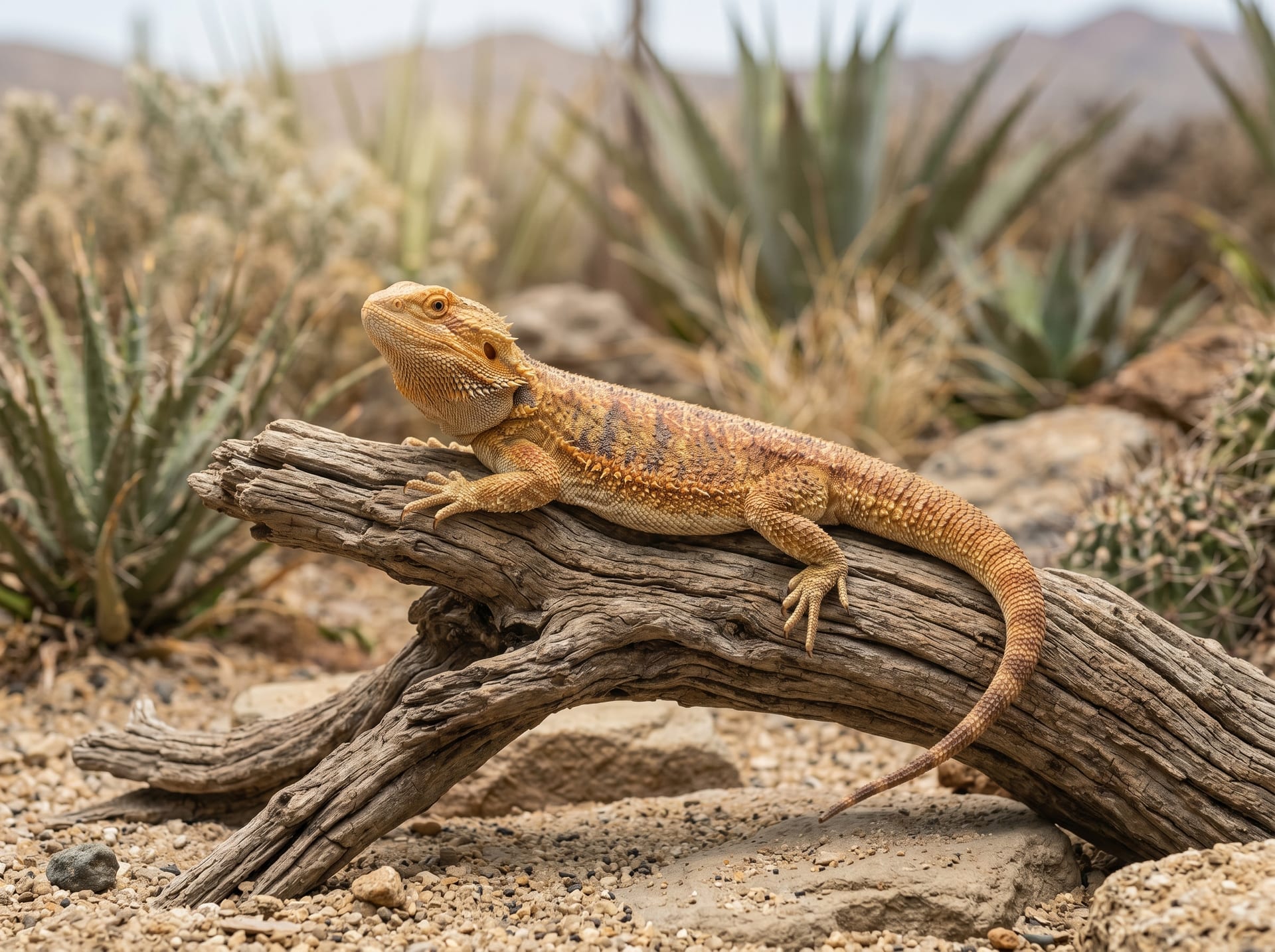
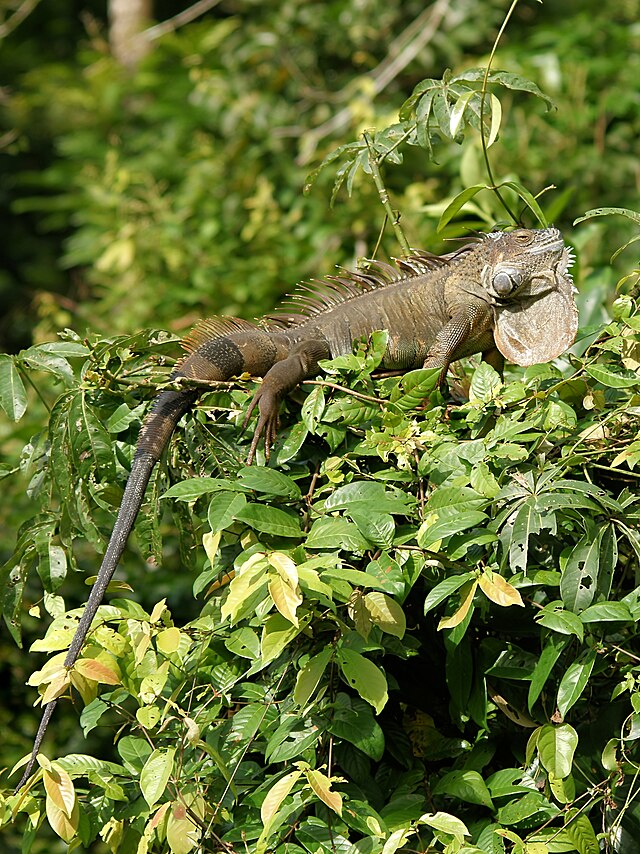

While pet insurance for dogs and cats is widely available, pet insurance for reptiles still has limited options in Japan. However, veterinary costs for reptiles often exceed what typical owners expect, making insurance consideration an important issue. This guide explains the current state of reptile pet insurance, types of available insurance, costs, and smart ways to utilize it.
The Reality of Reptile Veterinary Costs: Why Insurance Is Necessary
Reptile-specialized veterinary clinics are limited across Japan, and consultation and examination fees tend to be higher than for dogs and cats. Costs increase further when specialized equipment (reptile X-ray systems, endoscopes) or imported medications are required.
Typical veterinary cost examples:
- Leopard gecko infection/pneumonia treatment: Initial consultation ¥3,000–5,000 + 2-week antibiotic course ¥5,000–10,000
- Ball python penile sheath infection (mouse rot): Treatment ¥2,000–5,000 + medication ¥3,000–8,000
- Tortoise metabolic bone disease (MBD) examination and treatment: X-ray ¥3,000–5,000 + calcium IV ¥10,000–20,000
- Green iguana fracture surgery: ¥30,000–80,000
- Bearded dragon adenovirus infection: Examination ¥10,000–20,000 + hospitalization and treatment ¥20,000–50,000
- Abdominal surgery (egg-binding, tumors): ¥50,000–150,000
Considering the risk of sudden veterinary bills ranging from tens of thousands to hundreds of thousands of yen, the importance of insurance becomes clear.
Current State of Reptile Pet Insurance Available in Japan
As of 2026, most general pet insurance companies in Japan limit coverage to dogs and cats only. Reptiles are treated as "exotic animals other than dogs and cats," with the following options available.
Insurance companies offering coverage (examples):
- Anicom Damages Insurance "Dobutsu Kenko Famiri": An expanded version covering rabbits, ferrets, and birds is available, but reptiles are generally excluded (though individual consultation may be possible).
- SBI Prism Limited-Term Insurance "Prism Call": Covers a wide range of animals including rabbits, ferrets, reptiles, and fish. Plans allowing reptile-only coverage are available.
- Limited-Term Insurance (Mini-Insurance): Some mini-insurance companies specializing in exotic animals offer coverage. Coverage scope and insurance limits are often restrictive.
Key comparison points for insurance coverage:
- Coverage ratio (50% / 70% / 100%)
- Per-visit payment limit
- Annual payment limit
- Deductible (self-pay amount)
- Waiting period (whether coverage begins immediately after enrollment)
- Pre-existing condition coverage
International Pet Insurance: Reference Options
Even if residing in Japan, international insurance typically cannot be purchased. However, for reference, dedicated reptile pet insurance is well-established in the UK and US.
- Exotic Direct (UK): Reptile-specific. Covers multiple species including leopard geckos, ball pythons, and monitors.
- Nationwide Pet Insurance (US): Covers exotic animals in general.
While expanding reptile insurance options in Japan remains a future challenge, options are increasing with growing market demand.
Alternatives to Pet Insurance: Self-Savings and Emergency Loans
Given the limited insurance options for reptiles, many owners prepare for veterinary costs through self-savings.
Self-savings method:
Set aside ¥1,000–3,000 monthly in a dedicated "reptile veterinary care savings account." Over a year, this accumulates to ¥12,000–36,000, covering most routine treatment costs.
Using credit cards:
Having one credit card with revolving or installment payment options on hand allows you to handle unexpected high veterinary bills (¥50,000–100,000).
Veterinary clinic financing:
Some veterinary clinics partner with financing companies like Jaccs Veterinary Loan (through major hospitals like Japan Animal Medical Centers) or Aplus (dental loan systems) to offer installment payment options. It's reassuring to confirm this with your veterinarian in advance.
Important Points to Verify Before Purchasing Insurance
When purchasing reptile insurance, be sure to confirm the following:
- Confirm covered species: Check whether the policy covers "all reptiles" or "specific species only" in the contract
- Disclosure requirements: Venomous snakes and certain regulated species (some monitor lizards) may be excluded or subject to conditions
- Proof of purchase and weight records: Individual proof of ownership may be required for claims. Keep purchase receipts and maintain regular weight records.
- Preventive care discounts: Some policies offer insurance premium reductions for annual health checks
- Non-covered items: Most policies exclude "vaccinations," "routine health exams," and "cosmetic grooming"
Reptile veterinary costs are a real risk. Even if insurance is difficult to obtain, preparing through self-savings and emergency financing options ensures your beloved reptile receives necessary medical care when needed.