Reptile Multi-Housing Guide | Compatibility by Species and Precautions | ブリちょく
Reptiles| ✍️ BreederDirect Editorial
Reptile Multi-Housing Guide | Compatibility by Species and Precautions
Detailed explanation of reptile species suitable and unsuitable for multi-housing. Introduction to multi-housing rules for leopard geckos, bearded dragons, and tortoises, plus management methods to recognize stress signs.
Key Takeaways
Detailed explanation of reptile species suitable and unsuitable for multi-housing. Introduction to multi-housing rules for leopard geckos, bearded dragons, and tortoises, plus management methods to recognize stress signs.
Is Multi-Housing Possible for Reptiles?
✍️
BreederDirect Editorial
The BreederDirect editorial team specializes in care information for animals, covering veterinary care and breeding to deliver beginner-friendly guides.
Find Reptiles on BreederDirect
Buy directly from verified breeders
Browse Related Listings
Find Reptiles listings related to this article on BreederDirect. Buy directly from verified breeders.
Multi-housing of reptiles differs clearly by species into three categories: "possible," "conditionally possible," and "not recommended." Unlike mammalian pets, most reptiles are inherently solitary animals with an instinct to compete with same-species and same-sex individuals. When considering multi-housing, it is important to first ask yourself whether it is truly necessary from an animal welfare perspective.
Species Suitable and Unsuitable for Multi-Housing
Species Relatively Suitable for Multi-Housing
Leopard Gecko (Leo) — Multiple Females or Opposite-Sex Pair
Leopard geckos have relatively good sociability among reptiles and may be able to cohabitate multiple females if sufficient space is available. However, males fighting each other intensely is absolutely prohibited. The typical management approach is as a breeding pair of 1 male + 1-3 females.
Required Space: Up to 2 individuals in a 60cm tank (90cm or larger if more)
Cautions: Watch for competition over food and stress signs (tail thinning, food refusal)
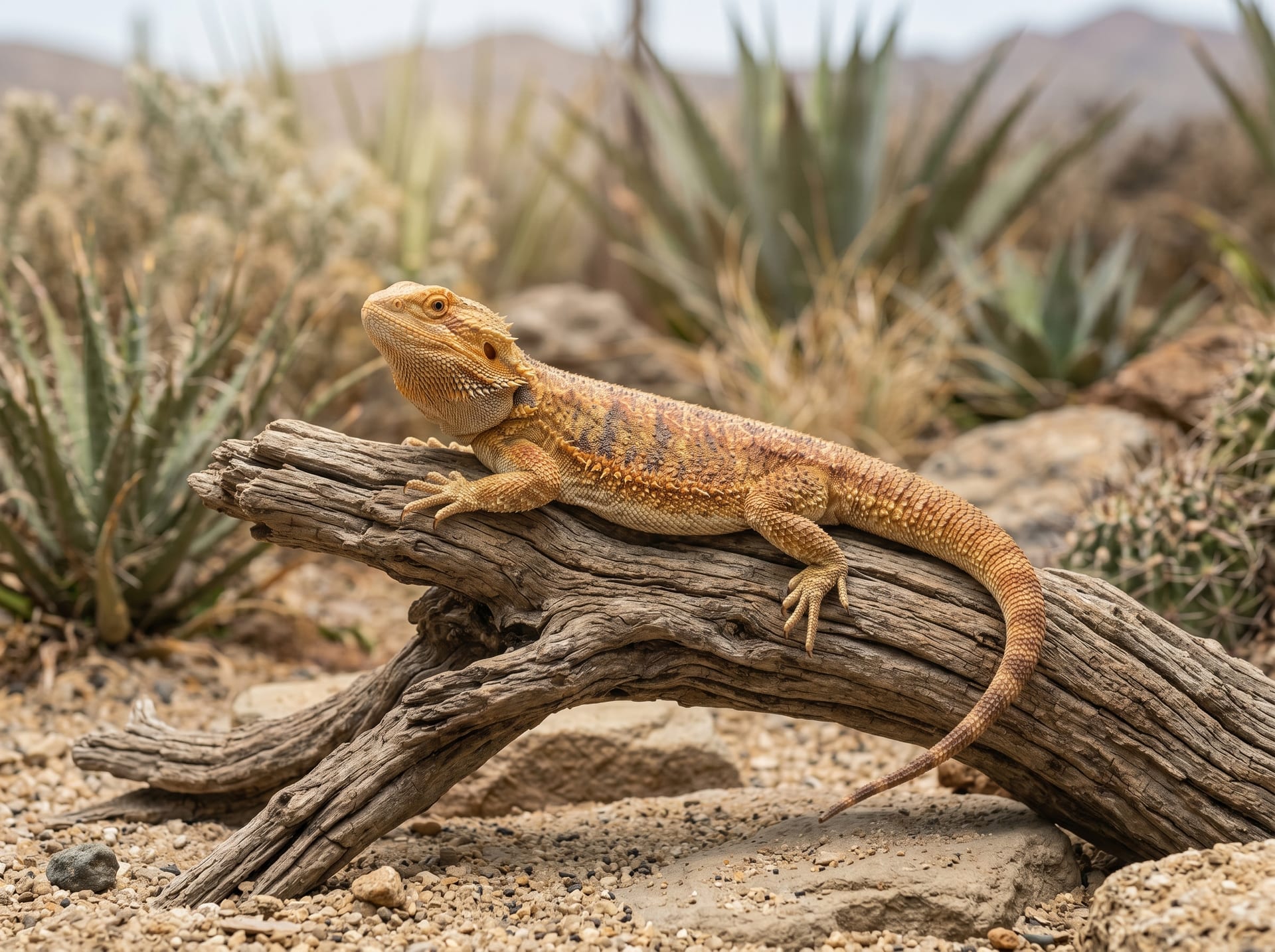
Bearded Dragon — Temporary Cohabitation of Juveniles Only
Temporary cohabitation of juveniles (4-5cm or smaller) may occur, but as they mature, territorial behavior becomes pronounced. Especially males will blacken their heads in threat displays, leading to chasing and biting. Adults should follow the basic principle of one individual per enclosure.
Tortoises — Multiple Same-Species Possible with Adequate Space
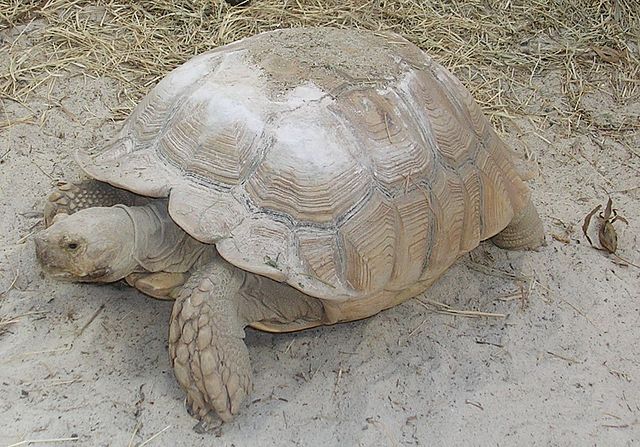
Multiple same-sized tortoises may cohabitate when raised in sufficiently spacious outdoor yards or indoor free spaces. However, males of large species (such as sulcata tortoises) can engage in fierce combat during breeding season and cause injuries, so caution is needed.
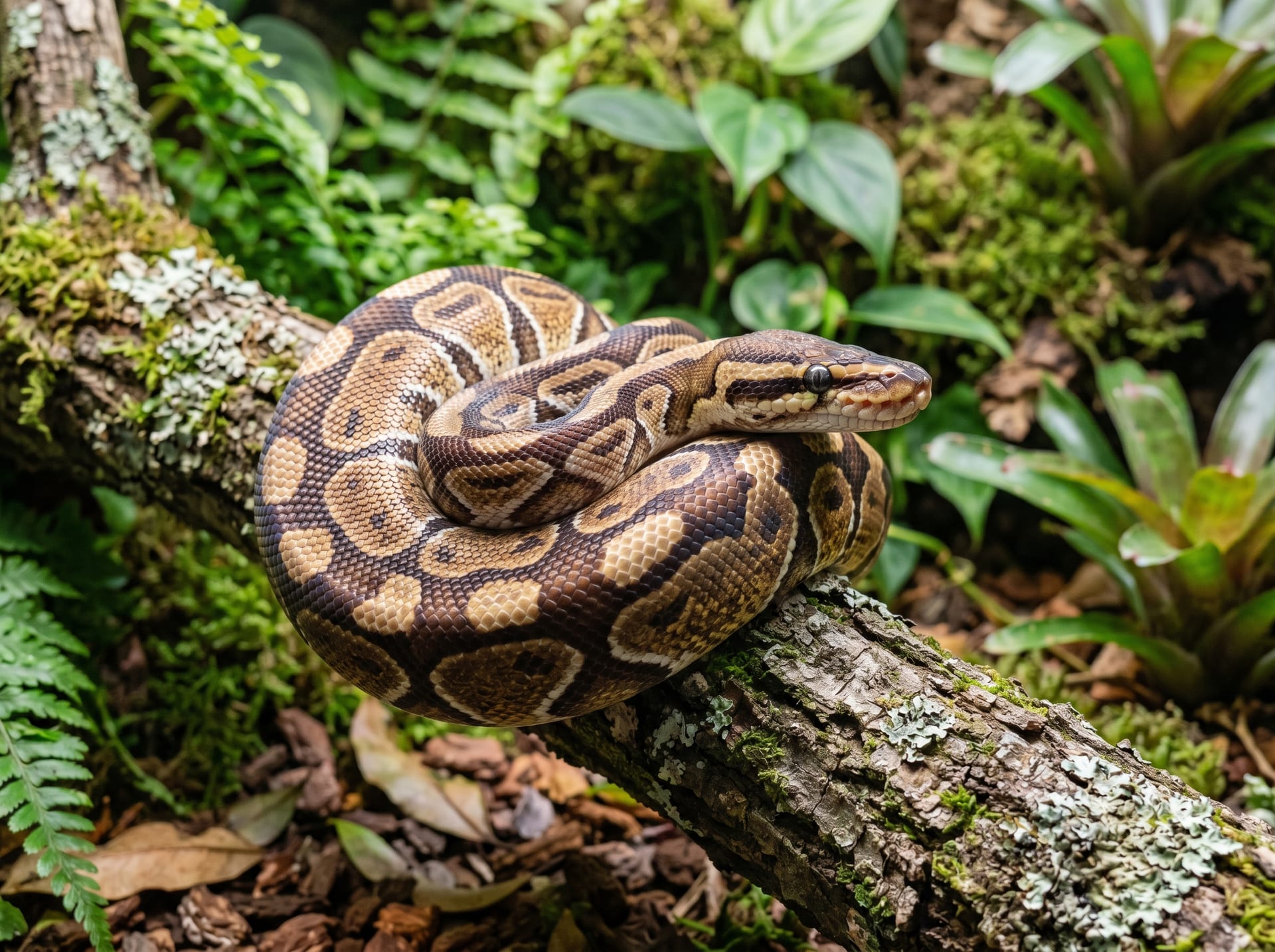
Ball Python — Generally Not Suitable, Though Cohabitation Examples Exist Among Experienced Keepers
Ball pythons are fundamentally recommended for solitary housing. There is a risk of accidental consumption of same-species individuals during feeding (cannibalism).
Species Unsuitable or Dangerous for Multi-Housing
Chameleon: Extremely prone to stress and will fall into chronic stress from simply seeing same-species individuals. Solitary housing is an absolute rule.
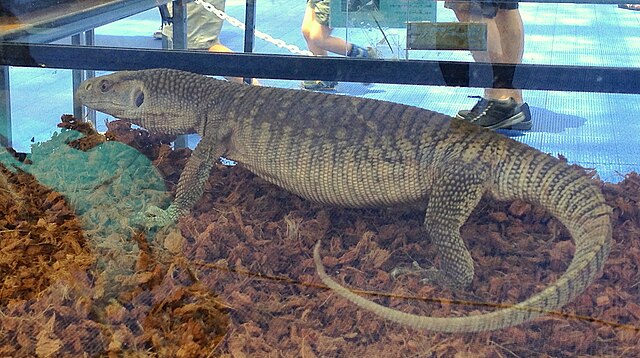
Large monitors such as Asian water monitors and savanna monitors: With high appetites, there is risk of recognizing same-species as food; multi-housing is dangerous.
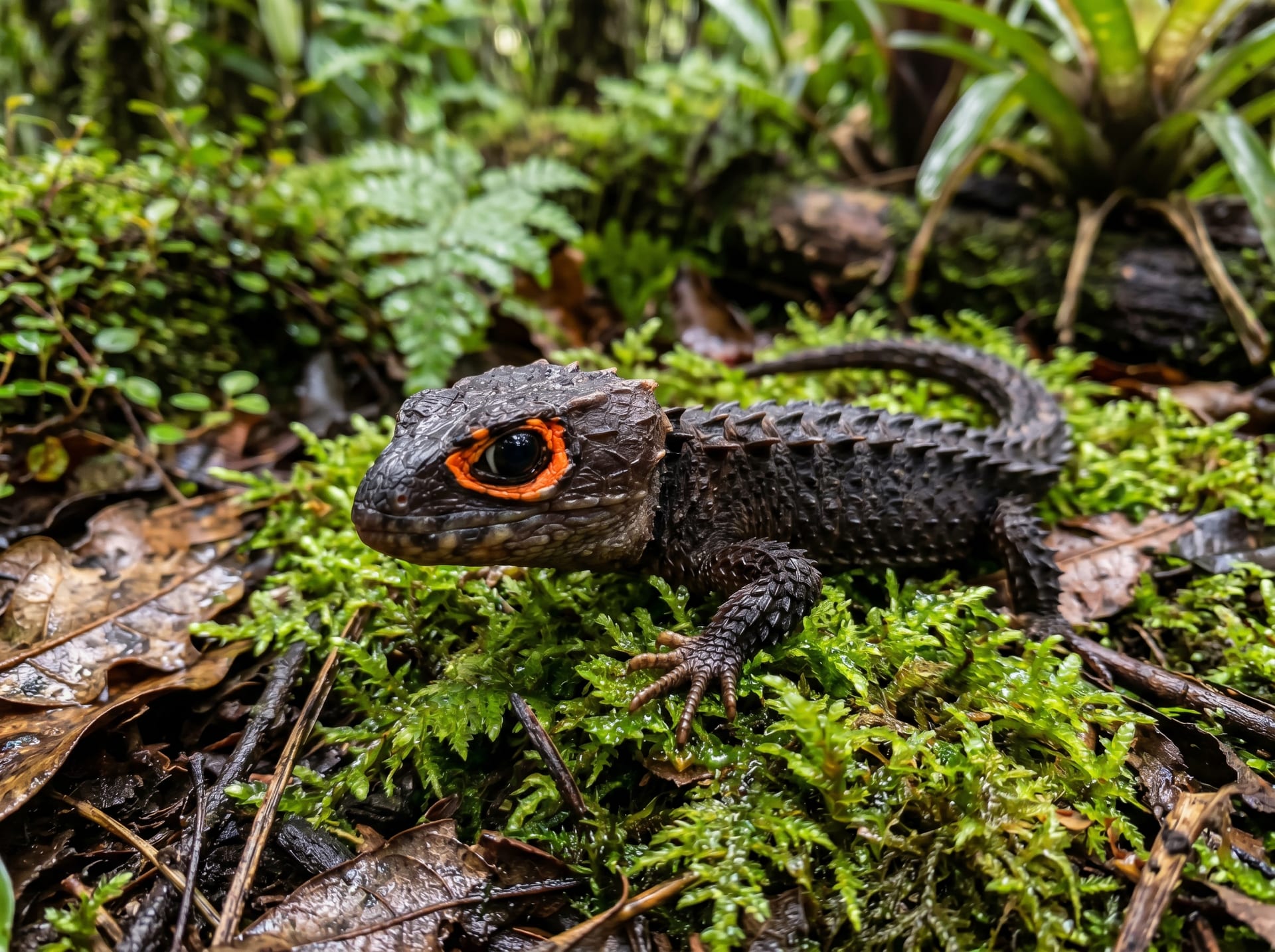
Red-eyed crocodile skinks: Strong territorial awareness makes same-sex cohabitation result in conflict.
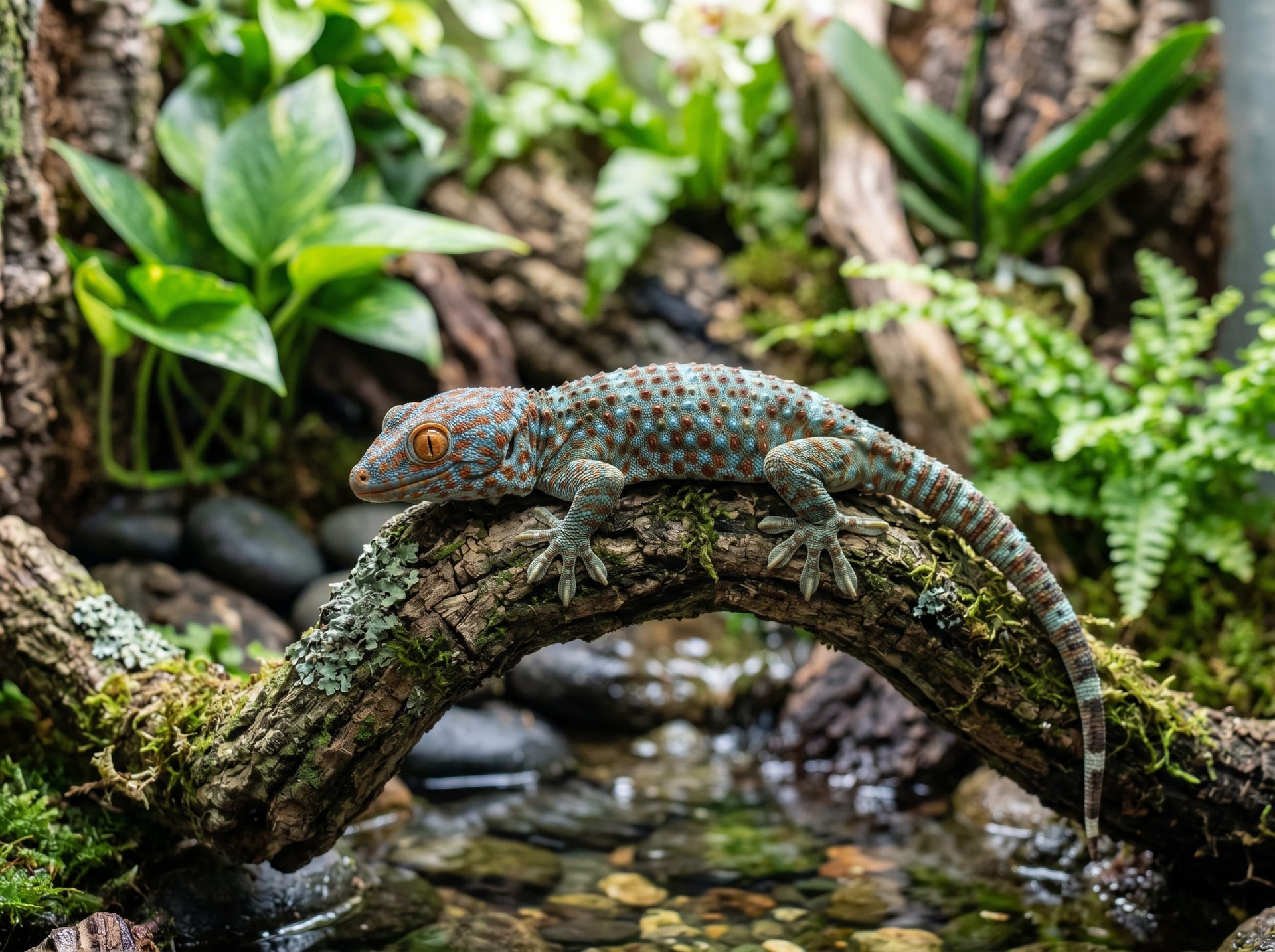
Large geckos such as tokay geckos: High aggression; solitary housing recommended.
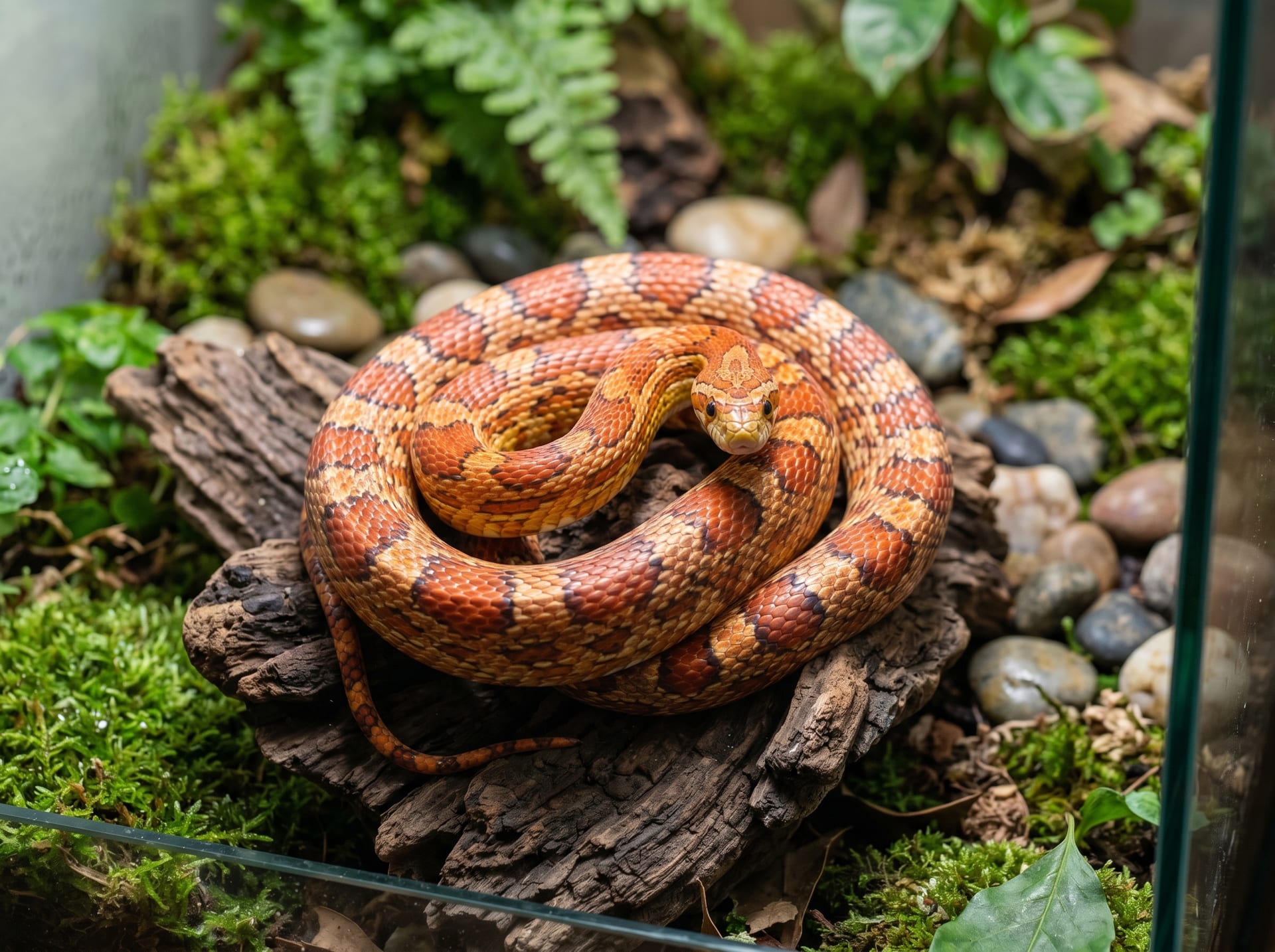
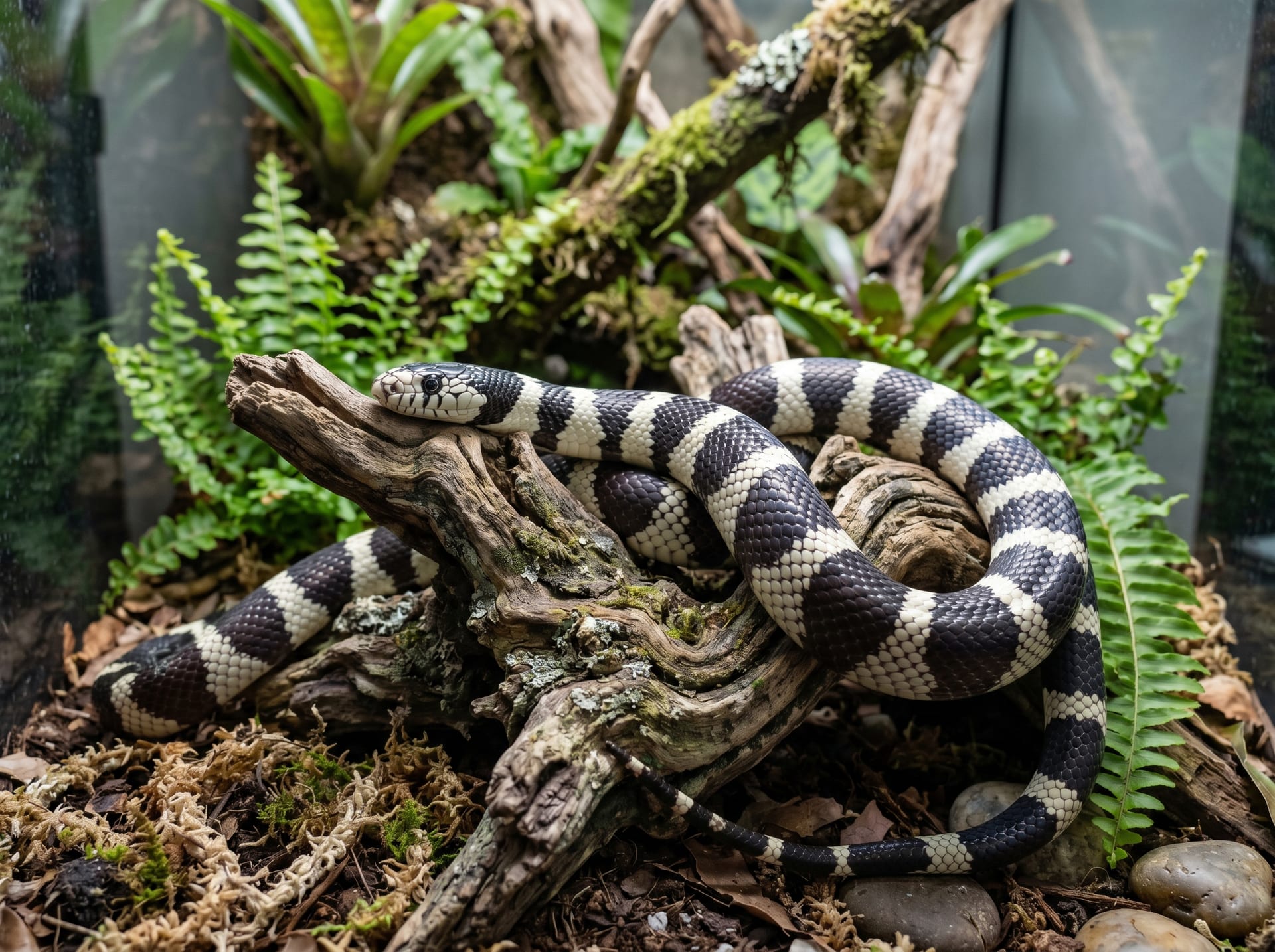
Snakes such as corn snakes and kingsnakes: Fundamentally solitary due to risk of consuming same-species; cohabitation outside breeding is not recommended.
Minimum Rules to Observe in Multi-Housing
1. Securing Adequate Space
Multi-housing requires enough space for each individual to have its own territory. Prepare at minimum 1.5-2 times or more the space needed for solitary housing.
2. Providing Multiple Shelters
With only one shelter, dominant individuals monopolize it and weaker ones are exposed to stress. Provide number of individuals + 1 or more shelters.
3. Always Feed Separately
Feeding during cohabitation carries risks of "individuals missing food," "dominant individuals consuming all," and "misfed/accidental ingestion." During feeding, either separate individuals for feeding or keep constant watch.
4. Individual Management of Weight and Health Status
With multi-housing, it becomes difficult to track each individual's weight changes, food refusal, and skin problems. Make it a habit to record individual weights weekly.
5. Quarantine Period Upon Introduction
When introducing new individuals, always conduct 30-60 days of isolated quarantine to prevent introducing infectious diseases (such as cryptosporidium and adenovirus).
Differences by Same-Sex and Opposite-Sex
Combination
Risk
Notes
Male × Male
Territorial conflict, bites (dangerous in nearly all species)
Generally prohibited
Female × Female
Relatively low risk (species-dependent)
Possible with leos, tortoises, etc.
Male × Female
Frequent mating and stress during breeding season
Separation recommended outside breeding
Different species
Risk of parasites and bacteria cross-species infection
Basically prohibited
Not Missing Stress Signs in Multi-Housing
If you see any of the following signs, separate the individuals immediately.
Appetite loss or food refusal: First sign of stress
Weight loss: Ongoing nutritional deficiency
Decreased activity: Possible suppression by dominant individuals
Skin wounds or missing parts (tail or toe tips): Evidence of bites
Repeated glass-striking: Escape behavior = stress
Refusal to drink: Possibility of water source monopolization
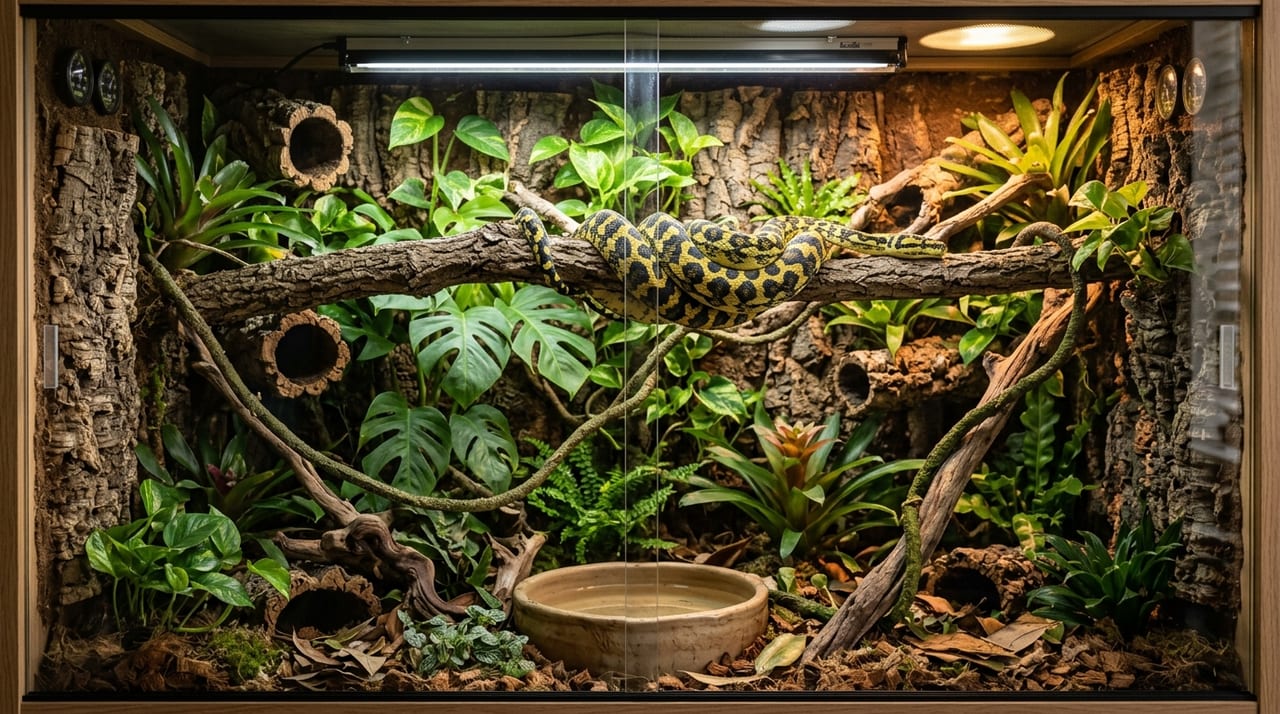
Equipment Example for Successful Multi-Housing (Leopard Gecko, 2 Individuals)
Enclosure: 90×45×45cm or larger (wood or glass)
Shelters: Wet shelter × 2 + Dry shelter × 2
Bedding: Soil, coconut husk, etc. (10cm or deeper)
Hot spot: 2 locations distributed (avoid concentrating in one)
Water dish: 2 locations
Plants/driftwood: Layout that blocks line of sight to make territories "less visible"
Conclusion
The success or failure of reptile multi-housing depends greatly on species, sex, space, and individual compatibility. Prioritize asking whether each animal can live comfortably, and separate them without hesitation if any stress signs appear. Outside of breeding purposes, solitary housing is more often appropriate from an animal welfare perspective. We recommend consulting with breeders and experts while providing appropriate individual management for each animal.