Reptile Handling Basics | How to Acclimate by Species and Precautions
Basic techniques for handling reptiles explained by species. We introduce handling methods, acclimation approaches, and how to identify stress signs for each of lizards, snakes, and turtles.

Key Takeaways
Basic techniques for handling reptiles explained by species. We introduce handling methods, acclimation approaches, and how to identify stress signs for each of lizards, snakes, and turtles.
Related Species
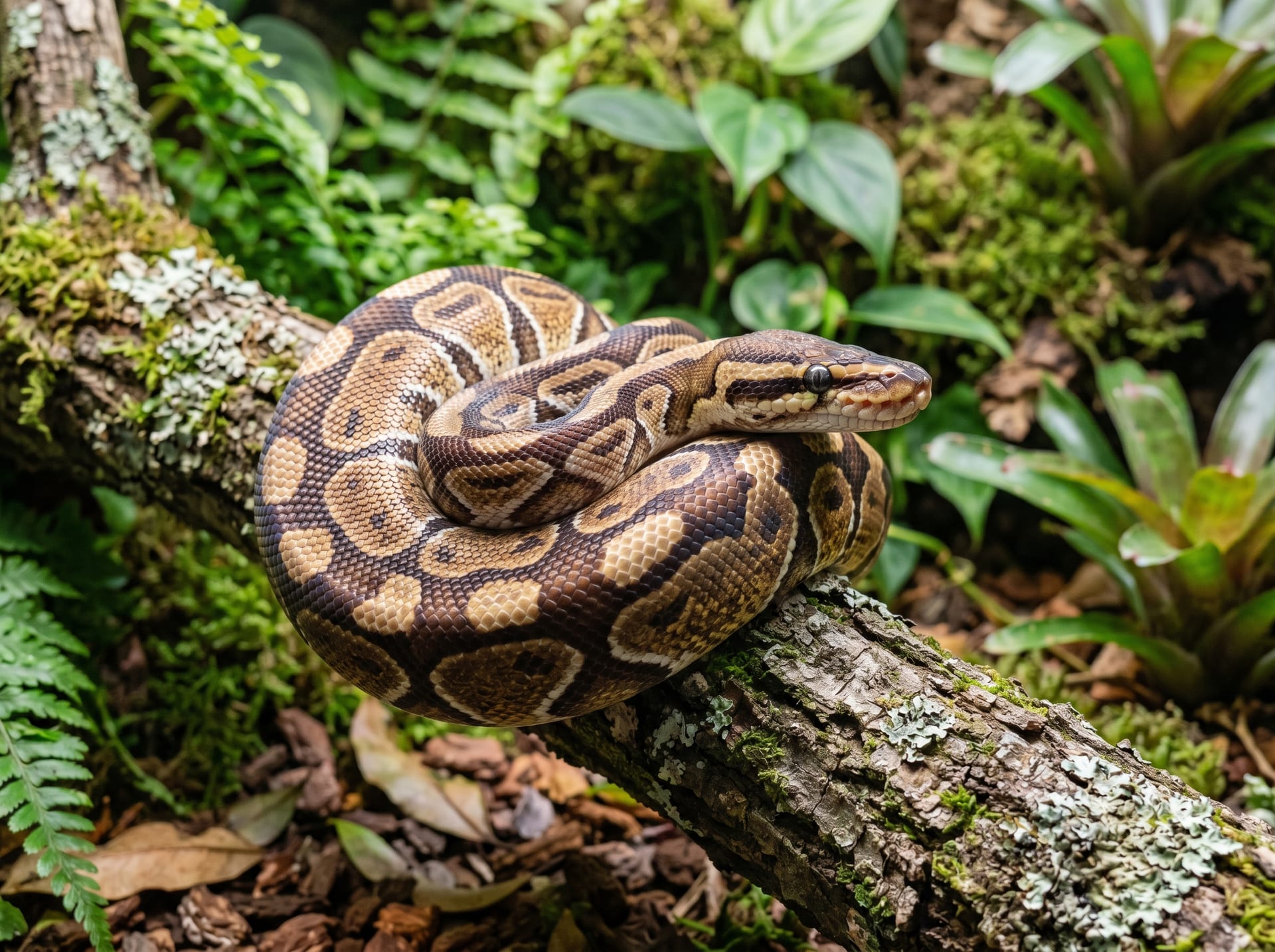
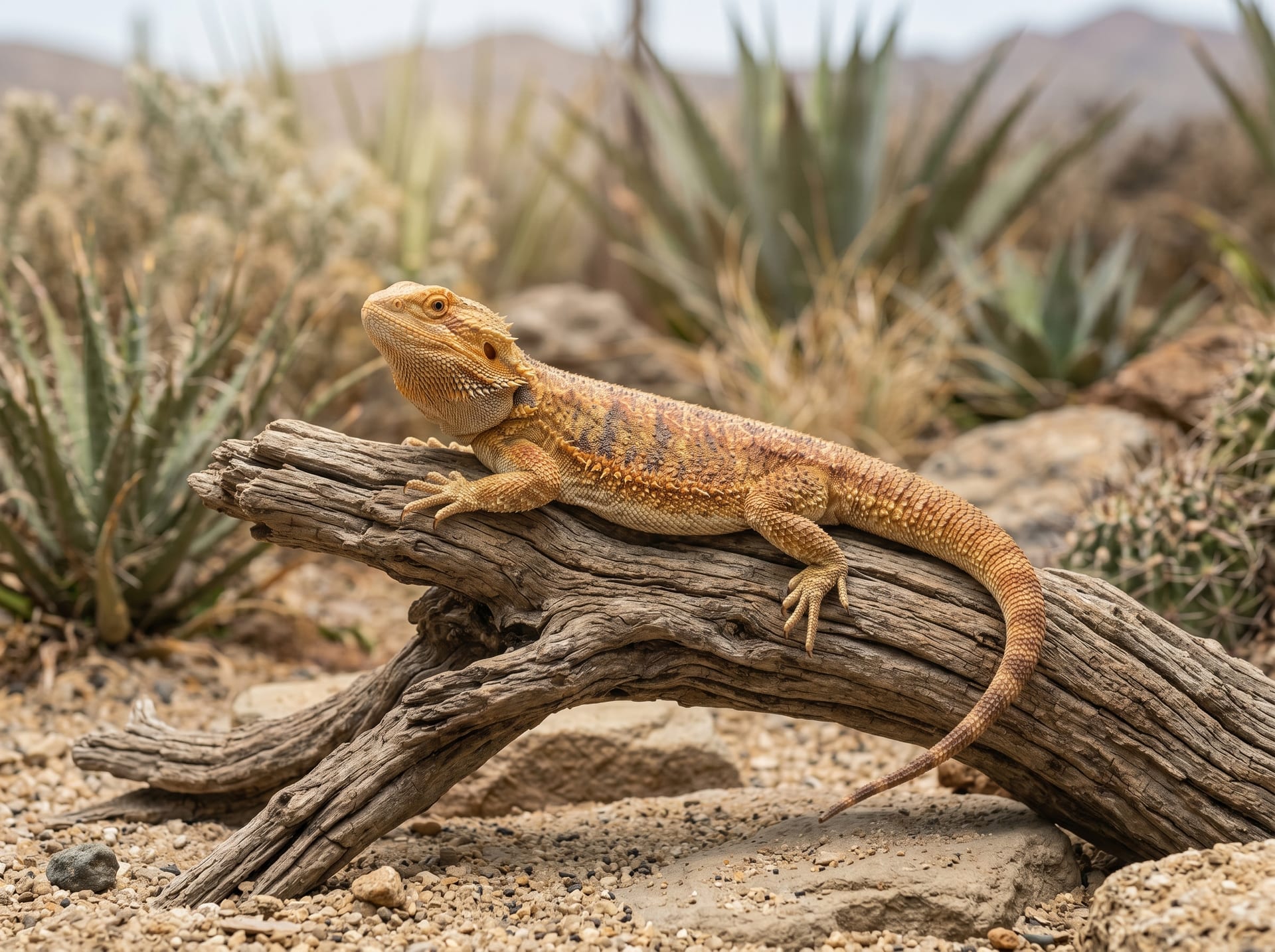
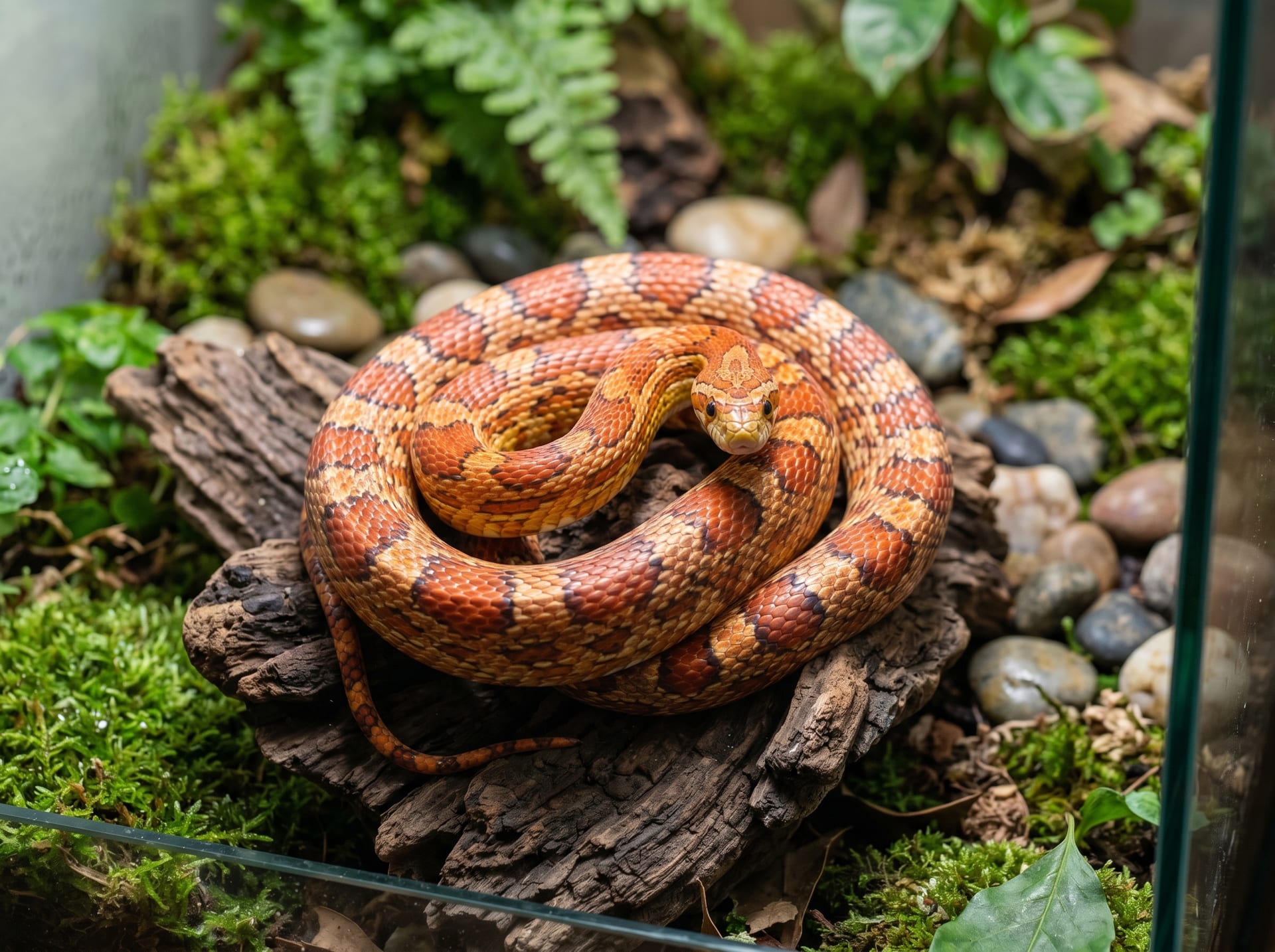
Handling reptiles (touching and interacting with them by hand) is one of the pleasures of keeping them and is also a necessary technique for health checks and enclosure cleaning. However, unlike dogs and cats, reptiles do not seek out interaction, so they need to be gradually acclimated using appropriate methods. This article explains species-specific handling methods and how to recognize stress signals.
Basic Principles of Handling
Do not handle immediately after introduction: Do not touch them for at least one week, preferably two weeks, until they are accustomed to their new environment. Stressing them during this period can cause them to stop eating or become aggressive.
Start with short sessions: Begin handling with just 1–2 minutes and gradually increase the duration. Keep each session to a maximum of 10–15 minutes and avoid handling multiple times a day.
Avoid handling right after feeding: Handling immediately after feeding can cause regurgitation. It is safest to wait 48 hours after feeding before touching.
Refrain from handling before shedding: Reptiles before shedding have poor vision and become more nervous than usual. If their body color becomes cloudy, avoid handling them.
Handling Lizards
Leopard Gecko: One of the reptiles most easily accustomed to handling. Place it on the palm of your hand and use your other hand to block its escape route. Never grab the tail, as they will autotomize (detach their tails as a defense reaction).
Bearded Dragon: A species that becomes relatively comfortable with people. Insert your hand from below the body and lift it up while supporting the abdomen. Because they may mistake a hand coming from above for a predator (bird), always approach from the side or below. Acclimated individuals may even relax on your shoulder or lap.
Chameleon: Most species are not well-suited to handling. If you do handle one, hold your palm out in front and wait for the chameleon to climb on of its own accord. Grabbing them roughly can cause stress-induced color changes to black and can compromise their condition.
Handling Snakes
Corn Snake and Ball Python: The basic principle of snake handling is to "support." Gently cradle the middle of the body and support it in a U-shape with both hands. Do not press or squeeze the head.
Before handling: Snakes have a keen sense of smell, so if you handle them with hands that have touched mice or other prey, they may bite thinking your hand is food. Always wash your hands before handling.
Ball Python balling behavior: When frightened, ball pythons curl into a ball. If this happens, do not try to uncurl them; simply wait quietly with them resting on your hand.
Handling Turtles
Terrestrial Turtle: Hold firmly on both sides of the shell. Since they are startled by being picked up abruptly from the ground, lift them slowly while talking to them. If their legs are thrashing, it is a sign of fear. Some species retract their limbs, but do not try to force them out.
Aquatic Turtle: Since they are slippery, be careful of drops. Avoid holding them by the rear of the shell, as they may defecate; hold more toward the front instead. For aggressive species like snapping turtles, avoid bare-handed handling.
Recognizing Stress Signals
Reptiles cannot vocalize their stress even when experiencing it. Be sure not to miss the following signs.
Gaping: A common defensive behavior in bearded dragons and snakes; return them to their enclosure immediately. Color changes: Chameleons and some lizards darken in color when stressed. Thrashing violently: If they thrash trying to escape, do not hold them; return them to the enclosure. Tail thrashing: Rapid tail thrashing in snakes is a warning before an attack. Defecation: They may release feces out of fear. This is also a sign of stress.
Handling Frequency and Duration
Recommended frequency and duration by species: leopard gecko (3–5 times a week, 5–10 minutes), bearded dragon (daily if desired, 10–15 minutes), corn snake (2–3 times a week, 10–15 minutes), ball python (1–2 times a week, about 10 minutes), chameleon (minimal, just a few minutes). Adjust based on each individual's temperament and how they respond.
Summary of Actions to Avoid
Here is a summary of dangerous behaviors that people often do without realizing.
- Grabbing and lifting by the tail: Geckos may autotomize; other species risk dislocation or fractures
- Gripping the neck or body tightly: This can lead to suffocation or internal organ damage
- Holding at height: The impact of a fall is greater if you drop them from a high position. Keep handling close to the ground
- Forcing them to stay on your hand: Accumulated stress can lead to anorexia and immune suppression
- Multiple people touching at once: Unfamiliar individuals find this stimulus too strong
Simply avoiding these can prevent many handling-related problems.
Finding Reptiles Accustomed to People on BreederDirect
On BreederDirect, you can purchase reptiles directly from breeders that have been raised accustomed to human hands. Being able to ask breeders about their handling experience and tips is a unique advantage of direct purchase. Individuals accustomed to people experience less stress after acquisition and reach the point where they can enjoy handling much sooner.
Dealing with Individuals That Resist Handling
Not all reptiles accept handling. In particular, arboreal species like chameleons and tree monitors tend to be easily stressed. If they show signs of resistance, forcing the issue is not advisable; switching to observation-based keeping is also an option.