Reptile Multi-Pet Care & Cohabitation Guide | Compatibility & Precautions
Explains compatible pairings, absolute no-nos, the importance of cage separation, and breeding season management.
Key Takeaways
Explains compatible pairings, absolute no-nos, the importance of cage separation, and breeding season management.
Related Species
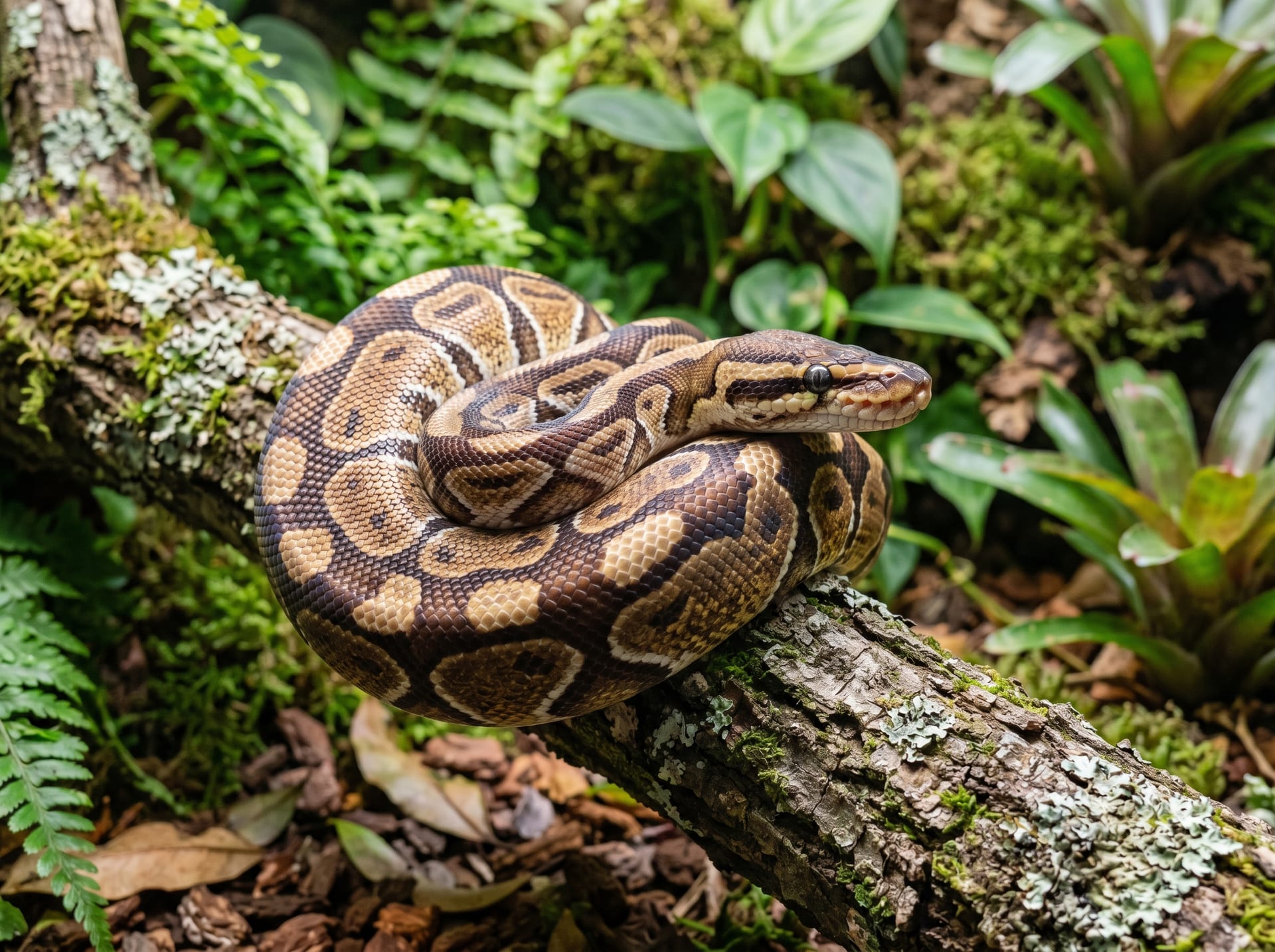
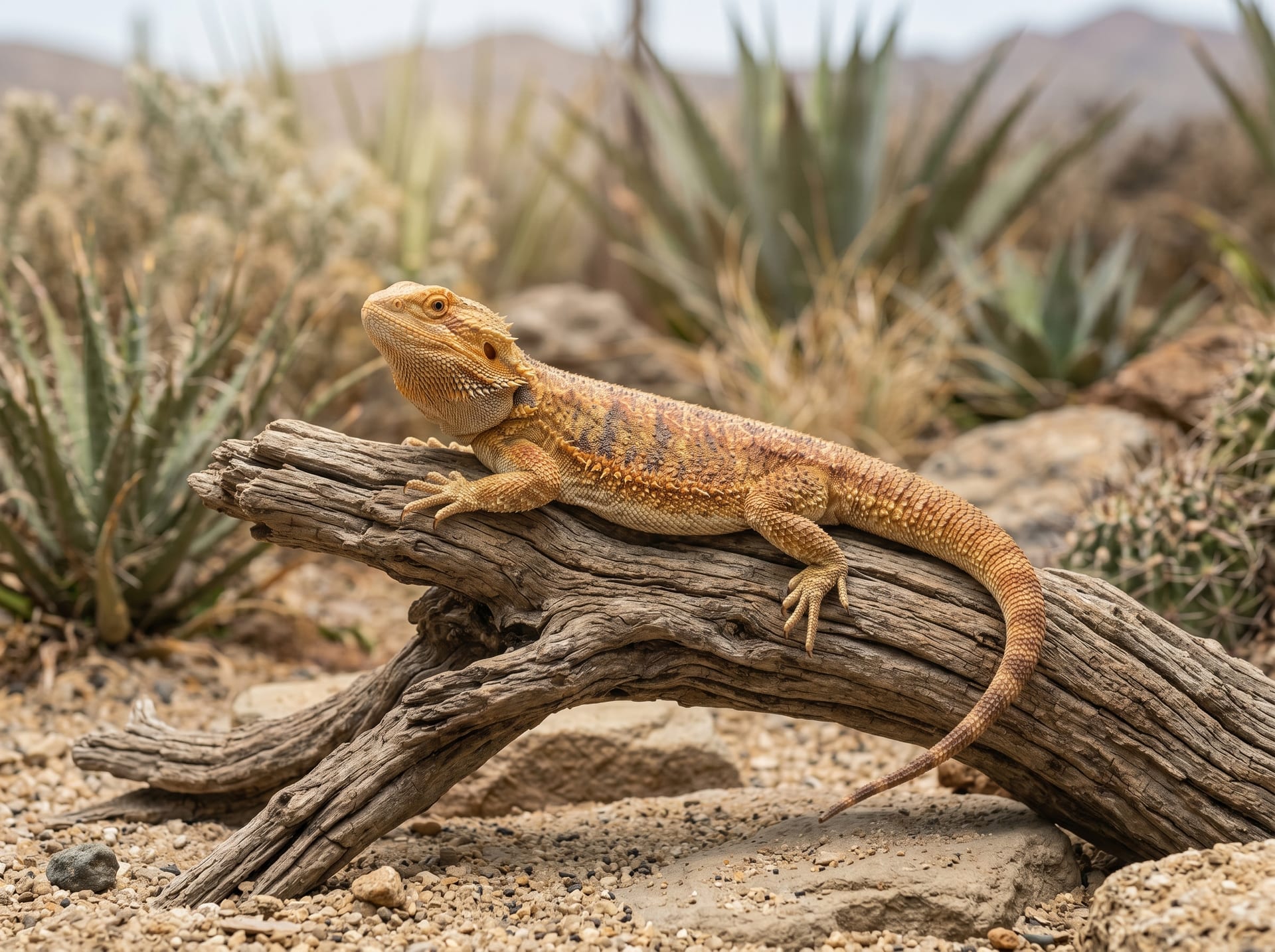
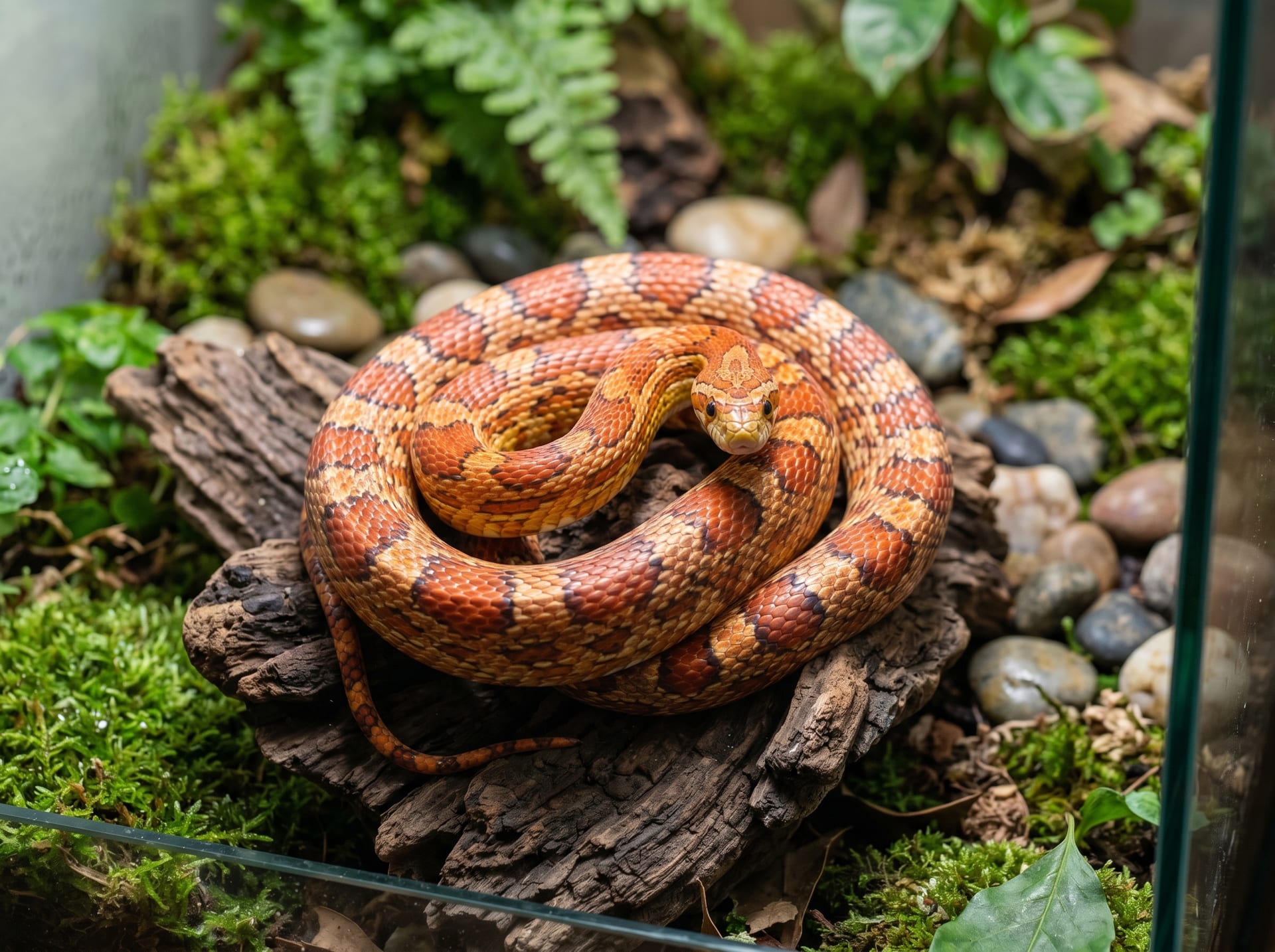
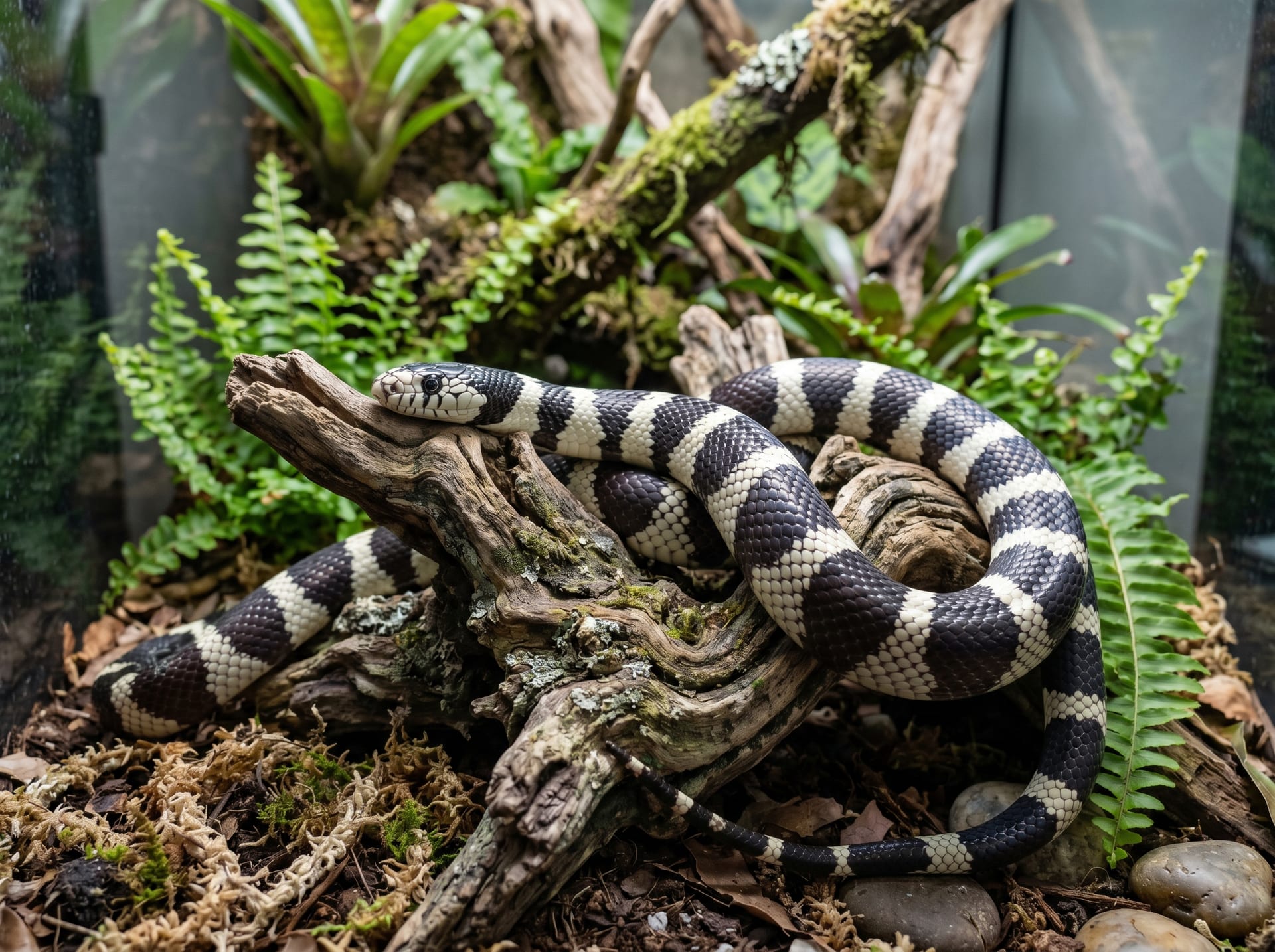
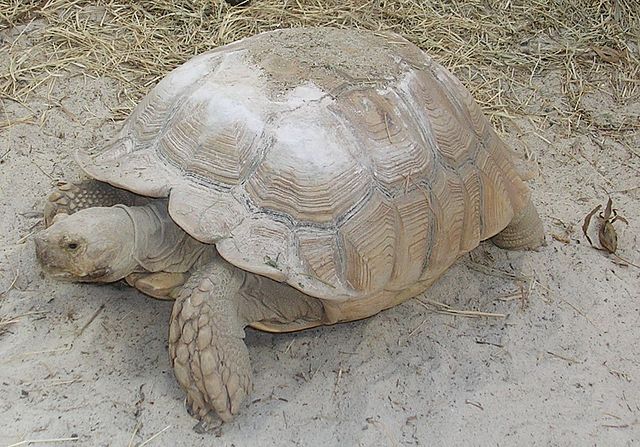
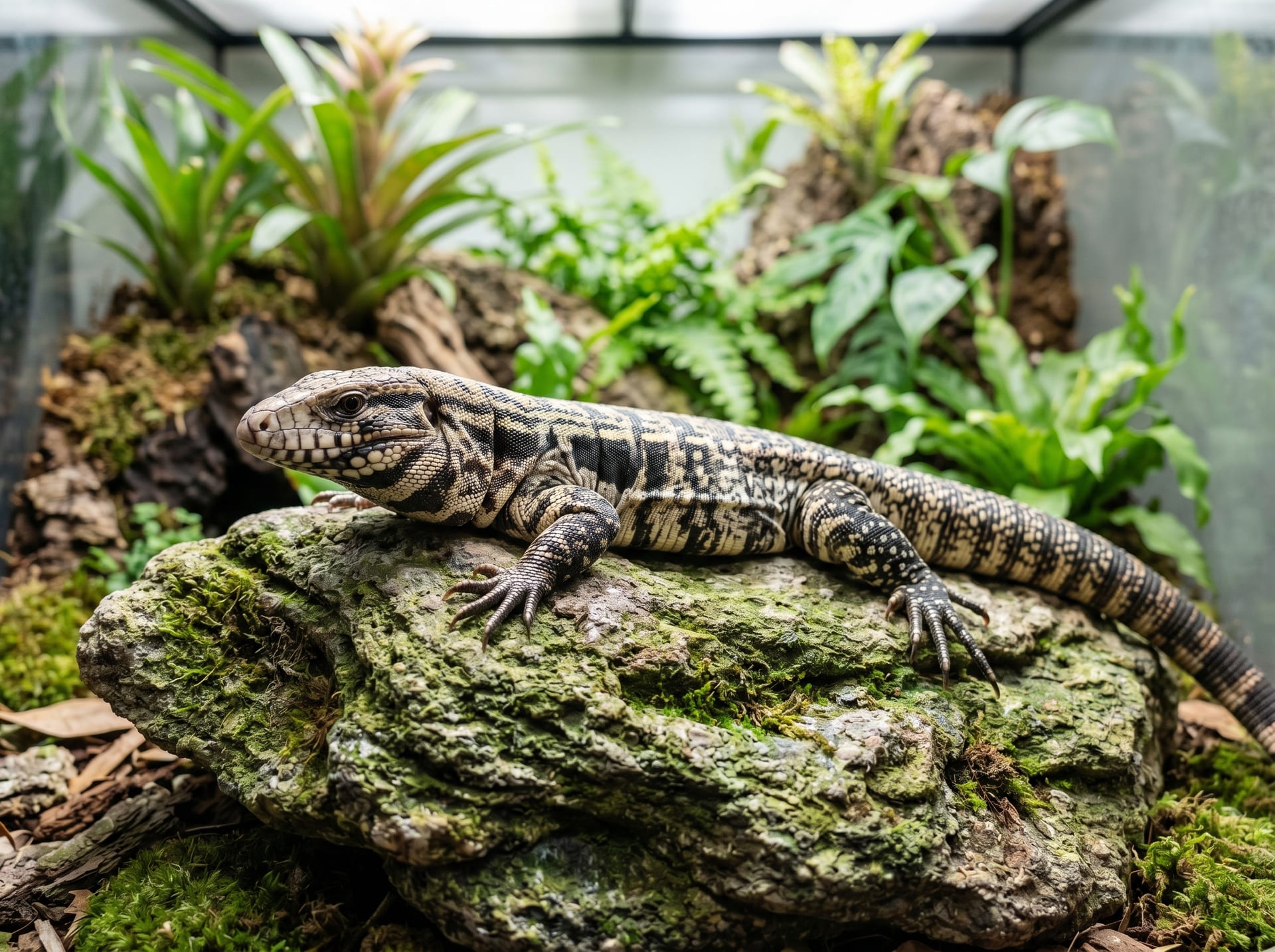
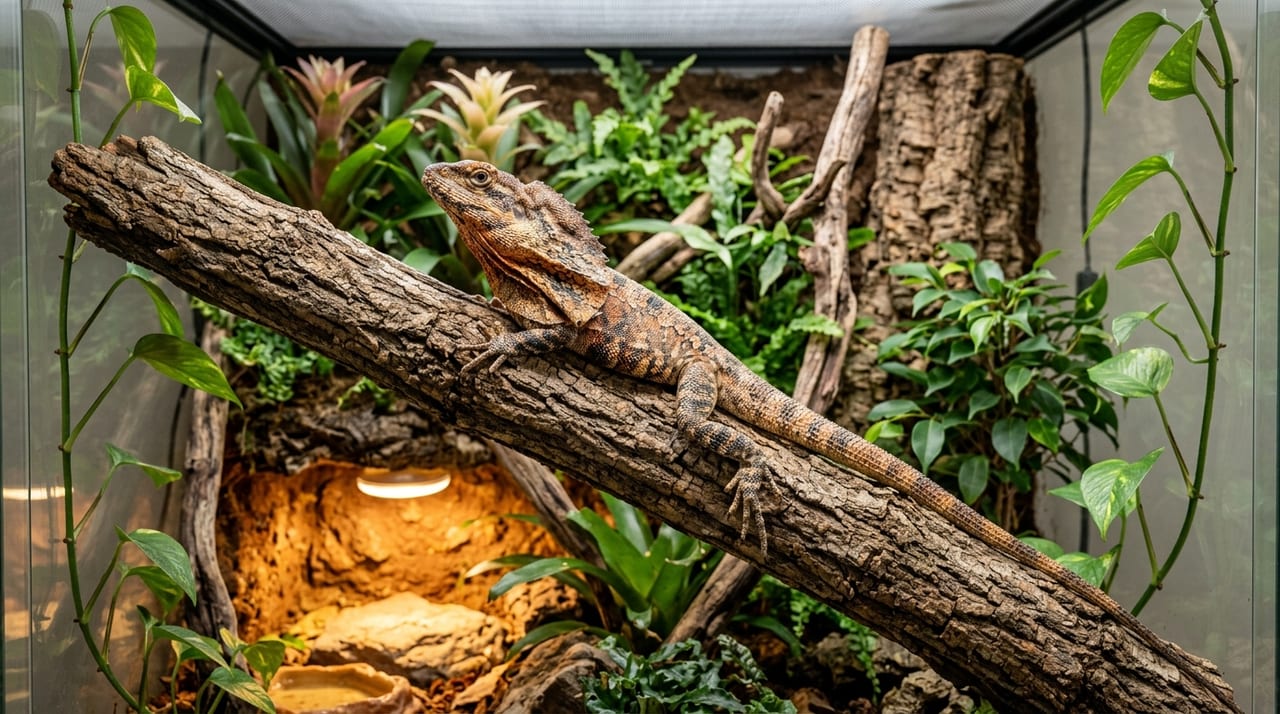
When keeping reptiles, it's natural to want to welcome new species. However, unlike dogs or cats, it's not easy to simply keep multiple individuals in the same space. Most reptiles are solitary animals, and inappropriate cohabitation can lead to serious stress or fatal accidents. In this article, we'll systematically explain the knowledge needed to safely enjoy keeping multiple reptiles.
Basic Principles of Reptile Cohabitation
Before considering cohabitation for reptiles, it's important to understand several basic principles. Let's grasp the unique characteristics of reptiles that differ from mammals.
- Single housing as the default: Most reptiles are solitary animals, and even with the same species, cohabitation often becomes stressful. Housing them together "because they seem lonely" is strictly prohibited
- Territorial awareness: Many lizards and snakes have strong territorial instincts. Cohabitation in limited cage space becomes even more stressful than in the wild
- Risks of size differences: Cohabitation between individuals with size differences poses predation risks. Snakes can swallow prey larger than their own head, and may recognize cage mates as food
- Resource competition: Conflicts arise over limited resources such as basking spots, shelters, and water areas. A situation easily develops where one individual monopolizes resources and the other experiences chronic stress
- Disease transmission: In cohabitation, if one individual contracts an infectious disease, it quickly spreads to the other. Always establish a quarantine period when bringing in a new individual
Reptile Cohabitation Compatibility Chart
| Pairing | Compatible | Notes |
|---|---|---|
| Bearded Dragon females | △ | 120cm+ tank and distributed resources acceptable |
| Leopard Gecko females | △ | Match body size, multiple shelters, individual feeding |
| Tortoise (same species, females) | △ | Spacious enclosure, some males are aggressive |
| Aquatic Turtles (same species) | △ | Watch for bite injuries during feeding |
| Green Anole (1 male, multiple females) | △ | Males together prohibited |
| Snakes together | × | Predation/refusal to eat. Generally all prohibited |
| Males together (most species) | × | Intense fighting, potentially fatal wounds |
| Different species/large size differences | × | Environmental differences, predation risk |
Pairings Where Cohabitation is Relatively Possible
Not all cohabitation is prohibited. The following are combinations that tend to be relatively successful, but there are still many precautions to consider.
- Female Bearded Dragons: If the enclosure is sufficiently large (120cm or more), cohabitation between females can sometimes succeed. The condition is to install multiple basking spots and shelters to distribute resources
- Female Leopard Geckos: Cohabitation is often possible among females. However, select individuals with minimal size differences and provide more shelters than the number of individuals. Individual feeding is desirable to avoid food competition
- Tortoises: If adequate space is available, cohabitation between females of the same species is relatively problem-free. However, some species like male Sulcata tortoises can become aggressive
- Aquatic Turtles: Same-species cohabitation may be possible with sufficient water volume and surface area. However, watch for bite injuries during feeding. Cases of limbs and tails being bitten are frequent
- Green Anoles: A 1-male-multiple-female setup is relatively easy to keep together. However, males fight fiercely with each other, so this must be absolutely avoided
Absolutely Prohibited Pairings to Avoid
The following combinations carry an extremely high risk of fatal accidents or death from stress-related weakening. They must absolutely never be housed together.
- Snake-to-snake cohabitation: King snakes prey on other snakes. Additionally, even Ball Pythons or Corn Snakes housed together often experience refusal to eat due to stress. In principle, all snake cohabitation is prohibited
- Different species together: Cohabitation of species with different habitats, such as Bearded Dragons and Leopard Geckos, makes temperature and humidity management impossible. There is also predation risk due to size differences
- Males together: In nearly all reptiles, males fight intensely with each other. Male Bearded Dragons may inflict fatal wounds on each other, and male Leopard Geckos frequently experience tail autotomy and bite wounds
- Carnivorous species and small species: Cohabitation of carnivorous species such as monitors, tegus, and large snakes with small species directly leads to predation accidents
- Same-day introduction of new individuals: It is strictly prohibited to house new arrivals with existing individuals immediately. Always establish a minimum 30-day quarantine period and confirm health status before introduction
Cage Separation and Enclosure Space Management
The foundation of multi-animal keeping is managing each individual in separate enclosures. Here are tips for efficiently managing multiple enclosures.
- Using rack systems: Reptile racks (multi-tier shelving) allow multiple enclosures to be stored in limited space. Ideal for multi-animal keeping of Leopard Geckos and Corn Snakes
- Centralized temperature management: When managing in the same room, it's efficient to maintain base room temperature with air conditioning and supplement each enclosure with individual heaters. Utilize heat panels and under-tank heaters
- Hygiene management rules: To prevent disease spread, use separate tools for cleaning each enclosure. Practice thorough hand washing and disinfection between individuals. Parasites like Cryptosporidium are particularly contagious
- Cage placement considerations: Placement where individuals can see each other can cause stress. Males of the same species especially may display threatening behavior just from seeing each other. It's good to place barriers between enclosures
- Feeding management: Keep feeding records for each individual and don't miss changes in appetite. In multi-animal keeping, individual tracking can be easily neglected, so manage with names or labels
Breeding Season Management and Precautions
In multi-animal keeping, breeding season management becomes a critical issue. Understanding breeding-season-specific behaviors and countermeasures is important to prevent unintended breeding.
- Behavioral changes during breeding season: Males become more aggressive during breeding season. Male Bearded Dragons puff up their black beard to threaten, and male Leopard Geckos wag their tail in excitement
- Preventing unintended breeding: If males and females are kept in the same room, they will be stimulated by pheromones during breeding season. Unless breeding is planned, males and females should be kept in separate rooms
- Care for gravid females: If a female is gravid (carrying eggs), a laying box must be provided. Without a suitable laying environment, egg binding can occur, which is life-threatening. Keep a laying box filled with moistened vermiculite readily available
- Post-breeding separation: After successful mating, promptly separate males and females. Ensure adequate nutrition for females to recover strength before the next breeding cycle
- Handling unfertilized eggs: Some species like Leopard Geckos lay unfertilized eggs even without males present. Be careful not to miss signs of egg-laying
Monitoring for Successful Cohabitation
When attempting cohabitation, careful observation determines success or failure. Check the following points daily.
- Weight monitoring: Measure weight weekly. If one individual's weight is decreasing, stress or food theft is suspected
- Behavioral observation: Signs of stress include one individual constantly hiding in a shelter or being unable to approach basking spots. These indicate a fixed dominance hierarchy
- Injury checks: Regularly inspect for missing tails or toes and skin wounds. Even small bite wounds carry infection risk
- Separation decision: If stress signs appear, promptly switch to individual housing. Waiting to observe further often results in being too late. If appetite and activity recover after separation, this is proof that cohabitation was stressful
Consult with BreederDirect Breeders
At BreederDirect, you can purchase reptiles directly from trusted breeders. When considering multi-animal keeping, breeders can provide accurate advice based on their breeding experience about compatibility and whether cohabitation is suitable. Before bringing home a new individual, it's recommended to consult with them about your current setup.