Medaka Encyclopedia — 87 Species Directory
Encyclopedia of popular medaka varieties with traits, care guides, and pricing.
Featured Medaka
Showing 87 of 87 species(1–24)
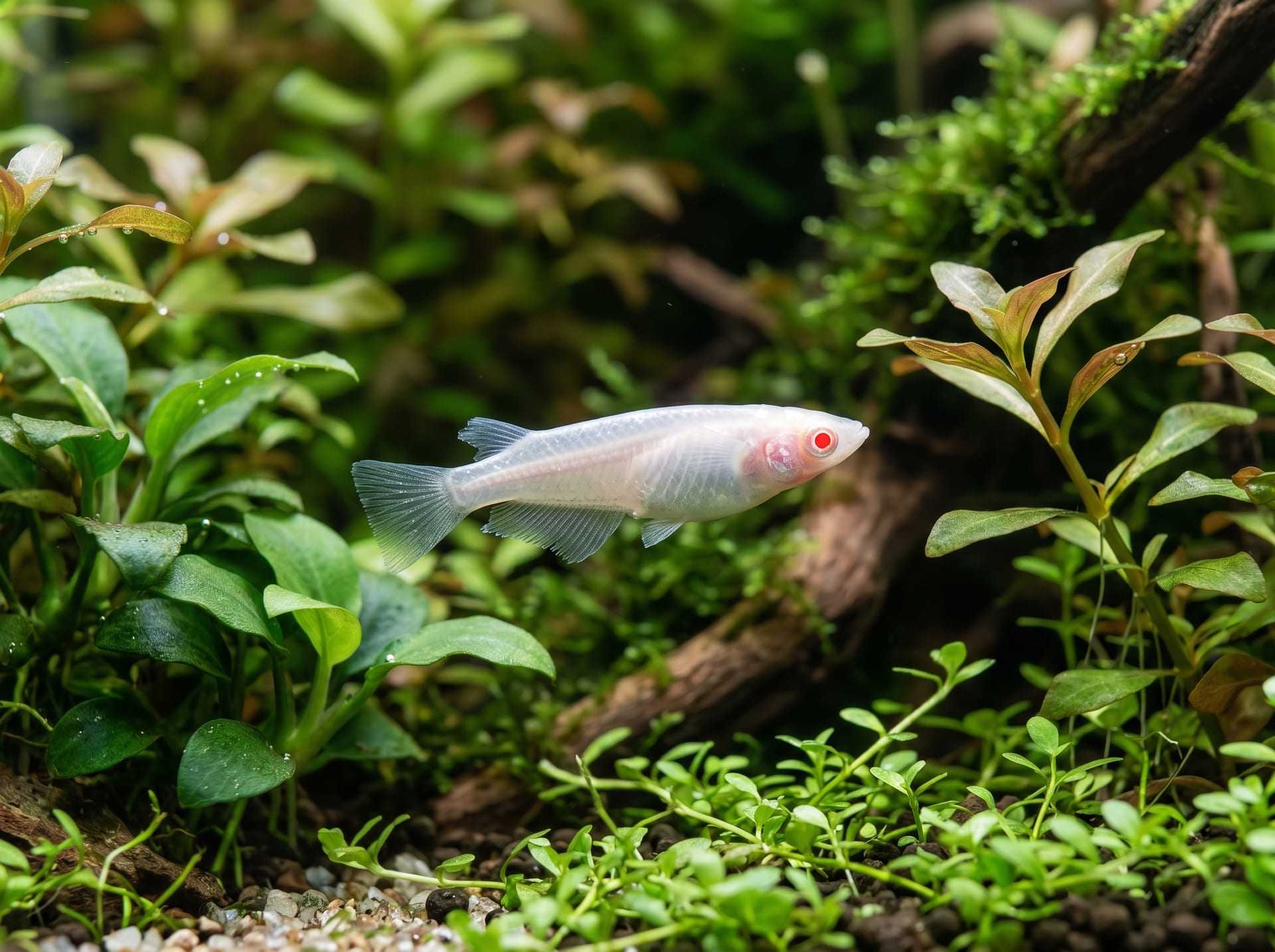
Albino Medaka
Albino individuals lacking melanin pigment. Characterized by red eyes and white body with a mystical atmosphere.
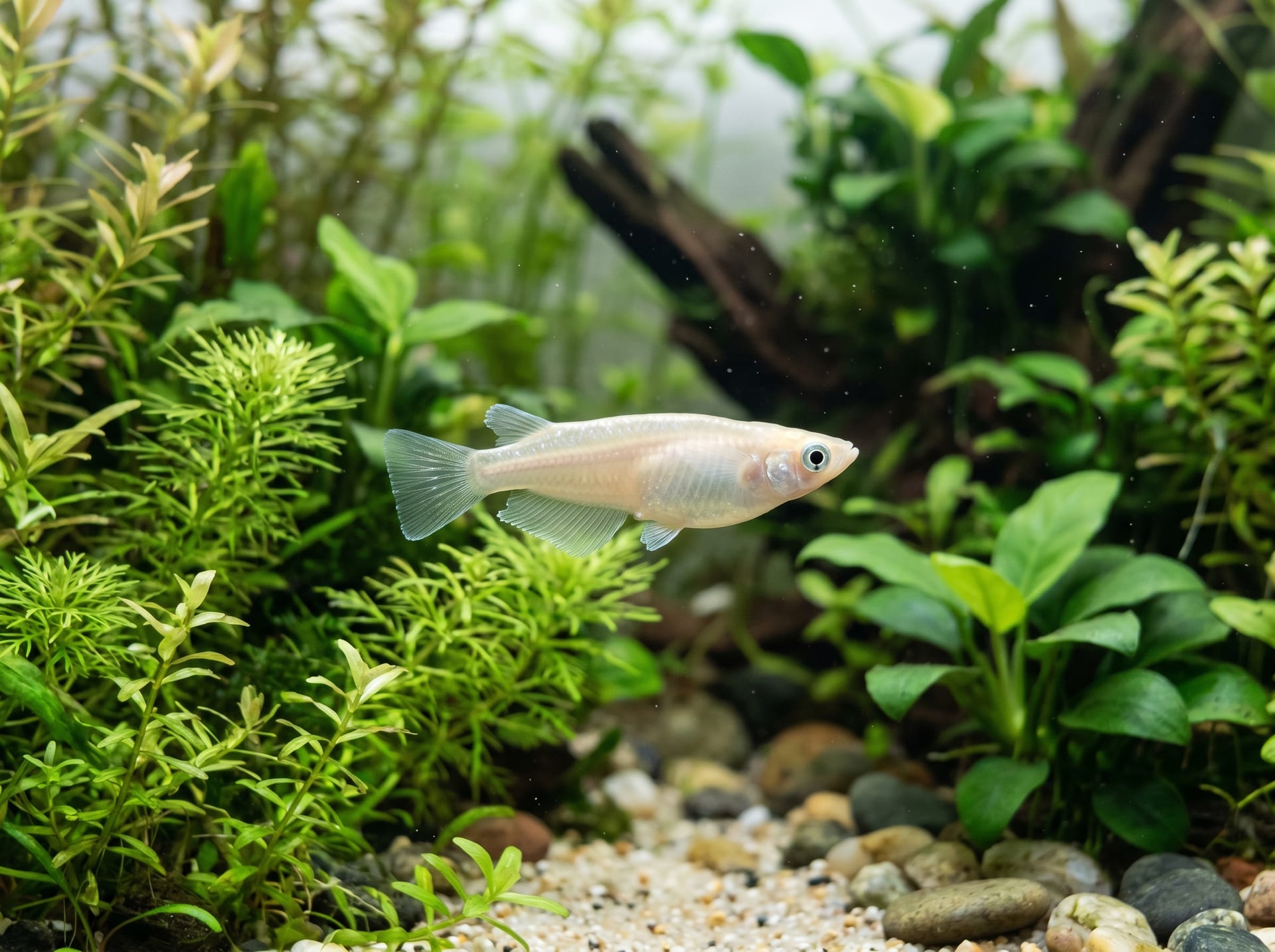
Angel Medaka
A pure white medaka with elongated fins like angel wings. Swallow-fin type white medaka.
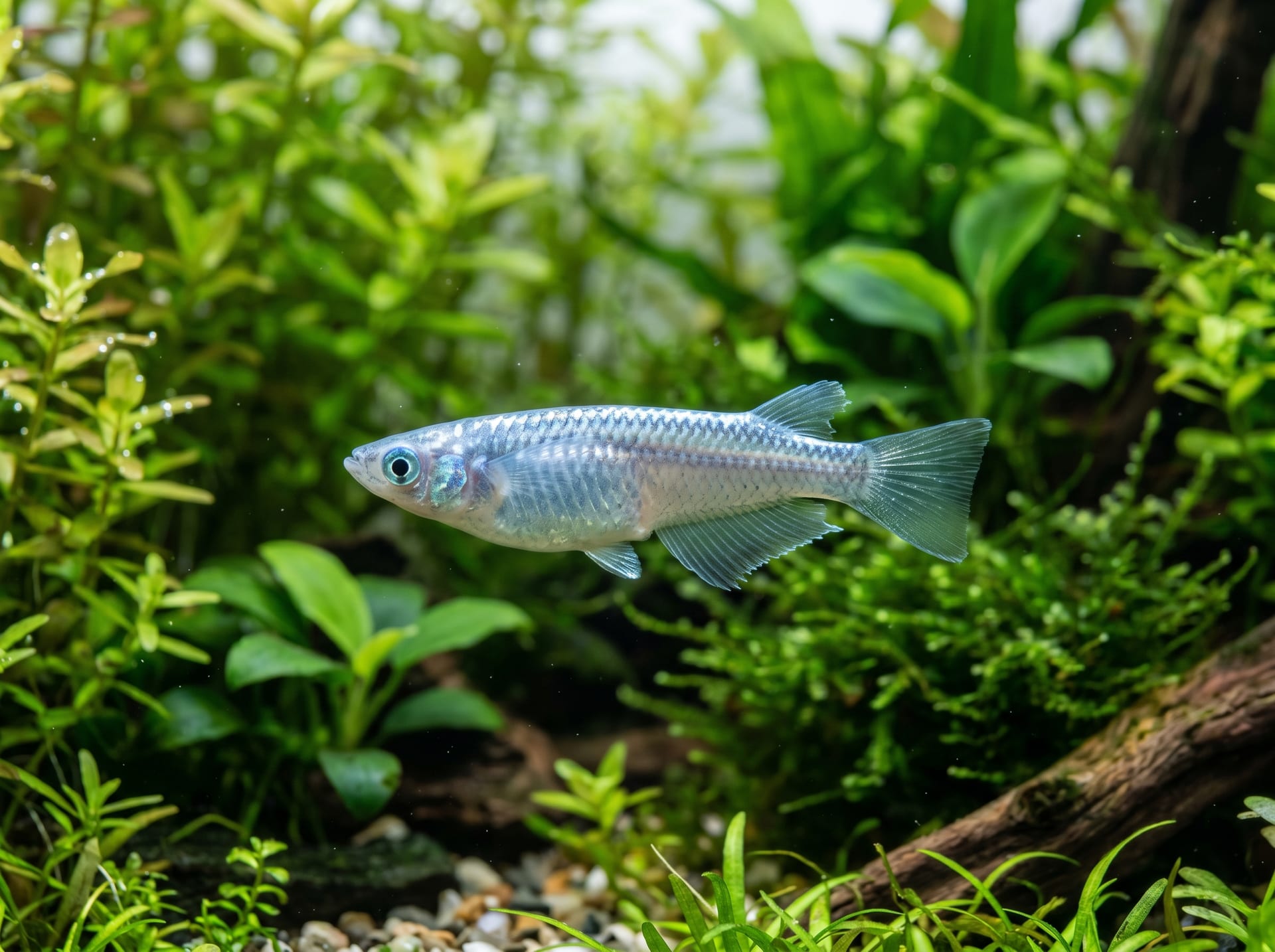
Ao Hikari Medaka
Oryzias latipes var.
Blue body color combined with hikari body type. Bluish body with silvery-blue external light creates cool and fantastical beauty. Especially beautiful in outdoor sunlight.
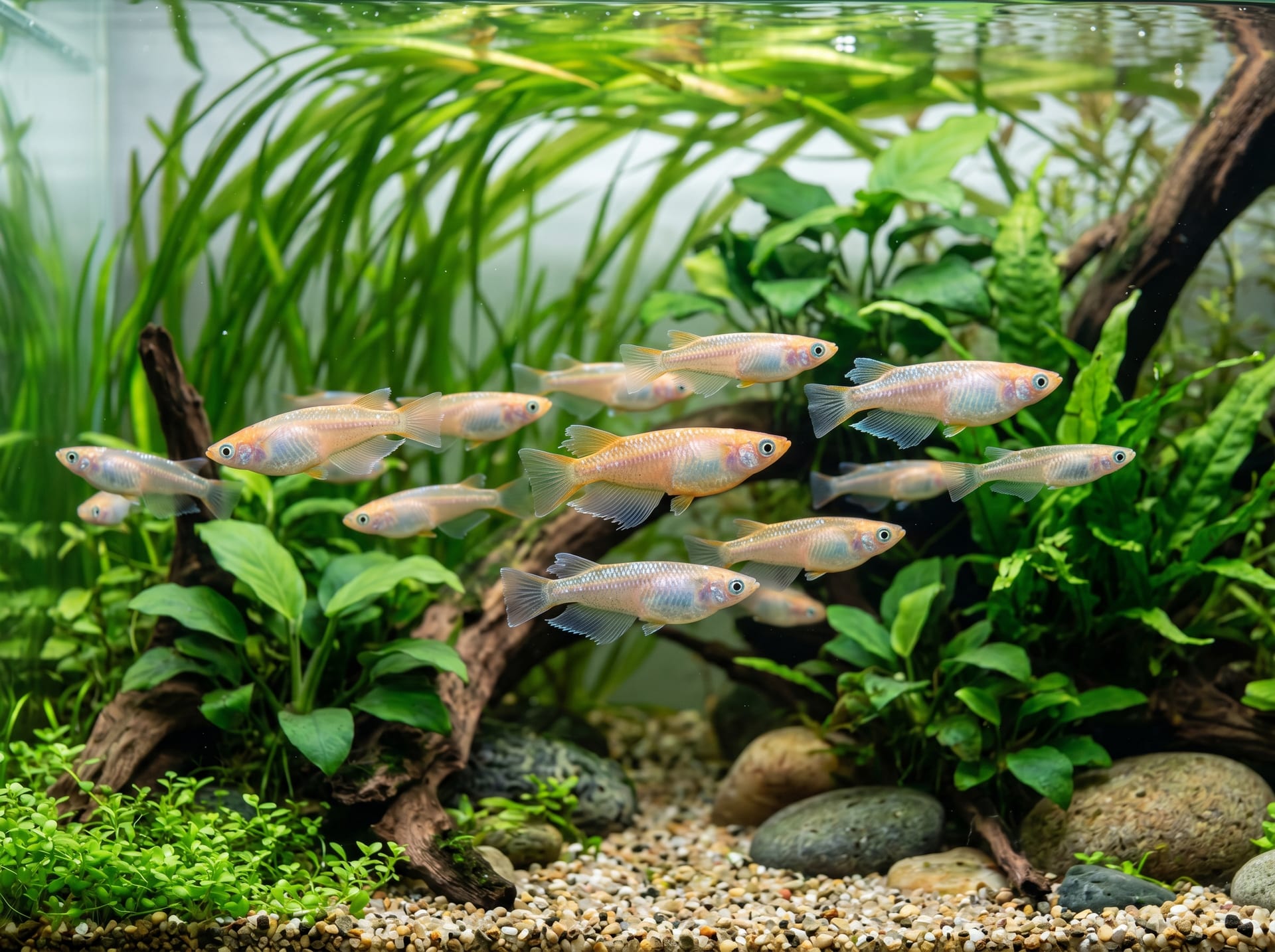
Aurora
Oryzias latipes var.
Medaka variety displaying iridescent coloration resembling auroras. Body sides exhibit complex, light-reflective hues creating stunning visual appeal. Popular cultivar with slightly elevated husbandry complexity versus basic colors.
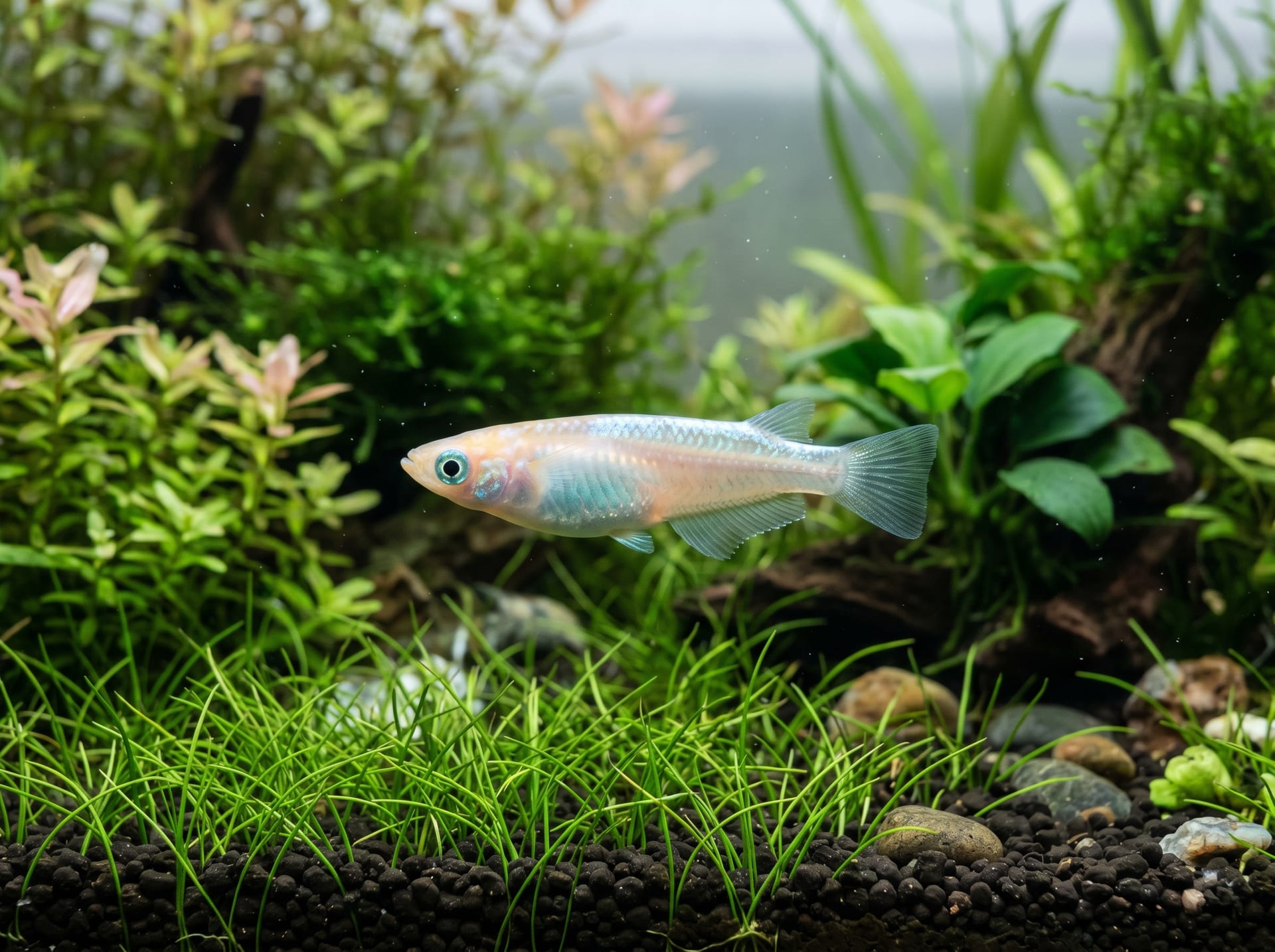
Aurora Medaka
A fantastic medaka with semi-transparent scales and rainbow sheen. Aurora effect changes colors with light.
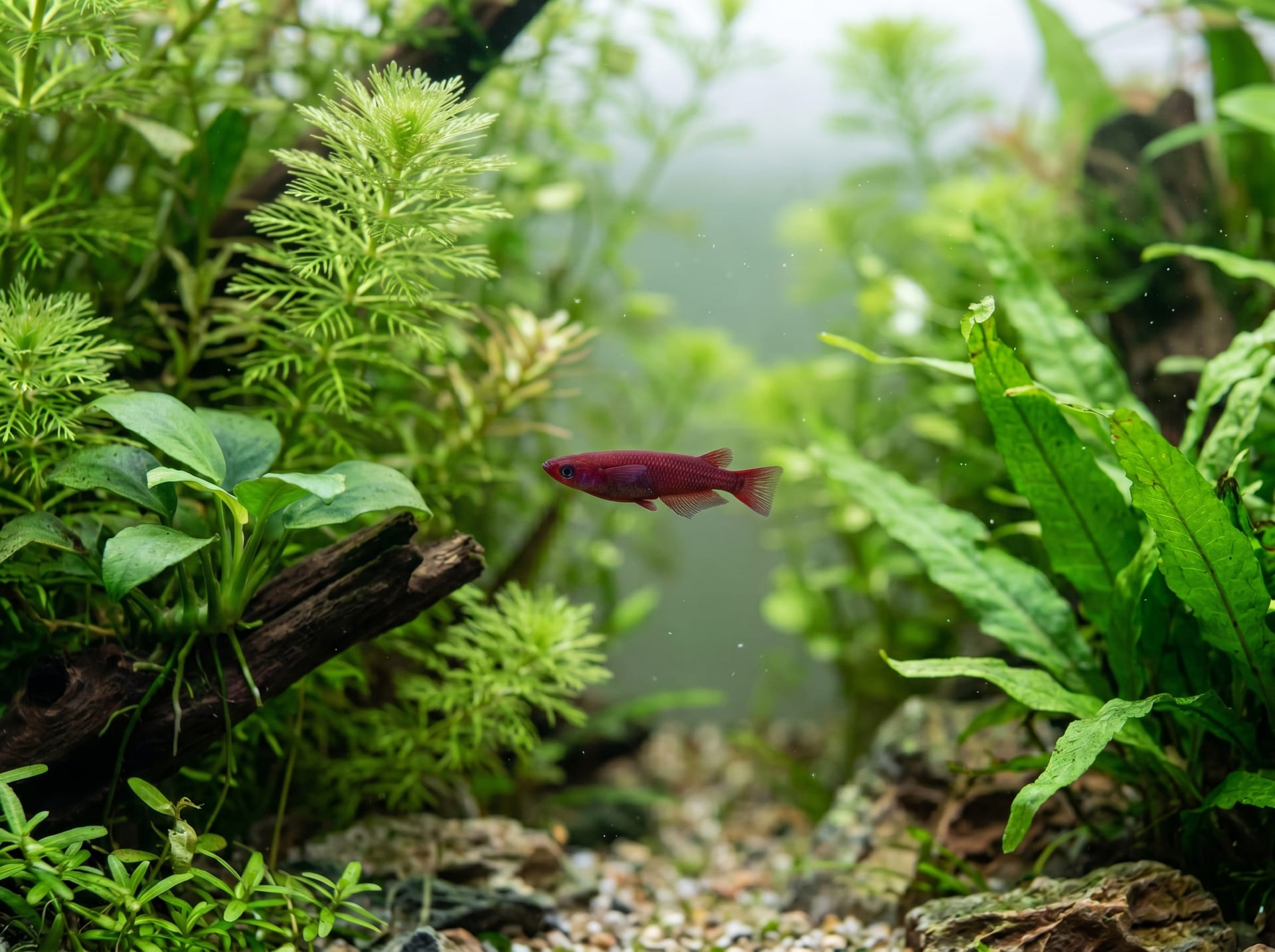
Beniazami Medaka
Oryzias latipes var.
Improved medaka characterized by deep red color. Beautiful vivid crimson body color reminiscent of azami (thistle) flowers. Among red medaka, this variety is prized for its especially deep coloration.
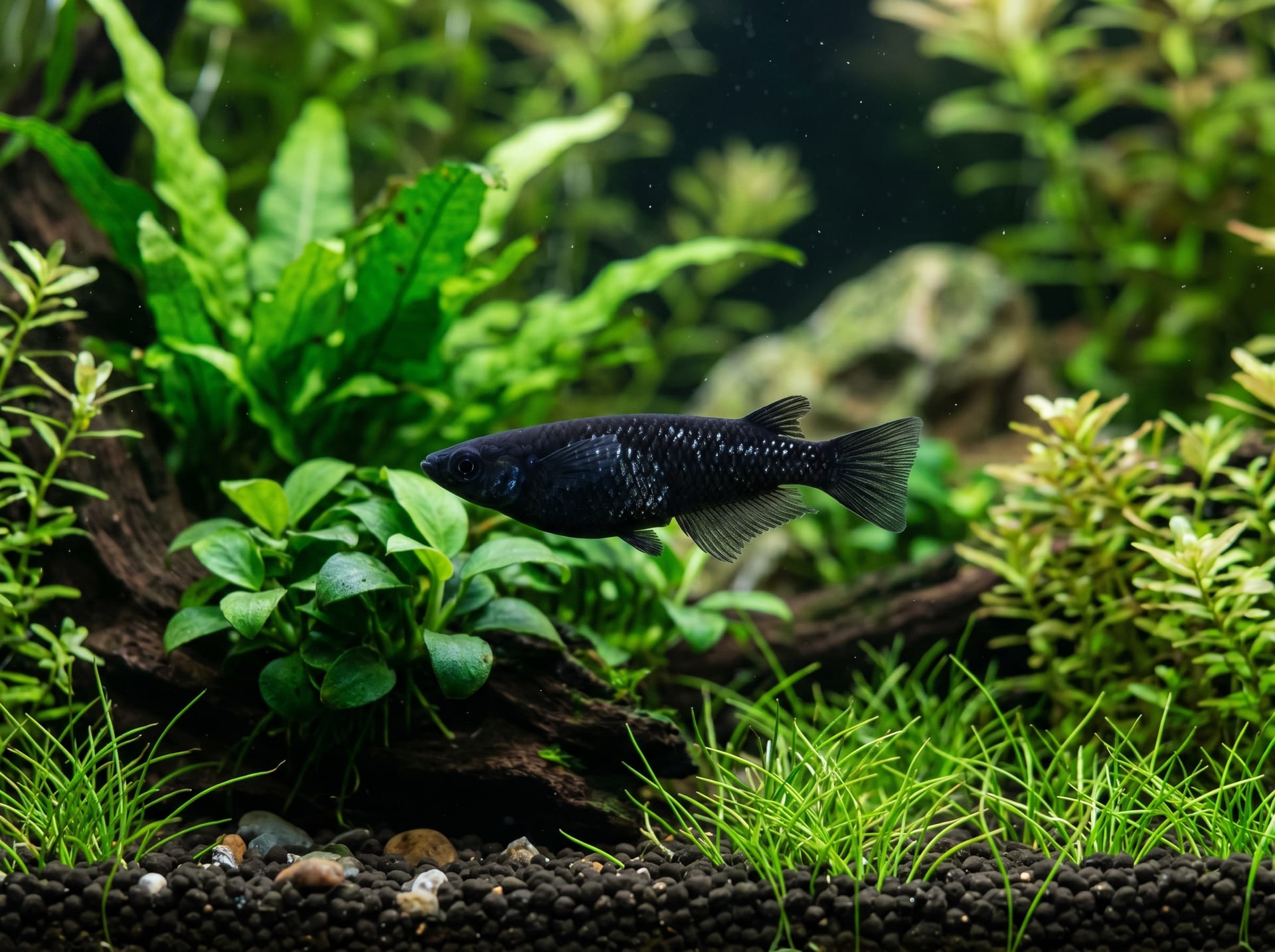
Black Diamond Medaka
Black body studded with lame scales like stars in the night sky. Orochi lineage crossed with lame scales.
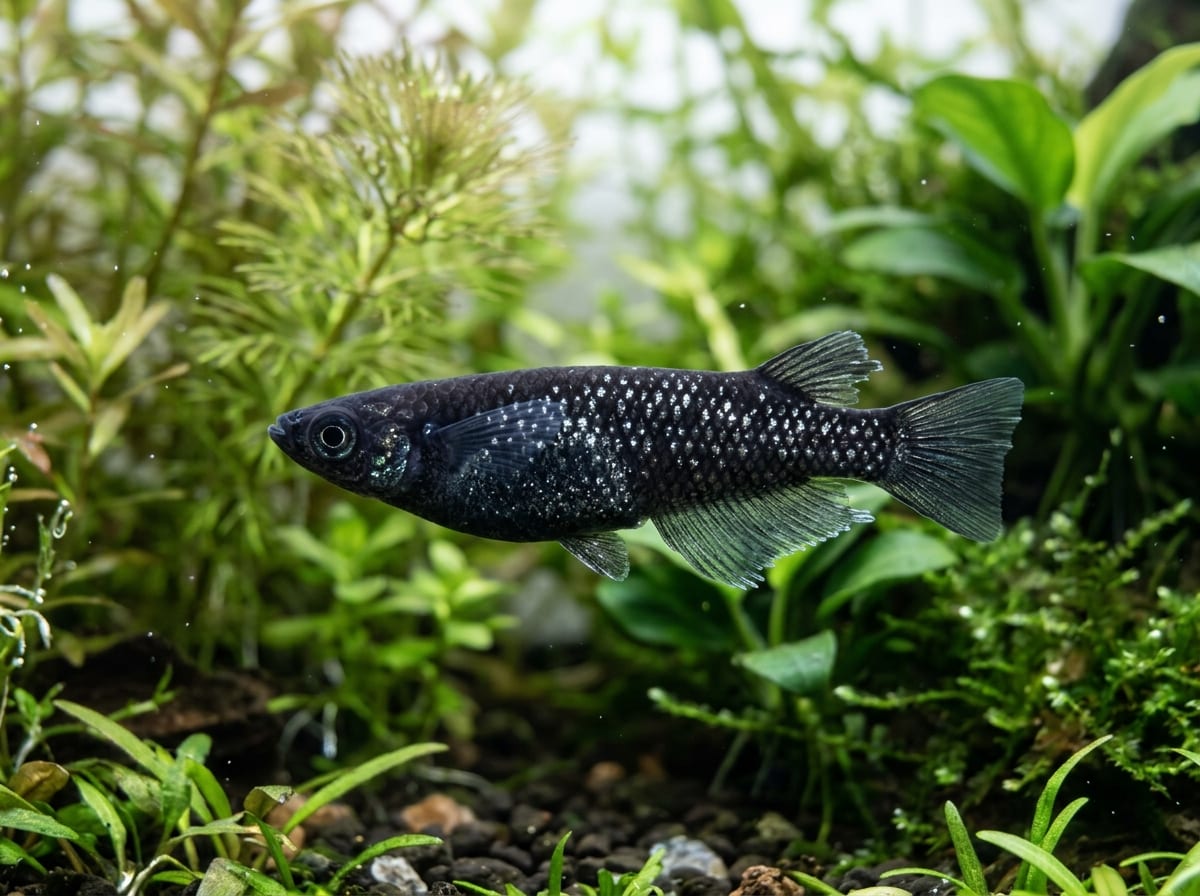
Black Lame Medaka
A mystical medaka with glittering lame on a black body, like stars in the night sky.
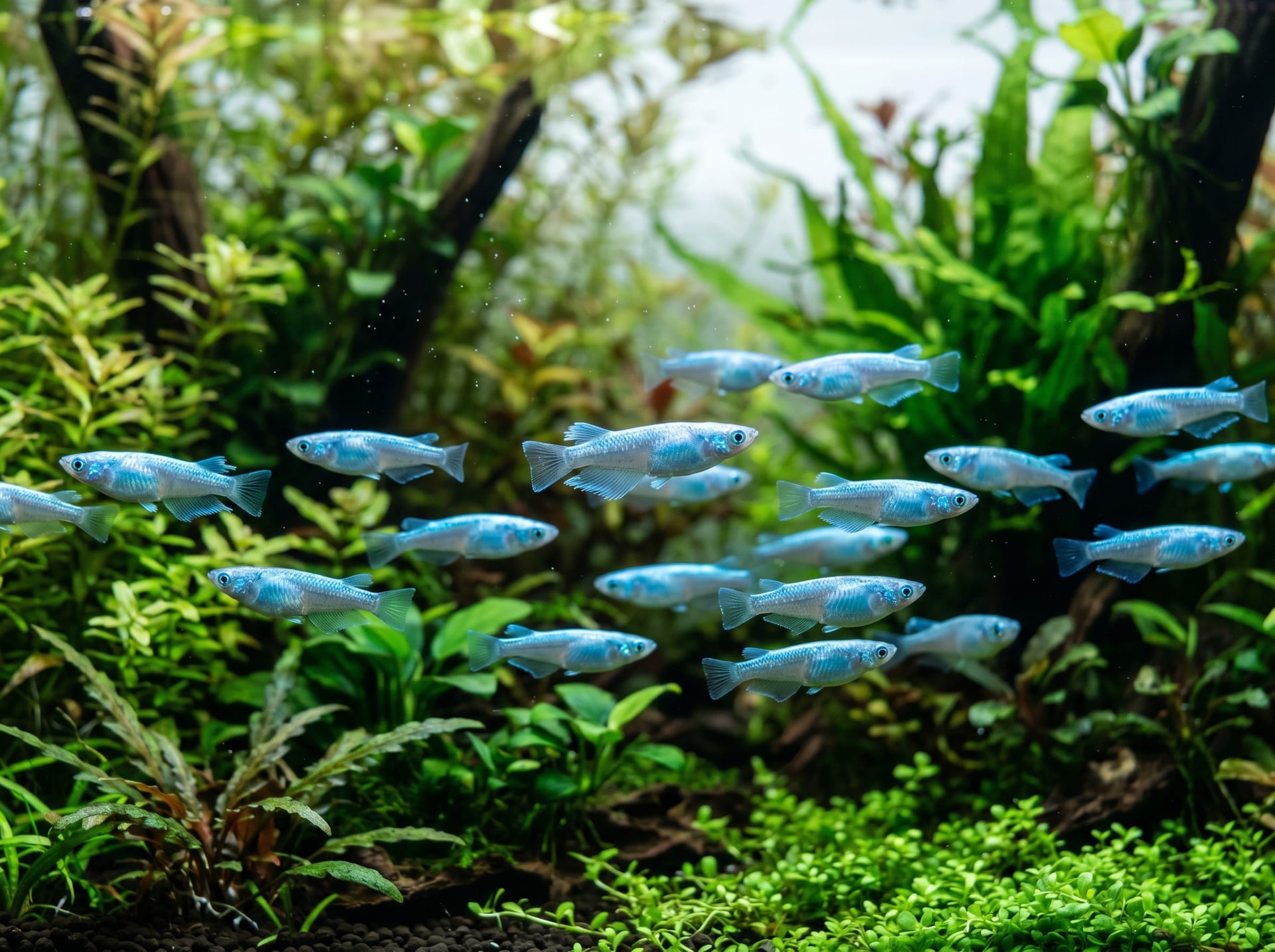
Blue / White Basic
Oryzias latipes
The most common medaka varieties. Blue medaka display deep indigo coloration; white medaka show cream tones. Foundation lines for selective breeding, with lowest husbandry demands—ideal for beginners.
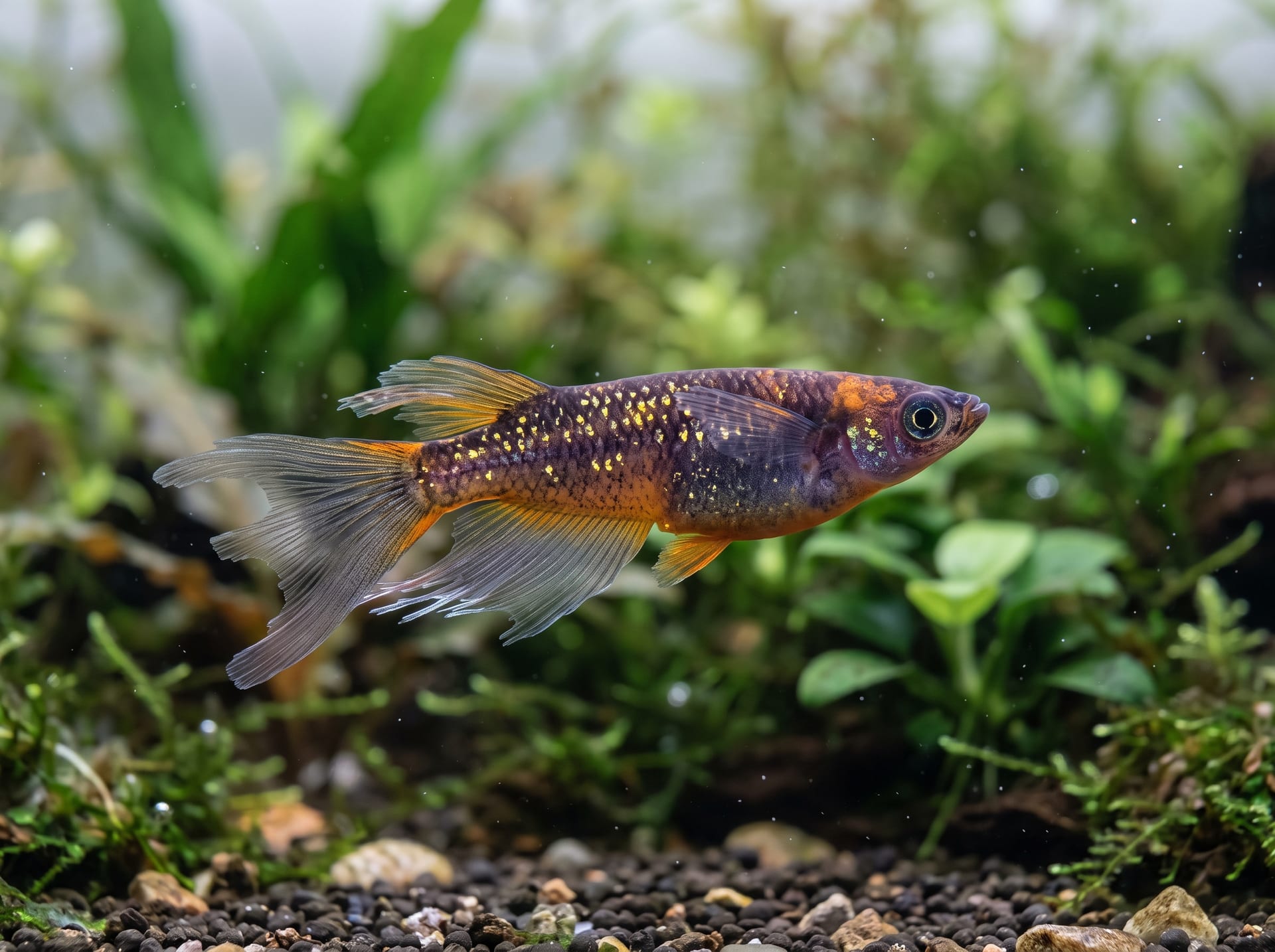
Boukyaku no Tsubasa Medaka
Oryzias latipes
A long-finned medaka whose black-and-orange aurora body is densely set with glittering yellow lamé — a strain that unites long fins with lamé, traits usually hard to combine.
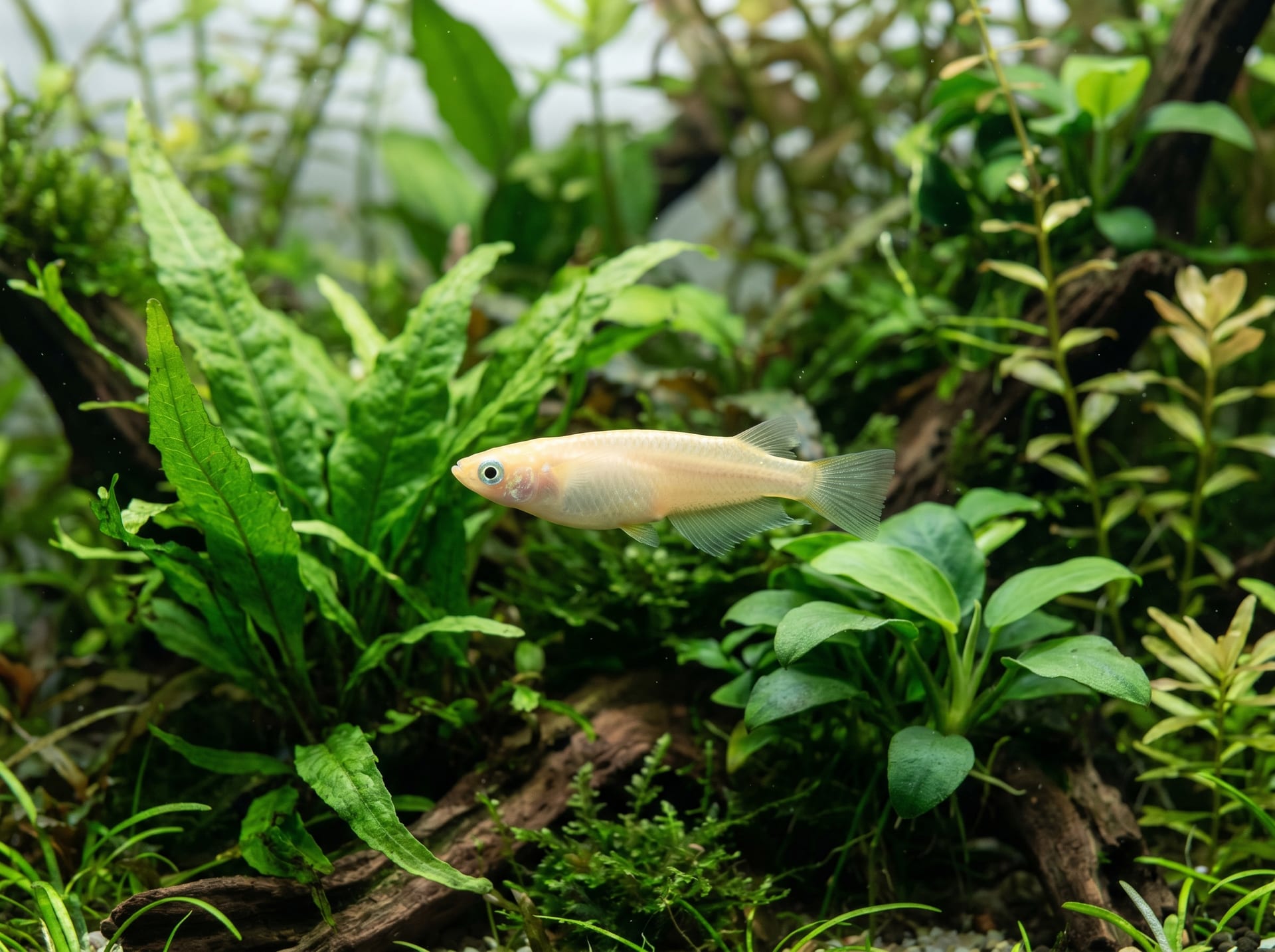
Cream Medaka
A medaka with gentle pale cream body color. Calm coloring that matches Japanese-style containers well.
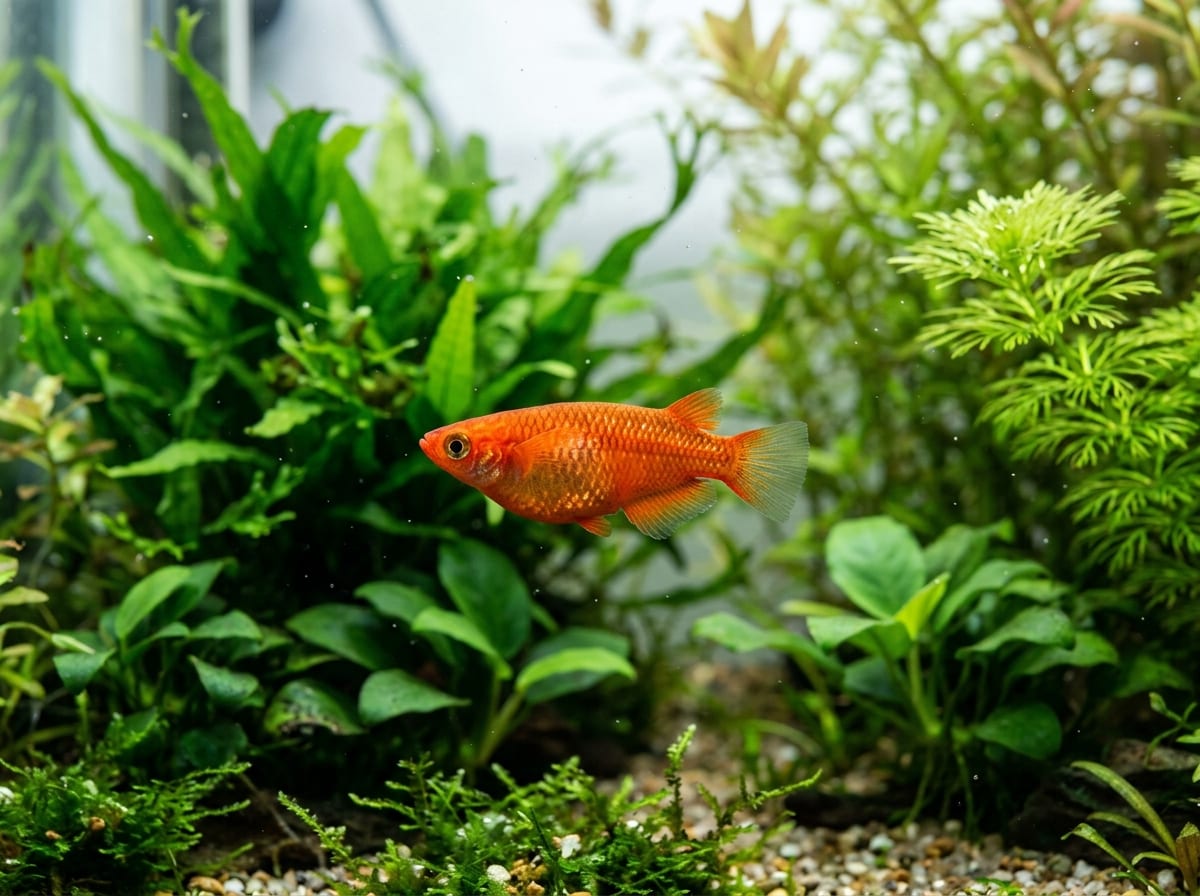
Daruma Medaka
Short-bodied round medaka resembling a daruma doll. Rolling swimming motion is adorable. Requires warm water keeping.
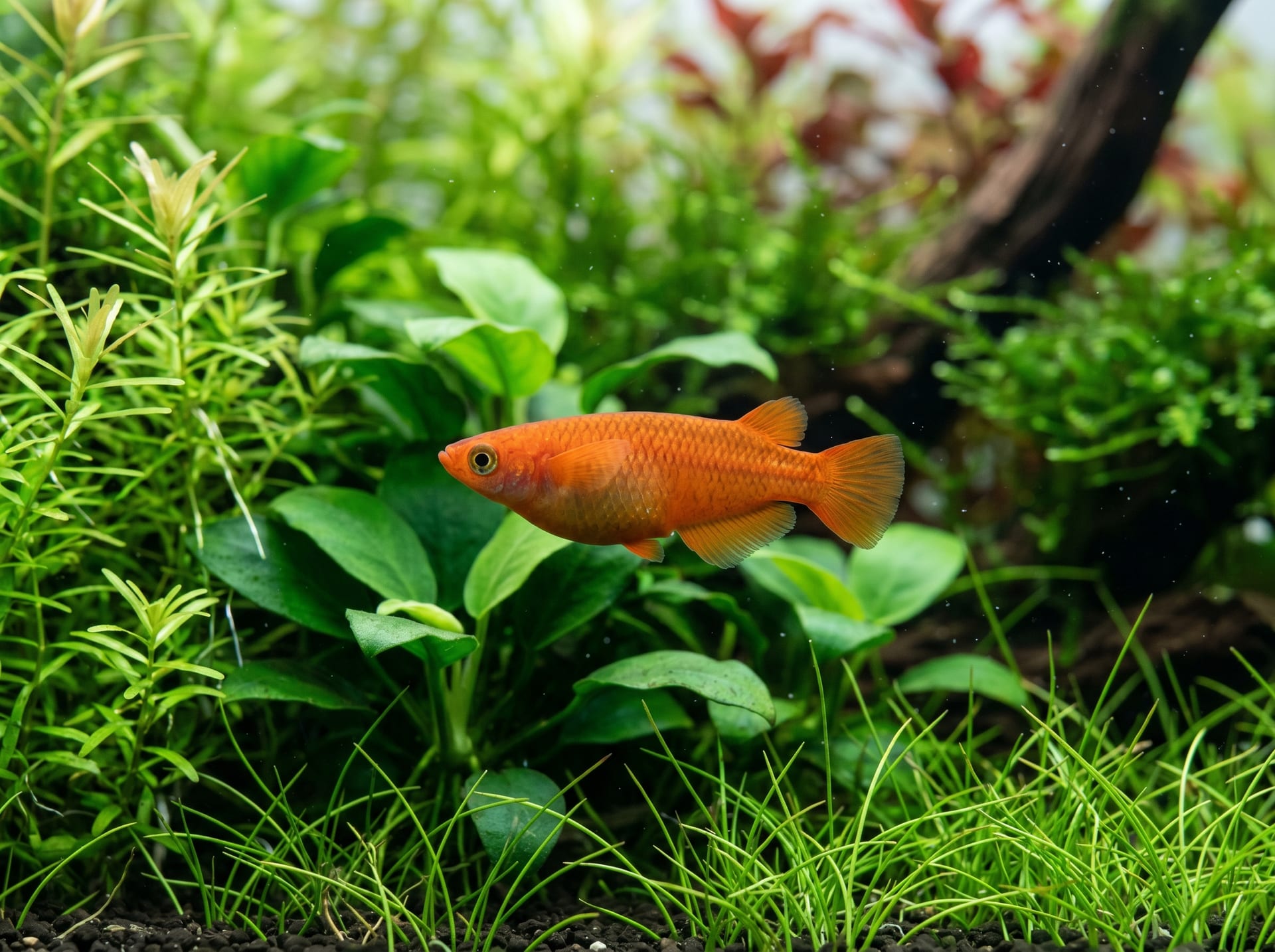
Daruma Medaka (Improved)
Oryzias latipes var.
Improved medaka with short, round daruma body type. Adorable plump form has high ornamental value. Warm water is essential for maintaining body shape.
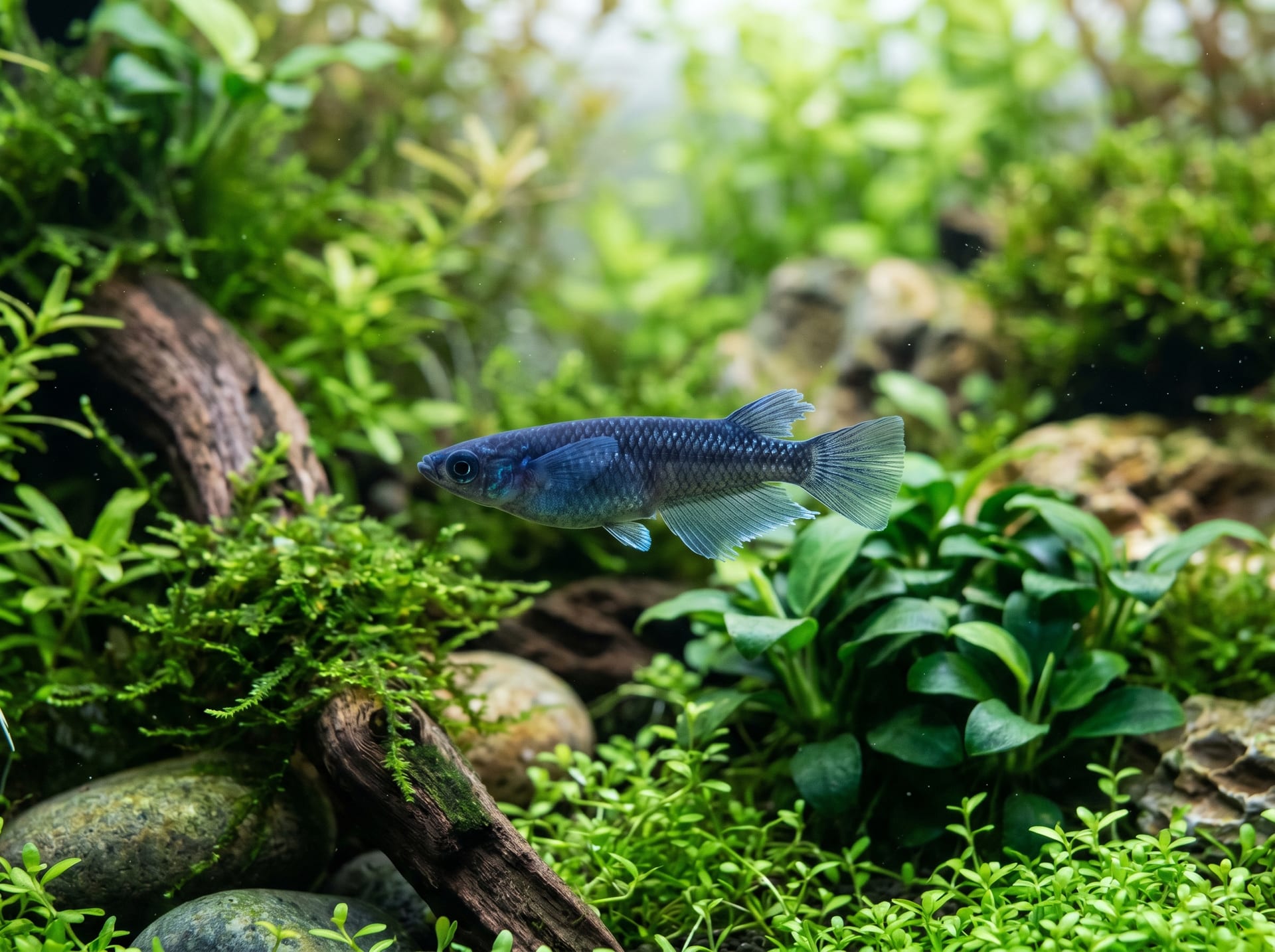
Deep Blue Medaka
An improved variety with deeper indigo than traditional blue medaka. Attractive deep blue color like the deep sea.
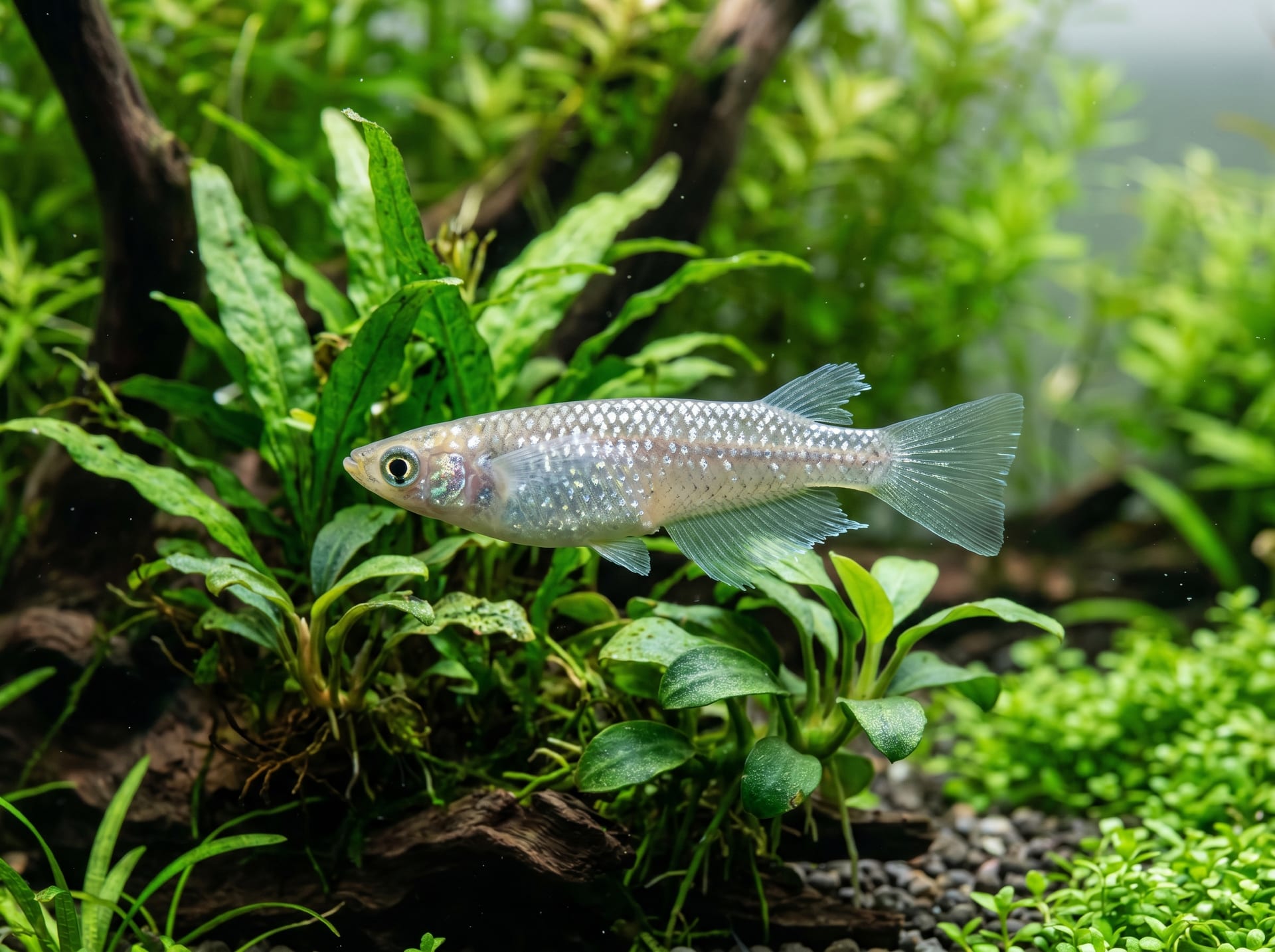
Diamond Dust Medaka
A medaka with fine lame sprinkled like powdery snow all over. Beauty reminiscent of winter snowscape.
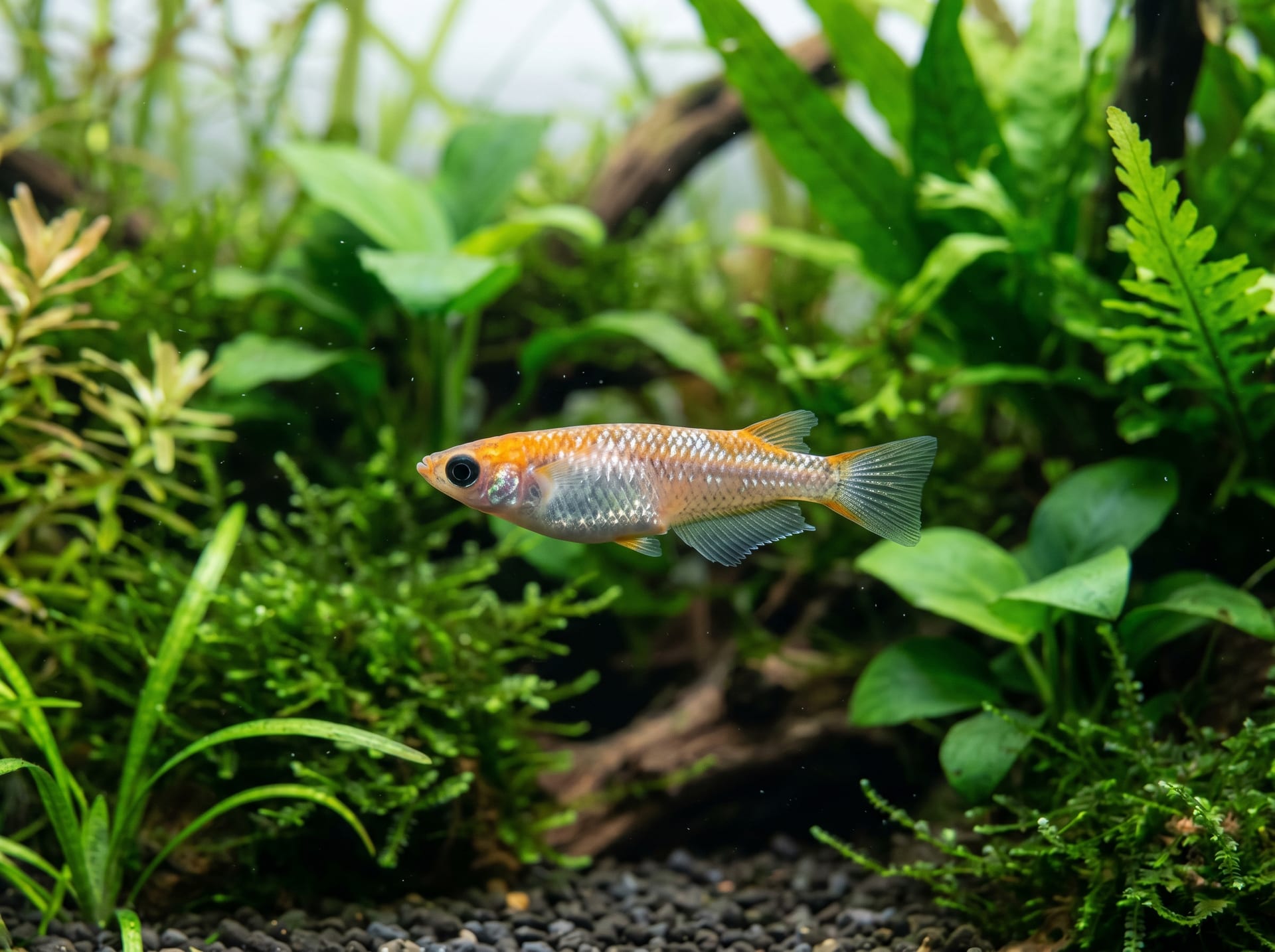
Dragon Medaka
A medaka with powerful scale shine reminiscent of a dragon. Iron mask type head gloss is particularly beautiful.
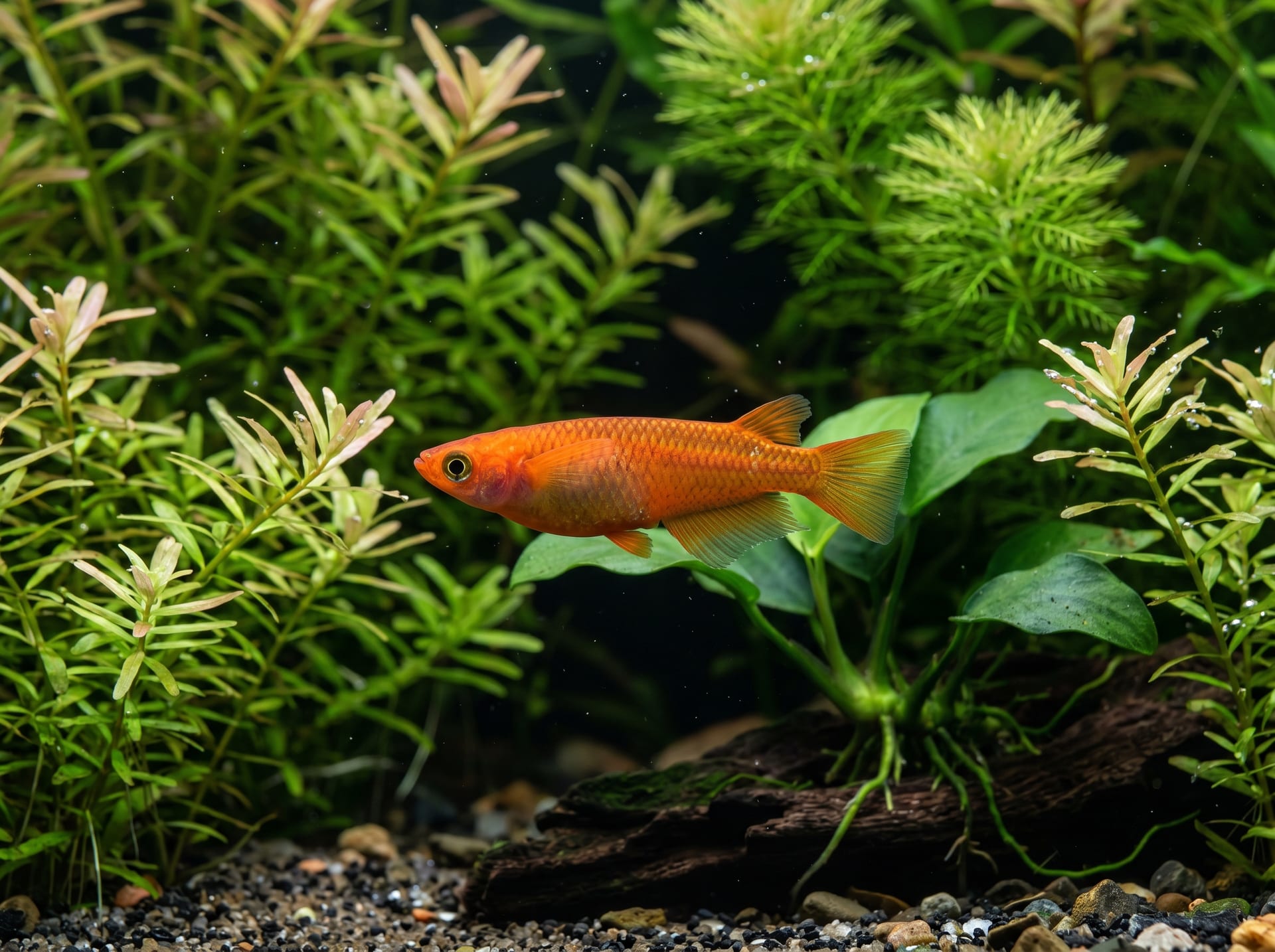
Evening Glow Medaka
A medaka with sunset-like orange-red gradient. Popular for warm color tones.
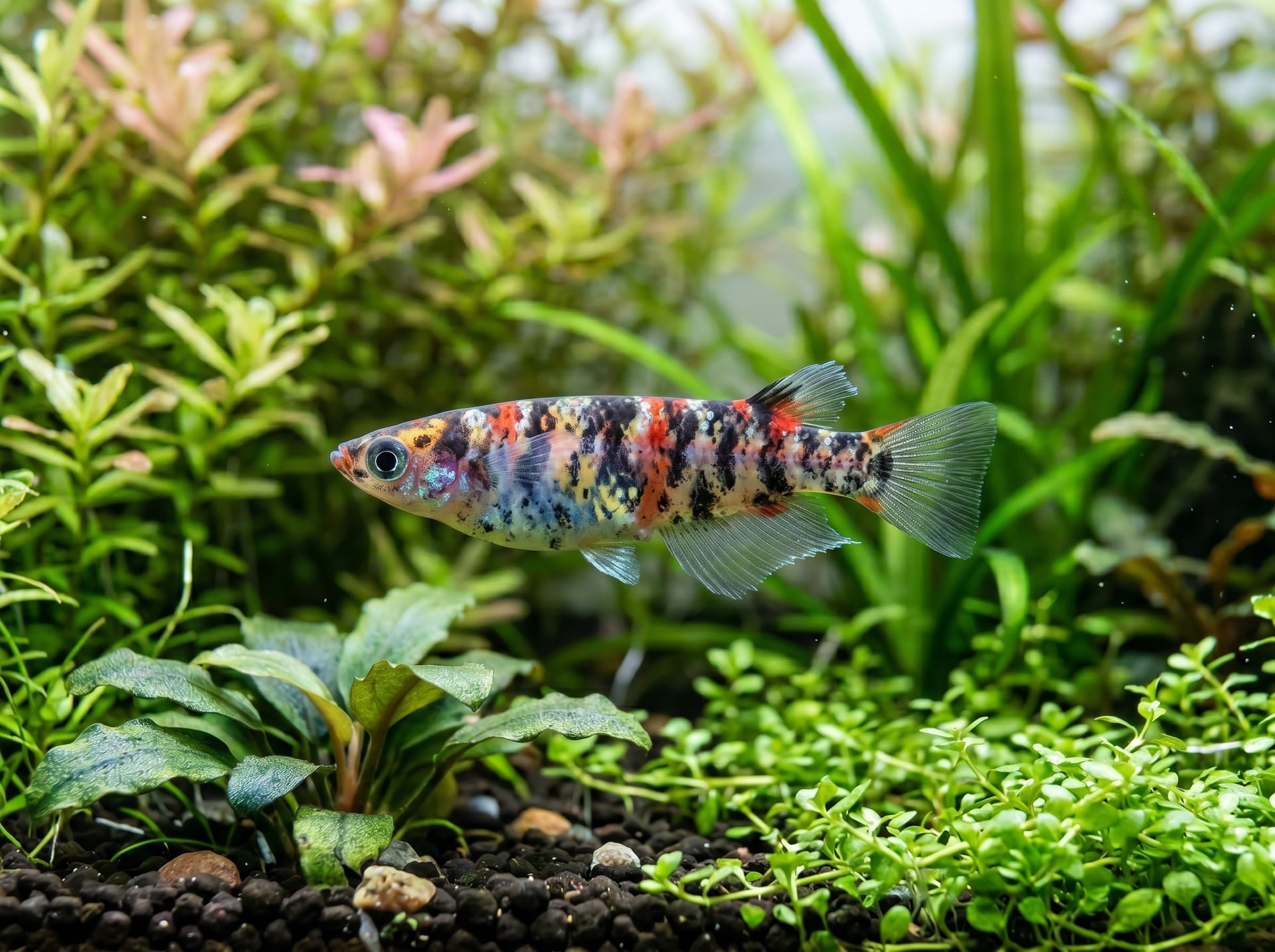
Five Color Medaka
A gorgeous medaka with five colors: red, white, black, blue, yellow. Multicolor like koi in water bowls.
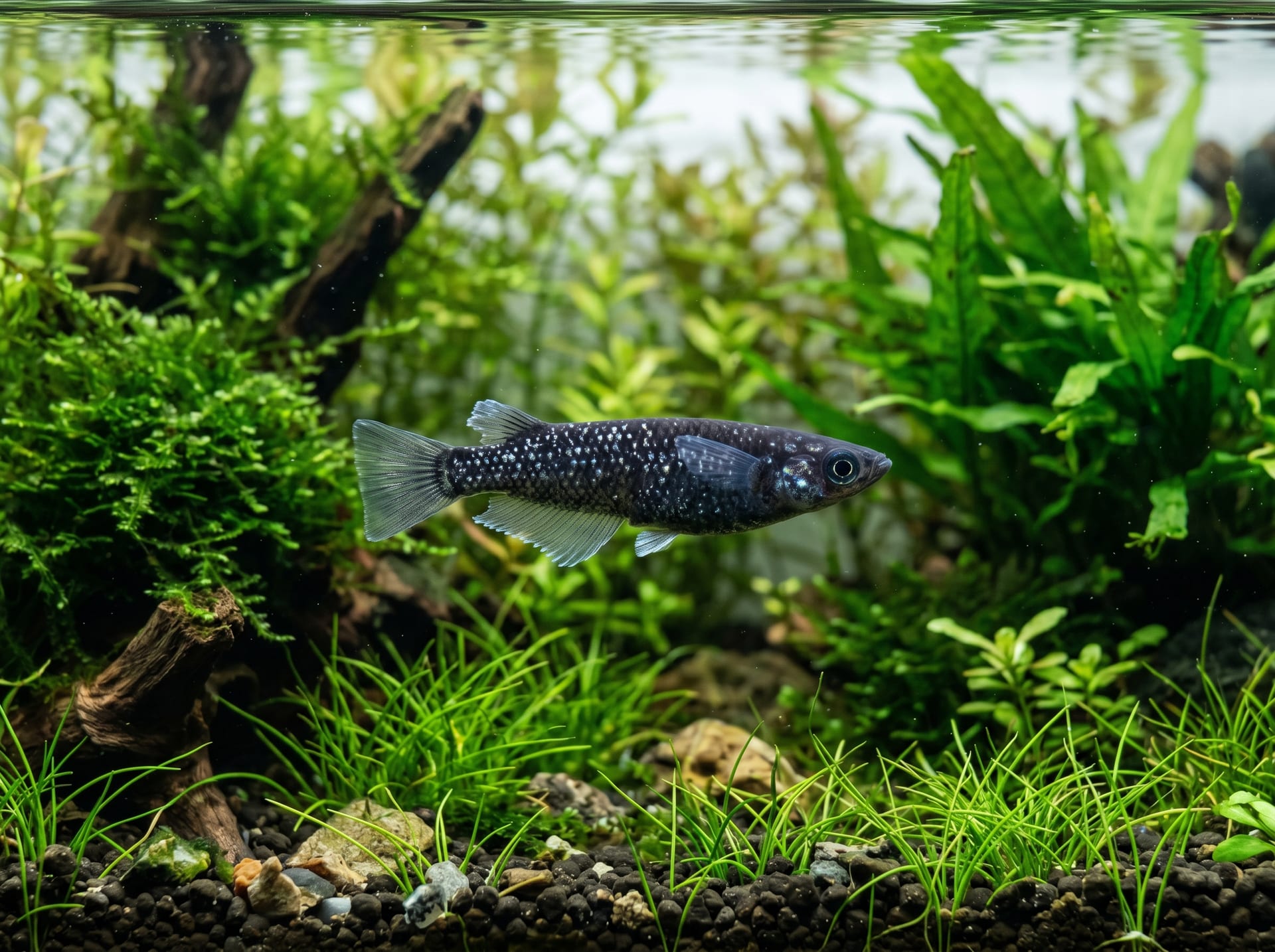
Galaxy Medaka
A fantastical medaka reminiscent of a night sky galaxy. Beautiful combination of glitter and multiple colors.
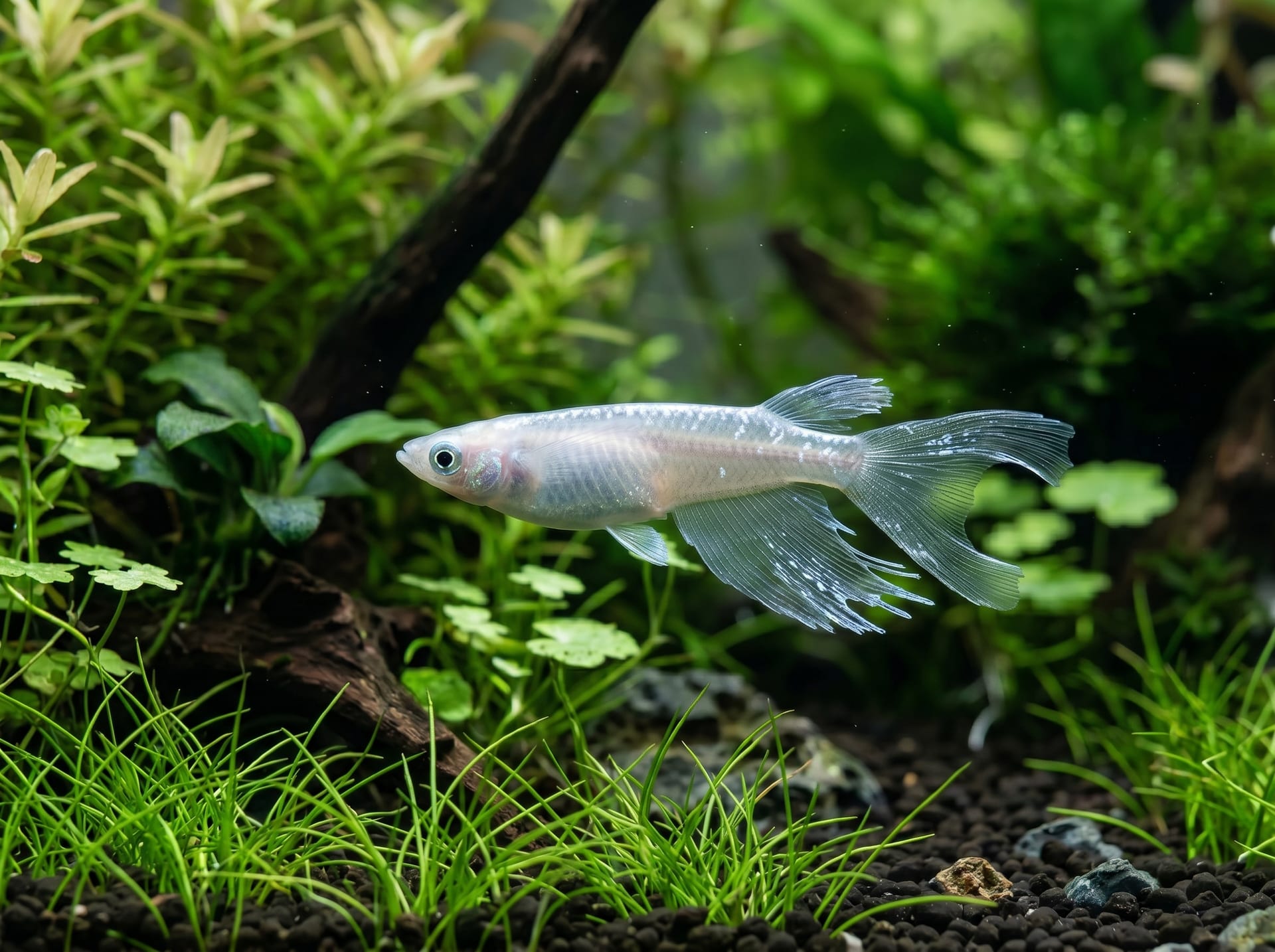
Ginga Medaka
Oryzias latipes var.
Improved medaka with beautiful blue external body light. Named because the blue-white external light emanating from the back evokes a galaxy. Popular variety with fantastical beauty like a nighttime water surface.
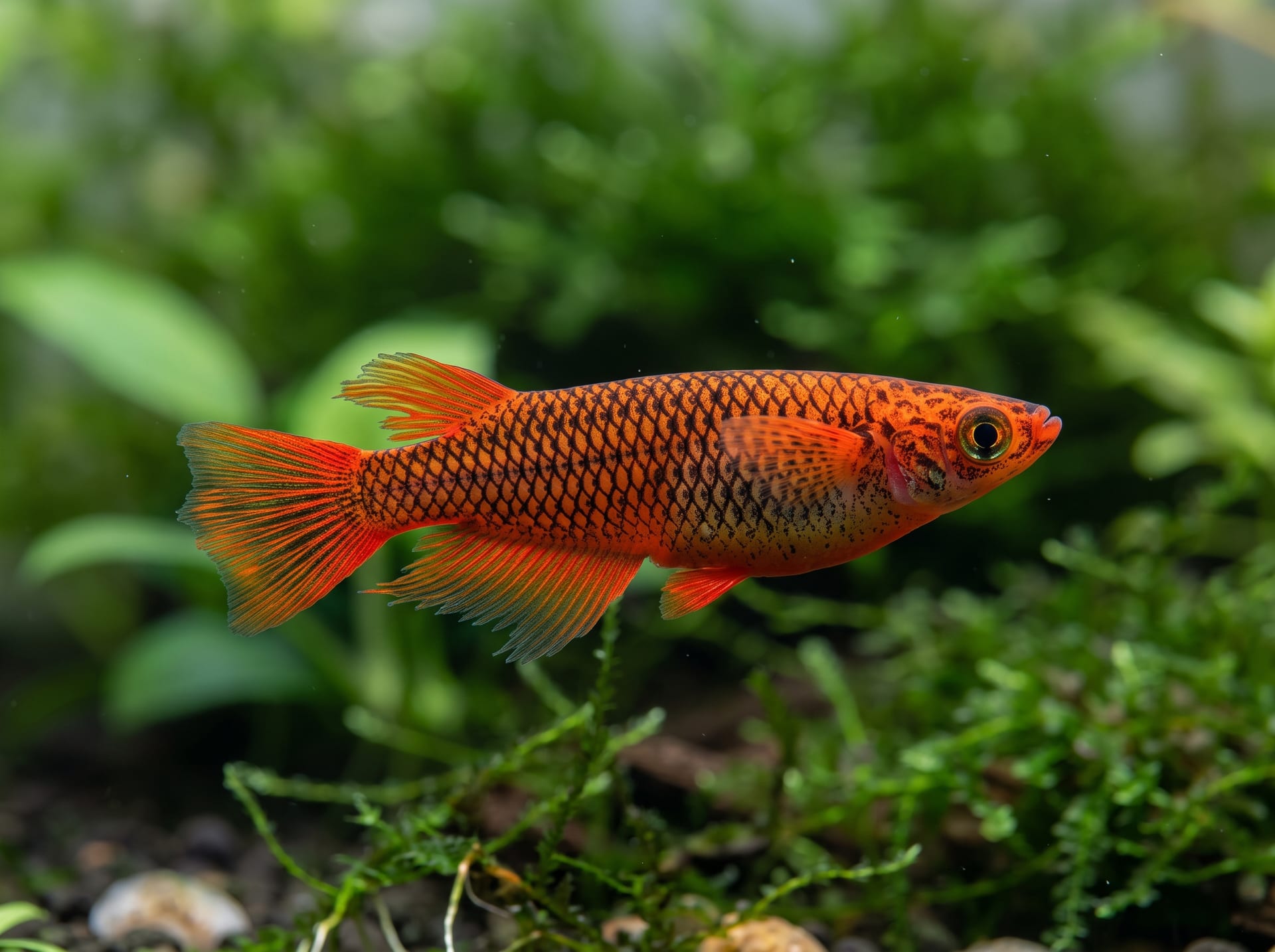
Goshiki Medaka
Oryzias latipes
A two-tone black-and-orange medaka whose scales are outlined by a striking 'black rim,' set against vivid scarlet in the fins and flanks. A bold, show-favorite strain.
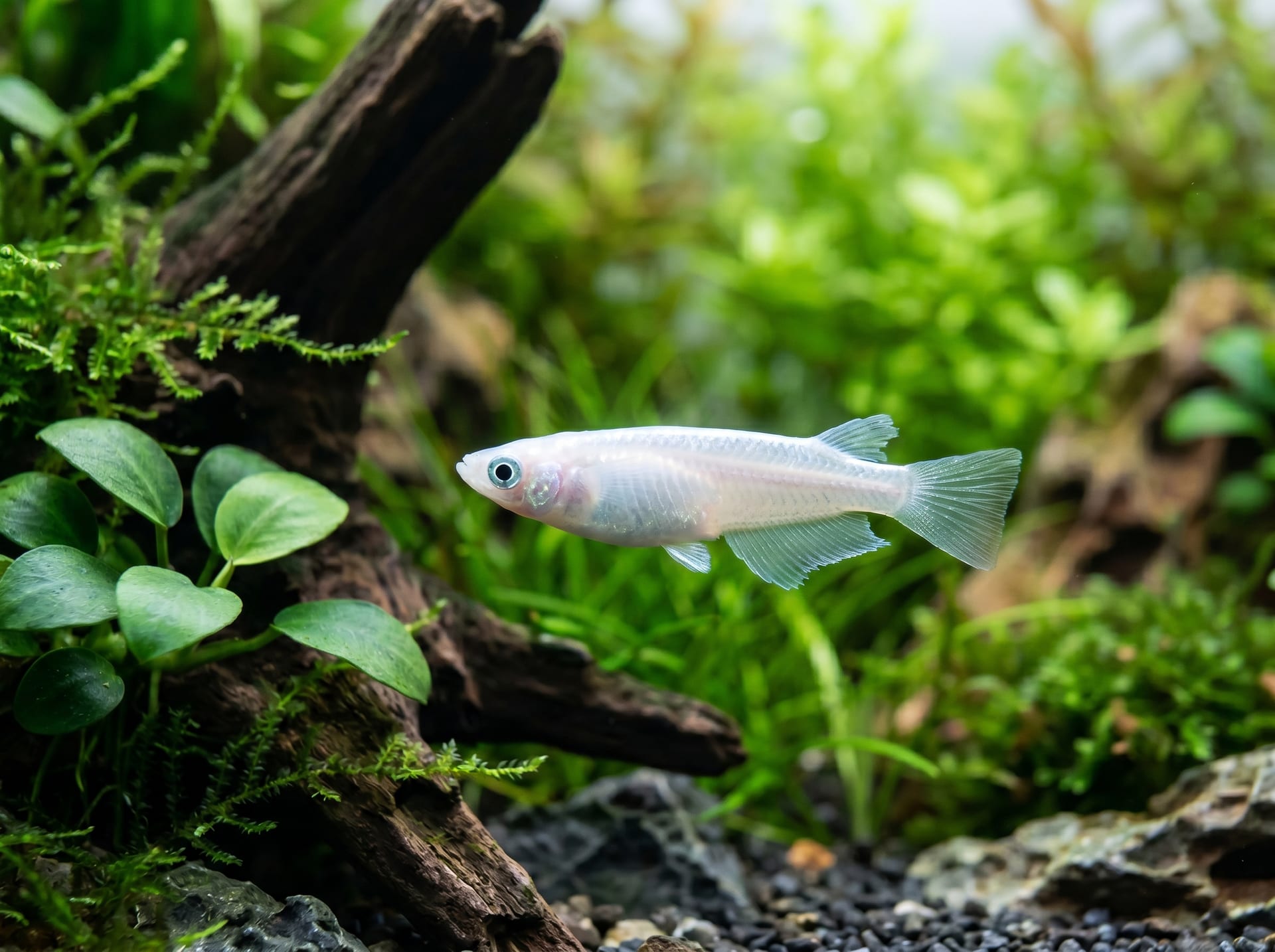
Hakuto Medaka
Oryzias latipes var.
Improved medaka with white body color and red eyes (albino). Named for its cute appearance resembling a white rabbit. Impressive contrast between clear white body and red eyes.
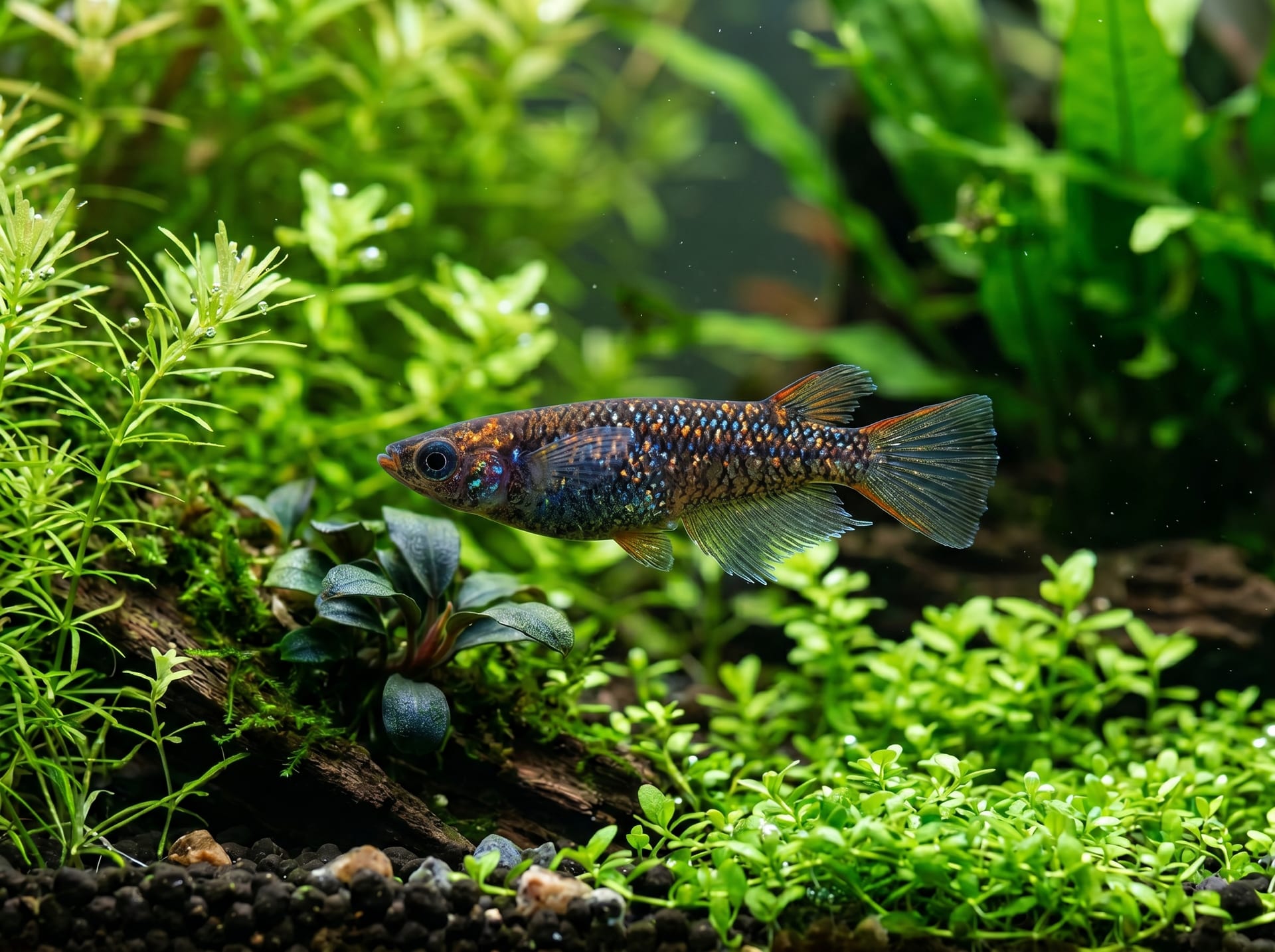
Hanabi (Fireworks) Medaka
Multicolored glitter scattered across body radiates like fireworks. Lame changes to rainbow colors with light angle. Rapidly gaining popularity as a summer icon.
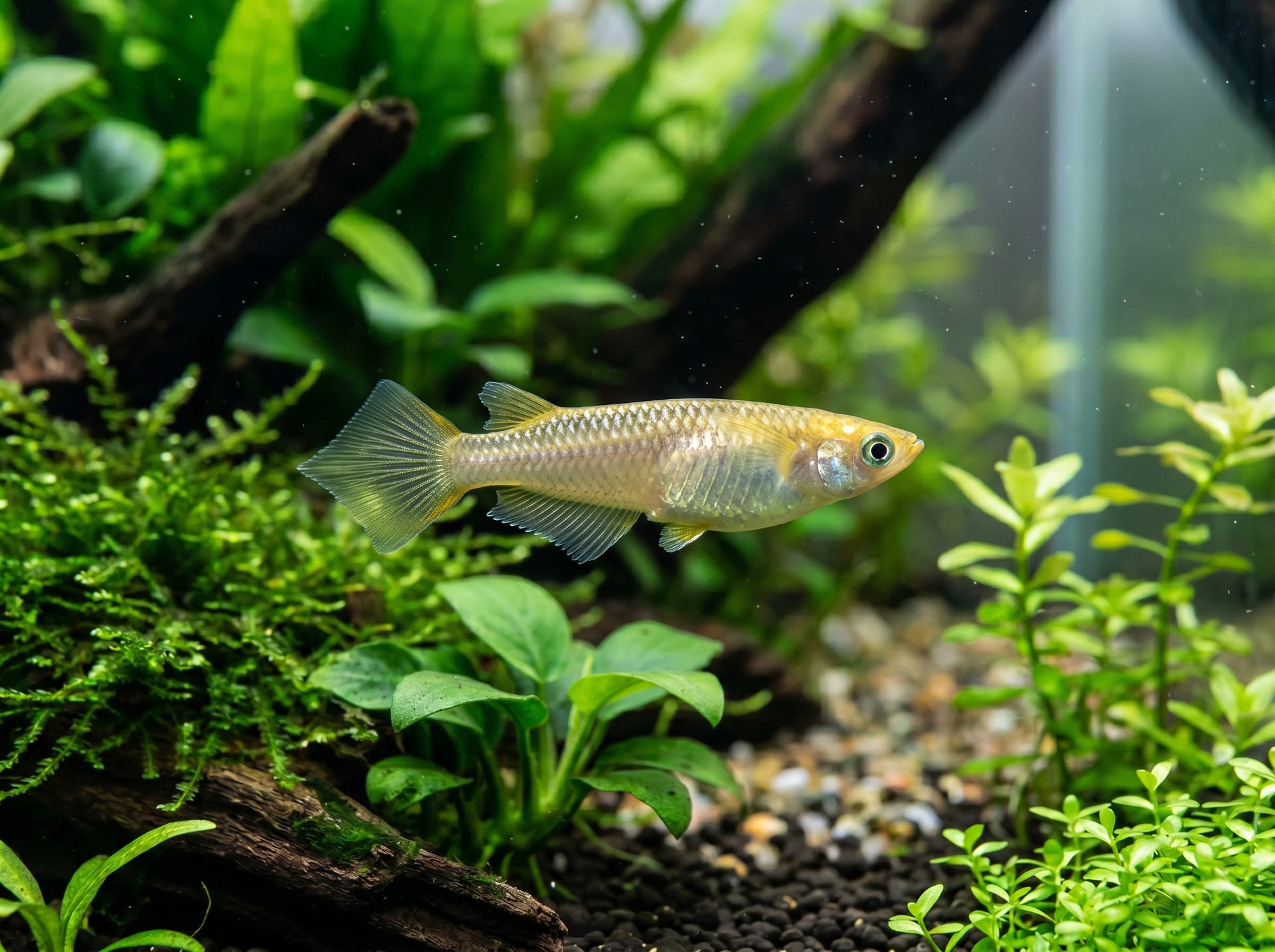
Hikari Medaka
General term for medaka with reflective scales on back. Scales shimmer beautifully in sunlight. Various crosses with Miyuki.
Related Content
Medaka FAQ
- How much do medaka cost?
- Common varieties cost 100-500 yen each, popular Youkihi and lame types 500-3,000 yen, and rare new varieties can reach 5,000-30,000+ yen per pair.
- Can beginners keep medaka?
- Medaka are adapted to Japanese climate and can even be kept in outdoor biotopes. They're hardy, tolerant of temperature changes, and one of the easiest ornamental fish for beginners.
- How long do medaka live?
- In the wild they live 1-2 years, but in captivity they can live 2-4 years. Proper water management and feeding help them thrive longer.
- What should I check when buying medaka?
- Check that they're swimming actively, not too thin, and free of injuries or disease signs. Choose specimens that clearly display their variety's characteristics.
- Is medaka breeding easy?
- Medaka breed relatively easily, spawning from spring to autumn when water temperature is above 20°C with 12+ hours of daylight. Moving eggs to a separate container improves hatch rates.