Medaka Encyclopedia — 87 Species Directory
Encyclopedia of popular medaka varieties with traits, care guides, and pricing.
Featured Medaka
Showing 5 of 87 species
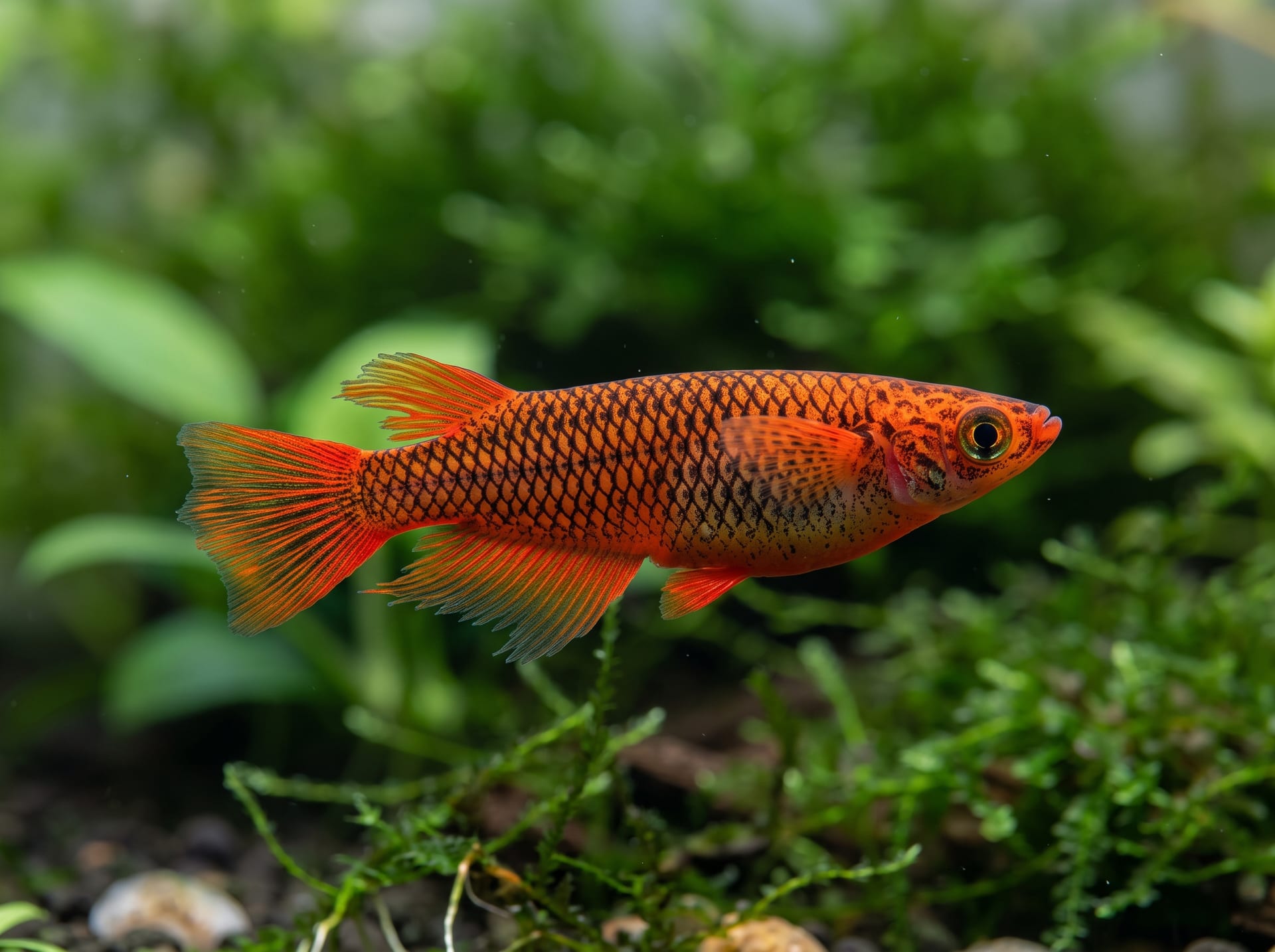
Goshiki Medaka
Oryzias latipes
A two-tone black-and-orange medaka whose scales are outlined by a striking 'black rim,' set against vivid scarlet in the fins and flanks. A bold, show-favorite strain.
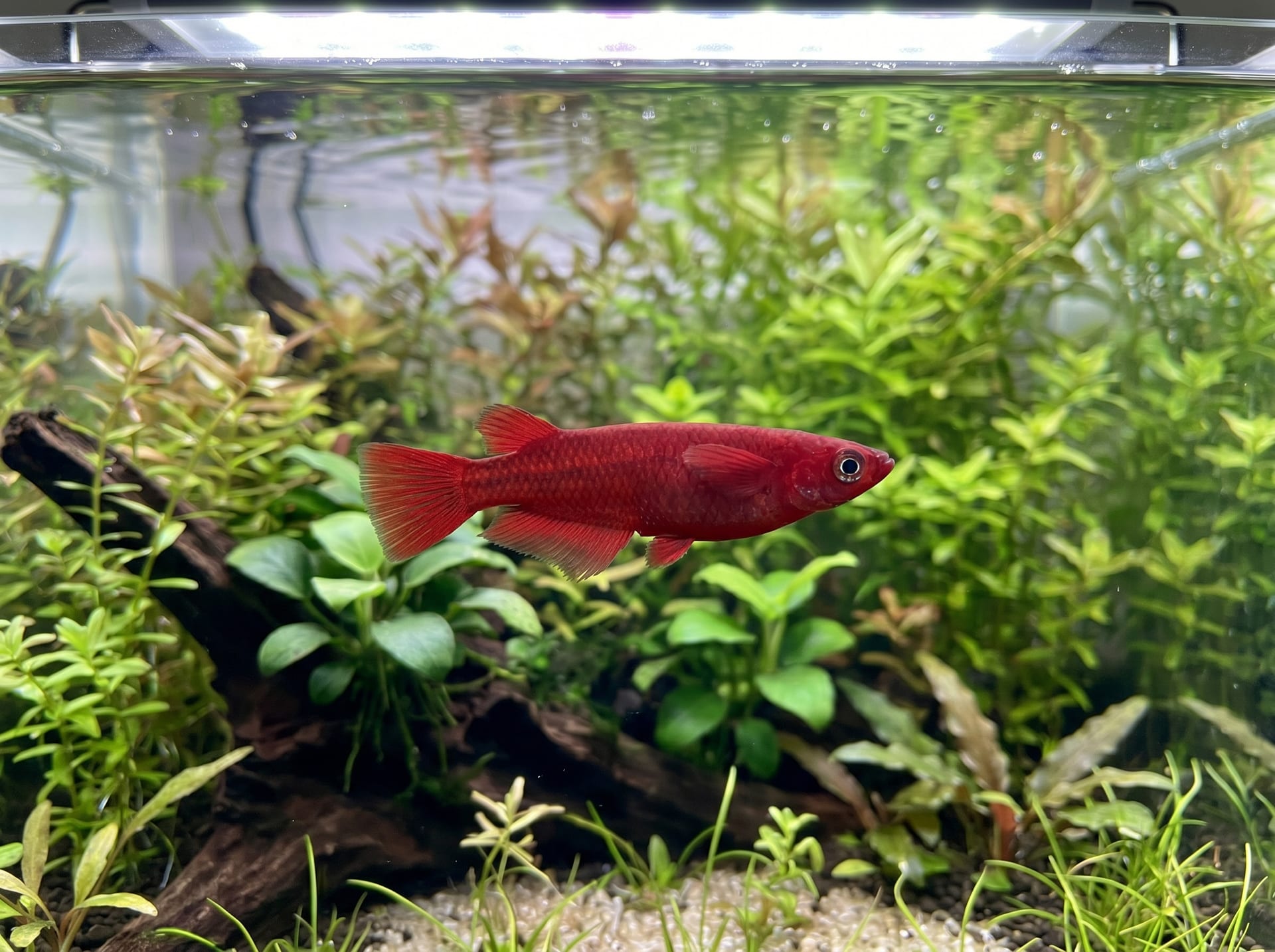
Kurenai (Crimson) Medaka
Superior variety with even deeper red than Youkihi. Transparent scales reveal internal organs, further emphasizing redness. Pursuing the ultimate in red coloration.
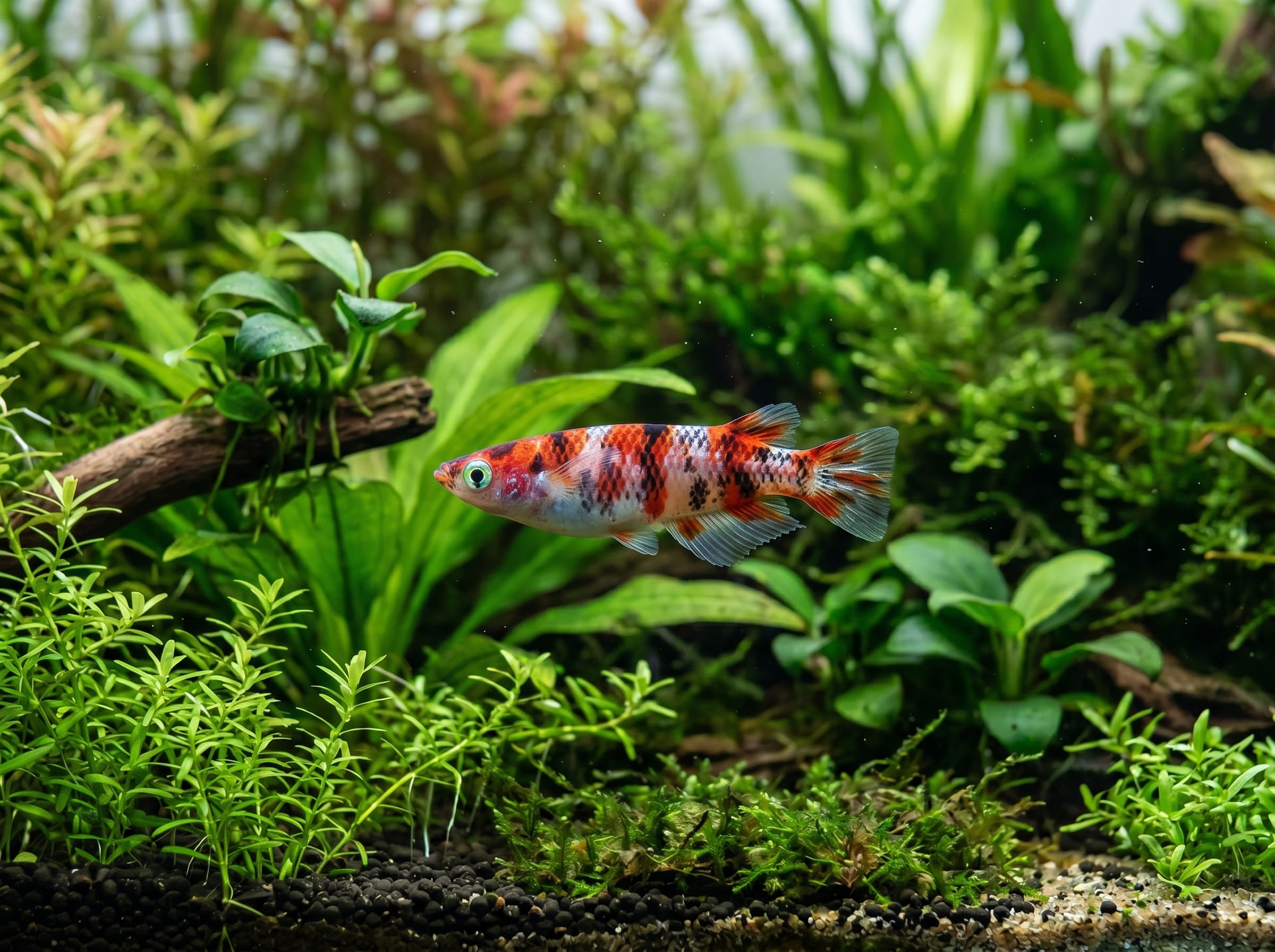
Nishiki (Brocade) Medaka
Transparent scales allow red, white, and black colors to appear like brocade fabric. Unique beauty with pigments floating in translucent body. Best viewed from above.
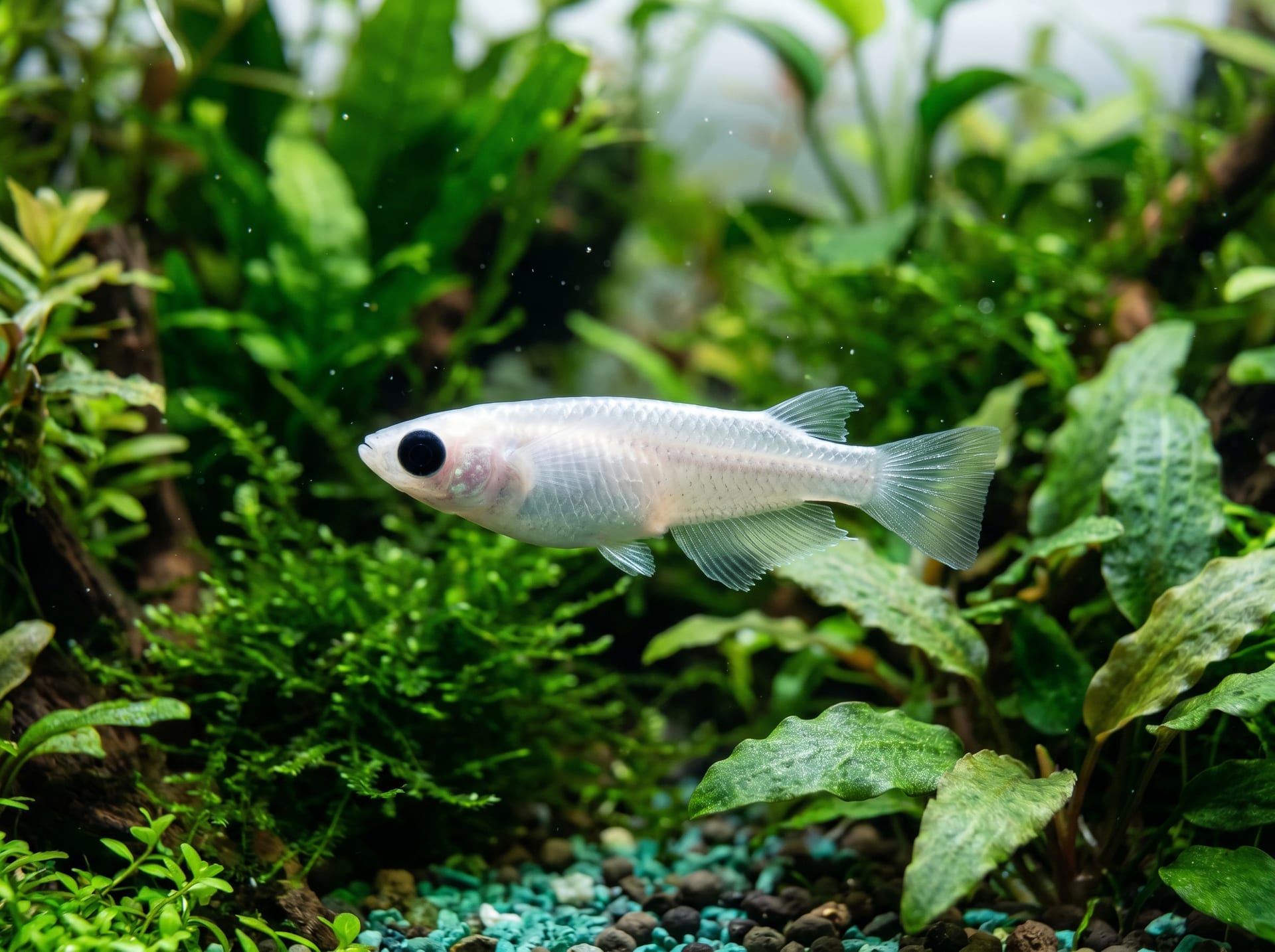
Panda Medaka
A medaka with transparent scales making eye area appear black like a panda. Popular for cute appearance.
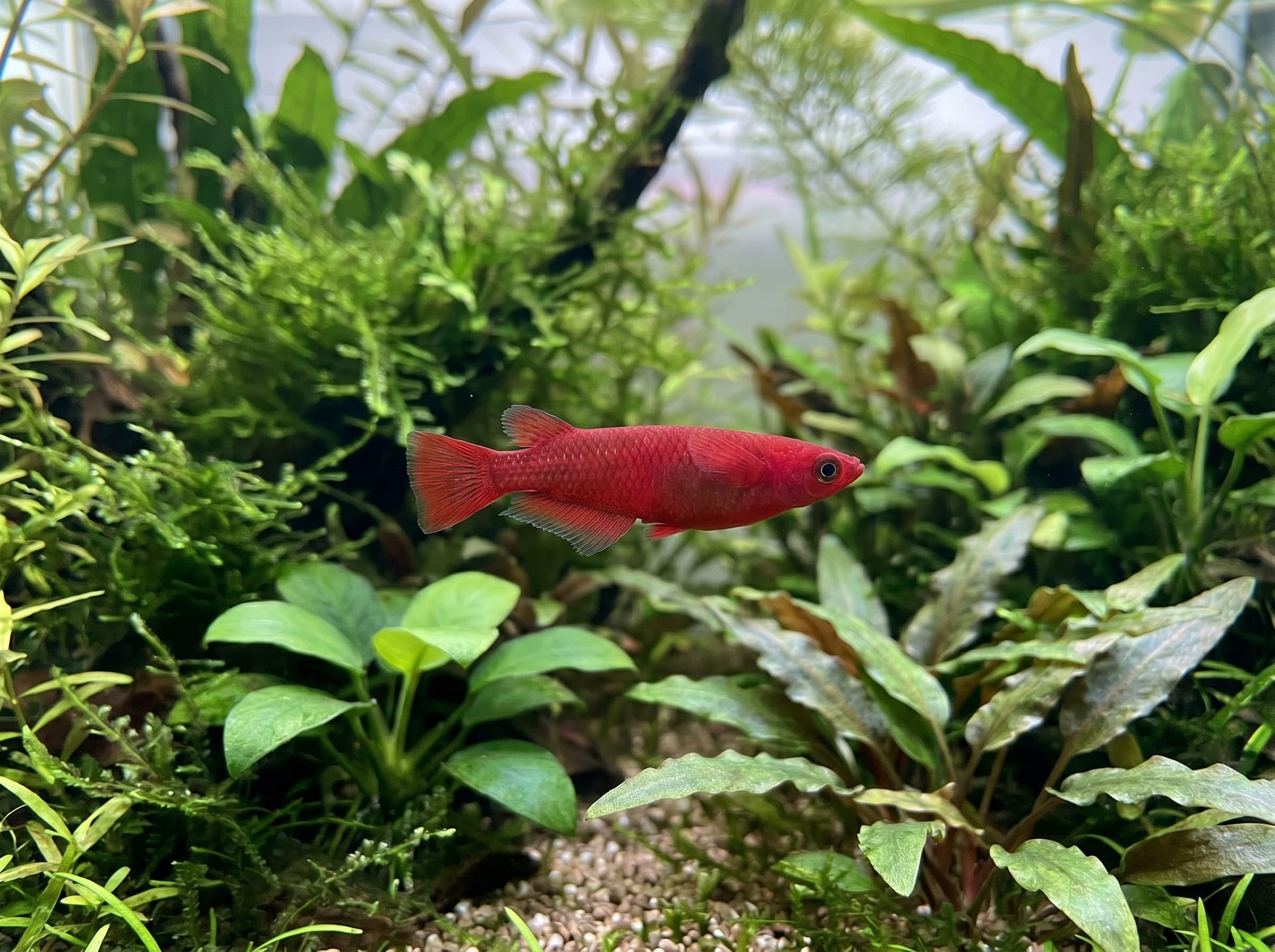
Ruby Medaka
A beautiful variety with deep red color reminiscent of ruby gemstones. Some transparent-scale types show internal organs.
Related Content
Medaka FAQ
- How much do medaka cost?
- Common varieties cost 100-500 yen each, popular Youkihi and lame types 500-3,000 yen, and rare new varieties can reach 5,000-30,000+ yen per pair.
- Can beginners keep medaka?
- Medaka are adapted to Japanese climate and can even be kept in outdoor biotopes. They're hardy, tolerant of temperature changes, and one of the easiest ornamental fish for beginners.
- How long do medaka live?
- In the wild they live 1-2 years, but in captivity they can live 2-4 years. Proper water management and feeding help them thrive longer.
- What should I check when buying medaka?
- Check that they're swimming actively, not too thin, and free of injuries or disease signs. Choose specimens that clearly display their variety's characteristics.
- Is medaka breeding easy?
- Medaka breed relatively easily, spawning from spring to autumn when water temperature is above 20°C with 12+ hours of daylight. Moving eggs to a separate container improves hatch rates.