Reptile Temperature and Humidity Management Basics
A comprehensive guide to temperature and humidity management, the cornerstone of reptile care. Learn species-specific optimal values, how to create hot spots, thermostat usage, and practical setup methods.
Key Takeaways
A comprehensive guide to temperature and humidity management, the cornerstone of reptile care. Learn species-specific optimal values, how to create hot spots, thermostat usage, and practical setup methods.
Related Species
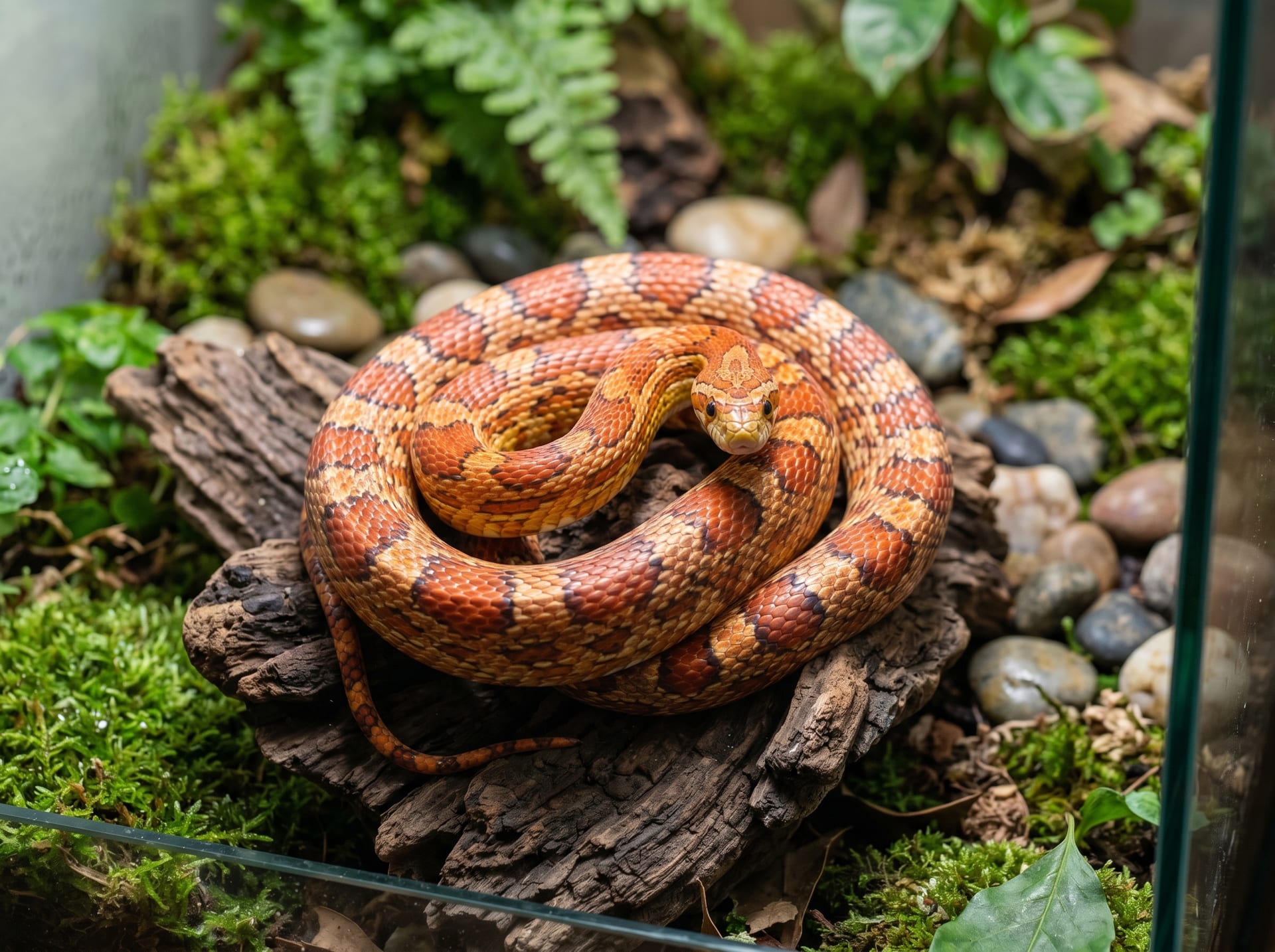
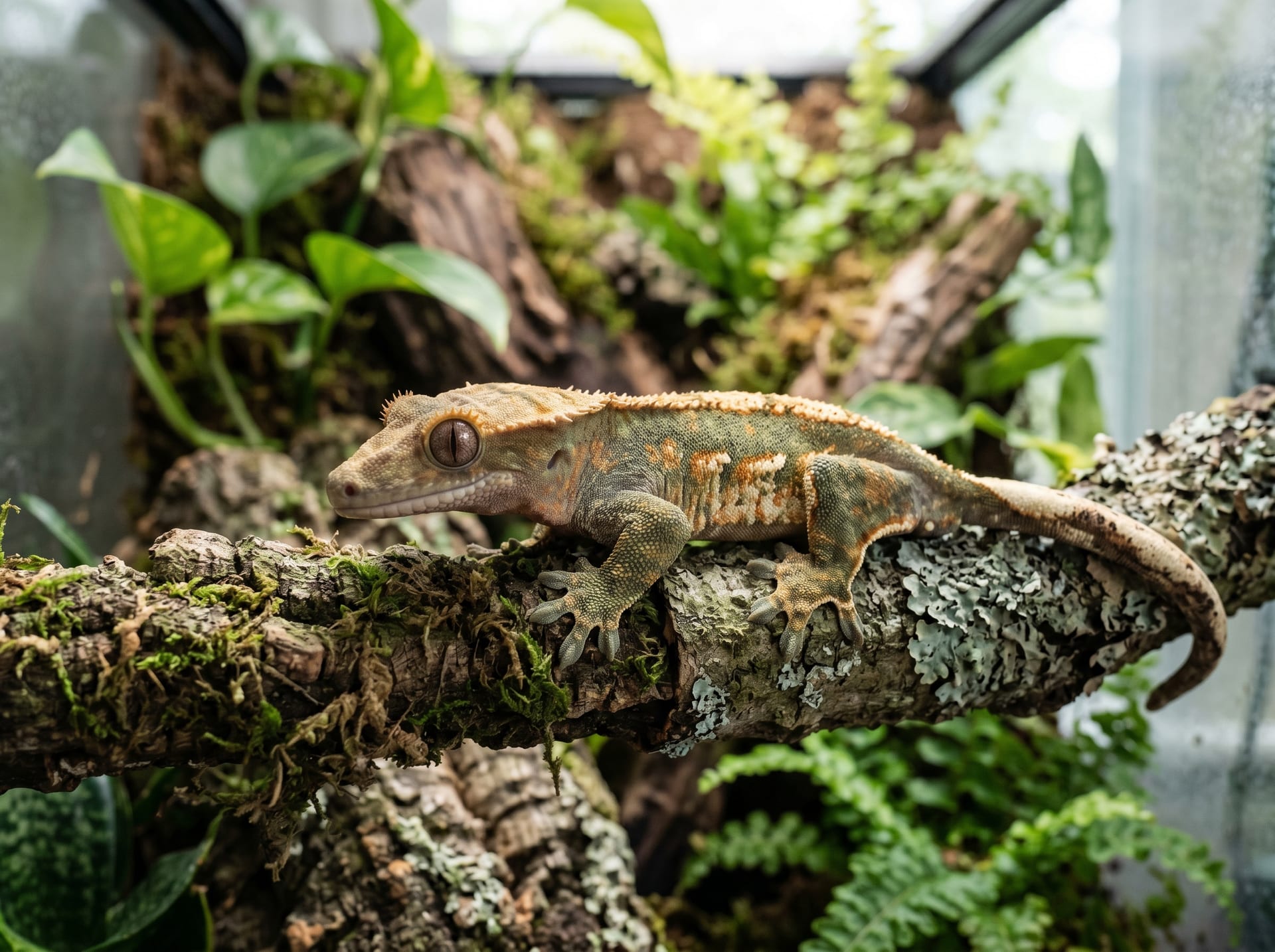
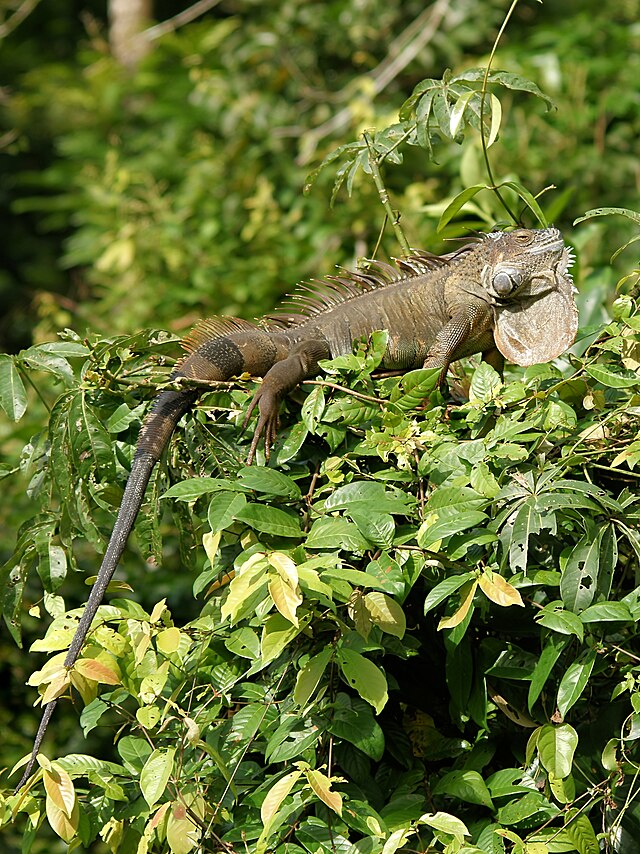
Reptiles are ectothermic animals and, unlike mammals or birds, cannot maintain a constant body temperature on their own. In other words, the temperature and humidity of the captive environment directly affect the individual's health status. Proper environmental management is not merely "useful knowledge to have"—it is a basic responsibility of reptile keeping. This article provides a beginner-friendly explanation of the fundamentals of temperature and humidity management, from basic principles to practical setup methods.
Why is Temperature and Humidity Management Essential for Reptiles?
The metabolism of reptiles changes dramatically based on temperature. When at an appropriate temperature range, digestive enzymes function normally and immune cells are activated. Conversely, if the temperature is too low, digestion stops and food can rot in the intestines, which can be fatal. If too hot, heat stroke can cause sudden death.
Humidity is equally important. Excessive dryness promotes incomplete shedding (retained skin causing circulatory problems and necrosis). Conversely, high humidity increases the risk of respiratory infections and skin diseases (such as mouth rot). Temperature and humidity should always be considered together as a management pair.
Creating a Thermal Gradient
The most important concept in reptile keeping is the "thermal gradient." Intentionally create a warm area and a cool area within the enclosure so that the animal can select its preferred temperature zone. This is called a "thermal gradient."
Setting Up a Hot Spot
Place a basking lamp or ceramic heater on one end of the enclosure (typically one side). Reptiles warm themselves here, much like sunbathing, to increase their metabolism. The ideal temperature varies by species—around 35–40°C for most lizards and 28–32°C for snakes are typical guidelines.
For terrestrial species (such as Leopard Geckos), placing an under-tank heater on about one-third of the enclosure floor is also effective. However, since an under-tank heater alone does not raise air temperature, supplemental overhead heating may be necessary. When acquiring a Leopard Gecko directly from a breeder, it's helpful to confirm the previous temperature settings in advance for a smoother transition.
Ensuring a Cool Spot
The opposite side of the hot spot requires no special heating and should maintain ambient room temperature. Placing a shelter here allows the animal to retreat when it wants to lower its body temperature or feels stressed.
Quick Reference Table of Optimal Temperatures for Major Species
| Species | Hot Spot | Cool Spot |
|---|---|---|
| Leopard Gecko | 30–32°C | 25–27°C |
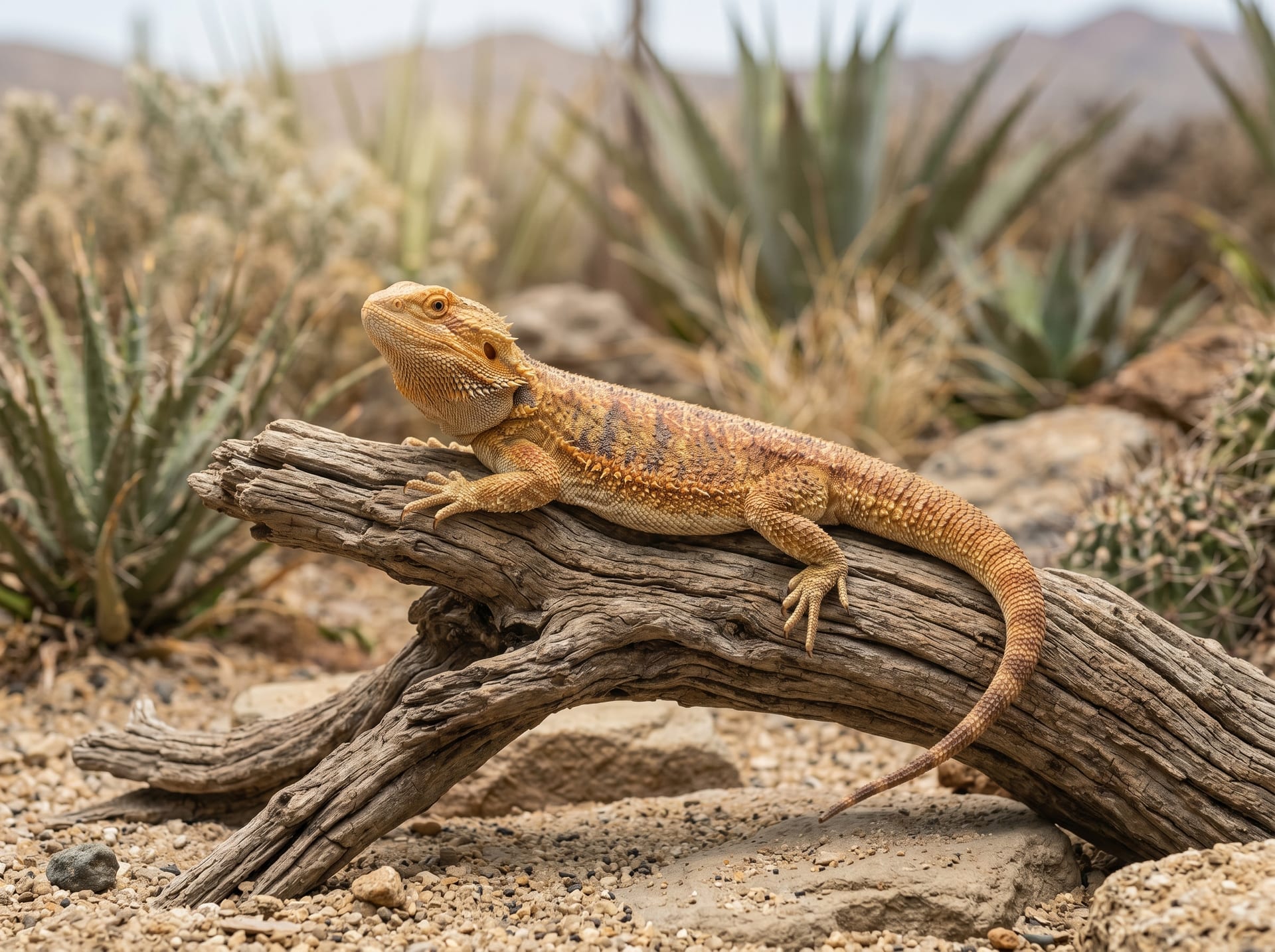
| Bearded Dragon | 38–42°C | 25–28°C |
| Corn Snake | 28–30°C | 22–25°C |
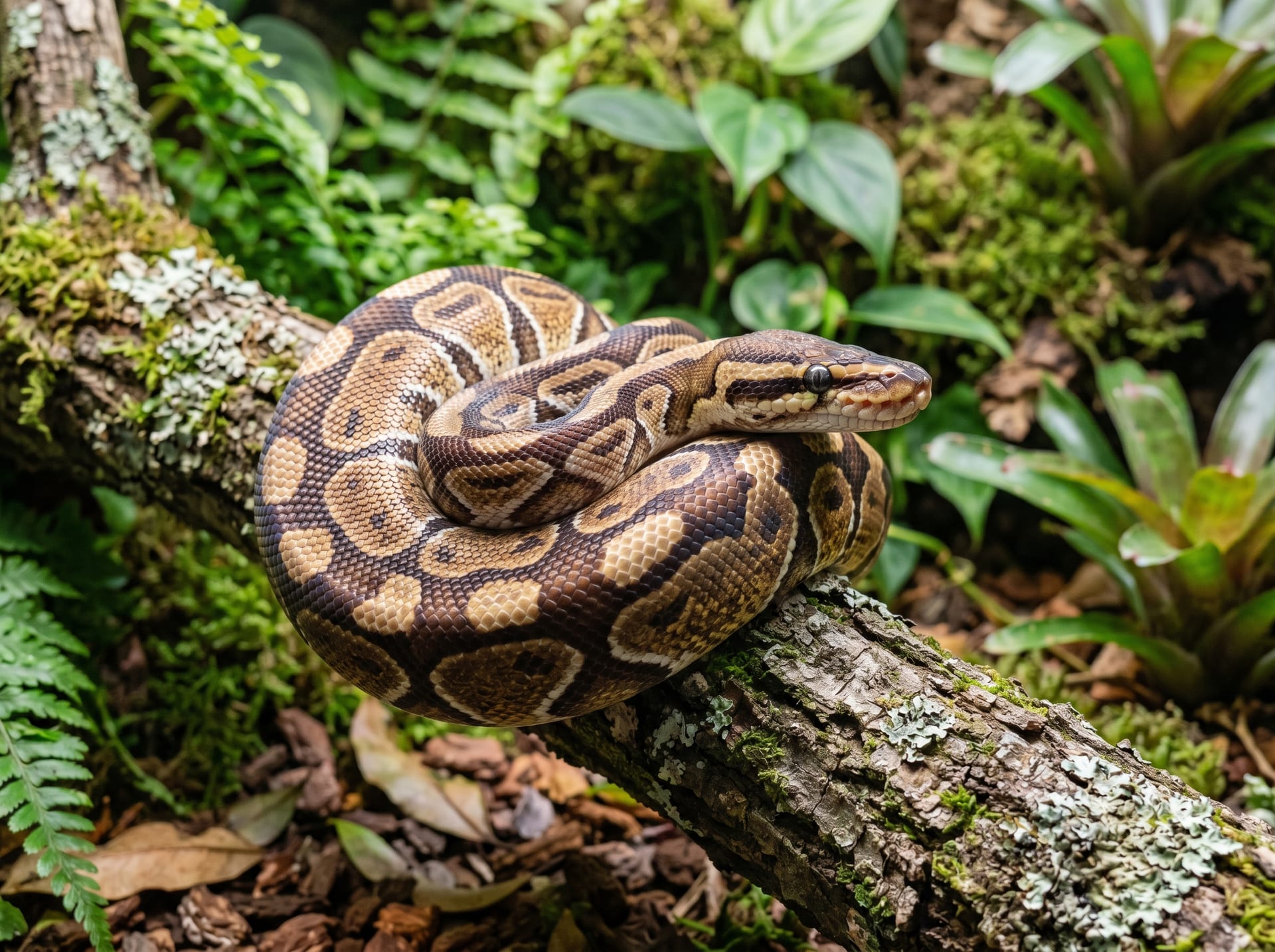
| Ball Python | 30–33°C | 26–28°C |
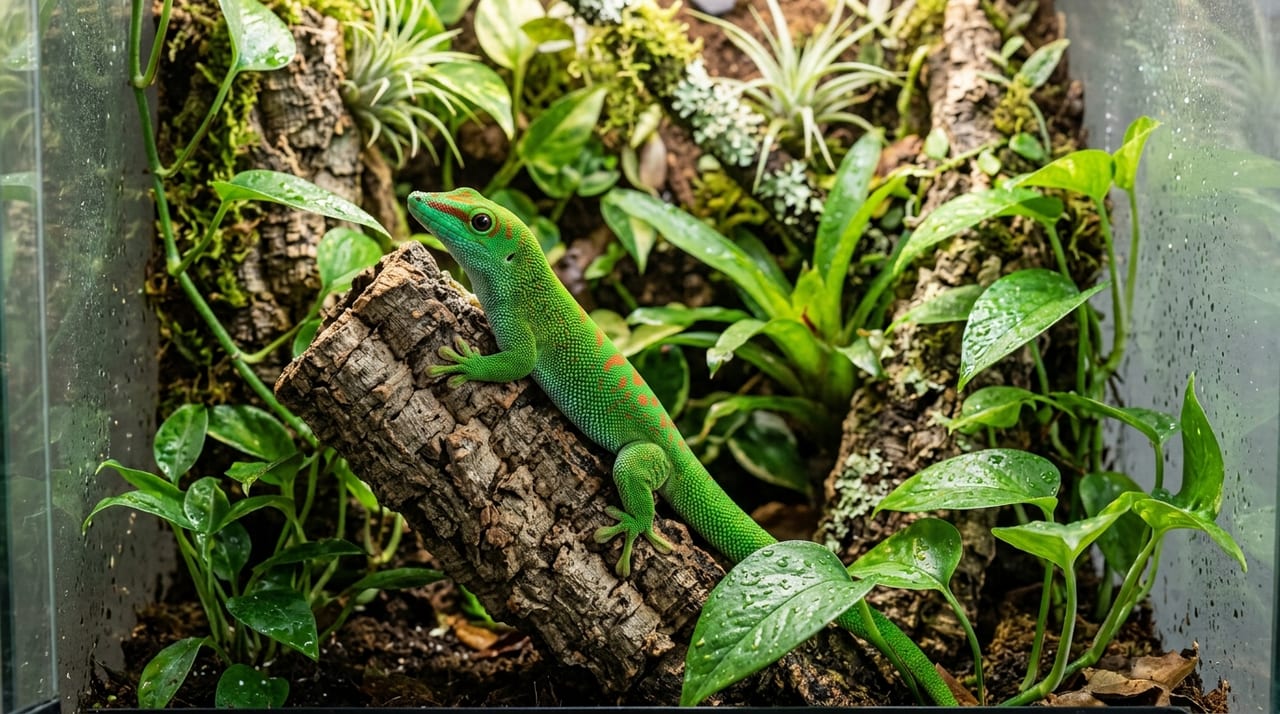
| Crested Gecko | 22–26°C overall (high temps prohibited) | — |
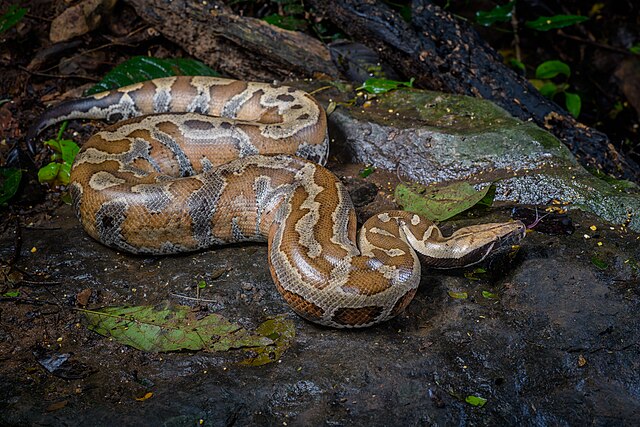
| Heavy-bodied Snakes (Blood Python, etc.) | 31–34°C | 26–28°C |
These are guidelines only. Optimal temperature may vary slightly depending on origin and individual variation.
Choosing a Thermostat and Measuring Equipment
Thermostat is Essential Equipment
A thermostat is a device that automatically turns off the heat source if the temperature rises too high. Manual temperature control is impractical and is especially critical for preventing accidents during summer months.
- On/Off type: A basic switch-style thermostat. Affordable and easy to use
- Proportional control (PWM): Makes fine adjustments to output for more stable temperatures. Choose this for precision-critical situations
- Programmable type: Automatically recreates day-night temperature variations. Particularly effective for breeding purposes
Position the sensor near the center of the hot spot and secure it where the animal cannot directly touch it.
Keep at Least Two Thermohygrometers
One thermohygrometer alone cannot confirm the thermal gradient. Place one on the hot spot side and another on the cool spot side. Digital models are easier to read and are convenient if they display humidity simultaneously. Cheap models often have accuracy issues, so comparing multiple units after purchase for calibration gives peace of mind.
An infrared thermometer (non-contact type) is also handy. It quickly measures surface temperature on the floor and is invaluable for spot-checking the actual temperature of basking spots.
Humidity Management in Practice
Dry-Climate Species (40–50% Humidity)
Species originating from arid and desert regions, such as Leopard Geckos and Sand Boas, prefer low humidity. Special humidification is usually unnecessary during normal management, but we strongly recommend providing a humid shelter before and after shedding.
A humid shelter is a shelter with holes drilled in the lid, filled with moistened sphagnum moss or vermiculite. The animal can enter to self-select a locally high-humidity environment. Since incomplete shedding can cause necrosis of retained skin on the toes and around the eyes, early intervention is important.
High-Humidity Species (60–80% Humidity)
Species native to tropical rainforests, such as Crested Geckos, Tree Pythons, and Green Iguanas, require high humidity. Management methods are as follows:
- Misting: Spray the enclosure walls once or twice daily. Avoid spraying the animal directly
- Misting system: Automatic spraying on a timer. Especially convenient when keeping multiple high-humidity species
- Substrate choice: Using hygroscopic materials such as coconut husk or aspen chips helps stabilize humidity
In high-humidity environments, ensuring proper ventilation is also important. Enclosures with insufficient airflow promote mold and bacterial growth, so choose an enclosure with appropriate ventilation openings.
Summary
Reptile temperature and humidity management is a process of the keeper actively "building" the environment. While ongoing maintenance is not burdensome once set up, initial configuration and regular monitoring form the foundation of health management.
To summarize the key management points:
- Always establish a thermal gradient (hot spot + cool spot)
- Use a thermostat for automatic temperature control to prevent accidents
- Place thermohygrometers on both hot and cool sides and check regularly
- Vary humidity management methods between dry-climate and high-humidity species
- Provide a humid shelter before and after shedding to prevent incomplete shedding
Additionally, even within the same species, preferred temperature ranges may vary by origin and individual. On BreederDirect, you can ask breeders who have raised reptiles directly: "What temperature management did you use for this individual?" before purchase. Receiving advice based on that individual's specific care history—not just general species data—is a major advantage unique to buying directly from breeders. Before setting up your reptile's environment, definitely consult with BreederDirect's breeders.