Complete Guide to Reptile Humidity Management and Automatic Misting Systems
Explains the importance of humidity management in reptile care and how to choose and install automatic misting systems. Introduces proper humidity ranges by species, differences from manual misting, recommended equipment, and maintenance tips.
Key Takeaways
Explains the importance of humidity management in reptile care and how to choose and install automatic misting systems. Introduces proper humidity ranges by species, differences from manual misting, recommended equipment, and maintenance tips.
Related Species
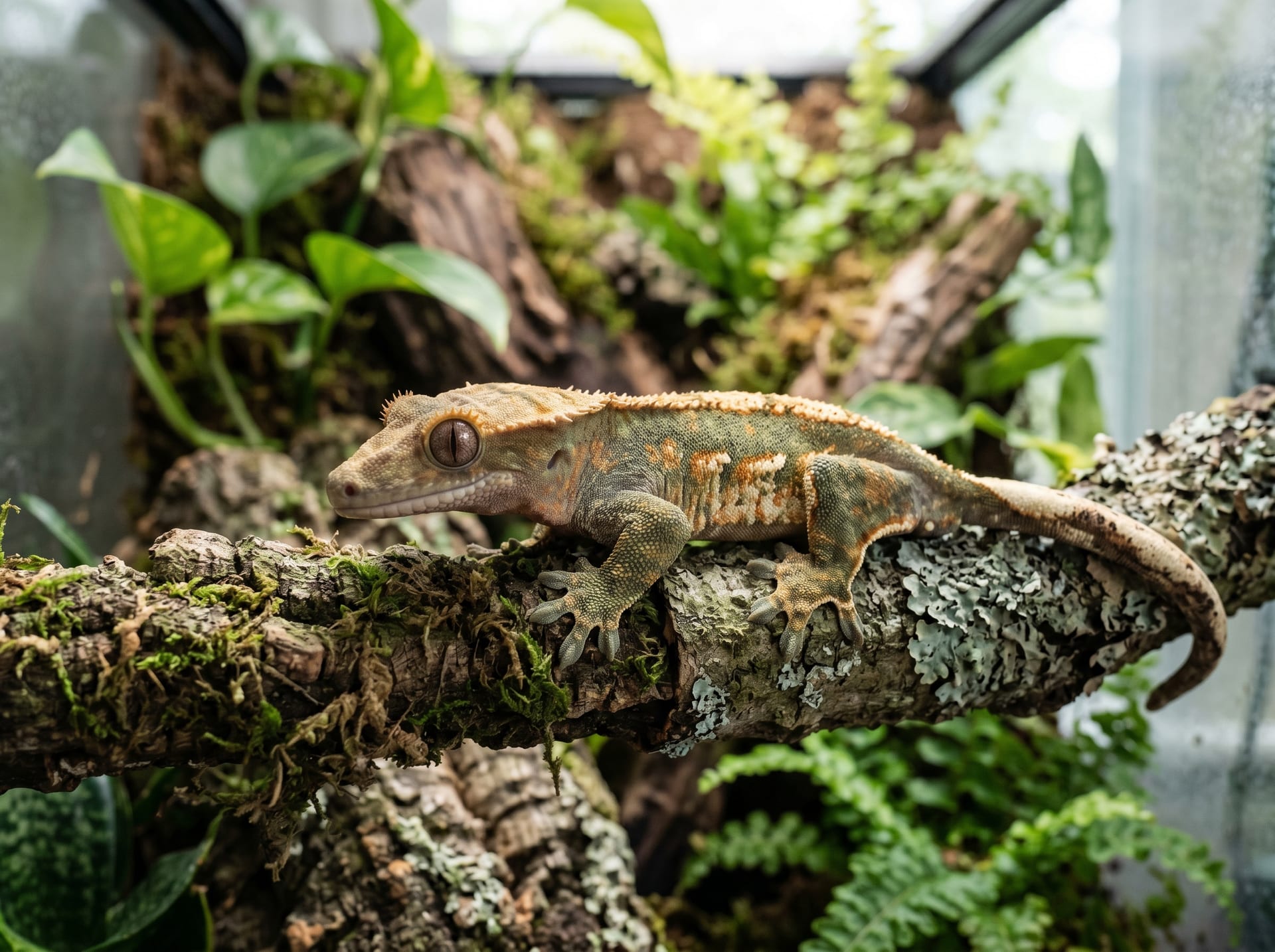
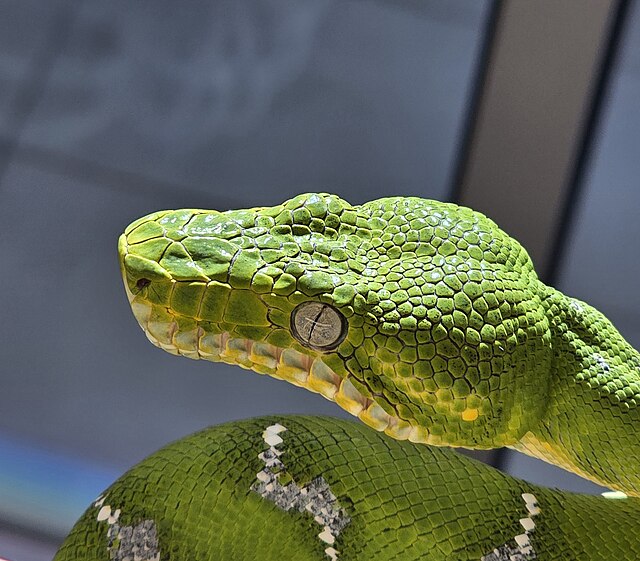
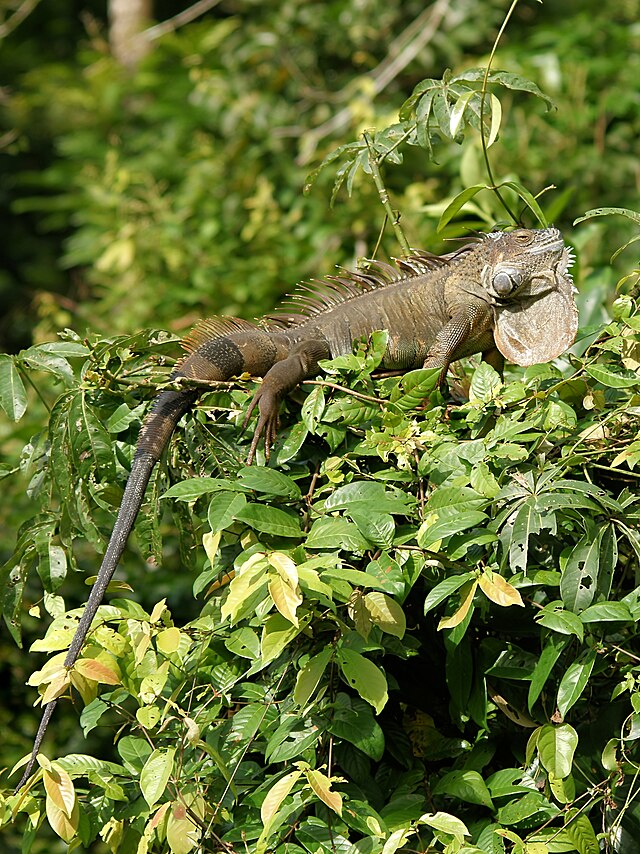
In reptile care, humidity management is just as important as temperature control. In particular, tropical and forest-dwelling species such as chameleons, crested geckos, emerald tree boas, and green iguanas require high humidity. Conversely, desert species like leopard geckos and rough-backed leaf-tailed geckos can have their health compromised by excessive humidity. This article provides a thorough explanation of proper humidity ranges by species and methods to maintain them stably.
Why Humidity Management Matters
Impact on Shedding
If humidity is too low, the old skin dries out during shedding and adheres to the body, making shedding problems more likely to occur. In particular, incomplete shedding on the toes, eye caps, and tail tips can lead to necrosis.
Impact on Respiratory Health
If humidity is too high, mold can develop in the enclosure, and gram-negative bacteria proliferate in hot, humid environments, increasing the risk of pneumonia and mouth rot (stomatitis). Balancing ventilation and humidity is crucial.
Relationship with Hydration
Many arboreal reptiles, particularly chameleons, have the habit of drinking from water droplets on leaves rather than still water surfaces. Misting and automatic misting systems function as a "water source" for hydration.
Proper Humidity Range by Species
Humidity needs vary greatly by species. Please use the following as a reference, and base your target on the native climate of the species you are bringing home.
Reptile
Target Humidity Range
Leopard Gecko (Leo)
40–60% (high humidity in shelter only)
Bearded Dragon
✍️
BreederDirect Editorial
The BreederDirect editorial team specializes in care information for animals, covering veterinary care and breeding to deliver beginner-friendly guides.
Find Reptiles on BreederDirect
Buy directly from verified breeders
Browse Related Listings
Find Reptiles listings related to this article on BreederDirect. Buy directly from verified breeders.
50–70% (daytime) / 80–100% (nighttime / immediately after misting)
Emerald Tree Boa
70–90%
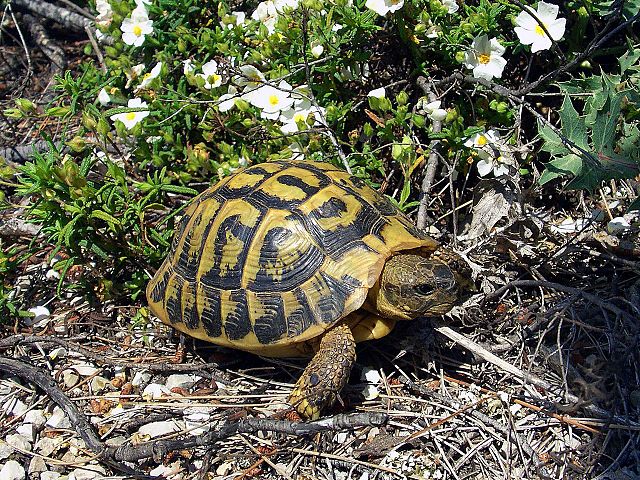
Tortoise (Hermann's Tortoise, etc.)
40–60%
Green Iguana
70–80%
Basic Methods for Humidity Management
1. Manual Misting
This is the simplest method. Fill a commercial spray bottle with tap water (with chlorine removed for one day, or dechlorinated water) and mist the enclosure one to two times daily.
Advantages
Low cost
No equipment needed
Disadvantages
Cannot be managed when busy or away from home
The mist can be coarse, making it difficult to distribute evenly on enclosure walls and leaf surfaces
2. Waterfalls / Water Flow Systems
By continuously running water with a small circulation pump, you maintain a constantly moist environment while also meeting the drinking needs of arboreal reptiles. However, management of water scale and bacterial growth is necessary, requiring cleaning at least once per week.
3. Fog Machine (Ultrasonic Humidifier)
This device emits water in a mist using ultrasonic vibrations. Many pet versions are available commercially.
Advantages
Fine mist can be distributed evenly
Can be automated in combination with a timer
Disadvantages
Ultrasonic devices release water calcium as fine particles, making white mineral deposits likely on enclosure walls and glass surfaces
If the water tank is not cleaned regularly, mold and bacteria develop
If ventilation is insufficient, the enclosure tends to become excessively humid
Recommended Usage
Using distilled water or RO water reduces mineral deposit problems
Run on a timer for nighttime only (many tropical species are adapted to environments where humidity increases at night)
4. Automatic Misting System
This system, composed of a timer and nozzles, automatically mists at set times. It has become popular primarily among chameleon keepers.
System Components
Main pump (electric)
Timer (programmable)
Branch tubes and spray nozzles (atomizer nozzles)
Water tank (approximately 2–10 liters)
Setup Tips
Misting duration: 30–60 seconds per session is the guideline
Misting frequency: Varies by species and season, but typically 2–4 times daily for chameleons
Nozzle direction: Set to spray leaf surfaces, ensuring mist does not hit the individual directly (this can cause stress)
Enclosure ventilation: After misting, ensure moisture does not become trapped; ventilation through air vents and mesh surfaces is important
Important Note
While automatic misting functions as a "hydration method," continued observation of whether the individual is actually drinking water remains necessary.
Environmental Design for Stable Humidity
Substrate Selection
Substrate plays a major role in humidity stability.
Jungle Mix / Coco husk substrate (Cage Farm Core, etc.): Absorbs and retains moisture, suitable for bioactive setups
Terrarium Coir (coco fiber): High moisture retention, ideal for tropical species
Sand / Calci-sand: Low moisture retention, suitable for arid species
Paper towels: Clean and easy to replace, but has virtually no moisture retention
Use of Live and Artificial Plants
Planting real plants in the enclosure (such as pothos, philodendron, and Strobilanthes—species non-toxic to reptiles) maintains natural humidity through plant transpiration. This is particularly effective in bioactive setups. Artificial plants can also help by allowing water to cling to leaf surfaces, but they dry quickly and remain supplementary.
Balancing Ventilation and Humidity
Excessive ventilation dries out the enclosure, while insufficient ventilation traps moisture and promotes mold growth. The ideal is an environment where "after misting it becomes moist, but returns to proper humidity within a few hours."
Enclosures with mesh only on top and glass front panels (such as Exo Terra and ZooMed) are easy to balance
For species requiring very high ventilation like chameleons, all-mesh enclosures (such as Reptibreeze) are suitable
Proper Use of Hygrometers
Pay Attention to Placement Location
A single hygrometer in the enclosure may not accurately reflect actual conditions. Since humidity differs between the top and bottom of the enclosure, if possible, place meters in two locations to track the trend.
Analog vs. Digital
Analog hygrometers are often inaccurate and unsuitable for reptile care. We recommend using digital thermohygrometers and either checking accuracy regularly or comparing readings from two units placed side by side.
Responding to Seasonal Humidity Changes
Japan has four seasons, with most regions experiencing high heat and humidity in summer and dryness in winter.
Summer: High temperature and humidity indoors affect the enclosure, making arid species prone to excessive humidity. Focus on dehumidification and ventilation.
Winter: Indoor drying from heating lowers enclosure humidity. Increase fog machine and misting frequency, paying attention to shedding problems.
Choosing Water for Misting
Using tap water directly causes calcium and chlorine to accumulate in the enclosure. Consider the following options:
Dechlorinated tap water: Removes chlorine but does not change hardness
RO water (reverse osmosis filtered water): Ultra-soft water with most minerals removed. Particularly popular among chameleon keepers
Distilled water: Pure water similar to RO water. Commercial products can be costly
Commercial soft mineral water: Choose products with low calcium and magnesium content
Conclusion: Humidity Management Suited to Your Species and Environment
There is no one-size-fits-all answer to reptile humidity management—the ideal solution varies by species, enclosure design, season, and care environment. Start by gathering data with a thermohygrometer to understand your current conditions. While automatic misting systems and fog machines require initial investment, they greatly reduce management effort and ensure stability during your absence—they are reliable tools.
As you prepare to bring home a reptile, we recommend asking breeders listing on BreederDirect the question "What equipment do you use to manage humidity?" By referring to the equipment breeders actually use, your transition to a new environment after bringing your new pet home will be smoother. Once you have set up your ideal care environment, please search for your ideal individual on BreederDirect.