Complete Guide to Emergency Treatment and Prevention of Reptile Dysecdysis | Shedding Problems in Leopard Geckos, Ball Pythons, and Bearded Dragons
Reptile dysecdysis is a dangerous condition that can cause circulatory disorders and necrosis. This article explains, from a breeder's perspective, the safe methods for removing old shed stuck on the toes, tail tips, and eyes (spectacles), as well as humidity management, warm-bath procedures, and species-specific precautions.
Key Takeaways
Reptile dysecdysis is a dangerous condition that can cause circulatory disorders and necrosis. This article explains, from a breeder's perspective, the safe methods for removing old shed stuck on the toes, tail tips, and eyes (spectacles), as well as humidity management, warm-bath procedures, and species-specific precautions.
Related Species
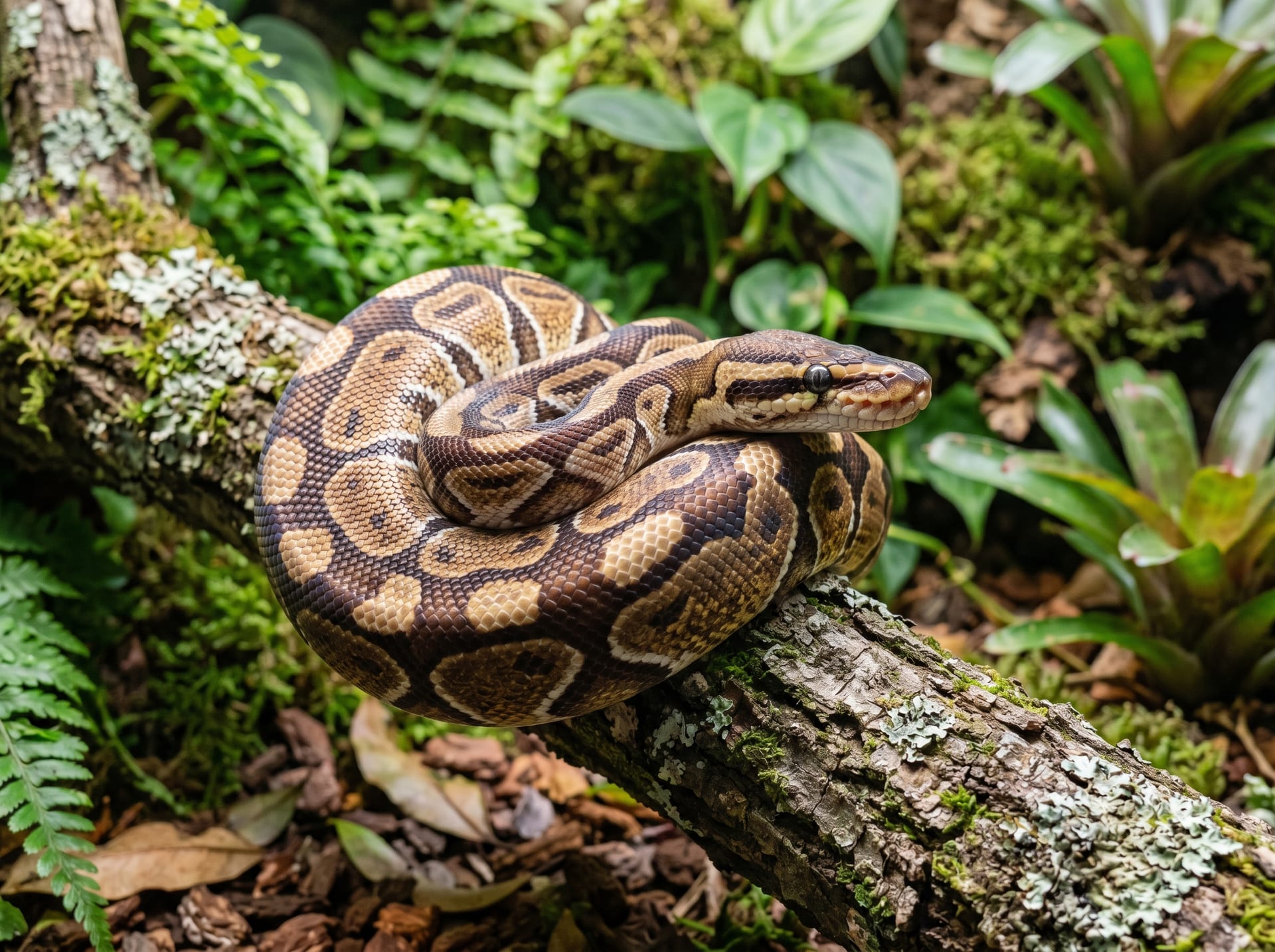
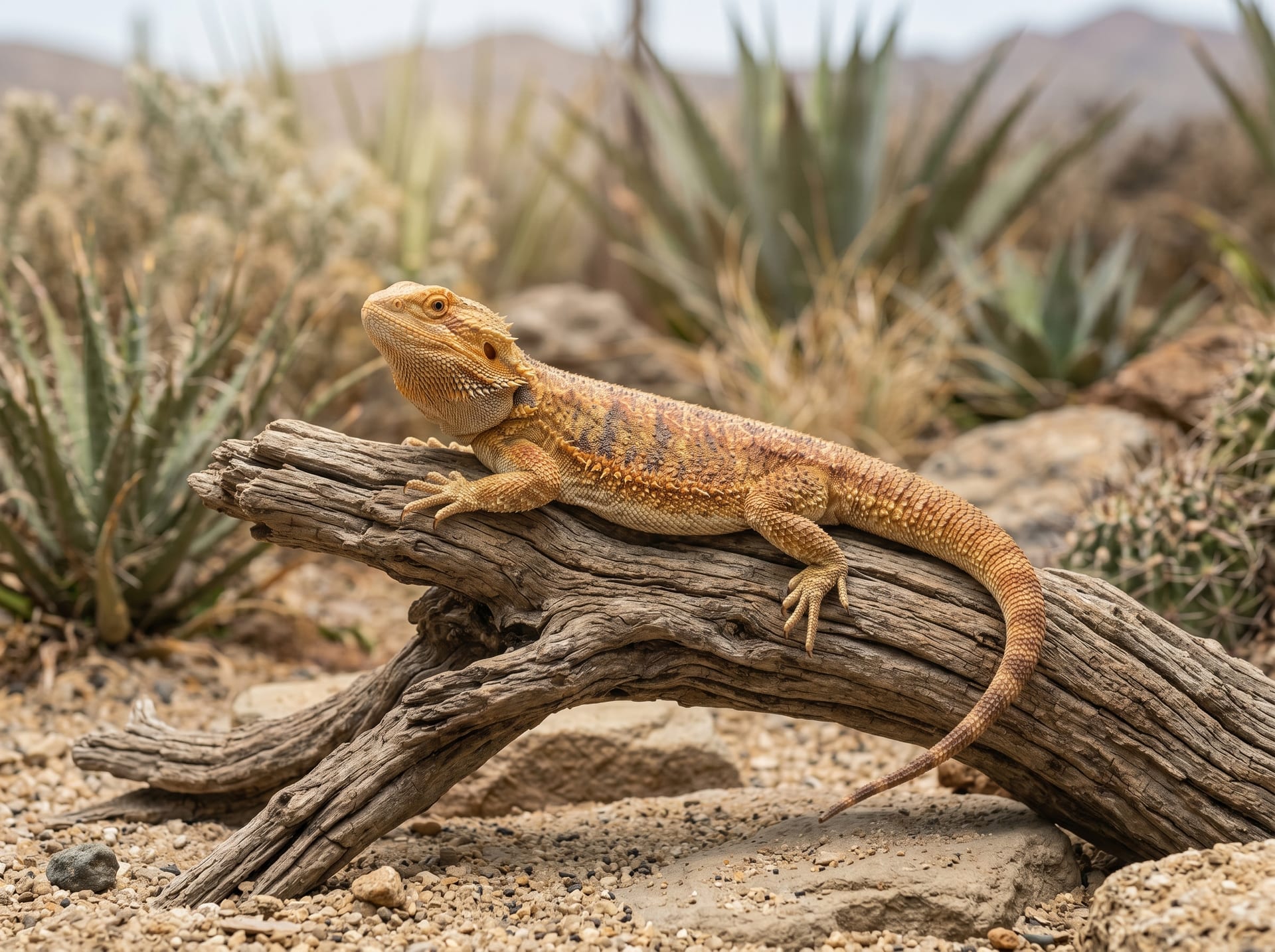
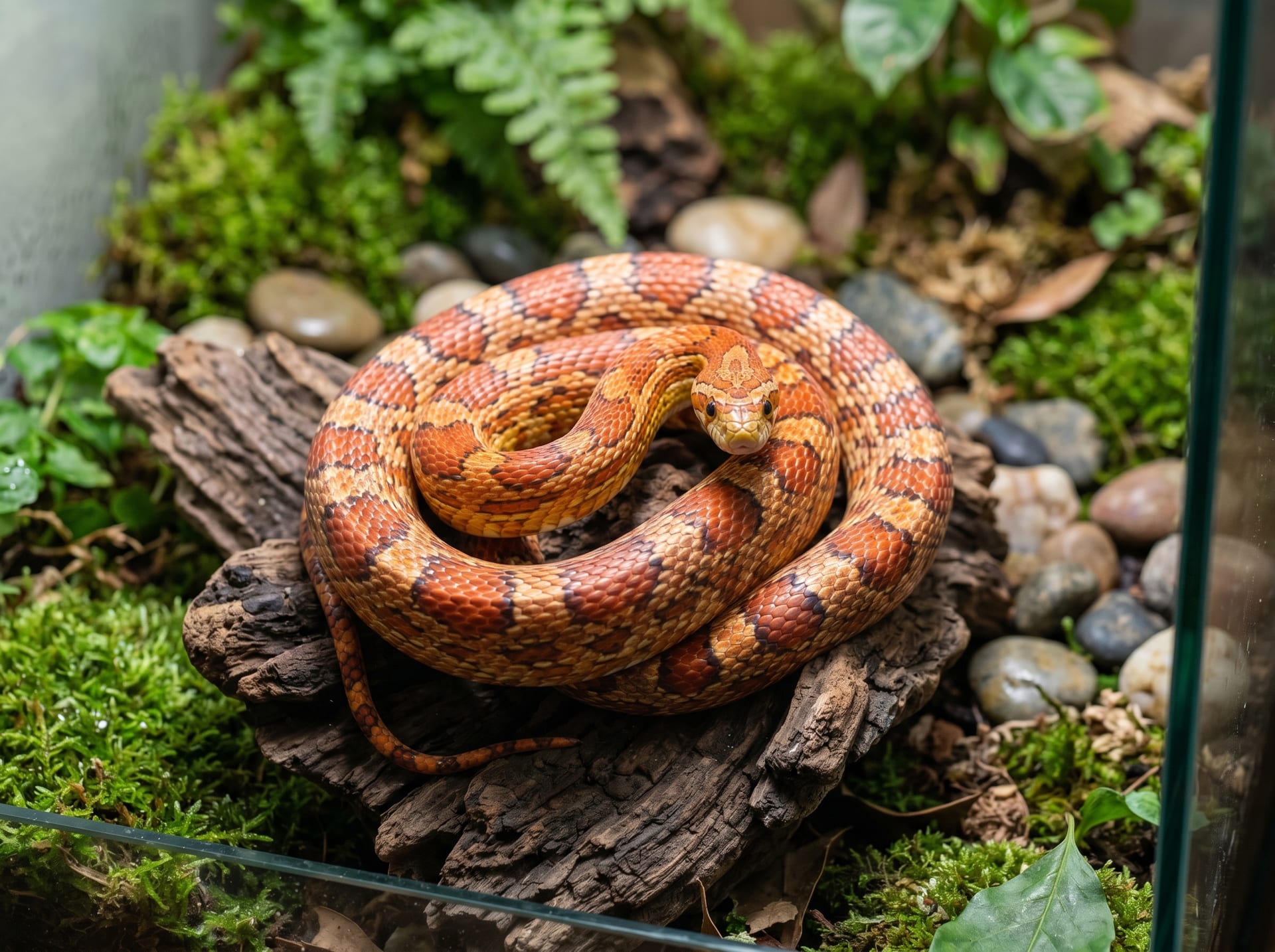
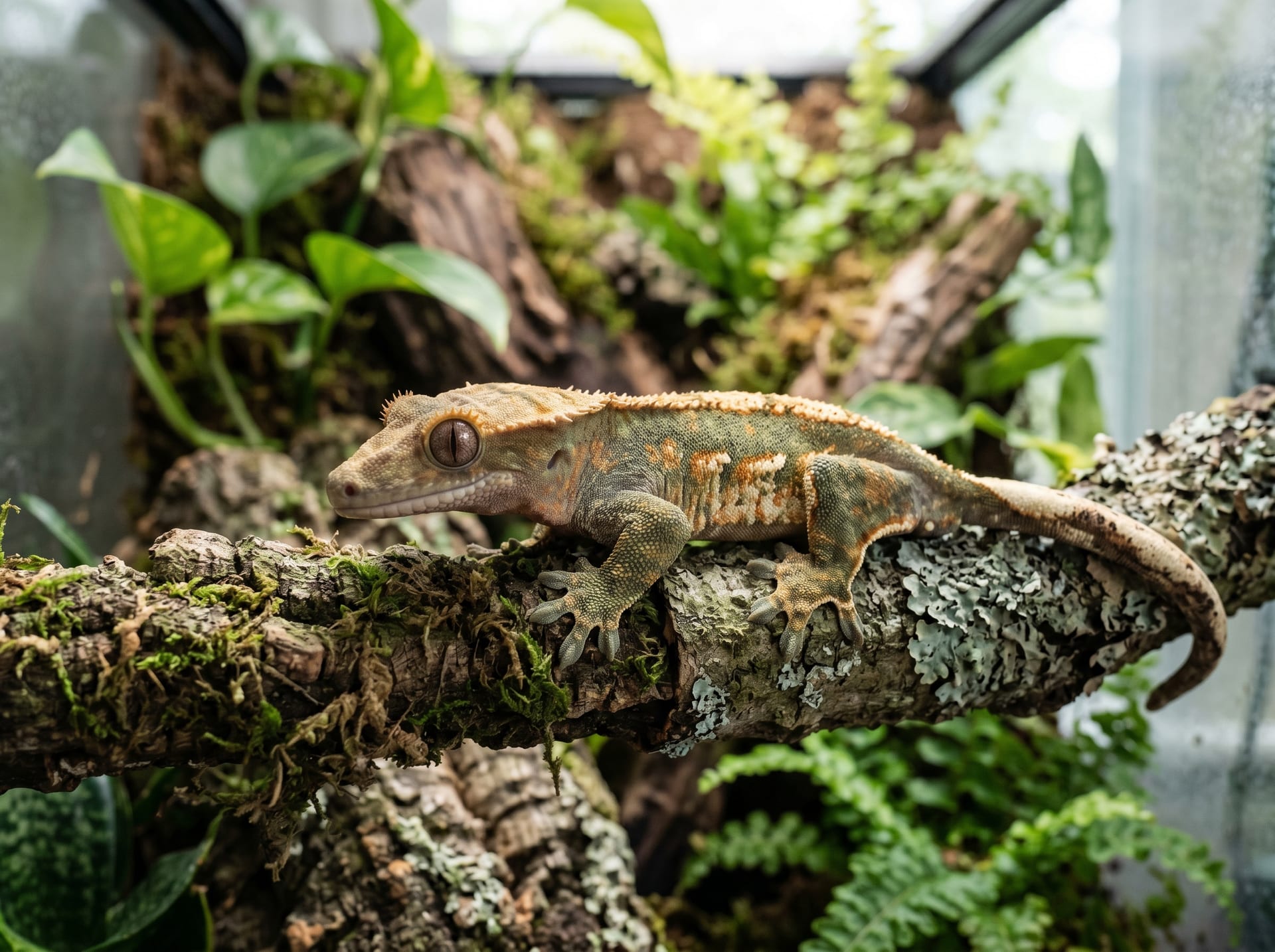
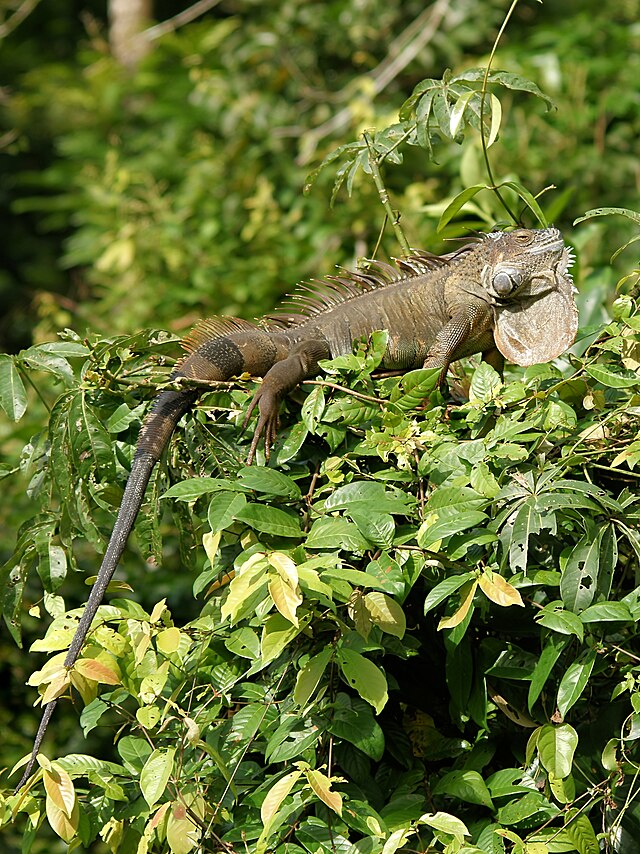
In reptile husbandry, dysecdysis (improper shedding) is a serious problem that can cause tissue necrosis of the toes and eye damage if left untreated. It occurs frequently in leopard geckos, ball pythons, and bearded dragons due to humidity management failures. This article explains emergency treatment and prevention strategies for dysecdysis from an expert's perspective.
What Is Dysecdysis and Why Is It Dangerous?
Dysecdysis refers to a condition where old skin fails to shed normally and remains on the body surface. Healthy reptiles typically shed their entire skin at once, but incomplete shedding can occur due to insufficient humidity, poor nutrition, or mite infestation.
The most dangerous cases occur when old shed remains in a ring-like band around the toes or tail tips. As the retained shed constricts, it restricts blood flow, and if left untreated, the tissue dies and toes or tail tips can fall off. A spectacle (eye cap) retained on the eye can cause vision problems or corneal inflammation, and when multiple sheds accumulate, the risk of blindness increases significantly.
In geckos, dysecdysis most commonly affects the toes. In snakes, spectacle retention on the eyes is typical. In lizards, partial retention on the limbs and tail is characteristic. Early detection and prompt treatment are critical for all species.
Emergency Treatment by Location: Practical Safe Shed Removal
Toe and Tail Tip Dysecdysis
Toe dysecdysis is most common in leopard geckos and crested geckos. When old shed is constricting the toes, follow these steps:
- Warm bath treatment: Place the reptile in a shallow container of lukewarm water at 30–32°C for 10–15 minutes to soften the old shed. Adjust water depth so the animal cannot drown (less than half its body height).
- Waiting in a humid environment: After the warm bath, place the reptile in a plastic enclosure lined with damp paper towels for 30 minutes to 1 hour. The old shed often begins to peel naturally.
- Removal with tweezers: If the shed still won't come off, use tweezers with rounded tips to carefully lift the edge of the old shed, then gently peel it away—do not pull. Pulling forcefully can damage new skin. If you feel resistance, stop immediately.
Tail tip shed can be treated the same way, but be aware that geckos can drop their tails if stressed, so avoid excessive handling.
Spectacle Retention on the Eye
In ball pythons and corn snakes, the spectacle (eye cap) sometimes fails to shed with the rest of the skin. This area requires more careful handling than other sites.
- How to check: When shedding is normal, a transparent membrane (spectacle) remains in the eye area of the shed skin. If the individual's eye appears cloudy or the spectacle is not present in the shed skin, retention is likely.
- Warm bath and humid environment: Perform the same warm bath treatment as for toes, then keep the animal in a humid environment and monitor for 24 hours. In most cases, the spectacle sheds naturally at the next shed cycle.
- Consult a specialist: If the spectacle remains after two or more shed cycles, self-treatment is risky. Consult a reptile veterinarian and seek professional removal if necessary.
Forcibly removing the spectacle can damage the cornea, risking blindness and infection. Never attempt amateur removal.
Partial Body Dysecdysis
In bearded dragons and green iguanas, old shed sometimes remains in patches on the limb joints and belly. These areas carry relatively low risk, but can cause dermatitis if left untreated.
Repeat warm baths and humid environment treatments, allowing the old shed to fall off naturally. Forcing removal risks bleeding and infection, so be patient and let removal happen over a few days. If the skin under the retained shed appears red and swollen, bacterial infection may be present—seek veterinary examination.
Preventing Dysecdysis: Humidity Management and Environmental Setup
Insufficient humidity is the primary cause of dysecdysis. Maintaining appropriate humidity for each species is the foundation of prevention.
Leopard Geckos
Normal humidity of 40–50% is acceptable, but 2–3 weeks before shedding (when body color turns whitish), increase humidity to 60–70%. Provide a permanent wet shelter (a shelter filled with moistened sphagnum moss) so the gecko can choose a humid microclimate.
Ball Pythons
Pre-shedding humidity of 70–80% is ideal. If raising humidity across the entire enclosure is difficult, temporarily move the snake to a smaller plastic container lined with damp sphagnum moss before shedding. Simply switching to a larger water bowl can also raise humidity.
Bearded Dragons
As desert-dwelling reptiles, normal humidity is 30–40%, but should reach 50–60% before shedding. Light misting of the enclosure twice daily, or warm baths 2–3 times weekly when shedding signs appear, is effective.
Nutrition Management and Other Prevention Strategies
Beyond humidity, several factors reduce dysecdysis risk.
Calcium and Vitamin D3 Supplementation
Calcium and vitamin D3 are essential for healthy skin. For leopard geckos and bearded dragons, dust live food with calcium powder and use a vitamin D3 supplement 1–2 times weekly. Snakes usually get adequate nutrition from frozen-thawed mice, but consider vitamin supplements for underweight or growing individuals.
UVB Lighting
Lizards (especially bearded dragons) require UVB exposure for vitamin D3 synthesis. Regularly check that UVB bulbs are working and positioned at correct distances. While geckos are often said not to need UV light, research suggests mild UVB benefits skin health.
Mite Control and Hygiene
Mite infestation causes dysecdysis. If you see small black or red bugs in the enclosure, use a reptile-safe mite treatment and completely replace the substrate. Mites congregate on shedding animals and interfere with skin peeling.
Species-Specific Considerations and Special Cases
Leopard Gecko Toe Necrosis
Repeated toe dysecdysis in leopard geckos eventually leads to sequential digit loss. Once necrosis begins, it is permanent, so inspect the toes during every shed cycle. If dysecdysis continues despite using a wet shelter, the overall enclosure humidity is likely too low.
Ball Python Pre-Shedding Anorexia
Ball pythons often refuse food for 1–2 weeks before shedding. Force-feeding during this period causes stress and increases dysecdysis risk. When the eyes turn cloudy, stop feeding and focus on humidity management.
Bearded Dragon Partial Shedding
Bearded dragons may not shed all at once; instead, the head, body, limbs, and tail shed in sequence. This is normal, but maintain humidity management until all areas have finished shedding.
Dysecdysis in Elderly and Recovering Reptiles
Older reptiles and those recently recovering from illness are prone to incomplete shedding. Provide more careful humidity management and nutritional support than usual, consulting a veterinarian if needed.
Summary: Early Detection and Proper Treatment Are Key
Dysecdysis is one of the most common problems in reptile husbandry, but proper humidity management and early intervention prevent most cases. Recognize shedding signs (cloudy body color, cloudy eyes, reduced appetite) and prepare the environment before shedding begins.
Remove old shed from toes and tail tips promptly, but never force removal of eye cap spectacles—consult a specialist. Following this principle avoids serious complications. Warm baths are effective, but monitor water temperature and prevent drowning while avoiding excessive stress.
If self-treatment fails or you notice bleeding, swelling, or discoloration, promptly consult a reptile veterinarian. With proper care, your reptile will shed repeatedly in a healthy environment.