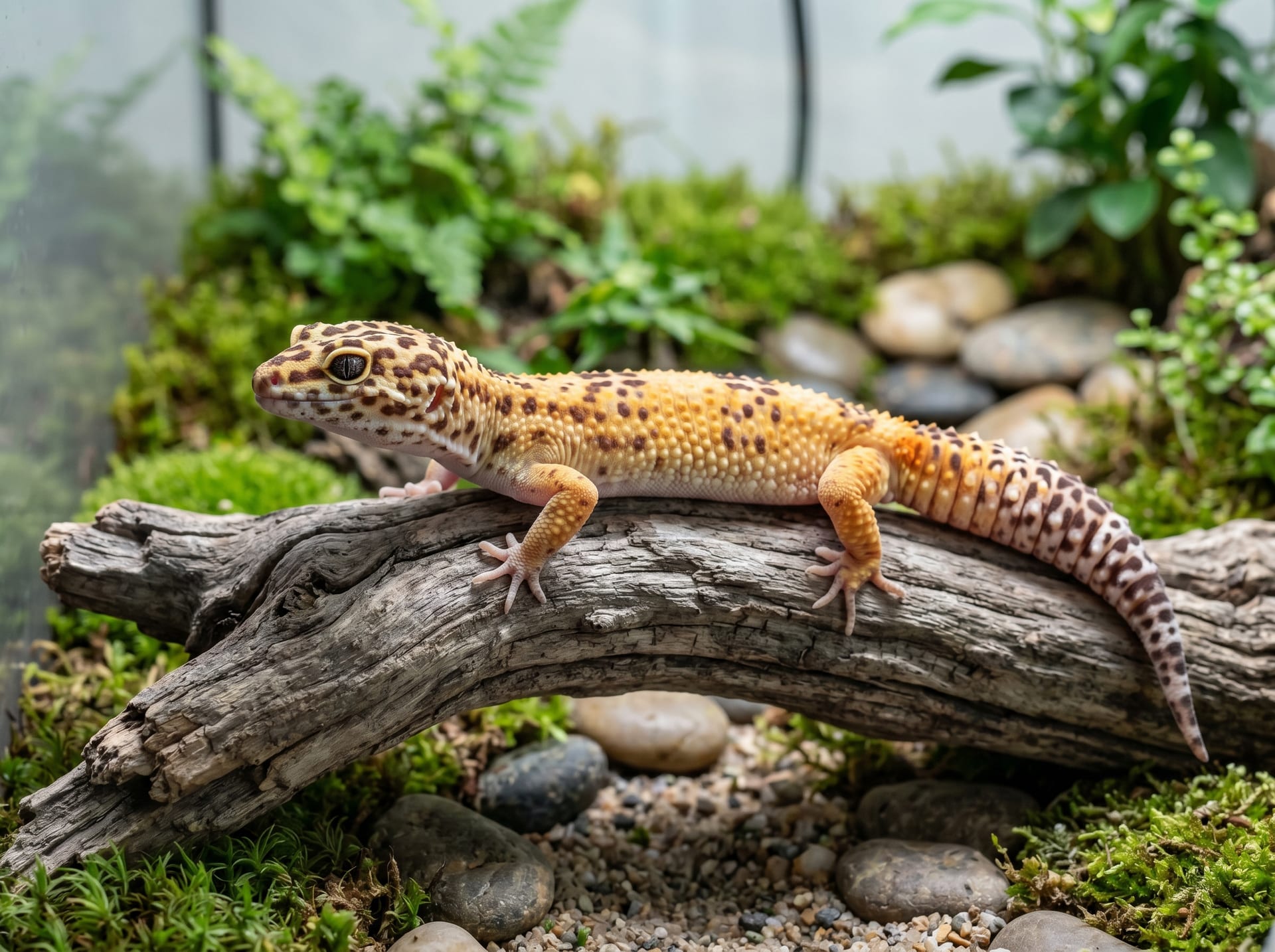
Complete Guide to Lizard & Gecko Molting Care | Causes, Prevention, and Emergency Treatment for Shedding Dysfunction
A detailed explanation of molting problems and solutions specific to lizards and geckos. A practical guide to the causes and prevention of shedding dysfunction, as well as emergency treatment for bearded dragons, leopard geckos, crested geckos, and other gecko species.
Key Takeaways
A detailed explanation of molting problems and solutions specific to lizards and geckos. A practical guide to the causes and prevention of shedding dysfunction, as well as emergency treatment for bearded dragons, leopard geckos, crested geckos, and other gecko species.
✍️
BreederDirect Editorial
The BreederDirect editorial team specializes in care information for animals, covering veterinary care and breeding to deliver beginner-friendly guides.
Find Reptiles on BreederDirect
Buy directly from verified breeders
Browse Related Listings
Find Reptiles listings related to this article on BreederDirect. Buy directly from verified breeders.
Why Molting Care Is Critical for Lizards and Geckos
Lizards and geckos periodically shed to support growth and skin renewal. In healthy individuals, this typically completes within 1–3 hours on their own, but improper husbandry can cause incomplete shedding, leaving retained skin that leads to necrosis and infection.
Unlike snakes, which shed their entire skin in one piece, lizards and geckos typically shed in multiple sections. The toes, tail tip, and eye area are particularly prone to retained skin—the "danger zones." If old skin remains on the toes, it can restrict blood flow and cause necrosis or loss of digits, making early detection and intervention essential.
Typical Shedding Cycles by Species
Leopard Gecko: Every 4–6 weeks; the cycle lengthens as they mature
Bearded Dragon: Every 2–4 weeks in juveniles; every 2–3 months in adults
Crested Gecko: Every 4–8 weeks; nocturnal nature makes shedding easy to miss
Japanese Lizard & Japanese Grass Lizard: Every 2–4 weeks during growth phases
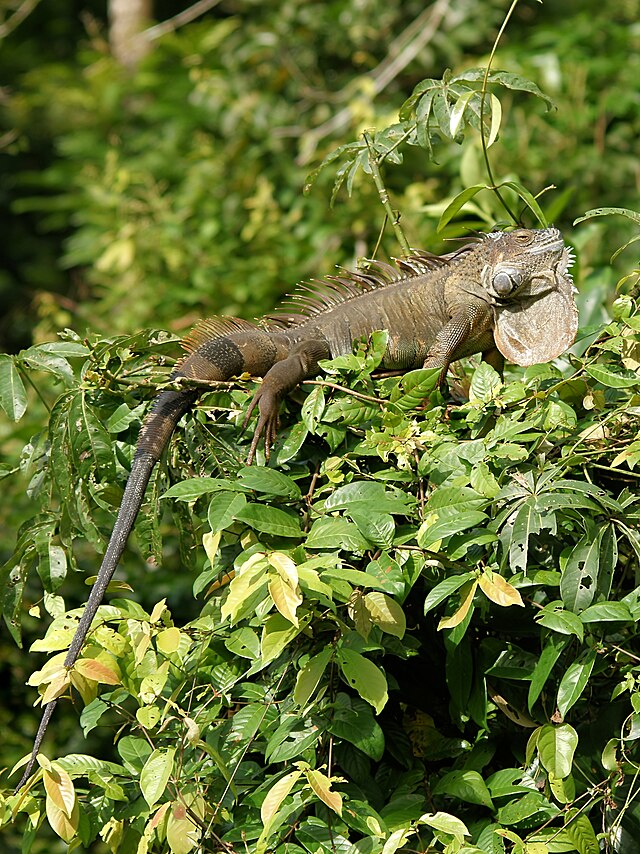
Green Iguana: Every 2–3 months in juveniles; longer cycles in adults
Primary Causes of Incomplete Shedding
Insufficient humidity is the most common cause. Low enclosure humidity causes skin to dry out and adhere to the body rather than shed cleanly. Target 50–70% for leopard geckos, 30–40% for bearded dragons (normal), and 50–60% before shedding.
Lack of shedding aids is equally important. Wet shelters, rough rocks, and driftwood help lizards shed by rubbing against them. Smooth enclosure decor alone cannot facilitate proper shedding.
Dehydration and malnutrition degrade skin health and trigger shedding problems. Vitamin A deficiency particularly affects mucous membranes and skin. Always dust feeder insects with calcium and vitamin powder.
Stress, illness, and injury also impair shedding. Parasitic infections and dermatitis can prevent normal molting.
Don't Miss Pre-Shedding Signs
As shedding approaches, lizards and geckos exhibit these changes:
Dulled or hazy coloration: In leopard geckos, this "pre-shed" state appears as a whitish cast over the entire body
Cloudy or pale eyes (less dramatic than in snakes, but visible in geckos)
Reduced appetite: 1–3 days before shedding, they may refuse food. Don't force-feed.
Behavioral changes: More hiding and increased time in water bowls
During this period, raising humidity by 10–15% and ensuring the wet shelter is filled with fresh water are key to successful shedding.
Emergency Treatment for Incomplete Shedding
If old skin remains on the body after shedding ends, treat it promptly.
Warm-water soaking is the safest emergency treatment:
Prepare lukewarm water around 35°C (too hot risks burns)
Fill to the depth of the lizard's back (avoid drowning)
Soak for 10–15 minutes
Using a clean, damp cloth or cotton, gently rub away old skin in the direction of the body
Don't pull forcefully; remove retained skin across multiple soaks if needed
Retained toe skin requires special attention. Rubber-band-like retained skin restricts blood flow; after soaking, use a cotton swab or damp cotton to gently roll and remove it from the toe. If it persists, consult a reptile veterinarian.
Proper Use of Wet Shelters
Wet shelters (terracotta or porous shelters with water) are essential for aiding shedding in leopard geckos and crested geckos. The shelter maintains 70–90% humidity, allowing lizards to enter and rub off old skin naturally.
Refill water daily and sanitize the shelter weekly with sunlight or hot water to prevent mold. Adding cork bark or rough stones further enhances shedding assistance.
Species-Specific Notes
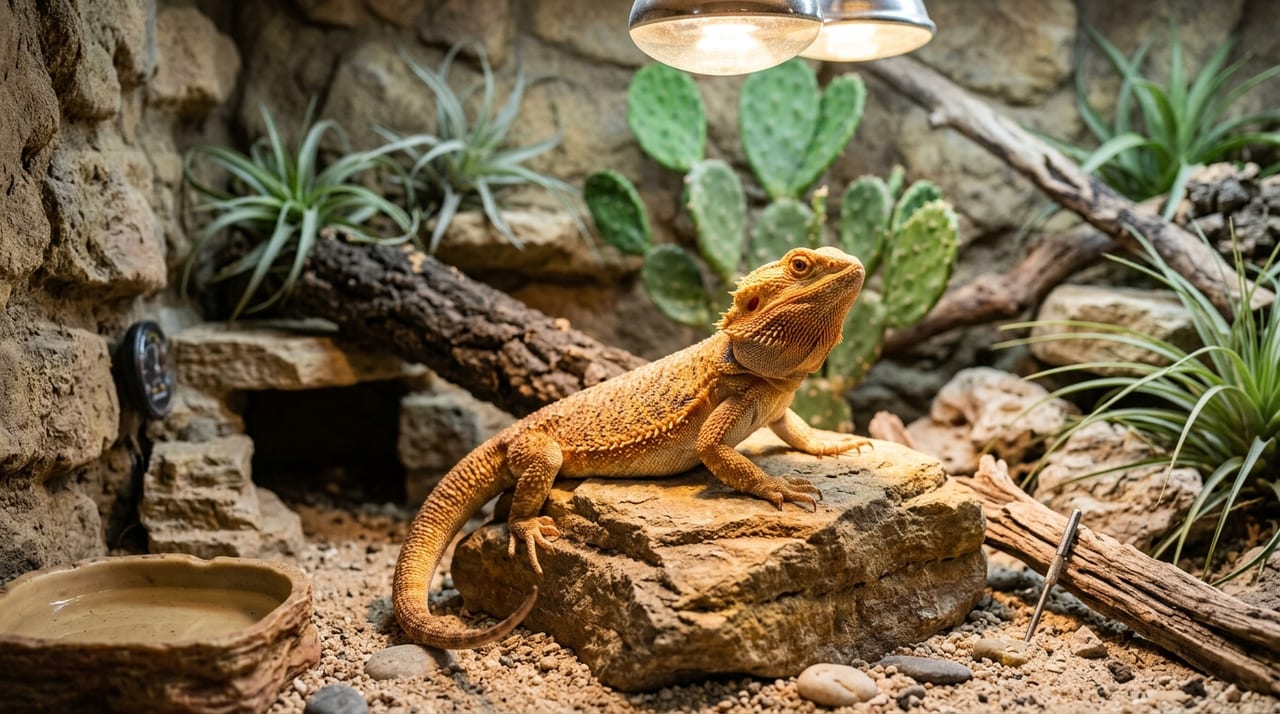
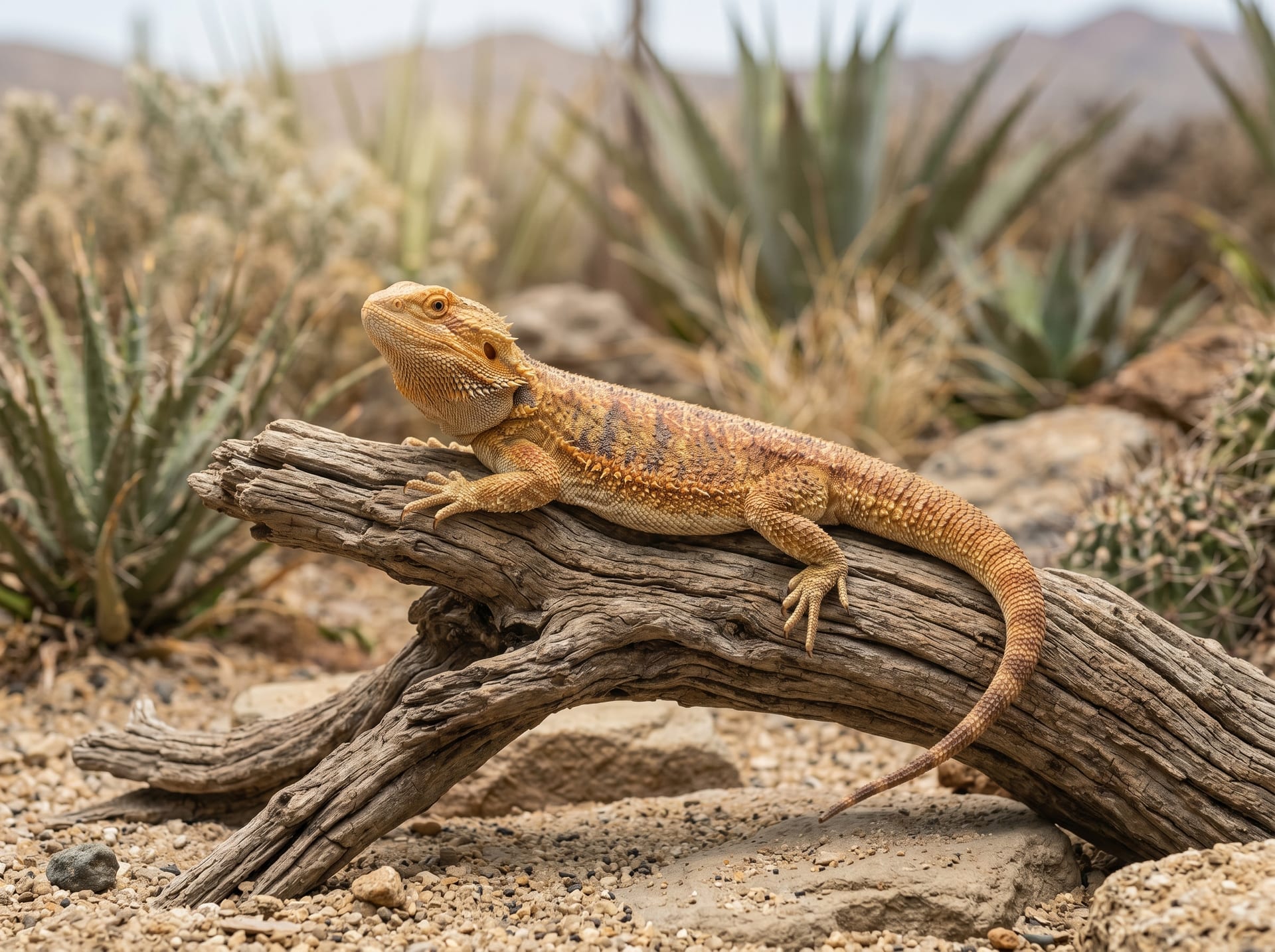
Bearded Dragons are hardy and rarely experience shedding problems, but retained skin on the head and toes does occur. Partial shedding that covers the face blocks vision and causes anorexia, so address it quickly.
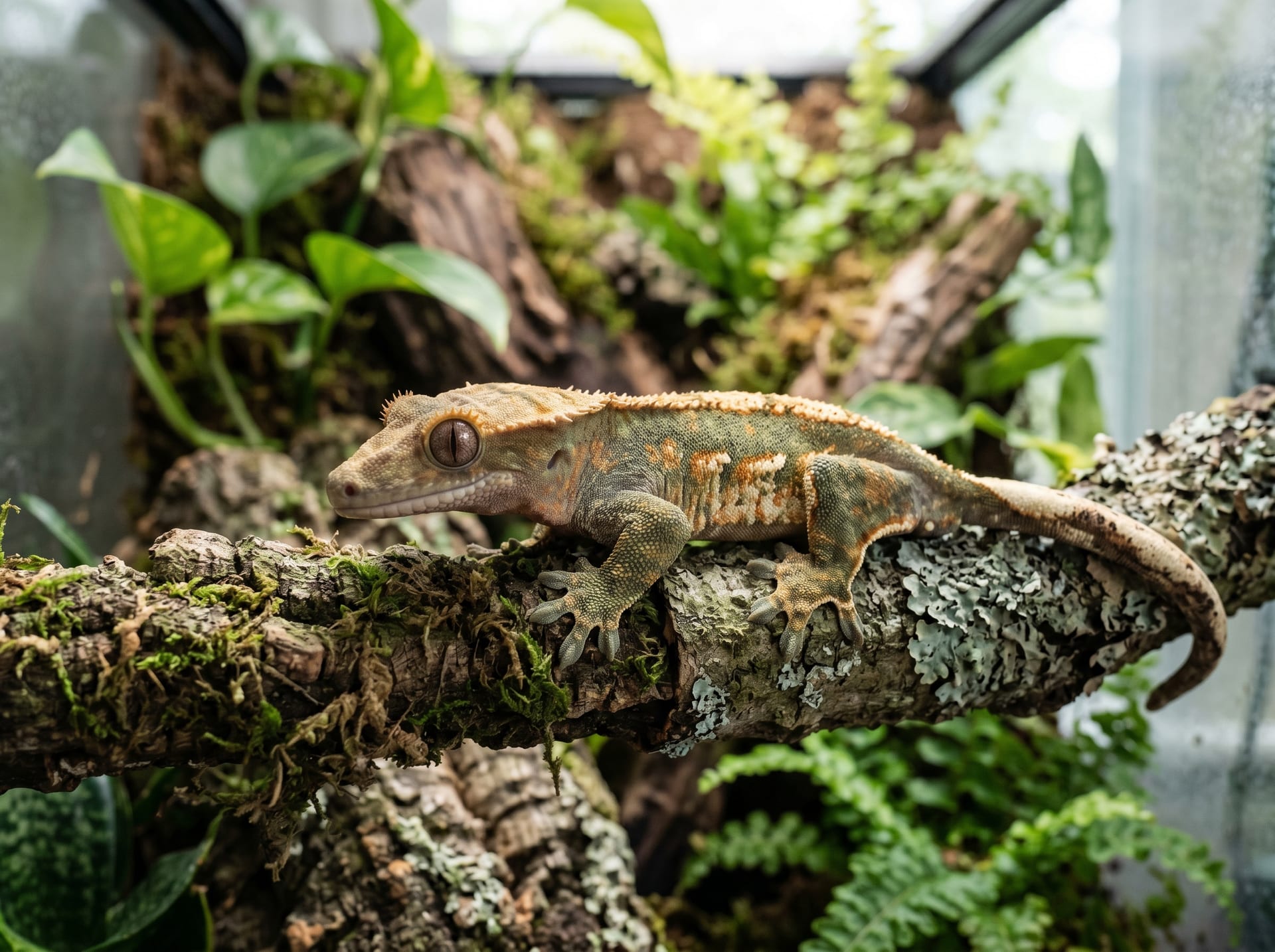
Crested Geckos typically shed at night, often unnoticed by keepers. If old skin remains on the toe pads, their adhesive grip weakens. Check toes regularly.
Anoles, Basilisks, and other arboreal lizards shed by rubbing on branches, so provide multiple branches of varying diameter.
Shedding is also a health indicator. Repeated incomplete sheds signal that your entire husbandry setup needs review.